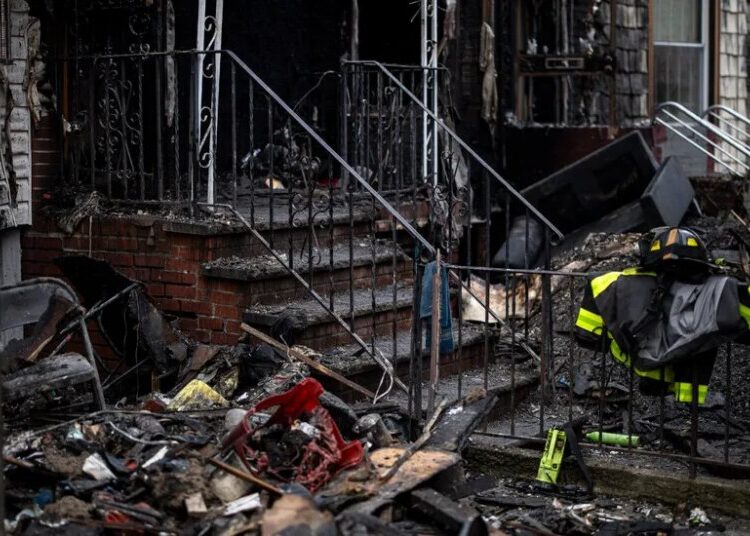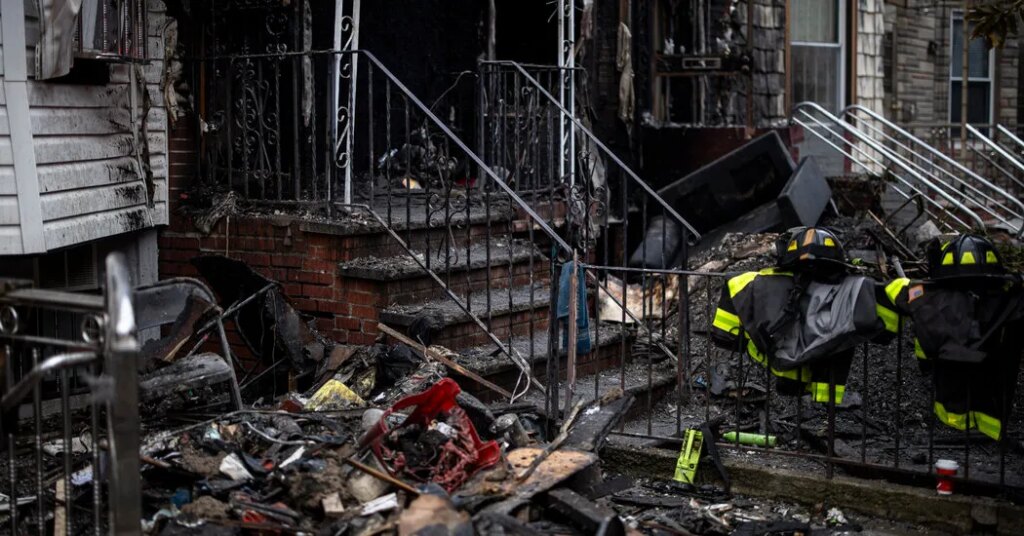
Before a fire killed six people in Sunset Park this week, dozens of other families around New York City had already been devastated during a year of soaring fire deaths.
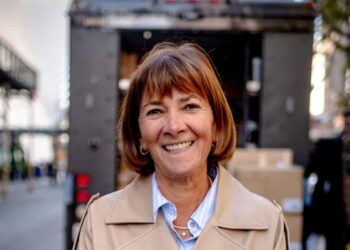
A fashion writer and her mother in Upper Manhattan in May. A 17-day-old baby girl and her mother in a basement in Elmhurst in February. A 3-year-old in Flushing in March as other people in her apartment building leaped from the windows.
Eighty-six people have died in fires in New York City so far this year, compared with 44 in the same time period last year, according to the Fire Department. That includes four family members who died in an apartment fire in the Bronx last week after a lithium ion battery caught fire overnight — a public safety hazard that has proliferated across the city this year.
“It continues to be a major source of concern and a priority of focus for our administration,” Mayor Zohran Mamdani said on Friday, adding that he was looking into additional legislation and policy regarding battery fires. “This is something that we’re talking about every single day, because as we have seen, it can take the lives of New Yorkers.”
The cause of the fire in Sunset Park — the deadliest this year — has not been determined, though there were charred electric bicycles at the scene and both the mayor and the City Council speaker spoke about e-bike batteries as they discussed the fire on Thursday.
A major driving force behind the rise in fires and fire deaths is the increased prevalence of e-bikes, many of which are powered by chargeable lithium-ion batteries. Lithium ion battery-related fires have injured 70 people and killed nine so far this year; one death is from a fire that first injured the victim in 2023. There have been 456 Fire Department investigations this year into blazes related to those batteries.
The deaths from battery-related fires this year represent a concerning rise after several years in which fatalities declined. In 2023, there were 18 deaths, and in 2024, there were six, according to testimony given at a recent city oversight hearing on the topic.
According to the City Council, the use of battery-powered micro-mobility devices spiked during the coronavirus pandemic, largely because of their use in deliveries around the city.
On Friday, Julie Menin, the City Council speaker, announced an oversight hearing for Nov. 20 to examine residential fire safety after the deadly two fires just eight days apart in the Bronx and Sunset Park. The hearing would review the current laws to see whether they are being properly enforced and the public knows the best practices for storing lithium-ion batteries.
Ms. Menin called the two deadly fires “heartbreaking tragedies that underscore the urgent need for action to prevent further loss of life.”
Gov. Kathy Hochul, appearing alongside Mr. Mamdani at the Somos conference in Puerto Rico on Friday, said that she would also explore legislative options at the state level.
“I want to find a time when we wake up to the news and do not see yet another fatal fire in Brooklyn or the Bronx and families’ lives devastated,” Ms. Hochul said. “There has to be an answer. We need to work hard together to find it.”
But batteries did not account for every deadly fire this year, nor were they a factor in all fire deaths.
The fire that killed the 3-year-old in Queens also killed three other people and was determined to be arson and ruled a homicide. The Upper Manhattan fire that killed the fashion writer was caused by a man throwing his lit cigarette into a pile of cardboard boxes outside the apartment building’s entrance, prosecutors said.
That fire, which also killed a third person, was exacerbated by people leaving their doors open as they fled — a common mistake, officials said.
“I know it’s a scary situation in a fire,” Lillian Bonsignore, the city’s fire commissioner, said at the time. “We’re not always thinking straight. But close the door. Make sure all your family members know to do the same.”
Dana Rubinstein and Maia Coleman contributed reporting.
The post 86 Deaths and Counting: N.Y.C. Fire Fatalities Have Nearly Doubled This Year appeared first on New York Times.