Having a healthy nest egg in retirement is a blessing, but money alone can’t advocate for you if you have to go into the hospital. Even if you have plenty of savings, you still need a person — someone you trust — to oversee your care and your cash.
Who will step in as your caregiver when medical issues arise? Who will handle complex health insurance claims if you’re unable to do it yourself? Who will safeguard your money and pay your bills if you’re incapacitated?
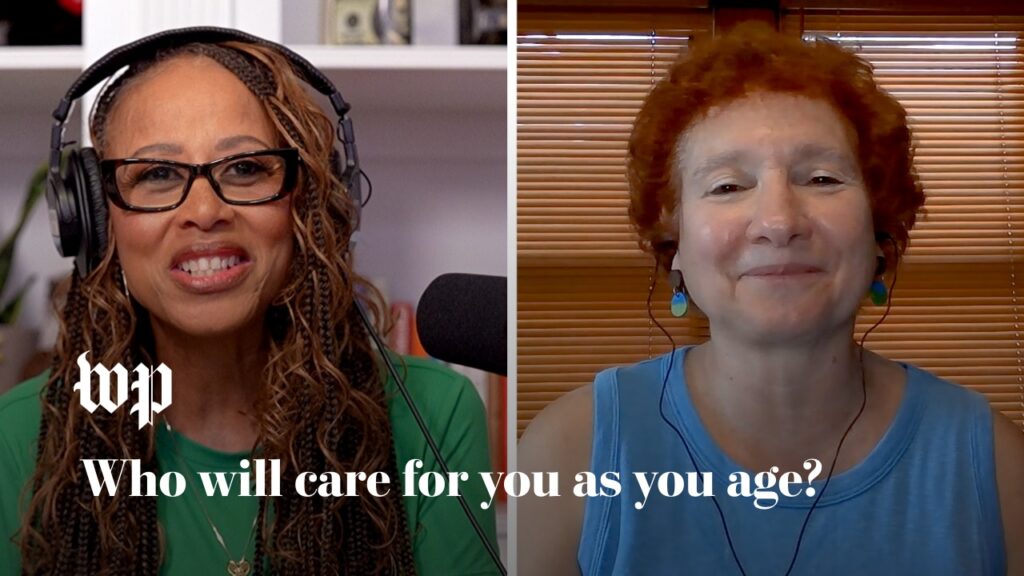
On the latest episode of “Dollars & Sense With Michelle Singletary,” my guest, Marian, is navigating these exact questions. Widowed three years ago and with no children, the 72-year-old knows she can’t leave her future to chance. She’s built and maintained relationships with extended family, so she has a reliable network if she ever needs help.
“I have a few nieces and more grandnieces and -nephews, most of whom are adults now, or close to adulthood,” Marian shared during our conversation.
After her husband died, she reevaluated her plans.
“I had to change executors after my husband died, because we had somebody in his family who was supposed to be both our executors and I could see that wasn’t going to work out,” she said.
Marian’s situation isn’t unique. Millions of seniors in the United States are single, divorced or widowed and have no children. Many assume that substantial savings or a long-term care insurance policy is enough protection. But insurance policies don’t fill out their own claims, and bank accounts can’t ask questions if you need medical care.
As I told Marian on the show: “Let’s say you have to go to the hospital. You want someone who can come to the hospital and say, ‘Hey, what’s going on with that? You were supposed to give her some medicine at 2 o’clock.’”
You need an advocate for your health and your wealth.
If you don’t have children, cultivate strong bonds with people you can rely on, whether that’s extended family or younger adults in your community. By the way, having children isn’t a guarantee they will step up to care for you, either.
Building these connections isn’t just a financial necessity. It’s important for your well-being. Research shows that loneliness and social isolation can increase the risk of dementia.
It’s important to nurture our relationships throughout life. This may mean sacrificing some Saturday mornings to cheer on a great-niece or great-nephew at their soccer game or attending school plays. Trust me, it’s a worthwhile investment of your time.
Follow Michelle’s financial advice show, “Dollars & Sense With Michelle Singletary,” on Apple Podcasts, Spotify, YouTube or wherever you get your podcasts. Want Michelle to answer your money question on the show? Email [email protected].
The post The one thing seniors should do if they don’t have kids or a spouse appeared first on Washington Post.