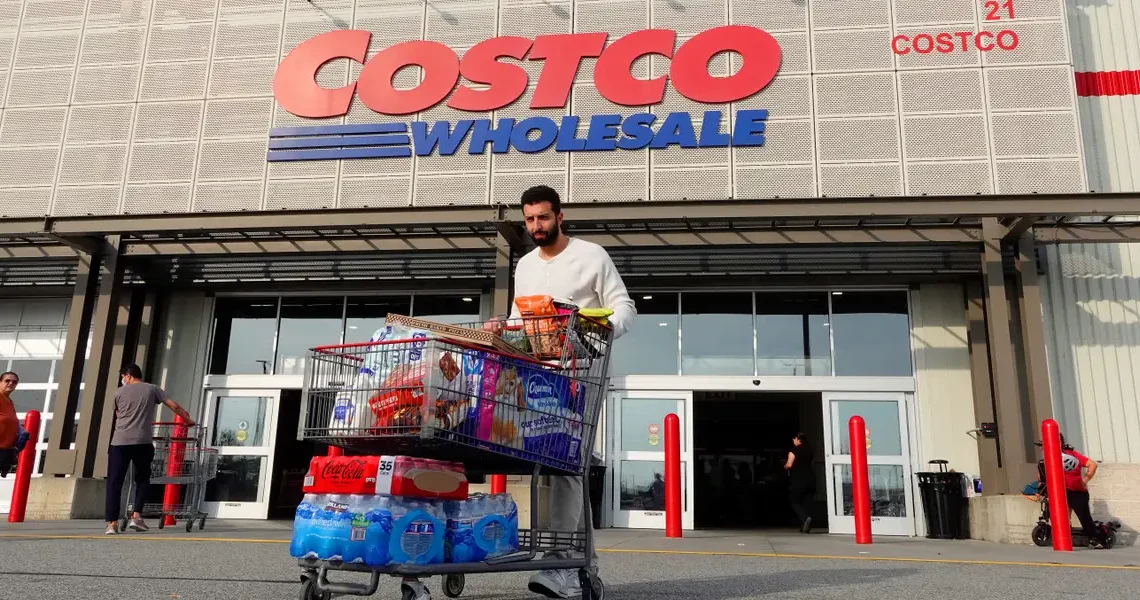
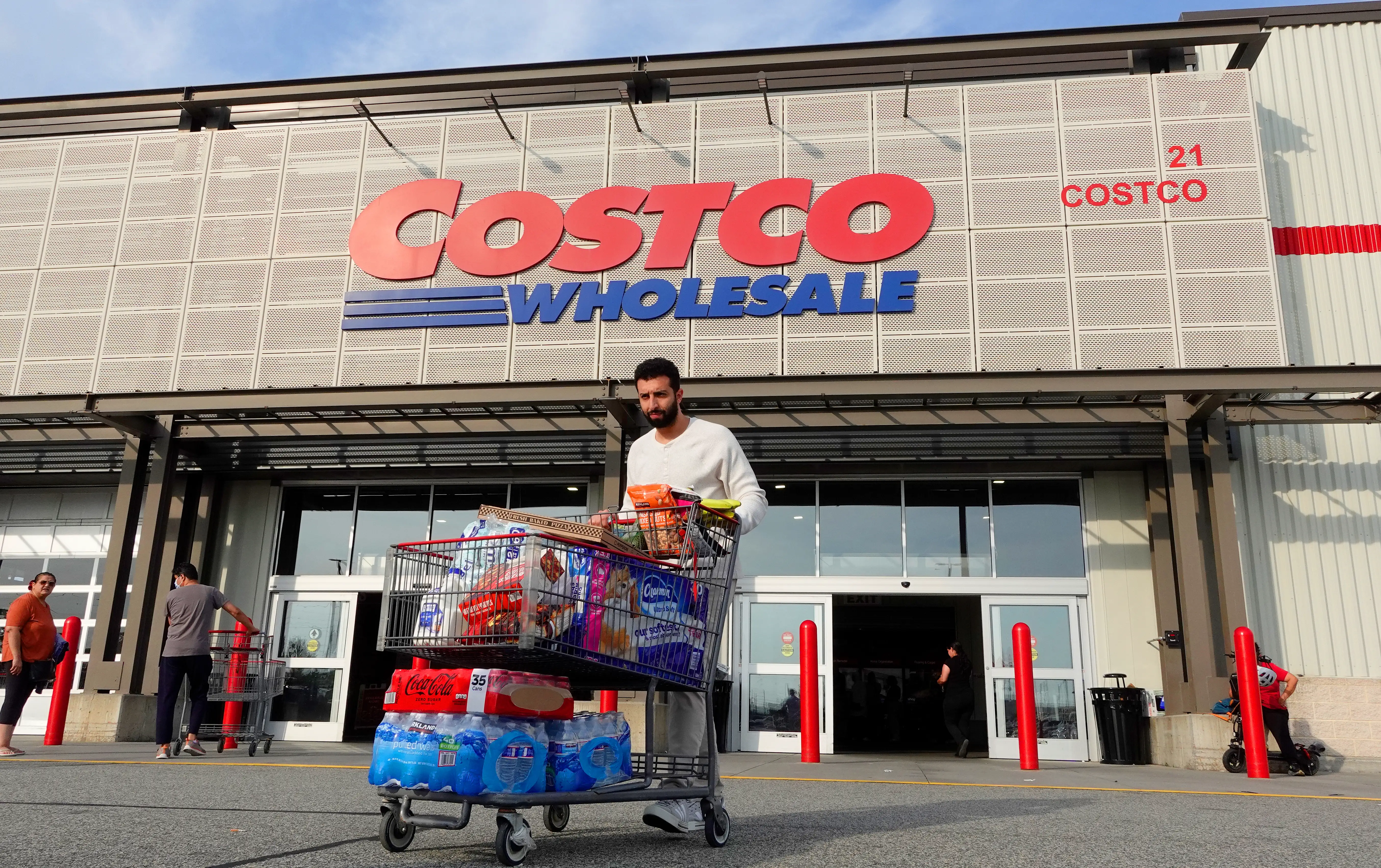
Like the proverbial pot that’s been watched but won’t boil, the Costco prices I’ve tracked this year have remained remarkably calm amid an economy full of heat.
A basket of 45 items I’m following rose 3% since July, but that change is largely attributable to the recent surge in motor oil prices.
Overall, the numbers I see on my local warehouse shelves tell a very different story than what I would expect after following the tumultuous news from around the world. Costco prides itself on keeping shelf prices in its warehouses close to wholesale prices for its members, which makes it a useful early read on supply-cost pressures.
It’s hardly a national price index, but it does reveal how global economic forces are showing up in an ordinary US community like Madison, Wisconsin.
My data show that grocery and merchandise prices remain steady, with small hikes and discounts mostly balancing out in the total basket. Meanwhile, some items like motor oil, protein powder, and aluminum foil are starting to show signs of pressure from their respective commodity markets. Costco did not respond to a request to comment for this story.
On a conference call last month, CEO Ron Vachris said the company works with vendors to deal with commodity price increases and keep prices in check. “It’s a continual focus for all of our buyers in looking at how to reduce pricing,” he said.
But first, it’s worth taking a step back.
I’ve been keeping a close eye on prices over the past year and a half out of concern for the impact that President Donald Trump’s trade war would have on everyday items that US households buy.
In January, I developed a list of commonly purchased items that highlight the value of shopping from a wholesale club. After the US and Israel launched their attack on Iran in February, I decided to keep going back to see how conflict in the Middle East would affect grocery bills in the Midwest.
So far, the effects have been surprisingly muted. The full basket rose 2.3% from $864.60 in January to $884.60 on October 13.
The basket rose slightly from January to April, largely because a two-pound bag of Starbucks coffee beans increased by $3.20. In May, the four-pound packs of organic ground beef were replaced with similar-sized packs of conventional beef for about the same price: $24.99. The move helped Costco manage the widely reported rise in beef prices, which has even had hamburger purveyors touting their chicken offerings to customers.
By June, the basket was about $10 below its April peak, as modest reductions across much of the list offset a $10 jump in whey protein, where shortages have continued to squeeze supply.
Bacon and berries got cheaper in July, while Kirkland motor oil rose by $4. Charmin cut 60 square feet of toilet paper from its 30-roll pack but also lowered the sticker price by $3, leaving shoppers with a slightly better unit value.
More recently, refining bottlenecks and attacks on oil infrastructure have sent diesel prices soaring, which is ramping up transportation costs.
In the warehouse, the most visible example of the oil supply problem is the Kirkland Signature motor oil, which shot up to $57.99 — a 60% increase over the price in June.
Meanwhile, blueberries more than doubled in price, from $3.99 in July to $8.99 in October. All fresh berry prices fluctuated by a few dollars throughout the year, so it isn’t clear if that change is driven by seasonal availability, transportation costs, or a combination of factors.
Other commodities are facing supply and tariff pressure too: the price of aluminum foil increased from $29.99 in July to $32.69 in October— a 9% increase. It was $26.99 in May.
As tariff refunds near their completion and energy prices continue to climb, a number of food suppliers and grocers have warned that costs are rising. It could be about time for this watched pot to start boiling.
Read the original article on Business Insider
The post My Costco price tracker is pretty stable, but big increases hit oil and protein appeared first on Business Insider.