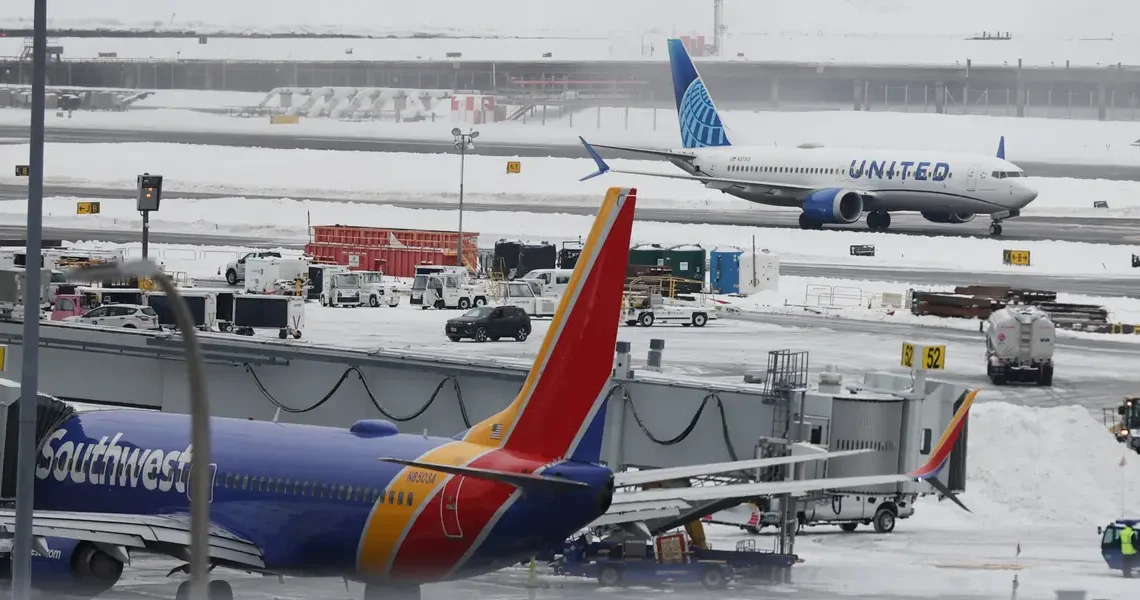
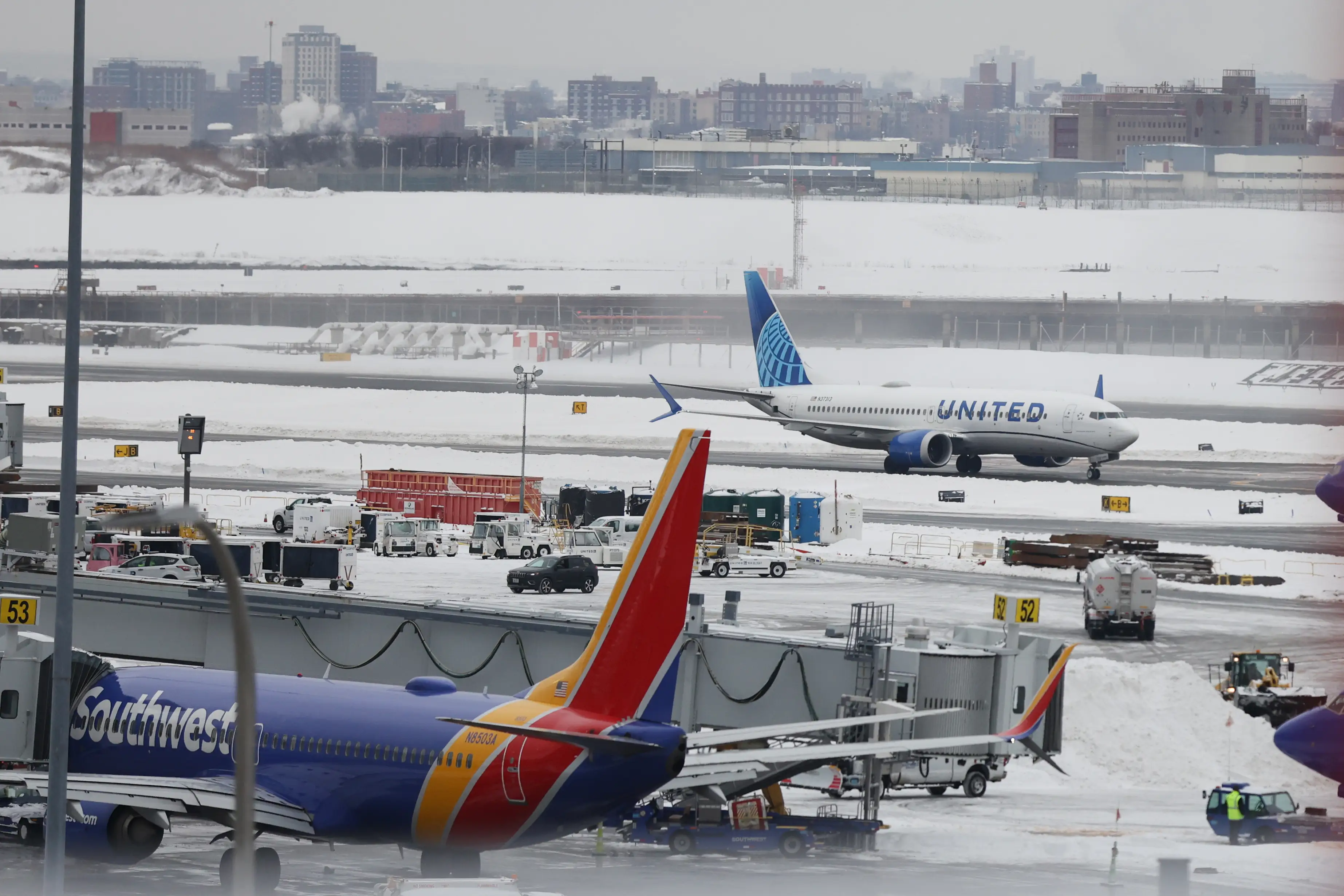
If you haven’t booked your holiday flights yet, you may want to brace your wallet: Airlines are cutting options and potentially raising fares as oil prices reach new highs.
After surging in the spring following the start of the war in Iran, oil prices surged yet again this summer and surpassed $100 a barrel this month; jet fuel is $4.53 a gallon as of Thursday. Data from the Bureau of Labor Statistics’ latest consumer price index show airfares rose more than 23% year-over-year in August.
Speaking at Morgan Stanley’s Laguna Conference on Wednesday, major airline executives said they are cutting flights planned this holiday season and are likely to raise fares to offset oil spikes.
Mike Leskinen, CFO of United Airlines, said the company is seeing strong demand and that its customers are “incredibly, incredibly resilient,” but United has already cut some routes that are on the low end of profitability and “don’t make sense in a higher fuel environment.”
“As you look into the fourth quarter, there’ll be some flights in December that we won’t fly that we thought we were going to fly,” Leskinen said. “If fuel remains high, we’ll make some adjustments into the first quarter and beyond into 2027.”
Southwest Airlines CFO Tom Doxey and American Airlines CFO Devon May similarly said demand is strong and that if high fuel prices persist, they would trim capacity and raise fares in response.
However, the airline CFOs said it takes time for those increases to show up: “Jet fuel price gets passed through with a lag,” Leskinen said. “Period.”
Doxey said that “both from the booking curve and just kind of a natural lag, it takes a while for that to come,” but Southwest has the “ability to recover a good portion” of those added costs.
Sally French, a travel analyst at NerdWallet, said that, beyond high airfares, airlines have also increased checked-bag and seat-selection fees. “The true cost of flying is higher than ever,” she said.
What flight cuts could mean for travelers
It’s unclear which specific flights and routes will be axed and how the airlines will rebook those affected. When trimming schedules, airlines have historically looked for markets that are already oversaturated, flights on less-busy travel days like Saturday, and flights that depart at less desirable times and may have lower demand.
Considering the record demand for premium travel, it’s also possible airlines will focus resources on more business-heavy markets with strong corporate demand, especially long-haul international routes.
Several airlines are banking on their affluent customers continuing to book as they have grown desensitized to the volatility.
Delta Air Lines CEO Ed Bastian said in an April earnings call that “as difficult as it is to see what’s going on with the conflict in the Middle East, I’m not sure that our premium customers are feeling affected by that.”
Another wrinkle for travelers looking for affordable flights is that this year marks the first holiday season without Spirit Airlines, which shut down in May, taking its famously low fares off the table.
“Generally speaking, booking now to lock in a good price is best practice, particularly if we’re talking winter travel,” French said. “That sweet spot window for booking domestic travel is 1-3 months in advance, or 2-8 months for international travel.”
She added that booking refundable fares that you can cancel and rebook if prices drop is also a smart move.
Read the original article on Business Insider
The post Get ready for higher holiday airfares as airlines cut flights over high fuel costs appeared first on Business Insider.