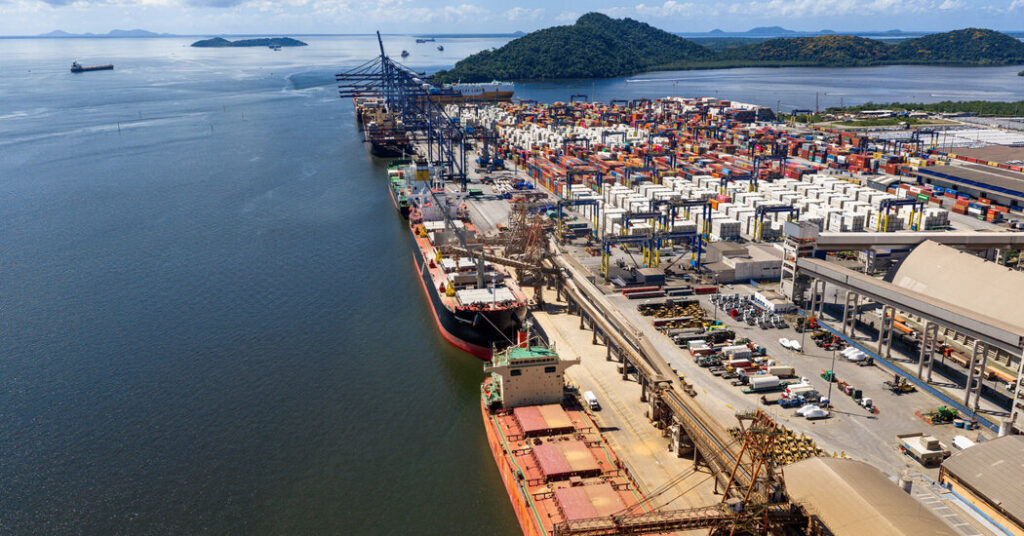
The Trump administration on Monday proposed a 25 percent tariff on a broad range of Brazilian imports, concluding after a trade investigation that Brazil had engaged in unfair practices that imposed burdens on American businesses.
In a news release, the United States Trade Representative, Jamieson Greer, said the investigation found that Brazil had failed to adequately enforce intellectual property rights and had not taken sufficient measures to combat corruption and bribery. The administration also cited Brazil’s restrictions on access to its ethanol market, and what it described as inadequate enforcement of anti-deforestation laws.
The investigation was conducted under Section 301 of the Trade Act of 1974, which authorizes the United States to impose tariffs and other penalties in response to unfair foreign trade practices.
Mr. Greer said that he and President Trump had “several constructive meetings” with the Brazilian president, Luiz Inácio Lula da Silva, over the past year, but that “substantial differences” remained over issues identified in the investigation. The United States Trade Representative is scheduled to hold a public hearing on the proposed measures on July 6.
Brazil has until July 15 to take what Mr. Greer called “responsive action” to address the issues raised in the investigation.
Brazil is one of more than a dozen countries that have come under Section 301 investigations as part of Mr. Trump’s effort to rebuild a tariff plan after key elements of his trade agenda were struck down by the Supreme Court in February. Although Mr. Trump responded with a 10 percent global tariff, a panel of federal judges ruled last month that those duties violated the law.
The Trump administration has been working to establish a more durable global tariff system by the summer, but Section 301 requires the government to conduct country-specific investigations and hold consultations and hearings before the new import taxes can take effect.
The proposed tariffs would exempt some products, including beef, coffee, rare earth metals, aircraft equipment and certain fruits and vegetables.
The move comes despite the United States maintaining a trade surplus with Brazil for the past decade. Last year, Mr. Trump imposed a 50 percent tariff on Brazilian imports to pressure the country to halt its prosecution of Jair Bolsonaro, Brazil’s former president and an ally of Mr. Trump. The United States later rolled back the tariffs on many Brazilian goods, while the court challenges further reduced the scope of the duties.
Daisuke Wakabayashi is an Asia business correspondent for The Times based in Seoul, covering economic, corporate and geopolitical stories from the region.
The post Trump Targets Brazil with 25% Tariff, Citing Unfair Trade Practices appeared first on New York Times.