A Cornell University study published in April 2026 has potentially unlocked the unpredictable nature of “cancel culture.” Specifically, the study explored why some controversial artists get canceled while others see increased streams.
Ever wonder if that social media boycott of [insert latest music industry crisis here] actually worked? This new study parts the kimono on one of the more egregious aspects of pop culture and celebrity.
Essentially, the study found, streaming platforms have much more power over who actually gets “canceled” than an Instagram graphic that makes the rounds for a while. The study was authored by Professor Jura Liaukonyte, whose expertise includes economics, marketing, and policy at Cornell. Co-authors include Daniel Winkler of the University of New South Wales and Professor Nils Wlömert of WU Vienna University of Economics and Business.
Study Finds Cancel Culture in the Music Industry is Essentially Fabricated by Streaming Platforms
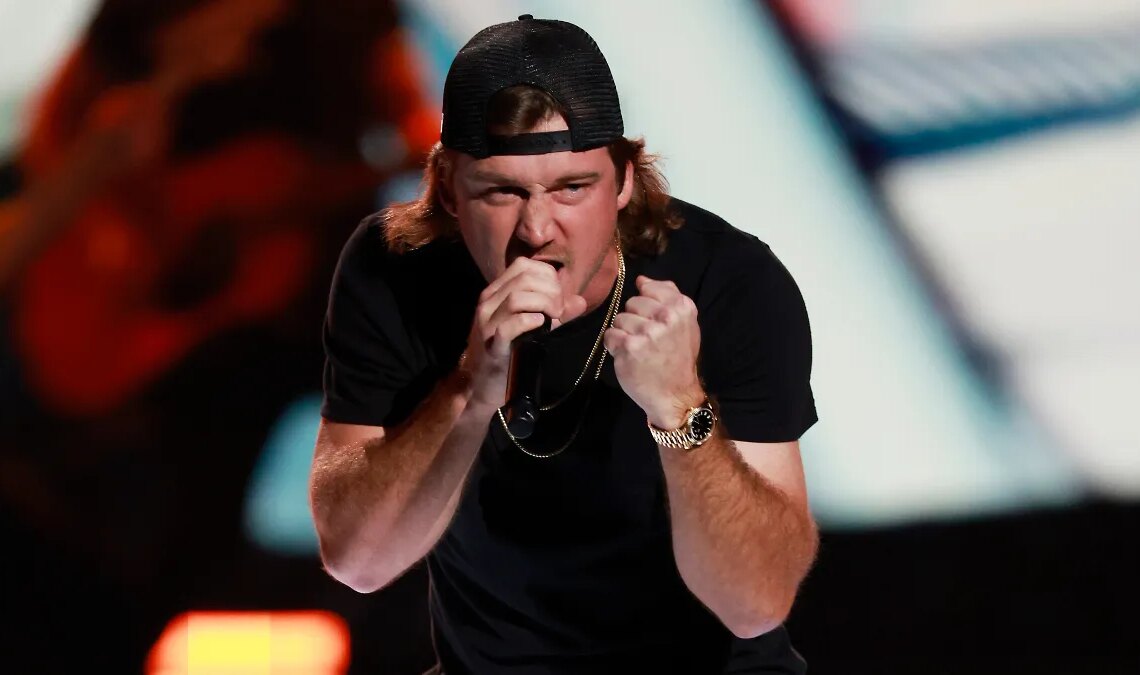
Liaukonyte and her co-authors studied high-profile music industry controversies, like R. Kelly and Diddy’s legal trials. They also looked at country star Morgan Wallen’s frequent run-ins with cancel culture. The most recent was when he was arrested for drunkenly throwing a chair off a rooftop bar in Nashville.
To break the research down to its essential parts, it seems to be concerned with why some scandal-prone artists take major financial hits, while others experience increased popularity.
With the Morgan Wallen example, his 2021 double album Dangerous was so pervasive that it became only the second album ever to remain within the Top 10 on the year-end charts for four consecutive years. The last time that happened was in 1959. And this was while he was canceled for saying a racial slur on camera.
So why does stuff like this happen? According to the study, streaming platforms like Spotify have the power to limit or increase an artist’s visibility. If Spotify or Apple Music keep an artist prominently displayed, then online backlash is powerless to cull their streaming numbers.
‘Moral Outrage’ Without Streaming Endorsement Does Nothing to Change Public Listening Habits
“Our findings underscore the growing power of streaming platforms as cultural intermediaries,” Liaukonyte wrote. “While fans and activists may frame cancellation as a consumer-driven boycott, the economic consequences in our setting hinged on a specific set of editorial and algorithmic decisions by Spotify—highlighting more broadly how much power streaming platforms can wield over an artist’s visibility and income.”
The study presented detailed findings related to R. Kelly’s sexual abuse convictions, which initially sparked the Twitter hashtag campaign #MuteRKelly. His streams and revenue did suffer, notably in 2018. But rather than being the result of online boycotts, the data revealed that Spotify removed his music from recommendations and official playlists.
“In other words,” Liaukonyte posited, “consumption dropped not because listener preferences suddenly changed, but because the platform’s discovery tools made it harder for listeners to encounter R. Kelly’s music.”
Let’s go back to Morgan Wallen for a moment. No amount of social media boycotts could lessen mainstream country’s demand for him. Not even the Metro Nashville City Council could do that. That’s solely because streaming platforms didn’t touch his visibility, says the study. In that case, no amount of “moral outrage” can influence the listening majority if their problematic fave remains front and center.
The post Do Social Media Boycotts Actually ‘Cancel’ Controversial Artists? New Study Says Not Really appeared first on VICE.