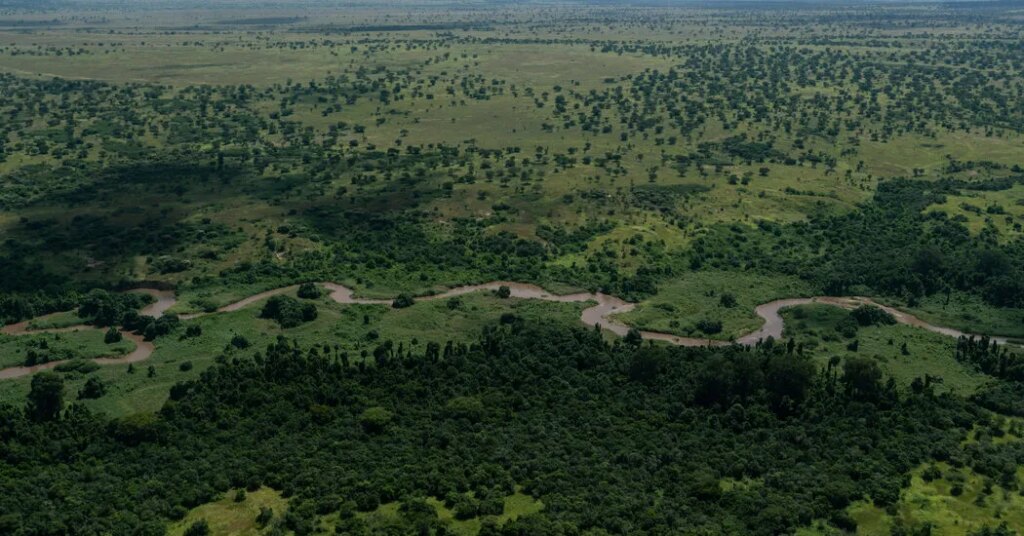
An anthrax outbreak in a park in the Democratic Republic of Congo has been killing hippopotamuses, threatening vulnerable wildlife and raising concerns about human exposure to the disease.
The outbreak at Virunga National Park — Africa’s oldest national park — has killed 30 hippopotamuses since September, when observers first started noticing suspicious carcasses, Laura Parker, who leads the park’s conservation programs, said in an email on Tuesday. The cause of the animals’ deaths, and the outbreak, has since been confirmed by laboratory analyses, she noted.
This is the second outbreak of anthrax in the park since last year, and it comes as Congo is contending with an Ebola epidemic that has killed more than 4,800 people since May and strained the country’s resources.
Doctors who have analyzed anthrax outbreaks in the region say that the disease represents a significant public health challenge, intersecting with issues like food insecurity, conflict and poverty, and disproportionately affecting rural populations with limited access to health care.
Park officials have been raising awareness among local communities to ensure people do not touch or consume meat from any affected carcasses and report any such finds to the authorities, Ms. Parker said.
“Virunga’s response is focused on surveillance, safe carcass management and reducing risks to both wildlife and people. Teams are monitoring the affected area, documenting new mortalities and coordinating the safe handling and disposal of carcasses,” she said.
Anthrax is a zoonotic disease caused by a bacterium found naturally in soil around the world. It often affects livestock and wild animals that can become infected when they breathe in, eat or drink spores in contaminated soil, plants or water. The spores can lie dormant in soil for years or decades, so outbreaks recur in areas where they are already in the environment, as in the national park.
Last year’s anthrax outbreak killed about 65 hippos in the park and affected people in the region. Human exposure to anthrax is most commonly linked to contact with infected animals, and community outreach is vital to preventing deaths or illness in people, public health experts say.
Anthrax outbreaks are linked to unusual climatic conditions, including prolonged dry periods, and a lack of rain may be to blame for the latest episodes of the disease, park officials surmise. There has been significant rainfall of late and no new cases confirmed in two weeks, so they are cautiously optimistic, but monitoring protocols continue, Ms. Parker said.
Virunga National Park is recognized by UNESCO as a World Heritage Site for its exceptional wildlife and biodiversity. It was established in 1925. While rich in natural resources, however, the park is in one of the world’s poorest countries, one that has been plagued by decades of conflict.
On its website, the park is described as being located “in a region which has been deeply impacted by the effects of war and armed conflict for over 20 years.” Conflict and poverty are among the forces driving wildlife poaching in Congo, with hippos poached for their meat by armed groups and impoverished people, as well as for the ivory in their teeth.
The park, which had about 29,000 hippos 50 years ago, saw much of the population depleted over the years. This year, it reported about 2,700 hippos, noting that the latest figures suggested efforts to protect the vulnerable animals, including by having more rangers patrolling the park, were leading to a slow recovery.
The latest anthrax outbreak has dealt a blow to the project.
The post Anthrax Outbreak in Africa’s Oldest National Park Is Killing Hippos appeared first on New York Times.