Since the beginning of the Gaza war, a record number of Israelis have left the country. More than 10 percent of the electorate now lives abroad, and the country generally does not allow absentee ballots: Those who want to vote in today’s election, the first since October 7, need to be there in person.
An estimated 67,000 Israeli expats have traveled thousands of miles—and spent thousands of dollars—to return home. Within Israel, the polls suggest a fairly even split between the parties that favor Prime Minister Benjamin Netanyahu and those that oppose him. But most of the expats are expected to support the opposition. The prime minister’s allies reportedly considered restricting airport capacity to limit the number of arrivals. But the flights still came.
Israelis returning from abroad expressed feelings of deep investment in this election and a belief that the outcome will affect them no matter where they live. Many are willing to travel a long way to vote for what they believe will be a better future.
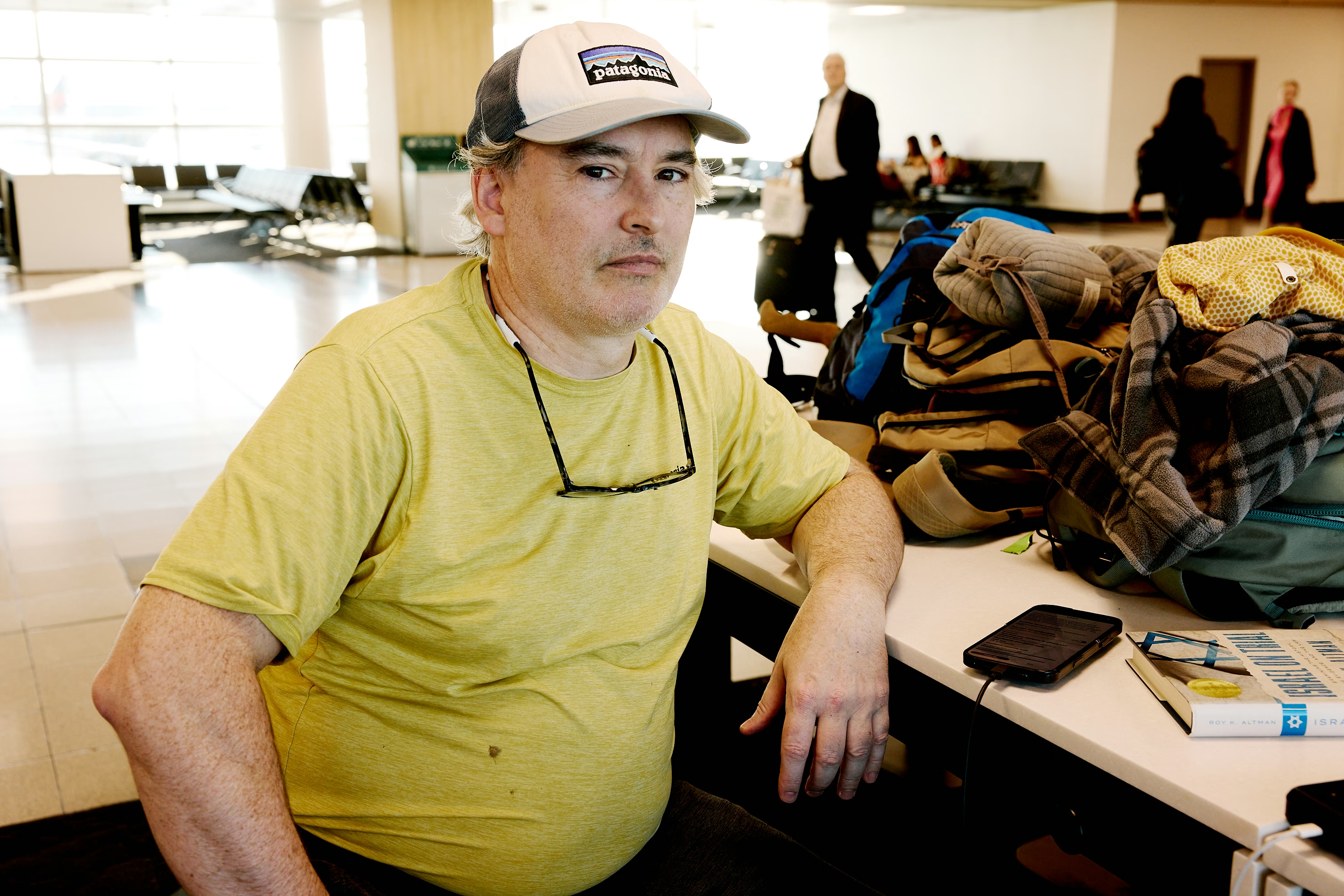
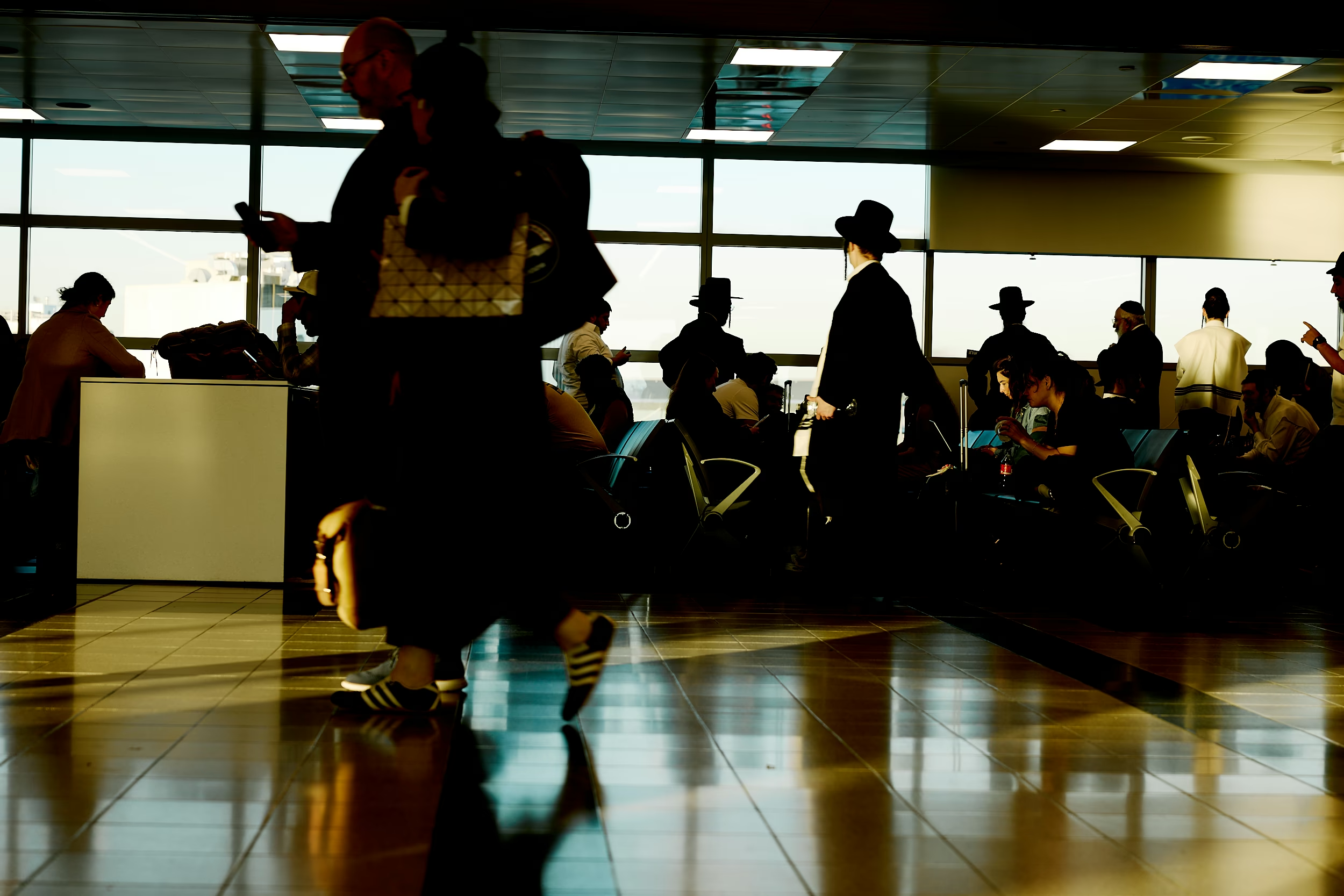
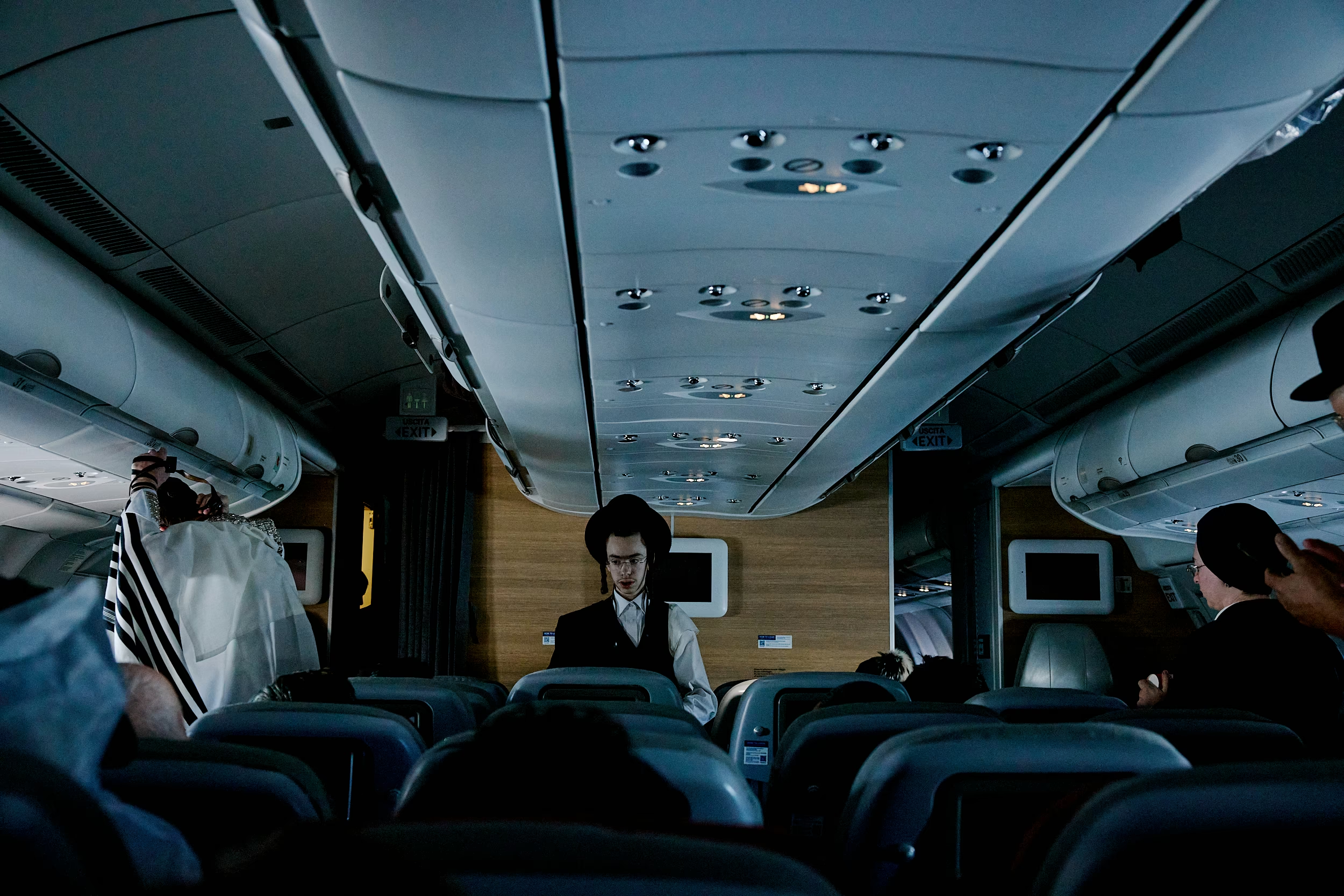
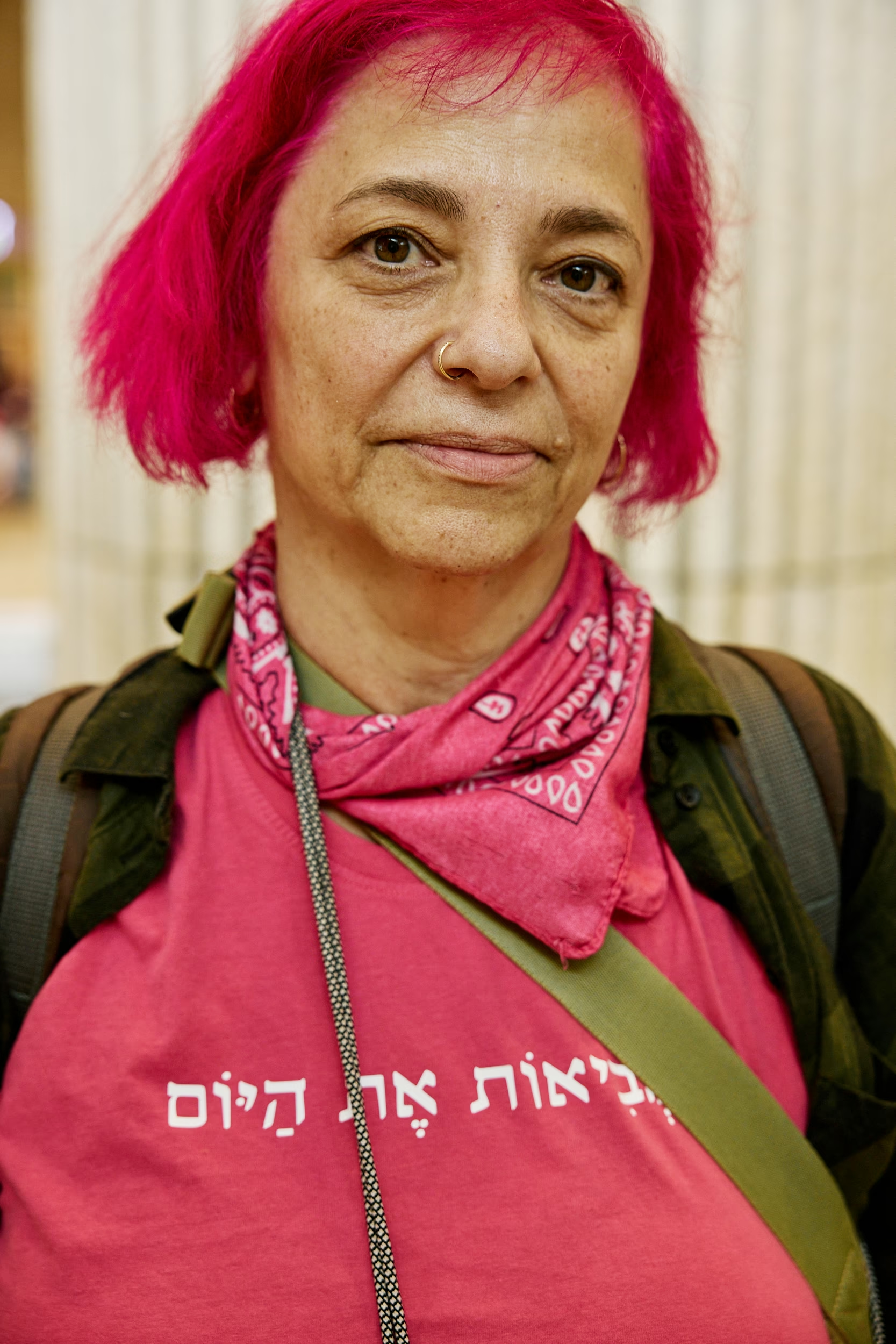
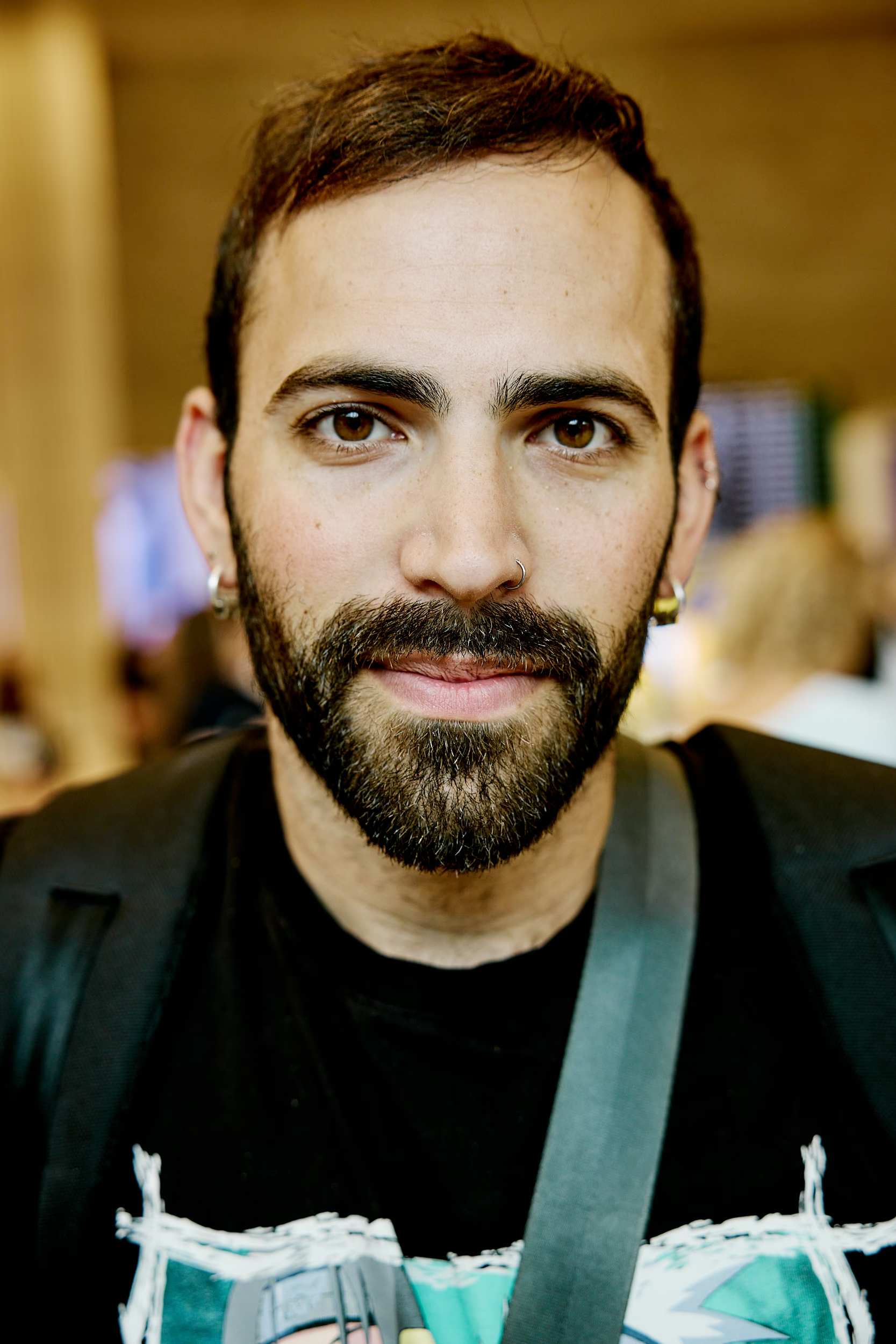
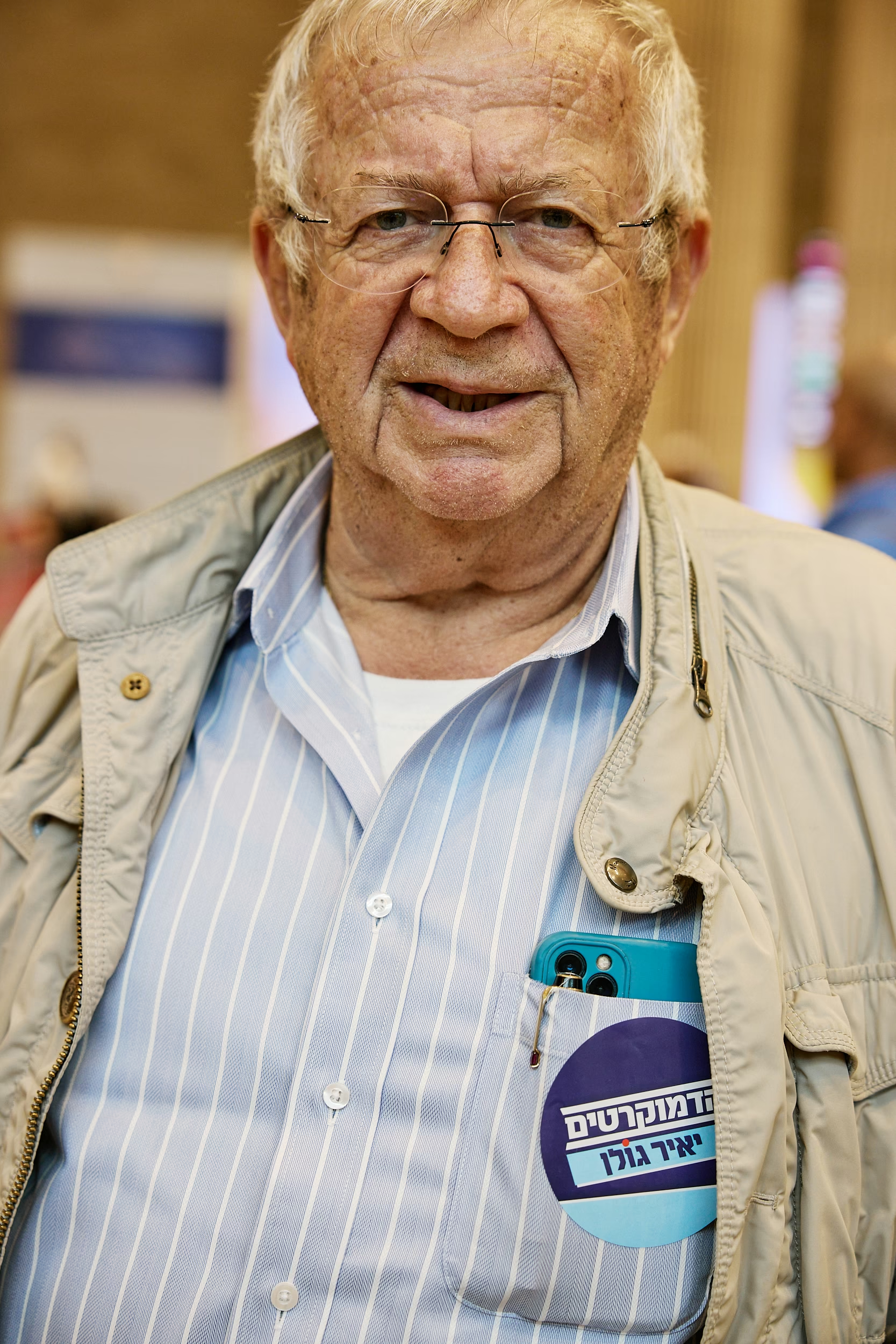
Dana Golan for The Atlantic Maya Mor Mitrani, a college student and opera singer in Philadelphia, spoke of concern for her father, who has served in the military reserves since October 7. “I just think the situation is really bad,” she said, “and I want to have at least some influence over how the government tries to solve the problems we’re facing right now. So if my influence amounts to just one ballot in the box, that’s what I’ll do.”Dana Golan for The Atlantic Jonathan Matkowsky was born in America, but he moved to Israel in 2012. On October 7, he barricaded his children indoors and drove south to help however he could, working as a volunteer driver for off-duty soldiers and civilians for the next four months. He later moved back to the United States. Now he has returned for the election: “It’s a meaningful vote for me because of how much trauma we’ve been through,” he said. Although he considered voting for Gadi Eisenkot because of his support for extending the draft to the ultra-Orthodox, he ultimately decided to vote for Netanyahu. He trusts the prime minister’s wisdom and experience and credits him with keeping Israel safe: “I’m proud of him. I believe in him. I think he’s a hero,” he said.Dana Golan for The Atlantic New York’s John F. Kennedy airport on Oct 25th, 2026.Dana Golan for The Atlantic A banner that reads “This time, Eisenkot” hangs in Tel Aviv, Jaffa.Dana Golan for The Atlantic An organization called Fly&Vote organized expats to fly from New York to Tel Aviv on October 25th.Dana Golan for The Atlantic Shirily Bar-Or spent years protesting in Israel before moving to Athens last year. “I didn’t give up, exactly. I just needed to breathe. I was running out of air. I hope I’ll be able to breathe again tomorrow.” What she wants, she said, is for “the country to be sane again. I want a government that works for the public good. I want democracy.” To her this election is pivotal because, she said, what Netanyahu wants “is to destroy us just to save his own skin.”Dana Golan for The Atlantic Dan Galezer lives in New York and already had a trip to Israel planned, but he changed his flight to be there on Election Day. He said that he didn’t know which opposition party to support, but that “I’m just at the stage of saying: Get Bibi out of the seat already. His time is up.” Galezer’s family’s kibbutz was the site of one of the worst massacres on October 7. “Today, even after everything that’s happened,” he said, “I don’t rule out returning.” But whether that will even be possible, he said, may depend on the outcome of the election: “This feels like a breaking point.”Dana Golan for The Atlantic Arie Deizer has lived in Bucharest for 30 years and compared Netanyahu to the Hungarian strongman Viktor Orbán. Netanyahu, he said, has “destroyed the country—he’s completely lost it now,” and Deizer hopes he’ll be “thrown out, just like Orbán.” Deizer is voting for the Democrats, in part because unlike many other opposition parties, they have not ruled out working with Arab parties should they win. “I hope we’ll have an overwhelming majority here—70 seats—so that the Arab parties can’t be ignored.”Dana Golan for The Atlantic A sign on the entrance to a shop in Jaffa, Tel Aviv, reads, “Jews and Arabs refuse to be enemies.”Dana Golan for The Atlantic Shai Sinai hasn’t lived in Israel for 40 years, but he’s come back from Hamburg to vote in every election since Netanyahu came to power. “I was born here, I grew up here, I was educated here, I served in the army here, and my whole family—the family members who are still alive—basically lives here.” Volunteers from Fly&Vote, a nonprofit dedicated to helping expats return for the election, met him and other voters at the airport. So did members of the Democrats, a party Sinai said he will support. He hopes that the government will be replaced, he said, but “to say that I’m expecting it would be too optimistic.”Dana Golan for The Atlantic Volunteers and candidates from The Democrats party came to greet Israelis as they landed in Israel to vote.Dana Golan for The Atlantic Election posters at the entrance to a polling station in Tel Aviv include one from Naftali Bennett’s ‘B’Yachad’ party that reads, “Together We Will Fix.”