Russia’s intense and systematic bombardment of Ukraine’s energy infrastructure is intended to inflict harm and suffering on civilians and amounts to a crime against humanity, United Nations investigators said on Monday.
None of the hardships they had endured since Russia’s full-scale invasion began in February 2022 prepared them for the bitter deprivations of last winter, Ukrainians told the three-person Independent International Commission of Inquiry on Ukraine.
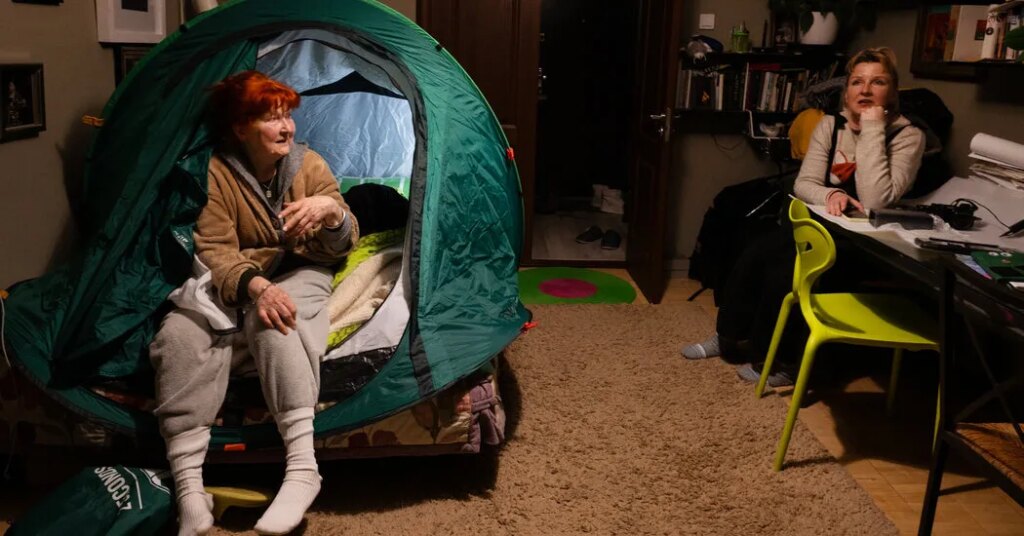
As temperatures dropped below zero, Russian bombardments involving hundreds of drones and missiles at a time knocked out power generation facilities, cutting off heat, lighting and the power needed to pump water, the investigators’ report said. In the worst-affected areas, millions of people were left without electricity for hours and even days, the Ukrainian authorities told them.
Russia said it had targeted energy infrastructure serving a military use, or a dual one, the commission noted. But the commanders ordering the attacks knew the power generators they were striking were indispensable to local inhabitants and were well aware of the impact, it said.
And the strikes intensified as the temperature dropped — demonstrating “the intent of Russia’s authorities to inflict harm to the civilian population,” the commission said. The report said the attacks had been “widespread and systematic, disproportionate, and amounted to the war crime of excessive incidental death.”
The Ukrainian authorities documented deaths from the cold in homes and even in hospitals, the panel said. And medical workers reported receiving patients suffering from cold-related trauma, including frostbite and hypothermia.
The power cuts took a psychological toll as well. Ukrainians talked of insomnia, exhaustion and depression. One Kyiv resident described struggling to keep awake for fear the cold would kill him in his sleep.
“The scariest thing was to fall asleep and not to wake up,” he told investigators. “It was like torture to be scared of dying from cold.”
Ukraine, too, has attacked energy infrastructure, the panel said, noting reports by the Russian authorities of strikes in Belgorod Oblast and media reports of attacks on energy facilities in Crimea. The investigators said they had been unable to examine those attacks because they lacked access or Russian response to their questions.
Earlier this month, President Trump announced an “energy cease-fire,” with the aim of ending Ukrainian attacks on Russian refineries that have reduced supplies of diesel to world markets. Ukraine’s president, Volodymyr Zelensky, agreed to halt such attacks if the cease-fire took effect, but Russia’s bombardment of targets across Ukraine continued uninterrupted.
Now it is almost winter once more.
“As the cold season approaches, the attacks have intensified once again, raising serious concerns about the threats to civilians’ lives and health,” said the commission’s chairman, Erik Mose.
The panel also investigated Russia’s treatment of foreign nationals duped into serving with Russian military forces in Ukraine. Some were promised high pay to work as drivers, mechanics or security guards — only to end up on the battlefield.
The investigators found people from 29 countries across Latin America, Africa and Asia they said had been recruited into Russian military service through deception. Most were from poor communities, and a vast majority had no military experience, the report said.
Drawing on the testimony of 245 recruits, the commission found that after arrival in Russia, people had their passports taken and were forced to sign Russian language contracts with the Ministry of Defense committing them to serve a year in the military. Those who refused were physically threatened.
“They took me 100 meters away, shot four Russians in my presence and told me, ‘If you don’t sign, you are the next,’” one former recruit told investigators.
Recruits received military training that varied from 20 minutes to one month before being deployed to frontline units. There, they were forced to dig trenches, collect the bodies or body parts of fallen soldiers, and distribute food and water to troops. They were also used in assaults on enemy positions.
The post Civilian Suffering Was Goal of Russian Strikes in Ukraine, U.N. Panel Says appeared first on New York Times.