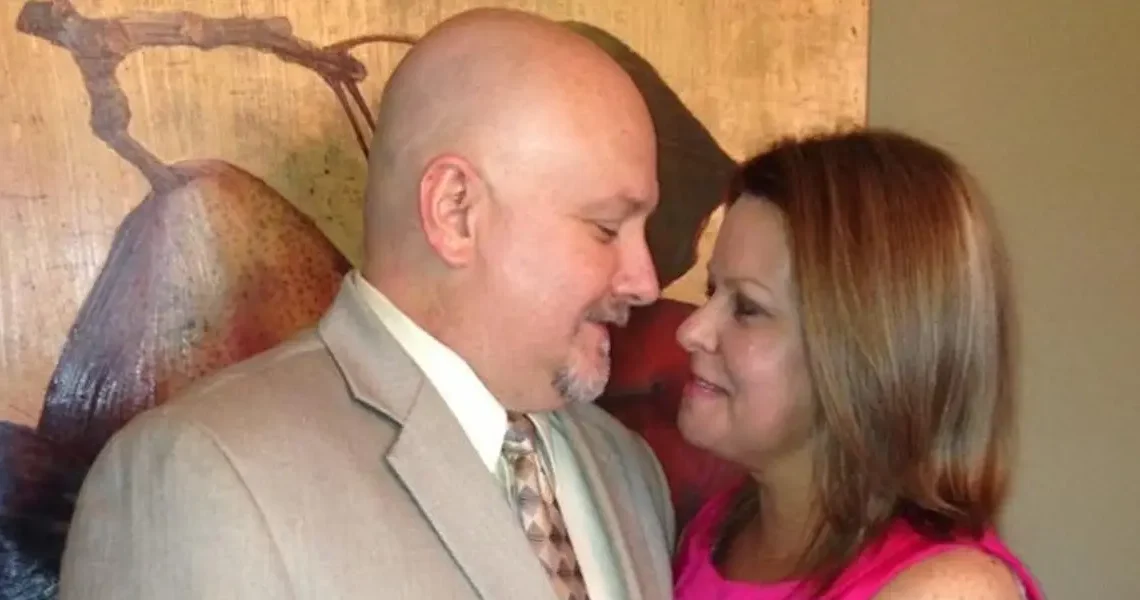
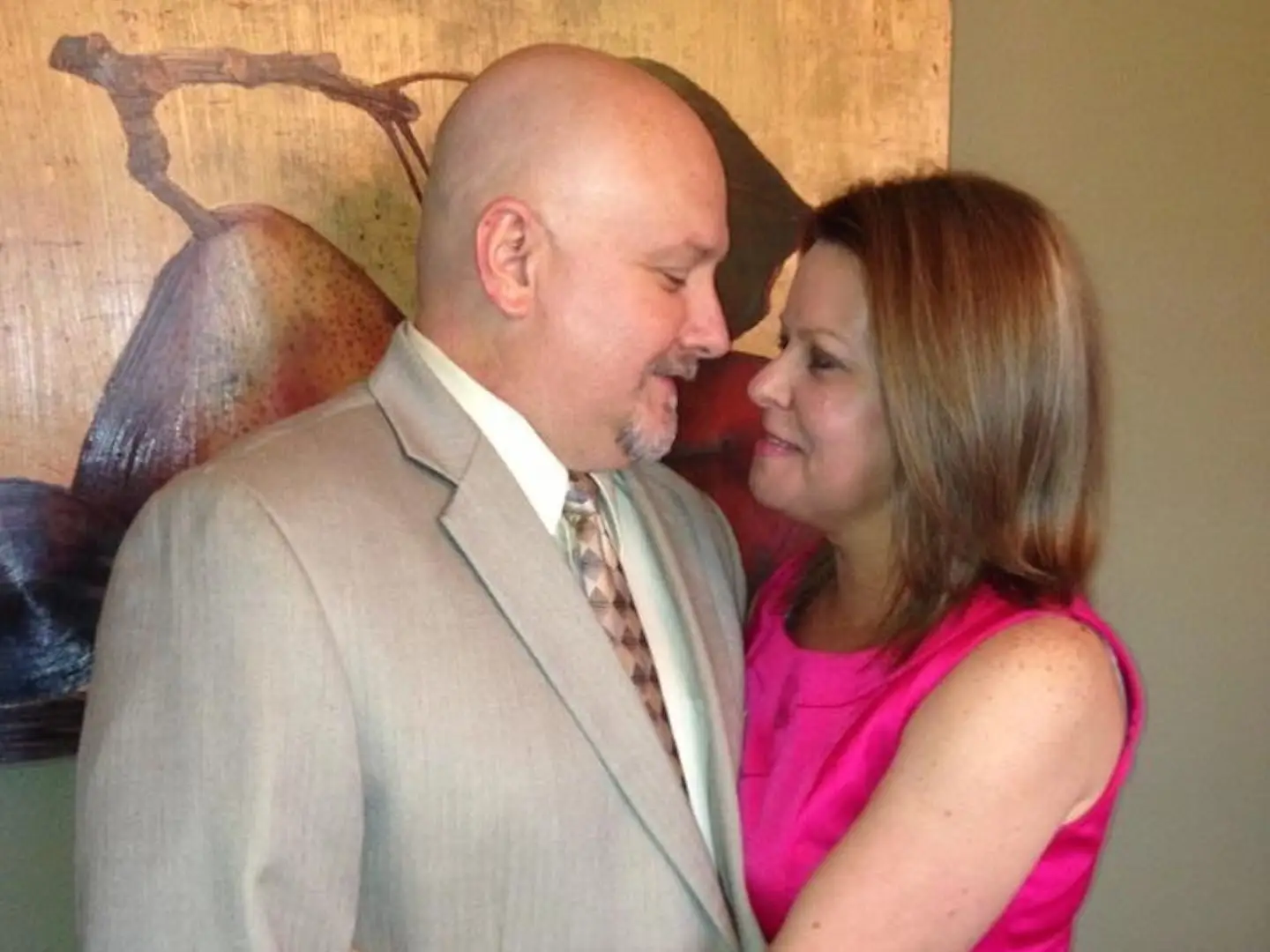
This as-told-to essay is based on a conversation with Brian Rooney, the 60-year-old founder of Chapter7Reset.com, who lives in Conroe, Texas. He lost his wife in 2013. The essay has been edited for length and clarity, and the details verified.
When you’re grieving, you’re not thinking about how to move a business forward, capture new market share, or adapt to new technologies. You’re not thinking straight because you’re overwhelmed by a cloud of loss, pain, and sorrow. Some days, you’re just trying to get through morning to night.
In 2013, I lost my wife, my partner, and my life. I still had to deal with the financial reality. I had underestimated what grief would do to my ability to run a business.
Tina was the yin to my yang
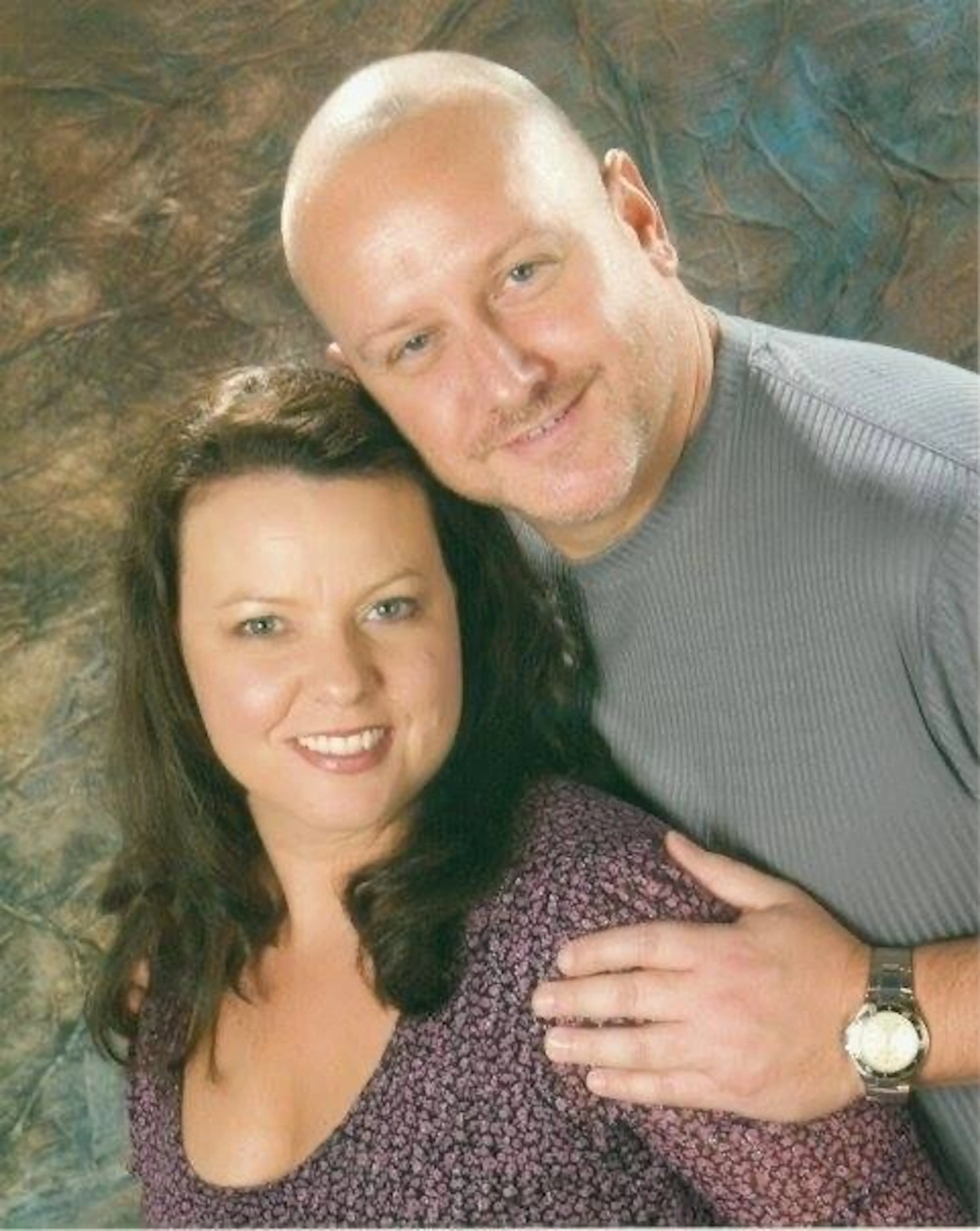
My wife, Tina, and I had 24 great years together. She was the yin to my yang. We met through a mutual friend, got to know each other, and fell in love. She was a strong, independent thinker. She was loving, kept me in check, and was an outstanding mother.
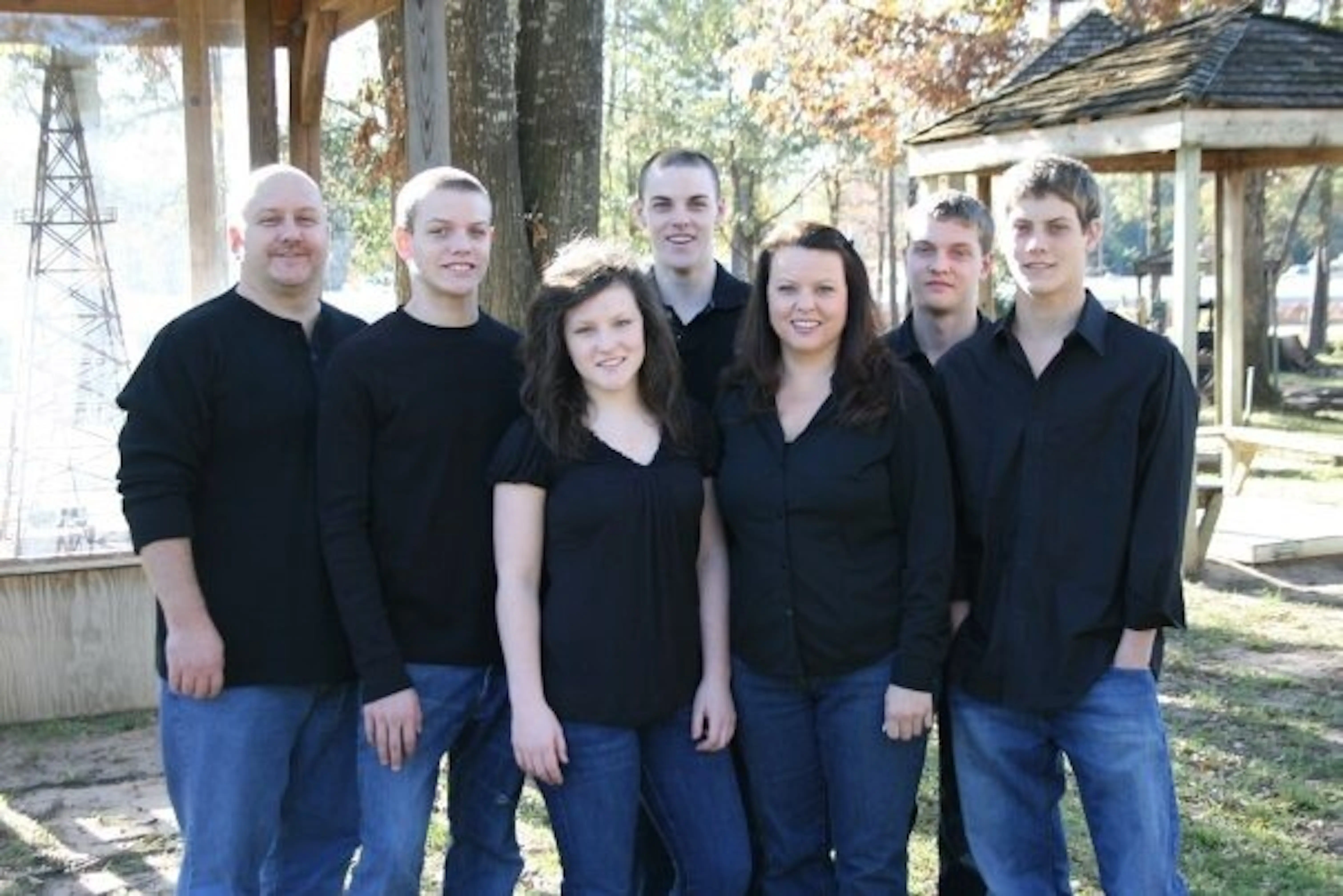
Our five kids were all born close together, and I was very involved in their lives. One of the reasons I started a business was because I wanted to be the dad who could be at home, coach my sons in basketball, and play in recitals with my daughter.
We’d tried both working early on, but Tina stopped early on in our relationship. I was the breadwinner, and she managed the kids.
I launched my email-marketing business in 2000. For a time, it did very, very well.
My wife was diagnosed with cancer
In 2011, things felt almost too good to be true. Then Tina noticed a little bump in the roof of her mouth. She went to the dentist; they did a biopsy, and we didn’t think too much about it. Weeks later, I was sitting in my home office when she came over with the phone. With a very disturbed look, she said, “I have cancer.”
Our lives turned upside down.
At first, because the cancer wasn’t very aggressive, we tried homeopathic remedies. Then came chemotherapy, radiation, and major surgeries. The treatments were costly, and while the Affordable Care Act covered quite a bit, we still had high deductibles. Some hospitals wouldn’t admit her until the deductible had been paid.
I would sit at the table with spreadsheets, trying to work out the finances. I was trying to be strong for my wife, but sometimes I’d go to the corner of the room and cry. The unspeakable thing to consider was that I might lose my wife because I couldn’t afford to pay for it all.
A lot of the medical bills were paid with credit cards, and we ran up a lot of credit-card debt. I had six mouths to feed, for which I relied mostly on credit cards. I sold my music gear, like my guitars and amps. We moved from a beautiful rental house in a nice area of Texas to a much less expensive apartment. We weren’t going to shows, basketball games, or on trips. None of that bothered me. The focus was on getting Mama healthy.
Friends and family stepped in here and there to help out. My kids were approaching adulthood, so they didn’t need much looking after, but working from home let me adjust my schedule as needed.
I couldn’t keep the business moving forward
There were days when I couldn’t touch the business. It was mostly automated, but there were things I needed to step in and manage. If a server went down, I’d need to stay up all night to fix it while checking on my wife in the other room.
I wasn’t resting or sleeping. I wasn’t able to drive the business forward.
During that time, the industry was changing. New technology became available, and we weren’t able to keep up. I was so focused on Tina’s care that we missed opportunities. We had contractors and a business partner, and I wish I’d outsourced a lot faster. I didn’t realize how fast I was losing.
I became a widower at 47

Tina died in November 2013. She was 49, and I was a 47-year-old widower.
Those first few weeks, I’d wake up, roll over, realize she wasn’t there, and know that she never would be again. I would talk myself out of bed, one body part at a time.
The business was still there. My business partner was focused on the technical side, but I had the marketing and entrepreneurial mindset. A lot of things that needed to get done didn’t get done. Honestly, at that point, I didn’t care. It was a dark time for me
I wanted a clean slate
The business was declining, and meanwhile, I’d built up hundreds of thousands of dollars in credit-card and medical debt. I thought I could put everything on my credit cards, turn things around, and pay it down. Things never turned around, and as the business continued to decline, there was less money to draw from it.
I spoke with bankruptcy attorneys, but I was convinced I could fix the problem.
In 2021, I got remarried. My second wife knew about the financial mess I was in. The interest and penalties were compounding so quickly. There was constant pressure from phone calls, letters, and demands for payment. I wanted relief and a clean slate.
In early 2024, after speaking with my business partner, we decided to dissolve the business. Later that year, I filed for Chapter 7 bankruptcy.
I felt both relief and shame after filing for bankruptcy
When I filed for bankruptcy, I had no assets because I’d sold them all to pay my bills. When the debt was wiped out, I felt relief and shame, but the relief took over once I stopped getting phone calls and letters.
It was time to rebuild. I got a sales job, which I hadn’t had in decades. I did AI certification training and started rebuilding my credit with credit-rebuilding cards. I launched ChapterSevenReset.com, a free guide to help people in a similar position.
One of the hardest lessons was that we didn’t have a life-insurance policy on Tina. It never dawned on me because she wasn’t contributing financially. I never considered how caring for her and my grief would take away from my generating income. My second wife and I both have life insurance policies for each other.
Nowadays, my friends say the “old Brian” is back. I’ve made peace, as best you can, with the fact that Tina is gone. I’m like an amputee. There’s a part of me that’s missing, and that part will always be missing. It itches. It’s always there.
Read the original article on Business Insider
The post I filed for bankruptcy after my wife died from cancer. I underestimated what grief would do to my business. appeared first on Business Insider.