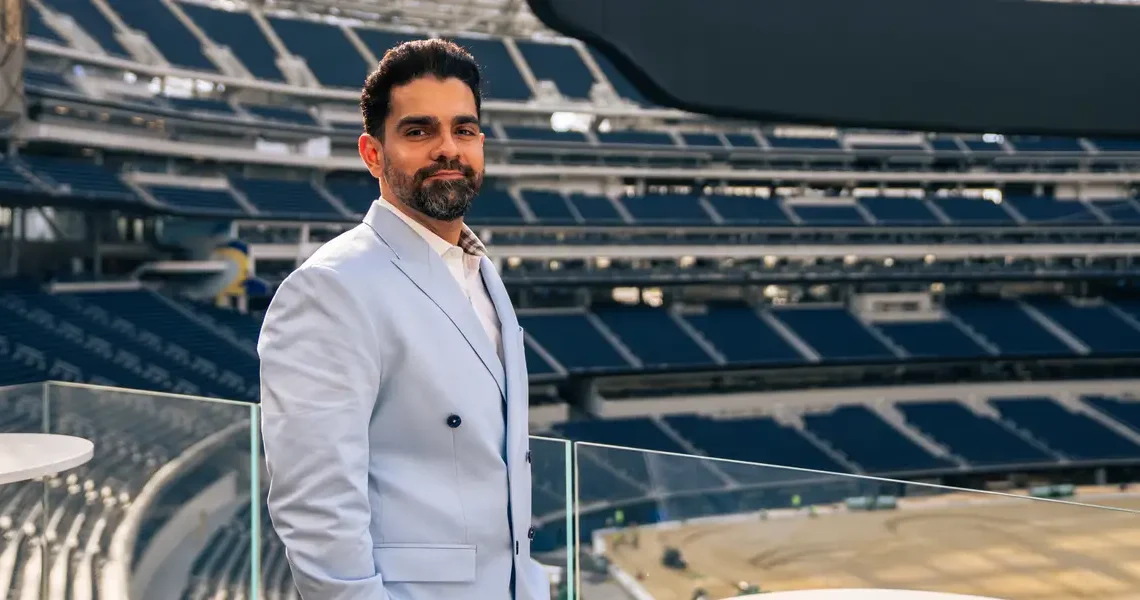
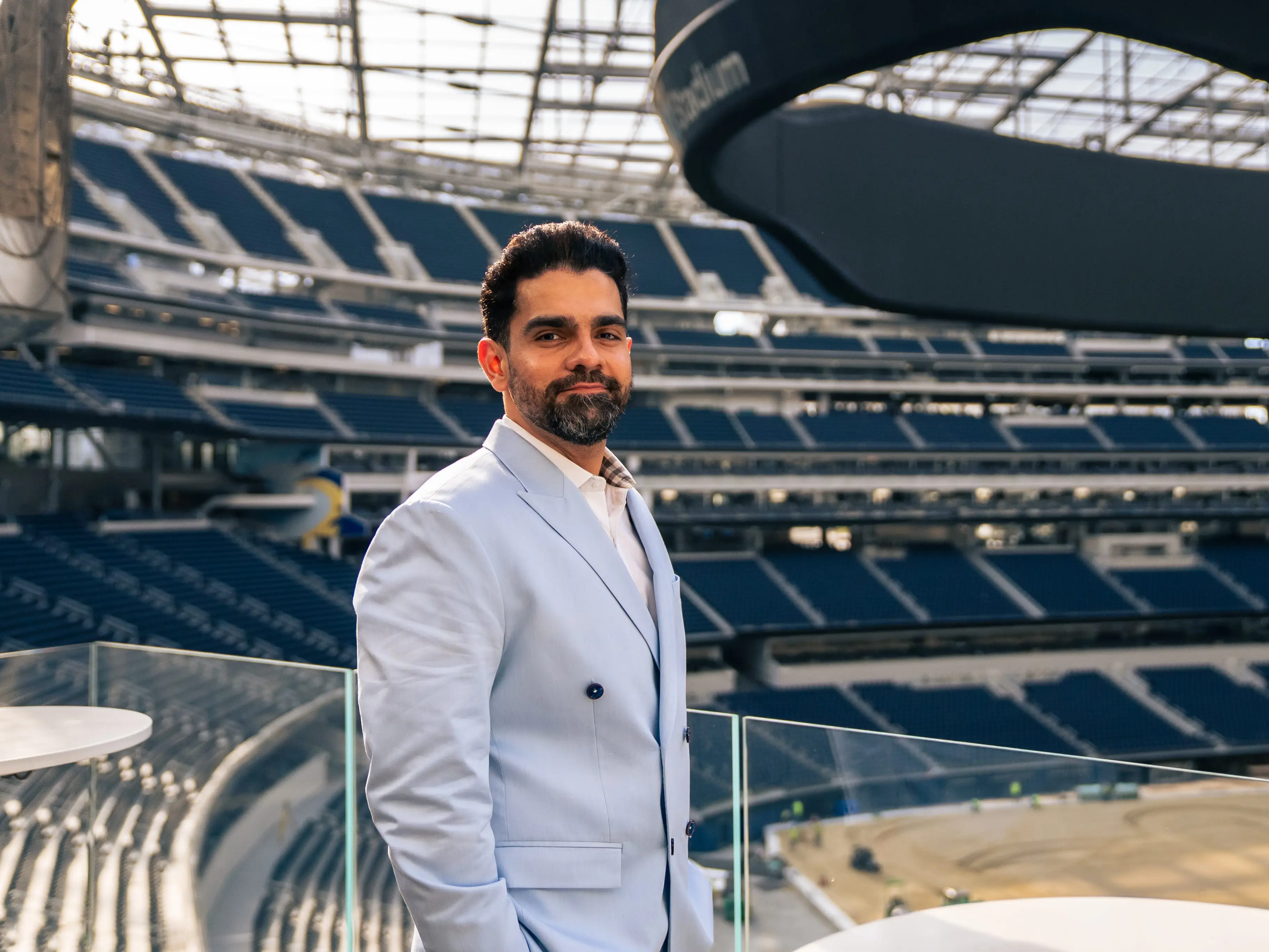
This as-told-to essay is based on a conversation with Hardik Jagda, 35, the CEO of Proximity Works, who lives in San Francisco. The following has been edited for length and clarity.
In 2017, I wanted to build my own company, but I couldn’t jump into it full-time because of my financial obligations at home.
Instead, I’d spend the mornings and evenings outside my full-time job working on my side projects. That time was foundational for building my company, Proxmity Works, which I launched in 2019. My aim was to help broadcasters scale their live sports streaming platforms worldwide. In 2020, we started building AI infrastructure for live sports.
Those years made me aware of how my body clock works. I read a lot of autobiographies from entrepreneurs and athletes to understand what allowed them to build what they achieved. I noticed athletes would talk about starting their day early to train and work, in time for rest and recovery throughout the day. I started modeling my days after this, waking up early so I could have four to five hours to build my company before work started. I still stick to this lifestyle now that I’m a full-time founder and CEO.
I want to structure my day to function like an Olympian
In the early stages of Proximity, I performed pretty much every role in the company. Today, I have a team of roughly 45 people, five in the US and the rest spread out globally. My cofounder is based in India.
After 7 a.m., my time isn’t mine anymore because I have requests coming in from employees in different time zones.
I like to start the day early, so I’m protecting the first three hours as time for myself. I usually wake up between 3 a.m. and 5 a.m. Between 3 and 6 a.m., I don’t touch my emails or look at messages.
I use these early hours to focus on strategic decisions. There was one point, roughly two years ago, when we had to interview a lot of engineers quickly for a new project. I sat down with my talent acquisition team and found a way to redesign our recruitment workflow to take place within 72 hours. That wouldn’t have been possible if I didn’t give myself the three-hour morning block.
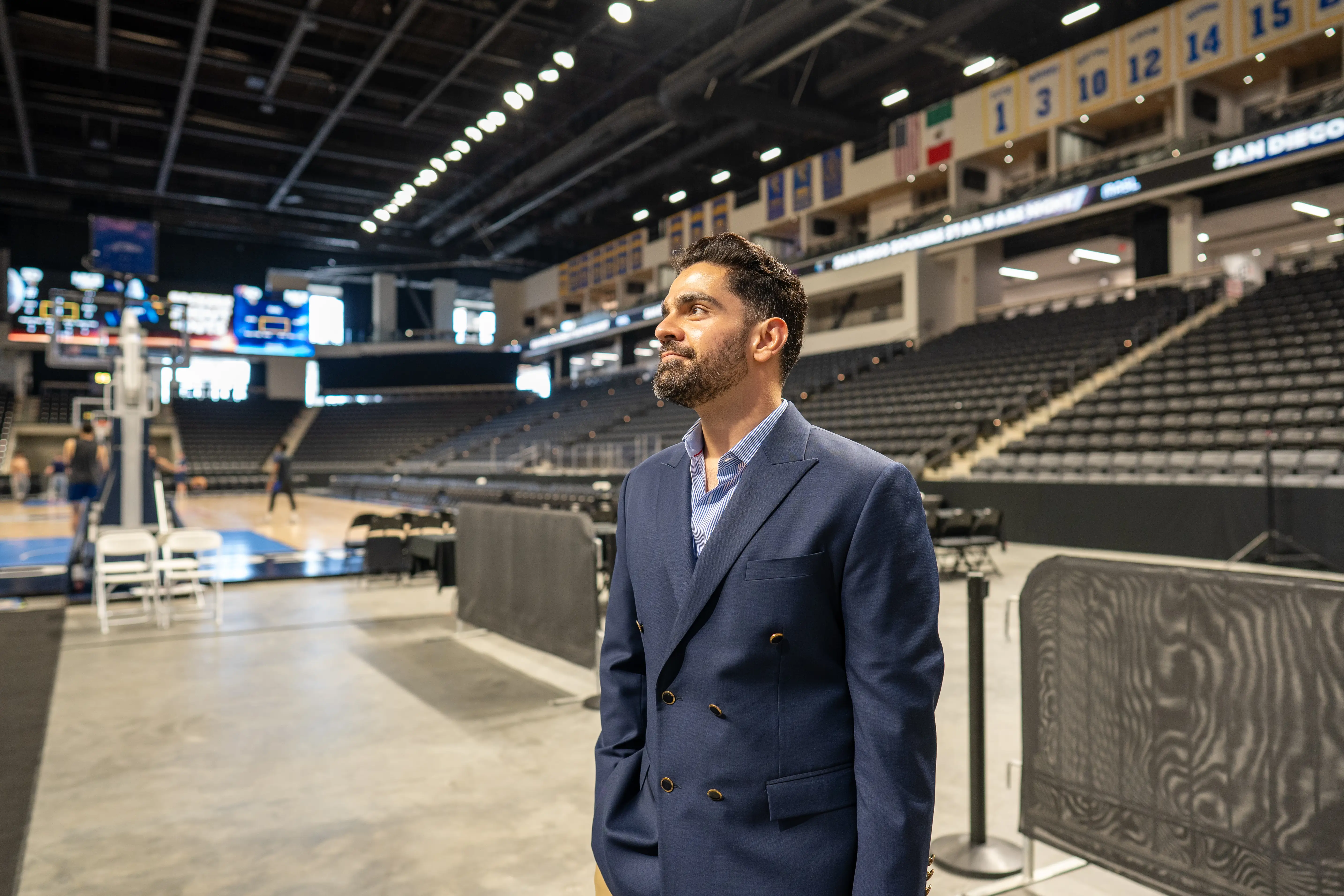
In the mornings, I work out and write my goals down. These are usually measurable and trackable goals for my company, as well as goals for myself and my fitness.
Most of my team calls don’t start before 7:30 or 8 a.m. I usually take my first couple of meetings at home before driving to the office. During the day, I try to minimize Zoom calls and take meetings as audio calls so I can move around during them. I try to wrap up my meetings by 2:30 p.m., work out at 3 p.m., and then focus on more creative tasks, like speech-writing, after that. I spend my evenings with loved ones before going to bed around 9 p.m. and trying to get seven hours of sleep.
It’s not like I start my day at 4 a.m. and just work through the next 12 hours. I build in slots for “recovery” throughout the day. On my calendar, I put in 15-minute slots before important meetings, where I remind myself of my goal for the call.
For the most part, I work six days a week, spending my Saturdays focusing on a key skill I want to develop, like public speaking.
‘996’ misses the point. I don’t run my team with this schedule in mind.
For the most part, I work six days a week.
I work more than 40 hours a week, but I don’t keep track of the time. I listen to my body.
We don’t keep track of how many hours the team works. It’s more about a culture of ownership, where people really care about the problem they’re working on.
Even though I’ve become a morning person, we’re fine with engineers who are more productive at night, as long as they maintain a five-to-six-hour overlap with the other engineers.
“996 culture,” working six days a week from 9 a.m. to 9 p.m., has gained traction in Silicon Valley. I think it misses the point. It’s more about volume than it is about structure. You want to structure your day towards putting in your best work by thinking about when you’ll spend time training, recovering, and learning new skills. I’d rather focus on the right structures than on volume.
Do you have a story to share about working in a 996 culture? Contact this reporter at [email protected]
Read the original article on Business Insider
The post I model my day off pro athletes. Here’s what that means for my schedule, my team’s, and my approach to 996 culture. appeared first on Business Insider.