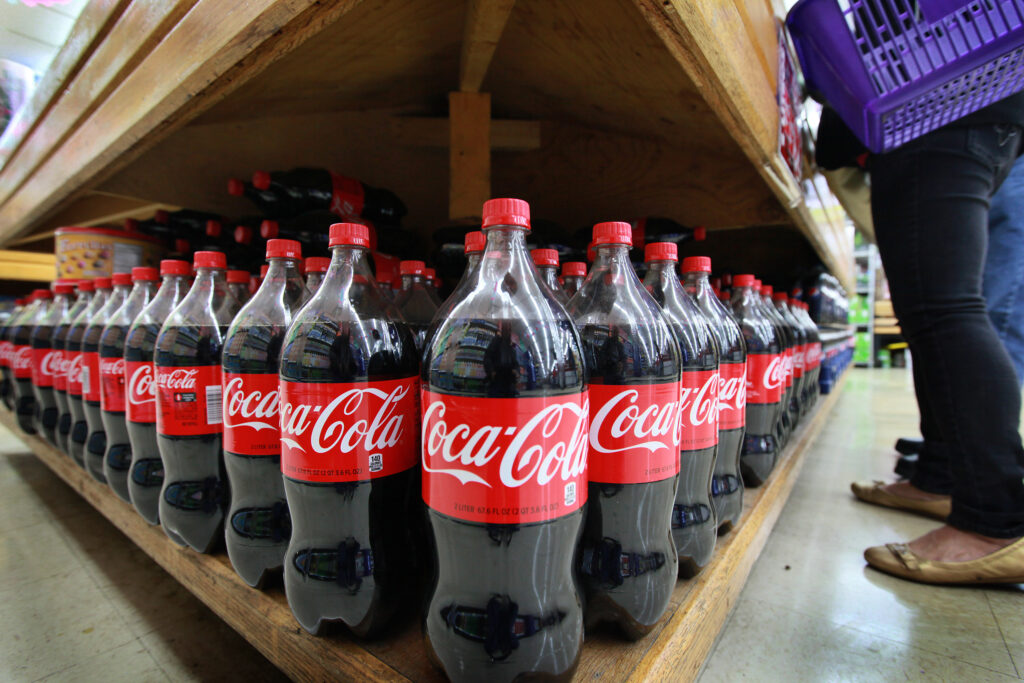
There are many reasons to criticize the Trump administration’s dismantling of social safety net programs, which has stripped essential health care and food assistance from millions of Americans. But one policy change deserves credit: The administration has finally allowed states to restrict people from using the Supplemental Nutrition Assistance Program to purchase soda.
New research shows that these restrictions are achieving their intended effect. They have reduced purchases of unhealthy sugary beverages and could save hundreds of millions of dollars annually in health care costs.
Proponents of the SNAP restrictions have argued for decades that a program with the word “nutrition” in its name should not subsidize purchases of sugary beverages that have no nutritional value and contribute to obesity, diabetes and other chronic diseases. Agriculture Department data from 2011 found that about 20 percent of SNAP benefits went to junk foods such as candy, chips and sugary drinks.
Such consumption drives poor health outcomes among SNAP recipients, who face disproportionately high rates of diet-related chronic diseases. Meanwhile, taxpayers effectively pay for it twice, first by subsidizing the purchases of unhealthy foods and then by covering the costs of treating diseases.
Reform efforts have long been hindered in part by arguments that restrictions wouldn’t work. SNAP benefits cover only a portion of most recipients’ grocery bills, so they already use their own money to make up the difference. SNAP funds are no longer accessed as paper food stamps but through electronic debit cards, meaning recipients are accustomed to using other payment methods for grocery store purchases that SNAP doesn’t cover, such as alcohol and hot prepared foods. If they can no longer use SNAP to buy soda, wouldn’t they just pay for it with cash or another card?
Not so, according to two recent analyses distributed by the National Bureau of Economic Research. Both working papers tracked household grocery purchases in 10 states that restricted SNAP benefits between January and April 2026 and compared them with purchases in states that did not adopt the policy. Although the researchers used different consumer databases, the findings were notably consistent: One study found that soda purchases fell by 13 percent, while another reported a 12.4 percent decline in purchases of restricted beverages. The latter translates to about 34 fewer 12-ounce cans of sweetened drinks per person per year.
“I was surprised by how large the effects are,” said Hunt Allcott, an economist at Stanford University who led that analysis. His co-author, Matthew Notowidigdo of the University of Chicago, theorized that recipients think of SNAP benefits as specifically intended for food. “People mentally account for these different types of money differently; that’s why these policies could in fact have an impact,” he said.
The findings weren’t all positive. In states that did not apply their restrictions to all sugary beverages, many consumers switched from soda to other products with similarly harmful health effects, such as energy and sports drinks. “The implication is that if the goal is to reduce sugar consumption, not just soda consumption, then you want the restrictions to be a broad set of sugary drinks,” Notowidigdo told me.
Nevertheless, the papers calculated significant health benefits if the restrictions were expanded nationwide. One of the studies projected the policies would prevent 33,000 new cases of Type 2 diabetes over 10 years and save taxpayers approximately $800 million annually in Medicaid, Medicare and other public health care costs.
Critics argue that the benefits could diminish over time if consumers return to their old purchasing habits, though it’s just as possible that people become accustomed to drinking less soda. Opponents also raise concerns about choice and dignity. Indeed, the studies found that SNAP recipients in states with restrictions felt more judged when using their benefits. But this stigma, too, may fade as recipients adjust to the new rules, as they have with existing restrictions on SNAP purchases.
It’s worth acknowledging that some policymakers may see making SNAP less appealing as a feature rather than a flaw. To be sure, the goal should be to improve nutrition, not to discourage people from using the program. Sadly, broader SNAP changes have already resulted in roughly 5 million people being disenrolled from the program, including more than 1 million children.
Disincentivizing unhealthy purchases is a good thing. Making it harder for families to afford food in the first place is not. It shouldn’t be so hard to understand that people who can’t afford enough to eat can’t choose to be healthy, either.
The post SNAP shouldn’t be paying for soda. These studies show why. appeared first on Washington Post.