The threat of Russian drones is keeping Ukrainian troops stuck near the front for longer stretches and forcing the military to think more about how it delivers medical care to soldiers who can’t easily leave.
For one Ukrainian military unit that specializes in front-line casualty evacuation, the lesson is that battlefield medicine now has to do more than stabilize the wounded and get them out.
Soldiers in combat areas for extended periods need access to outpatient care, diagnostics, specialist consultations, and treatment for both chronic and acute illnesses without being forced to leave the battlefield every time they need medical assistance, Ukraine’s 1st Separate Medical Battalion told Business Insider.
A battalion spokesperson, who spoke on the condition of anonymity for security reasons, said in translated remarks that modern combat medicine is developing in two main directions: using machines to replace troops and evacuate casualties wherever possible and pushing high-quality medical care closer to troops at the front.
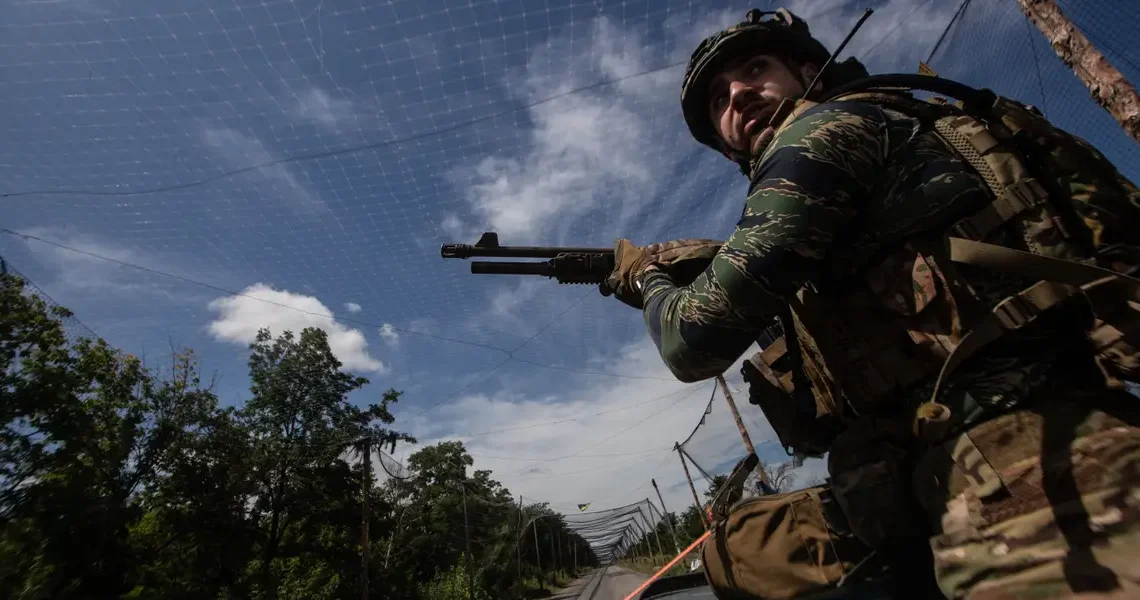
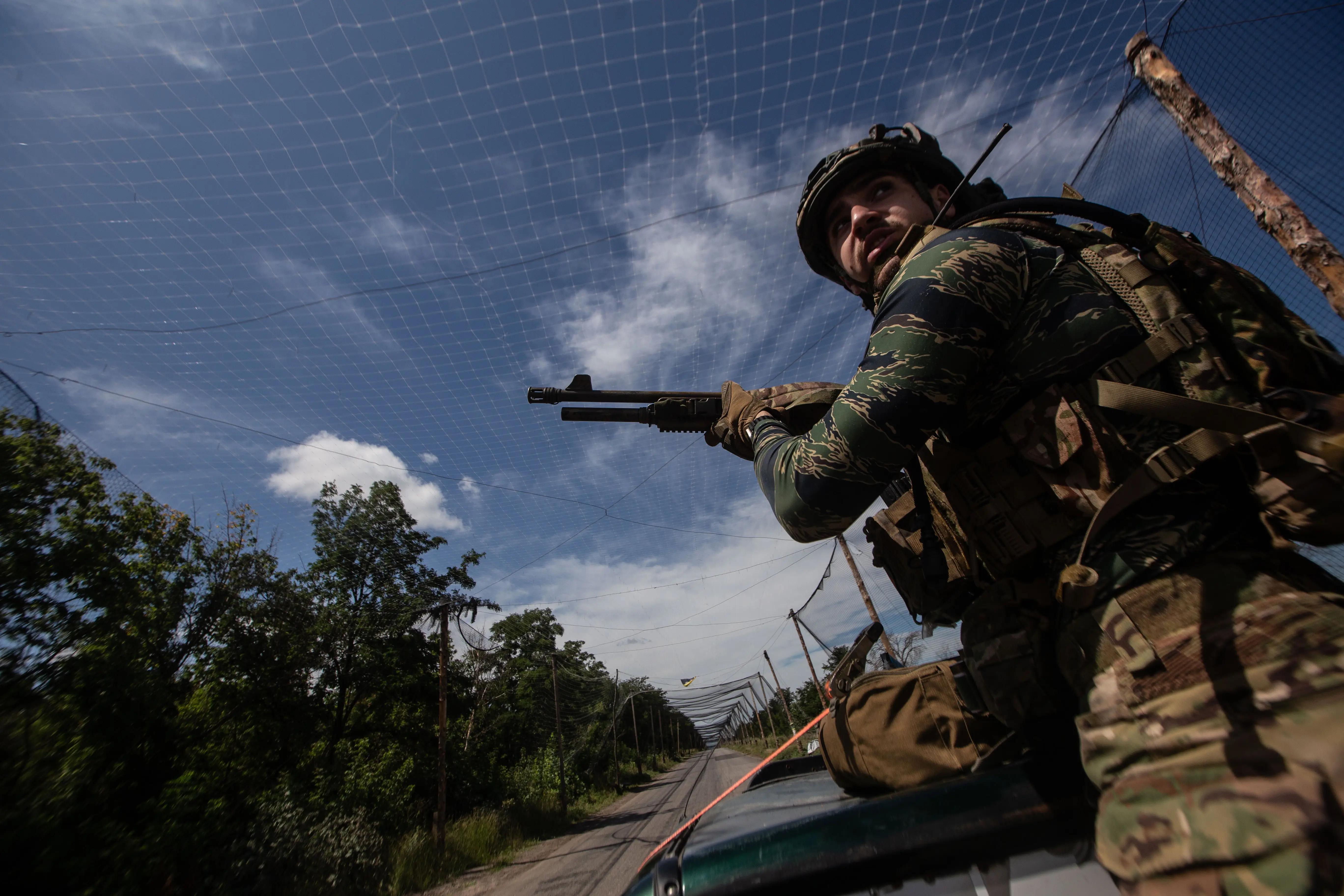
The front lines have evolved into what Ukrainian officials and soldiers describe as a “kill zone.” Drones are constantly watching and able to target anything that moves, including soldiers and armored vehicles, with precision. The aerial threat has made it difficult and time-consuming to move even short distances.
The kill zone varies in size, extending for miles on both sides of the line of contact, and Ukrainian officials and soldiers say it is expanding as more drones flood the battlefield.
The battalion spokesperson said the growing number of drones is forcing the unit to change its approach to casualty evacuation, stabilization sites, and forward surgical teams.
The unit must become more mobile and less visible, moving between locations faster, the spokesperson said.
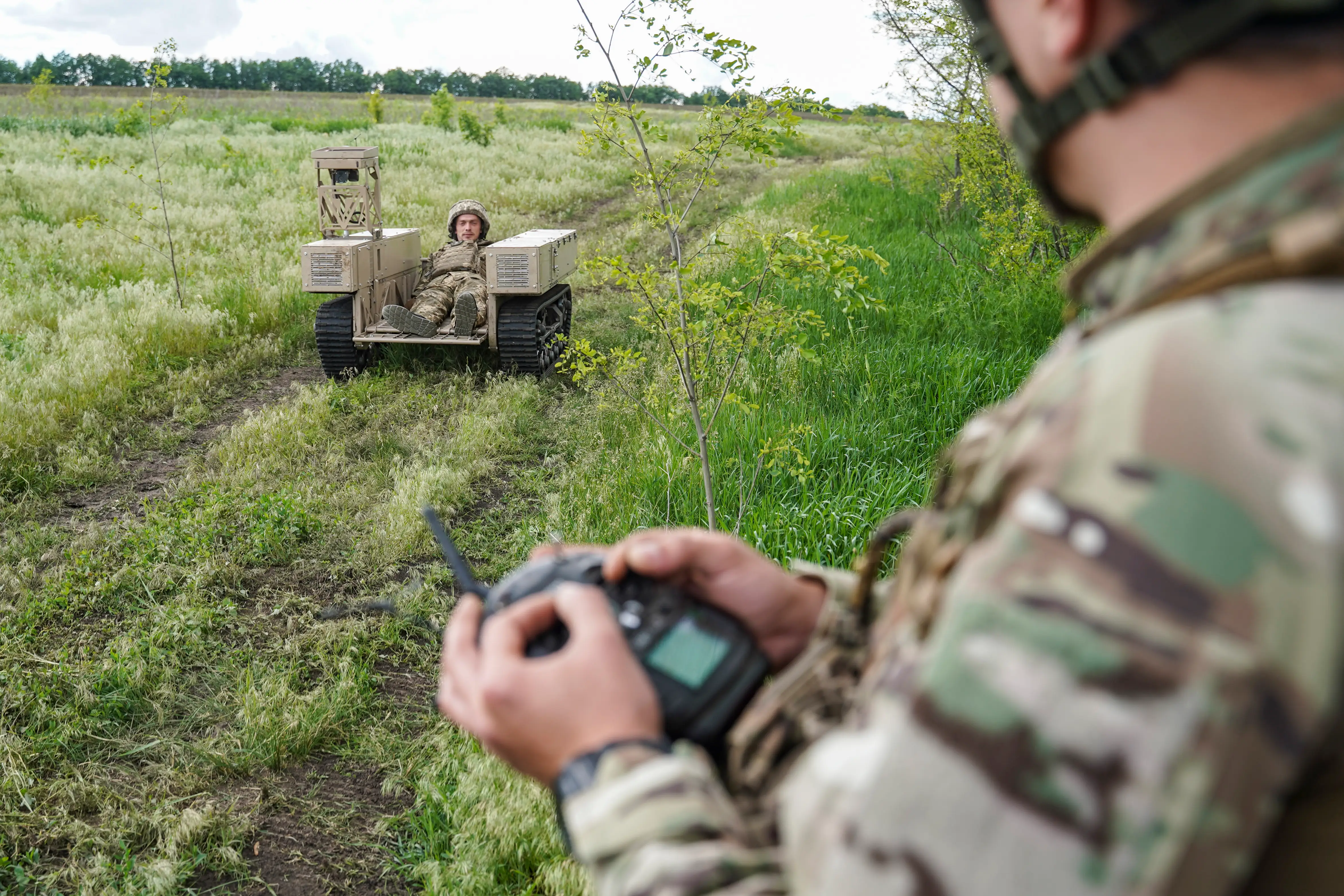
Ground robots, meanwhile, are increasingly being used for casualty evacuation, reflecting a growing trend across the Ukrainian military in which machines are replacing soldiers for dangerous missions such as logistics.
The battalion spokesperson said that access to sophisticated medical equipment is also critical, though the most advanced equipment is not always the most useful. Any system brought forward must be suitable for rugged, front-line conditions, meaning that it must be mobile, autonomous, easy to maintain, and have a sufficient support chain.
In some cases, a reliable, self-sufficient device may be more valuable to the unit than a more advanced system that isn’t designed for the battlefield, the spokesperson said.
More generally, heavy drone saturation in Ukraine has upended long-standing assumptions about combat casualty care.
Delayed casualty evacuation, for instance, stands in stark contrast to the model US and allied forces relied on in the post-9/11 wars, when US and coalition forces could leverage their air superiority to helicopter wounded soldiers to large, fully equipped bases.
Western military leaders are increasingly warning that they might not have these same advantages in a future war against a near-peer adversary such as Russia.
In Ukraine, drones have made it difficult to deliver medical care to wounded soldiers within the “golden hour,” the first 60 minutes after a severe injury, when rapid treatment can be critical to survival.
NATO is increasingly aware that it could face similar challenges and has looked to Western medical and defense industries for technology that could help save lives in a drone-infested environment.
Read the original article on Business Insider
The post Ukrainian troops can’t easily leave the front for medical care. They want more of it brought to them. appeared first on Business Insider.