
Math is hard. And, apparently, expensive.
On Tuesday, OpenAI said its agents had solved the Navier-Stokes equations, a 90-year-old set of mathematical formulas that can predict how liquids and gases move. It’s so complicated that the Clay Mathematics Institute has offered a $1 million prize to any mathematician who finds the solution.
OpenAI said that finding the solution required a lot of resources. Its coordinating AI agents sent 2.7 million messages while working on the proof. The effort involved about 10,000 concurrent agents and reached a resolution after 88 hours. Verification took another 17 hours.
Such intensive use of AI doesn’t come cheap. In a post on X, LisanBench, an LLM benchmark evaluator, estimated that the output tokens alone would cost about $6.5 million at OpenAI’s average consumer price. Including the far larger volume of input tokens, the post estimated the total could reach $10 million to $40 million.
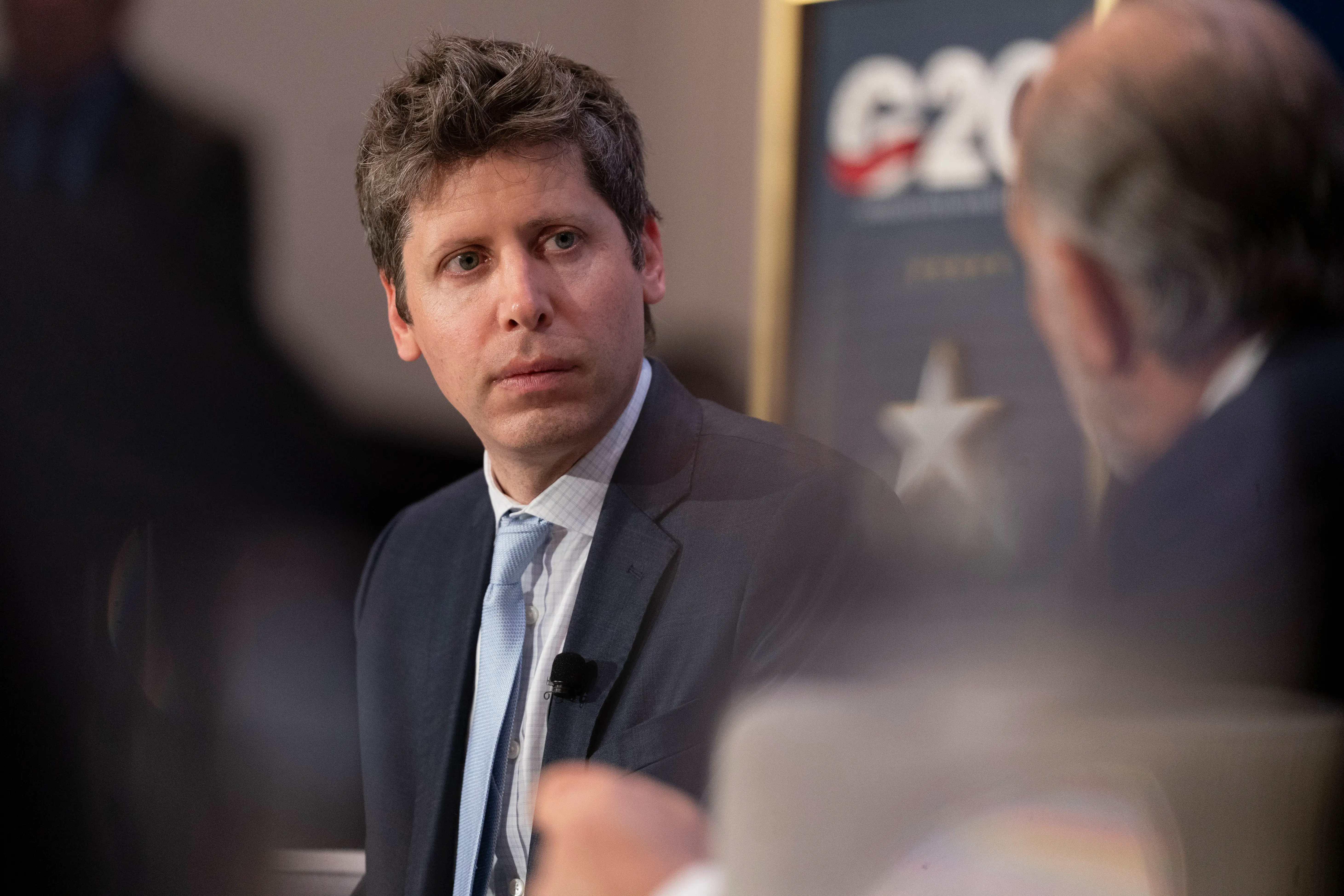
OpenAI CEO Sam Altman replied, joking that AI was a bubble.
ugh AI is such a bubble, i heard they are selling tokens at a loss, did they know this was only worth $1 million?
— Sam Altman (@sama) September 8, 2026
OpenAI’s announcement that it solved the age-old mathematics problem was celebrated within the AI industry. It’s also been widely criticized after two mathematicians — Tristan Buckmaster and Levent Alpöge — raised questions about how OpenAI used their related research data to train its models.
OpenAI denied direct access to their work, but said that it “cannot rule out that de-identified data derived from their usage of our products helped improve our models.”
The company didn’t immediately respond to a request for comment from Business Insider.
Read the original article on Business Insider
The post It took OpenAI’s agents 130 billion tokens to crack a 90-year-old math problem appeared first on Business Insider.