The bipartisan embrace of nuclear power in the United States, driven primarily by the spike in demand for reliable and clean energy, has been nothing short of remarkable. But the renaissance is more than an American phenomenon: It is happening across the globe, including in countries that soured on the technology years ago.
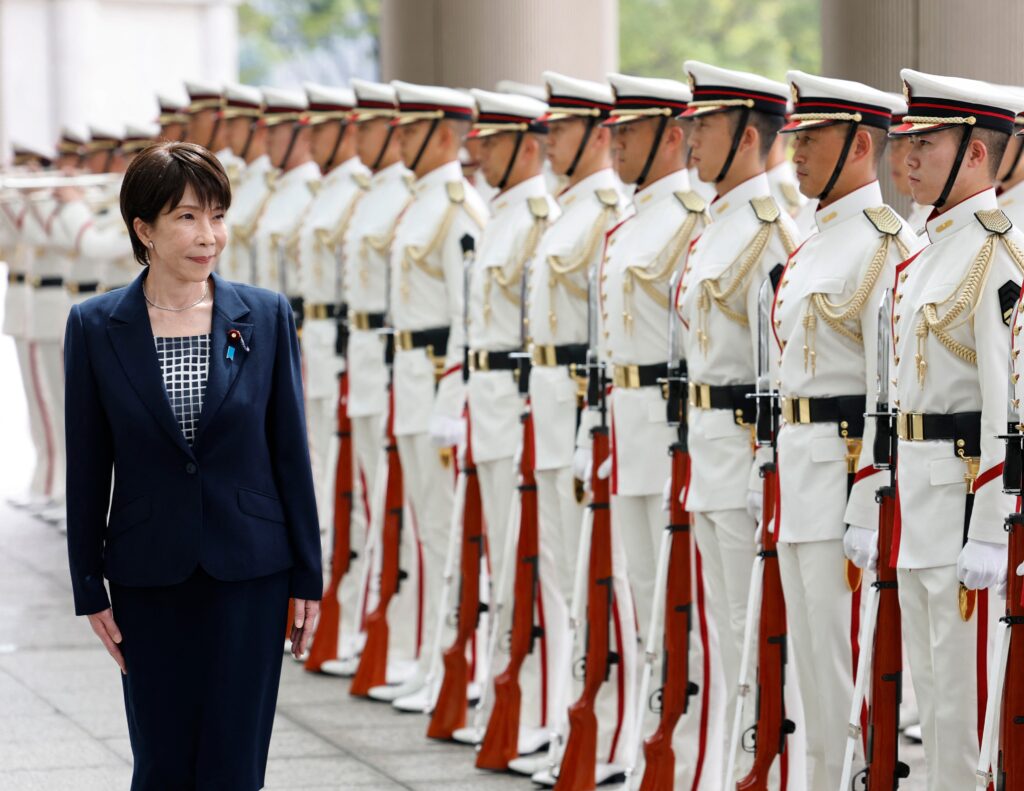
On Aug. 26, a council chaired by Japanese Prime Minister Sanae Takaichi adopted a policy package seeking “maximal use” of nuclear power. The plan was the culmination of a shift dating to 2022, when officials recognized nuclear as essential to achieving the island country’s carbon emissions goals. More recently, in light of rising oil prices caused by the Iran war, Takaichi emphasized the importance of nuclear power as an alternative energy source.
Those developments are particularly significant, given the 2011 meltdown at the Fukushima nuclear plant. That disaster, the result of a tsunami that breached the sea wall and knocked out the plant’s electrical power, quickly turned the public against nuclear power.
In Fukushima’s aftermath, the government temporarily shut down all of Japan’s 54 reactors, slashing total energy production by a third. In September 2012, Japan adopted a strategy to reduce its need for nuclear energy as well as fossil fuels.
The foreseeable energy crunch that followed has compelled the country to slowly reverse itself. As prime minister, Shinzo Abe established a regulatory body to improve safety, and by August 2015, Japan restarted its first reactor under the new rules. Meanwhile, opposition has gradually softened; last year, 42 percent of the Japanese public indicated support for continuing to use nuclear power, compared with 35 percent who didn’t.
Japan is far from alone. South Korea, which announced plans to phase out nuclear energy in 2017, reversed itself in 2022 and is now looking to build two new large reactors over the next decade and pursue smaller reactor technology.
In Europe, Italy’s lower house of Parliament approved a bill in June to reintroduce nuclear energy. The country began phasing it out after the 1986 Chernobyl accident, and polls following the Fukushima disaster indicated that 94 percent of Italian voters opposed construction of new reactors. Yet that opposition has rapidly melted away.
Similar stories can be found in Switzerland, where voters will soon vote on the government’s plan to lift a moratorium on new nuclear plants, and in Sweden, which shifted its energy strategy to welcome nuclear in 2023. Even Germany’s fierce resistance to the energy source is starting to soften; last year, Berlin abandoned its opposition to recognizing nuclear power as equivalent to renewables in European Union climate policy.
This transformation is partly due to the allure of advanced nuclear designs, which promise to produce less waste and use natural forces, such as gravity and convection, to automatically shut down reactors if something goes wrong. But the trend is also the result of necessity: As energy needs skyrocket, nations are finally realizing they cannot afford to shun any power source for ideological reasons.
The post The nuclear energy renaissance is a global phenomenon appeared first on Washington Post.