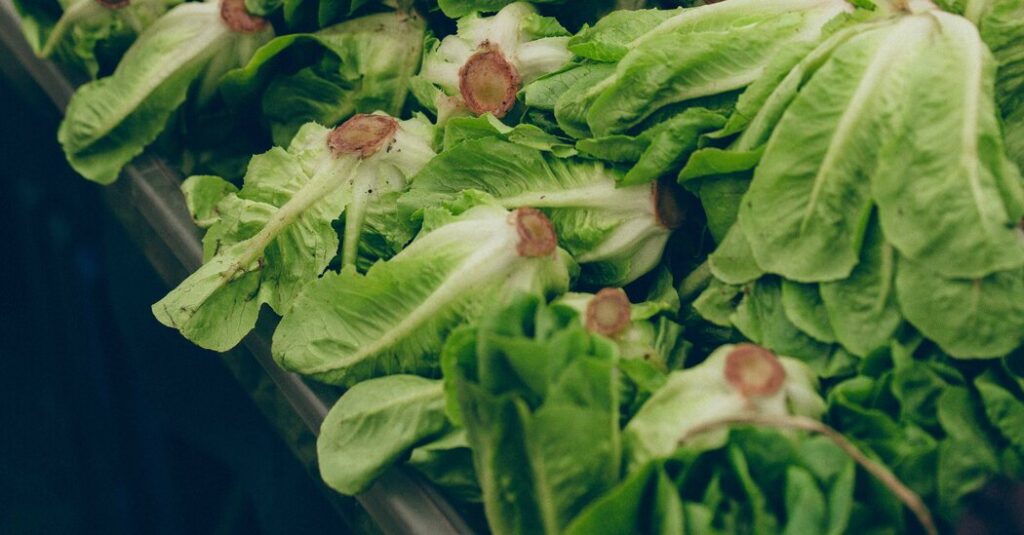
It has been a summer of food-borne illness in the United States. Since May 1, tens of thousands of people have been sickened by cyclospora after eating contaminated iceberg lettuce. And in August, a salmonella outbreak associated with jalapeños affected at least 345 people in 27 states.
In a CBS News poll conducted in late July, 40 percent of the nearly 2,200 U.S. adults surveyed said they were eating less produce because of the cyclospora outbreak, and almost half said they had little to no confidence in the Food and Drug Administration to address it.
Kyle Diamantas, the acting commissioner of the F.D.A., said in a CNBC segment on Monday that the food supply was safe and that “Americans should feel confident in eating fresh produce, including leafy greens.”
We asked experts to weigh in, and to clarify the risks of eating the various foods implicated in recent outbreaks.
Lettuce
Much of the cyclospora risk this summer has come from iceberg lettuce that was linked to an outbreak in 17 states and was grown in Mexico and supplied by Taylor Farms. Health officials have confirmed more than 9,400 cases in this outbreak, and about 400 hospitalizations and two deaths.
While cases are continuing to climb as officials confirm and report older cases, there are some signs that the worst of the outbreak is behind us, said Daniel Weinberger, a professor of epidemiology at the Yale School of Public Health. Fewer cyclospora tests are coming back positive nationwide, he said, and fewer people are visiting doctors for diarrhea.
“Nothing in life is risk-free,” Dr. Weinberger said, but we may be back to a normal level of risk when it comes to eating lettuce and other leafy greens. “I feel comfortable eating my salad,” he said.
Donald Schaffner, chair of the department of food science at Rutgers University, said that because the affected lettuce was out of the food supply by now, it’s probably safe to resume eating lettuce, including from bagged salads, restaurants and cafeterias.
“I think the risk from iceberg lettuce has largely passed,” he said, “and it’s been passed for weeks now.”
Berries, Herbs and Other Summer Produce
Before health officials identified iceberg lettuce as the main culprit in the cyclospora outbreak, many experts recommended caution around summer produce linked to past outbreaks of the parasite, including raspberries, cilantro, parsley, basil, snow peas and snap peas.
In July, health officials in North Carolina said that many of the people sickened with cyclospora in that state had reported eating cilantro and parsley before they became ill. But on Aug. 11, the North Carolina health department said in a statement that the number of new cases there had declined, “suggesting that the most common sources of exposure have already passed through the food chain.”
There is no evidence that berries, herbs or other summer produce are making people ill, Dr. Schaffner said, so it’s safe to continue eating those foods.
The F.D.A. is currently investigating three additional and ongoing cyclospora outbreaks — the largest of which has 172 cases. The agency has not identified the source or location of those outbreaks, so it’s possible that health officials will recommend avoiding new foods in the future.
That said, the risk of contracting cyclospora from one of those smaller outbreaks or other produce is relatively low, said Ellen Shumaker, a food safety extension specialist at North Carolina State University. It’s normal for cyclospora cases to rise in the summer, when warmer temperatures allow the parasite to grow, she said.
If you are in a vulnerable group — including young children, older adults and those who are pregnant or immunocompromised — you may want to take special care, such as cooking produce rather than eating it raw, she said.
Jalapeños
On Aug. 5, federal health officials announced a salmonella outbreak linked to jalapeños grown in Sinaloa, Mexico, and distributed by Coast Citrus Distributors. Of 191 people interviewed as part of the outbreak, the F.D.A. reported, 93 percent said they ate at Mexican-style restaurants, including Chipotle and Qdoba, before getting sick. The agency said that as of late July, those chains were no longer serving the affected jalapeños and that it was safe to eat at those establishments.
Dozens of prepackaged foods containing potentially affected jalapeños — including salsa, guacamole, pico de gallo and diced jalapeño products, as well as some prepared burritos and sandwiches — have been recalled at Whole Foods, Hannaford, Kroger, Stop & Shop, Target, Trader Joe’s and Walmart locations in various states. Many of those products were sold to stores by Taylor Farms.
If you purchased any of those items, health officials advise that you toss them or return them for a refund. All recalled products have “best if used by” dates through Aug. 16.
Health officials have not said that whole jalapeños sold to grocery stores have been implicated in the outbreak, Dr. Schaffner said.
The Bottom Line
The “vast majority” of produce sold in the United States is safe to eat, Dr. Shumaker said, and the benefits of consuming fruits and vegetables far outweigh the risks.
Still, even if the worst of the cyclospora and salmonella outbreaks is behind us, there is always a risk of consuming contaminated food — whether it’s from a grocery store or a restaurant, said Barbara Kowalcyk, director of the Institute for Food Safety and Nutrition Security at George Washington University. “I can’t say that next week we won’t see another outbreak,” she said.
Dr. Kowalcyk said she was concerned that the size of the cyclospora outbreak may indicate that our food system is becoming more vulnerable to safety issues. Funding cuts and staffing losses at federal and state health agencies, for instance, have meant that they may be slower to respond to outbreaks and trace their causes, she said.
There aren’t clear answers on how to manage the risk of food-borne illnesses going forward, Dr. Kowalcyk said. Everyone has different tolerance levels, she said.
One of the best things you can do is to stay vigilant about food recalls, Dr. Schaffner said. A good way to do that is to sign up for alerts on the F.D.A.’s website.
The post So Are We Eating Lettuce Again? appeared first on New York Times.