President Donald Trump said Wednesday he thinks the Iran ceasefire is “over.” Throughout it, there’s been a lot of shooting, and more strikes may be on the way.
The violence was not constant, but it never fully disappeared. During what was supposed to be a pause in the fighting while a deal was made, Iran attacked US forces, Gulf states, and commercial shipping, and the US military responded with its own strikes while, for a period, also executing a blockade of Iranian ports.
During a news conference at the NATO summit in Turkey, Trump expressed frustration with Iran and threatened further military action. “I don’t want to deal with them anymore,” he said. “As far as I’m concerned, it’s over.” Trump added that the US will “very probably” attack Iran on Wednesday evening.
Oil prices surged on the news after having earlier returned to pre-war levels.
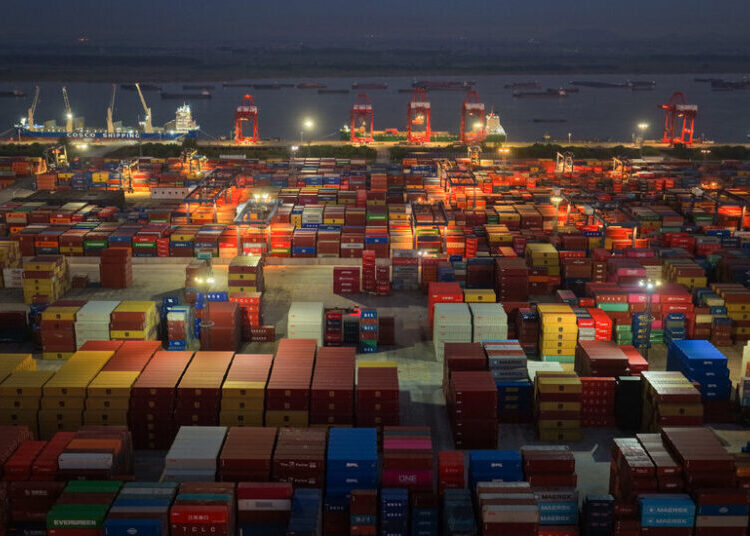
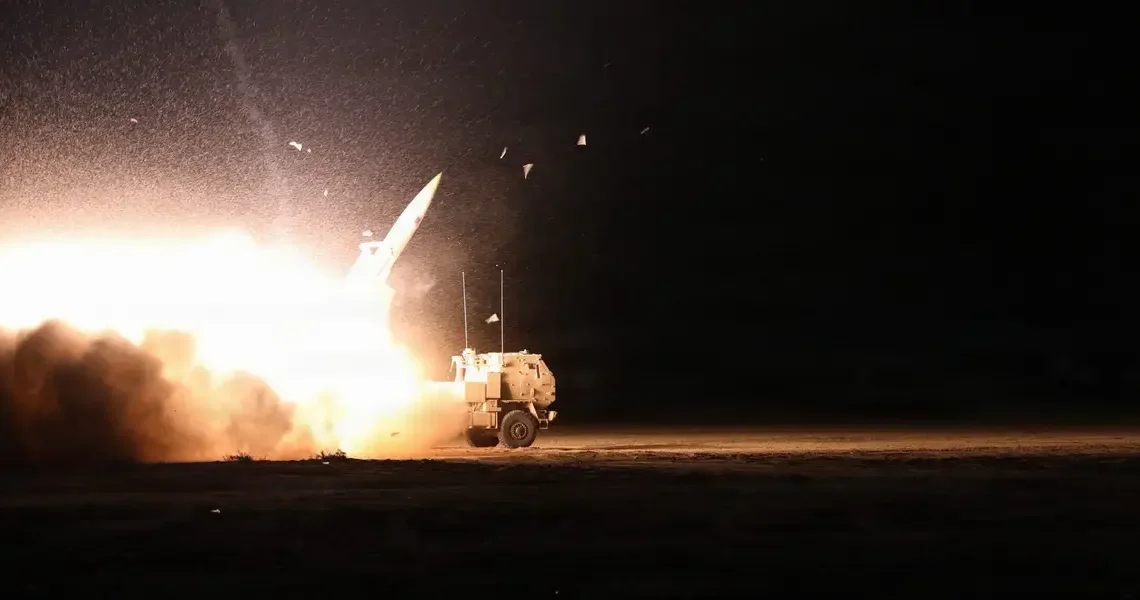
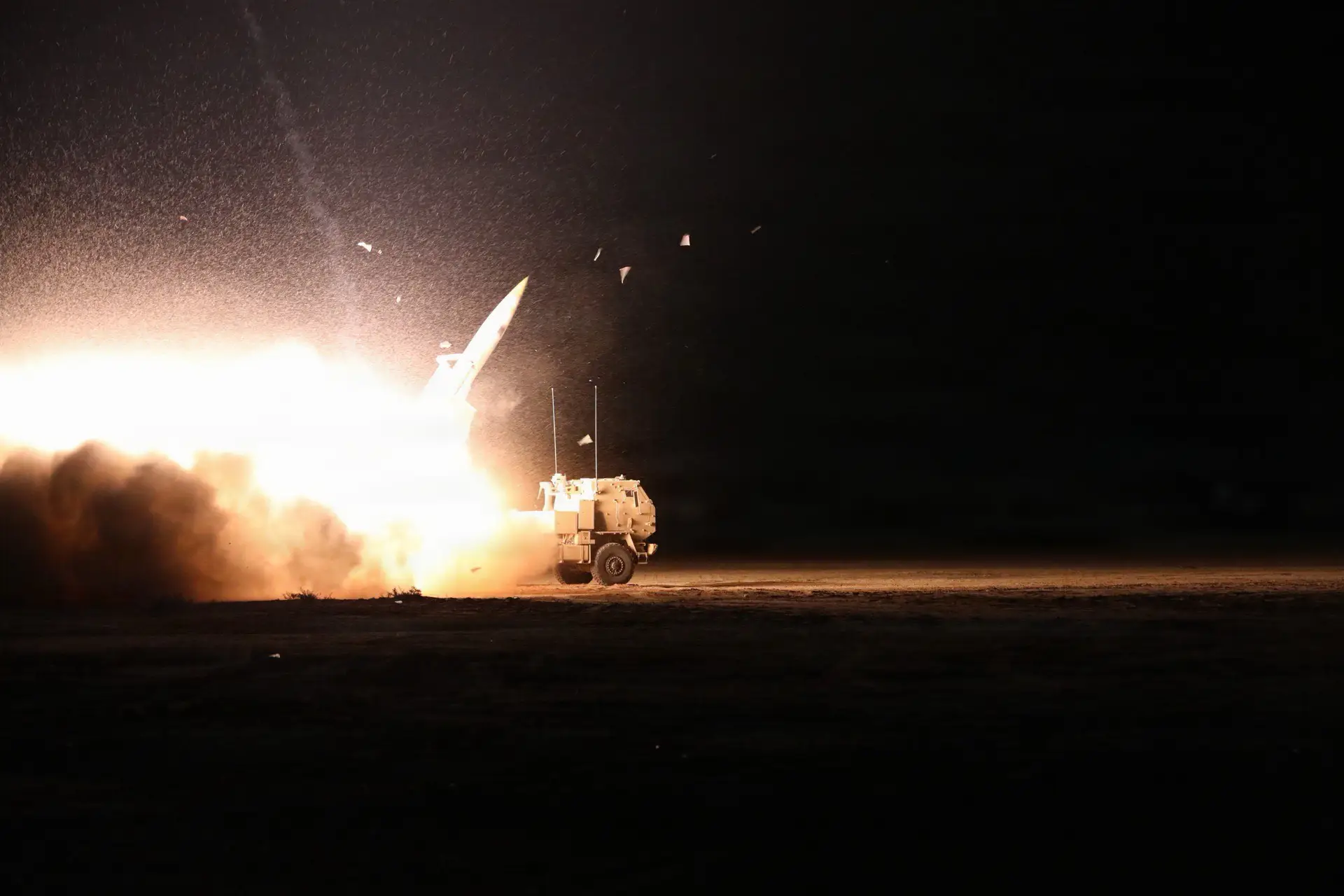
The night before the president’s decision, the US said it conducted a “series of powerful strikes” against Iran in retaliation for Tehran attacking three commercial vessels in the Strait of Hormuz on Tuesday. US Central Command said American forces hit more than 80 Iranian targets, including air defense systems, command and control networks, and anti-ship missiles around the strait. They also struck over 60 Iranian Revolutionary Guard small boats.
The strikes, CENTCOM said, were meant “to impose heavy costs for targeting and attacking commercial shipping crewed by innocent civilians in an international waterway.”
It added that Iran’s attacks on civilian shipping were a violation of the US-Iran ceasefire. Trump expressed a similar sentiment at the NATO summit, accusing Iran of violating the agreement “every day.”
The US and Iran agreed to a two-week ceasefire in early April. Since then, the truce has been less of a ceasefire and more of a managed low-intensity conflict that has repeatedly threatened to escalate. Operation Epic Fury concluded, but the US military has remained active.
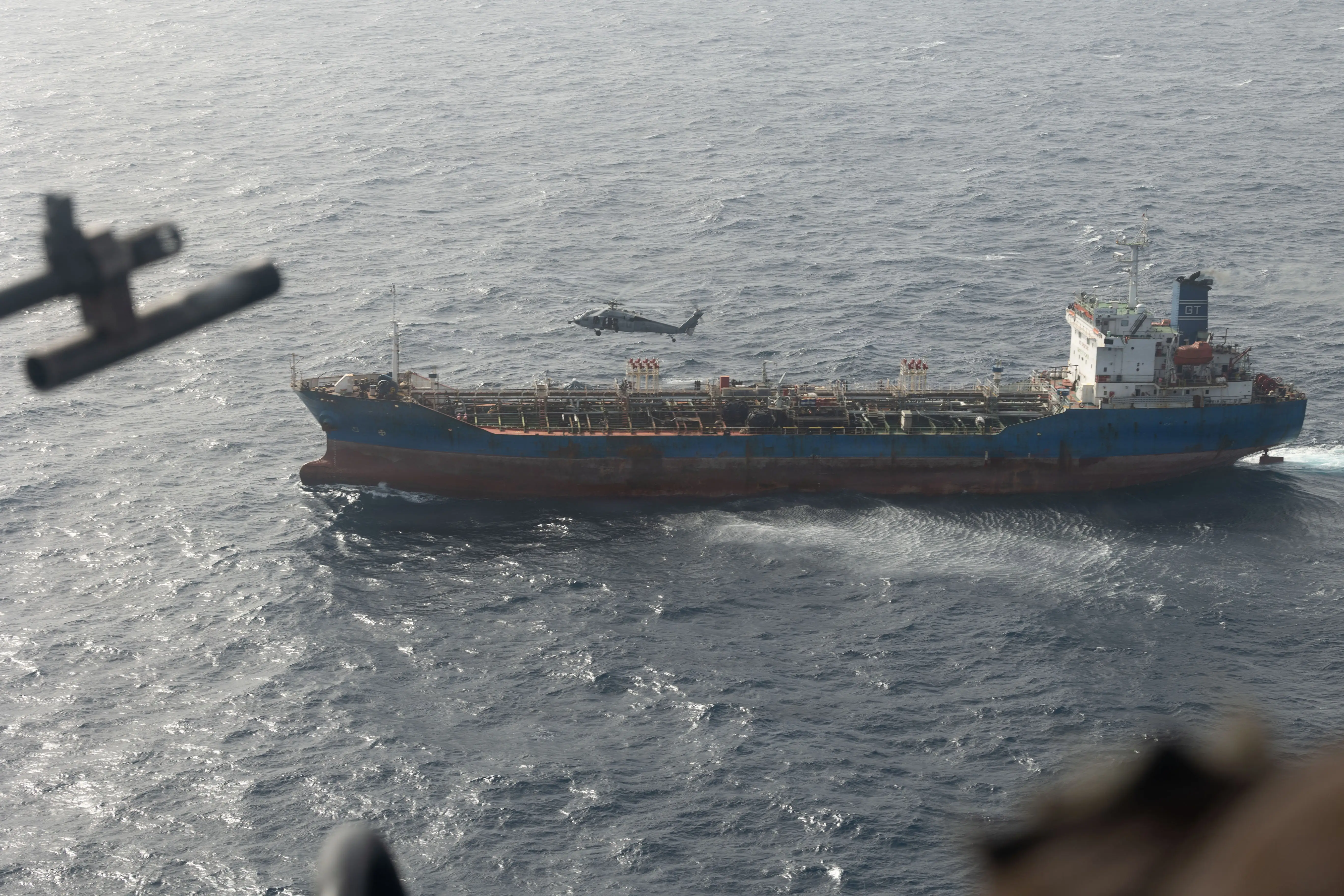
After the ceasefire went into effect, the US Navy said it was clearing mines in the Strait of Hormuz and had established a blockade of Iranian ports. Over the following weeks, the US military used force to disable multiple Iranian-flagged vessels accused of running the blockade. These blockade-related engagements involved the use of guns, precision munitions, and Hellfire missiles.
In early May, Iran launched missiles, drones, and small boats at US destroyers in the strait. US forces responded by destroying the threats and launching strikes on launch sites, command-and-control centers, and reconnaissance nodes.
Toward the end of May, Iran lobbed missiles at US Gulf state allies, sent attack drones into the Strait of Hormuz, and also downed an American MQ-1 Predator drone the US said was operating in international airspace. Central Command said US fighter aircraft responded to the latter incident by knocking out Iranian air defenses, a ground control station, and one-way attack drones that posed a threat to ships sailing in regional waters.
Incidents such as these continued on into June, with Iran launching missiles and drones toward US forces in the Middle East, international commercial shipping vessels in the Strait of Hormuz, and US-allied Gulf states. CENTCOM continually responded, intercepting the threats and striking Iranian facilities. Military action was characterized as defensive.
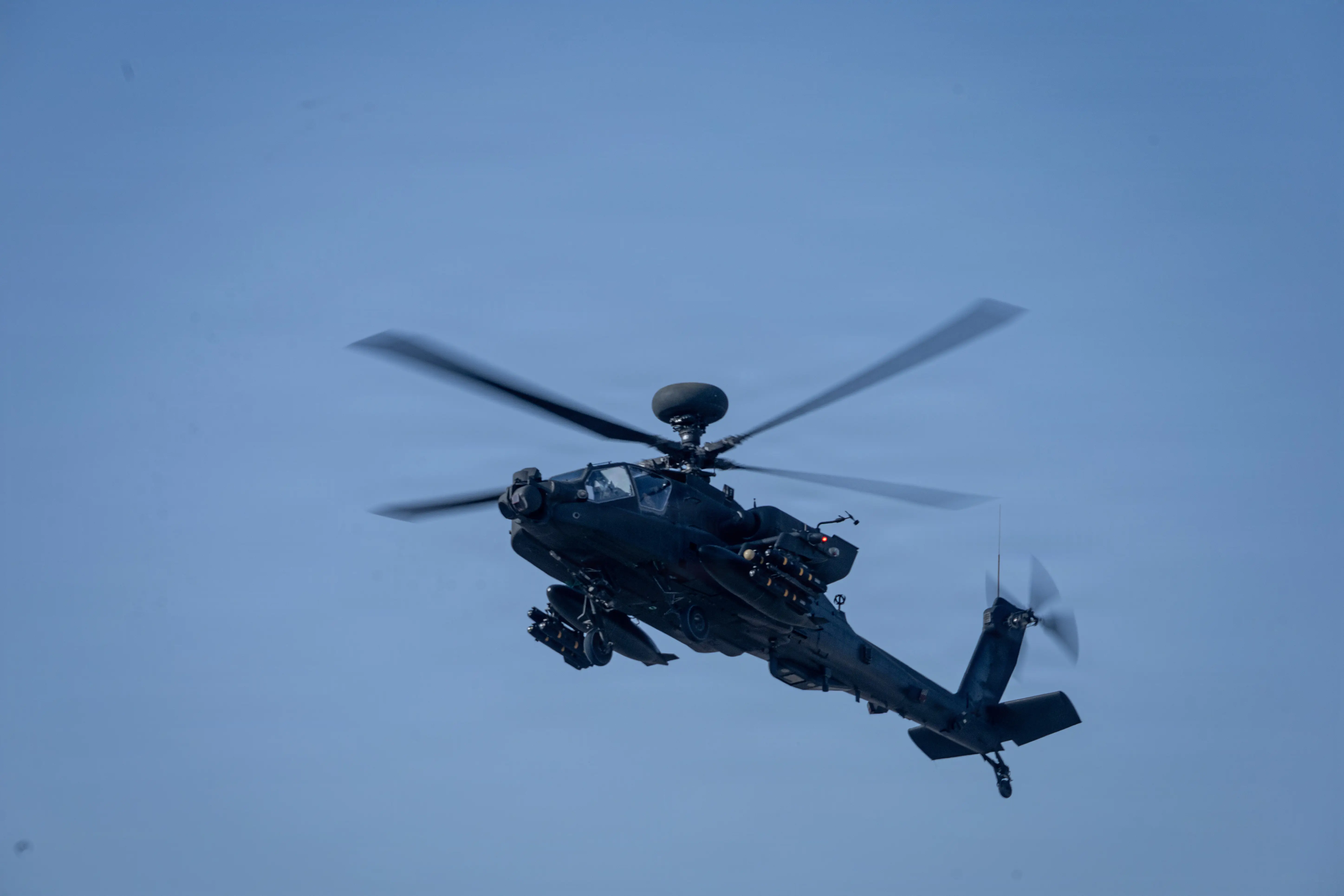
In early June, CENTCOM said that American forces had rescued the crew of a US AH-64 Apache helicopter after it went down while patrolling regional waters. Later, Trump said Iran shot down an Apache while it was patrolling near the Strait of Hormuz and vowed US retaliation. In response, the US again struck Iranian targets, specifically air defenses, ground-control stations, and a surveillance radar.
A day later, more US combat assets hammered surveillance, communications, and air defense targets across Iran.
Earlier in the month, Trump had noted the exchanges of fire happening during the ceasefire. “It’s a different part of the world, you know,” he said. “I’d say in that part, a ceasefire is when you’re shooting in a more moderate manner.”
Tensions between the US and Iran eased briefly with a mid-June memorandum of understanding, the conclusion of the US blockade, and a promise by Iran to again open the Strait of Hormuz. Disagreements over interpretation of the document, however, led to more violent engagements.
In late June, Iran launched multiple attacks on commercial shipping, leading the US to respond with retaliatory strikes.
Through the ups and downs, Trump has repeatedly said he believes Iran wants to make a deal, but at the NATO summit this week, Trump said that it was “a waste of time” dealing with the Iranian side and questioned whether a deal could be reached.
The US has maintained that its primary goal in its negotiations with Iran is to ensure Tehran cannot build a nuclear weapon.
“They will never build a nuclear weapon under our deal, but I don’t know if we’re going to have a deal,” Trump said at the summit, adding that “we may just do it without a deal because you know what, it’s easier.”
Read the original article on Business Insider
The post Trump says the Iran ceasefire is finished. Both sides have been trading fire throughout. appeared first on Business Insider.