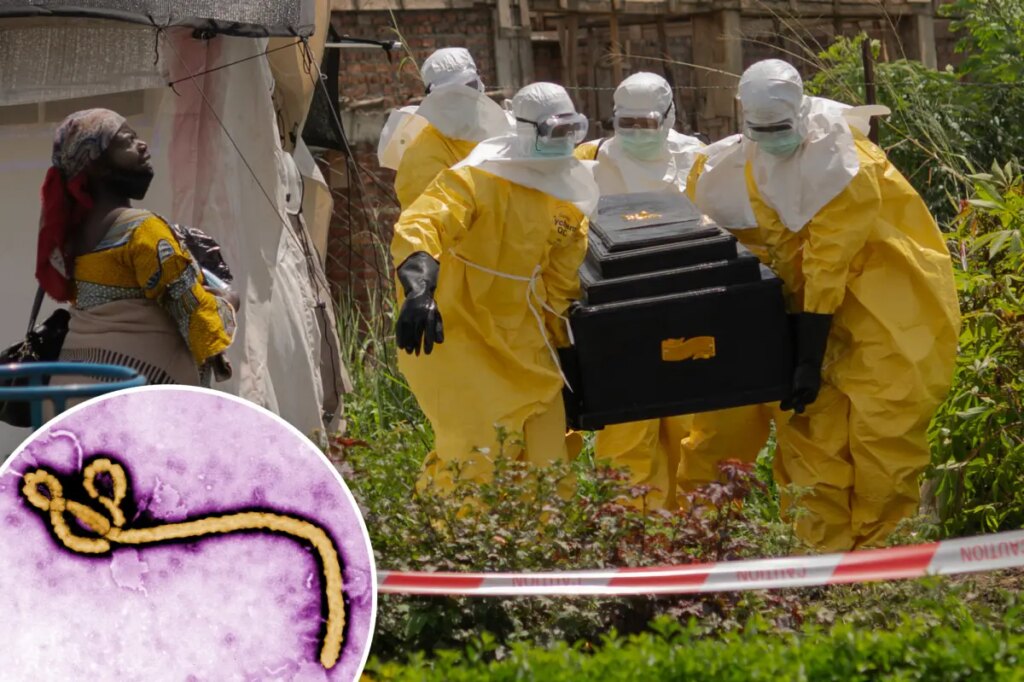
The ongoing Ebola outbreak in Congo’s Ituri province has nearly 600 suspected cases and over 100 deaths, with several Americans exposed to the highly contagious disease.
One US citizen is confirmed to have contracted the virus and is being treated at a Berlin hospital, although he is not critically ill and his family has tested negative.
This particular outbreak has been of growing concern as it’s been linked to the Bundibugyo variant, a less common strain that has a high death rate.
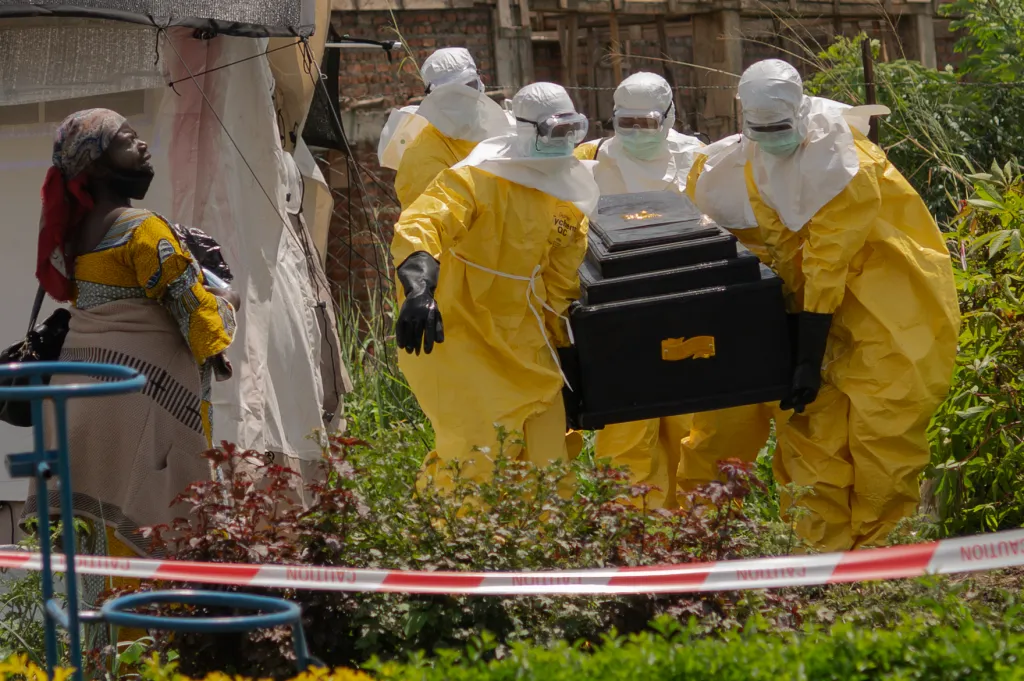
Only two previous outbreaks have been caused by this strain, with the last being in 2012 in the Congo, with 57 cases and 29 deaths reported.
Global alarm has been building since the World Health Organization (WHO) declared a public health emergency of international concern.
While there are currently no outbreak-related cases in the US and the overall risk to the American public still remains low, here’s everything to know about the rare strain.
What is the Ebola Bundibugyo variant?
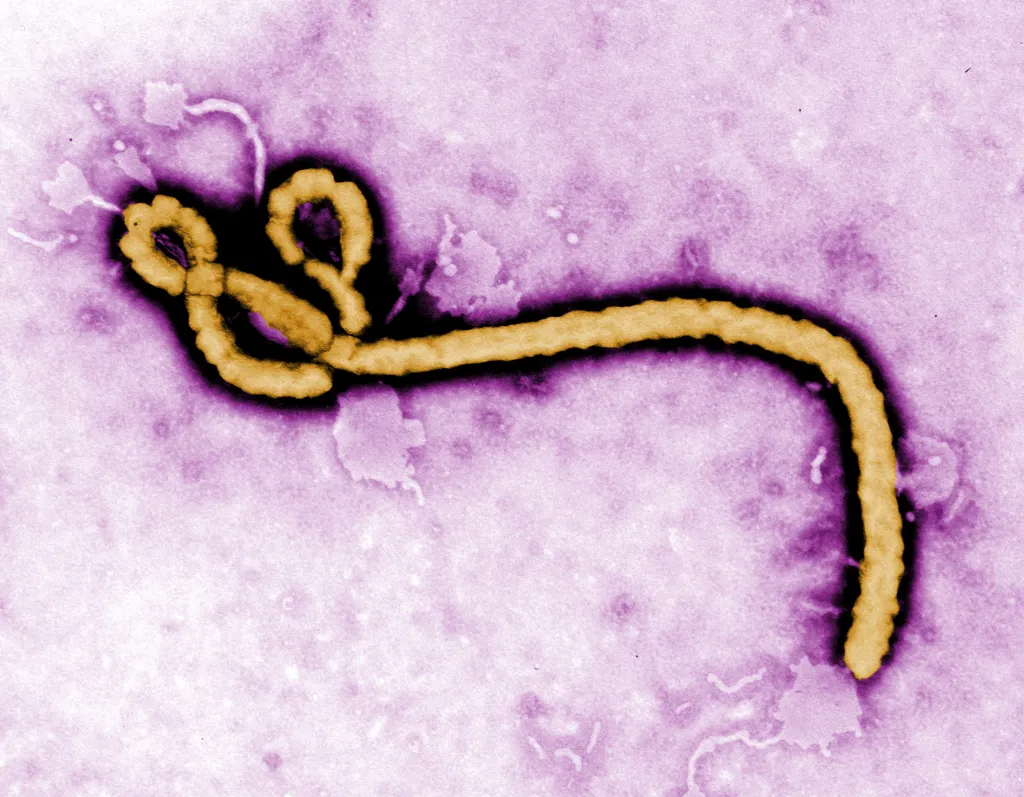
A rare but fatal disease, Ebola can be caused by a group of viruses called orthoebolaviruses found primarily in sub-Saharan Africa.
There are four strains of the virus:
- Bundibugyo ebolavirus
- Zaire ebolavirus (also just called Ebola)
- Sudan ebolavirus
- Taï Forest ebolavirus
The current outbreak is caused by the rarer Bundibugyo virus, which has death rates ranging from 30% to 50%. While extremely deadly, it actually has a lower death rate than the Sudan virus (40 to 65%) and Zaire ebolavirus (60% to 90%)
While many previous Ebola outbreaks were caused by the Ebola (or Zaire) variant, the Bundibugyo one is of high concern because of a lack of vaccines and treatments.
How contagious is the Ebola Bundibugyo variant?
All Ebola virus strains are highly infectious if there is exposure, and their ability to spread is about the same — but they don’t spread easily in everyday situations.
The virus is spread from animal to animal (fruit bats are thought to be the source of the Ebola virus) by contact with body fluids or items contaminated by fluids.
While rare, it can transfer to humans by way of a spillover event, or when an infected animal — primarily bats, primates or forest antelopes — spreads the virus to a person.
Once a human is infected, the disease can be spread to other people via broken skin or mucous membranes in the eyes, nose or mouth that come into contact with blood, bodily fluids or objects contaminated with infected fluids.
The virus starts spreading when someone begins showing symptoms, but it can still be transmitted even after they go away.
While scientists are still determining if they can become infected with a different virus strain, some survivors of Ebola develop antibodies that last up to 10 years and may provide protection.
What are the symptoms?
The symptoms of Ebola are similar regardless of the viral strain, although some may vary in severity and fatality rates.
Symptoms typically progress first through an early “dry” phase in the first eight to 10 days.
- Fever
- Joint and muscle aches and pains
- Severe headache
- Sore throat
- Fatigue
These can then progress to a “wet” phase.
- Loss of appetite
- Nausea
- Diarrhea
- Vomiting
- Unexplained bleeding
Could Ebola spread to the US?
While the WHO declared the outbreak a public health emergency of international concern, the risk of the virus spreading globally is low.
Some US states have experience with different strains of the virus, as more than 100 people in Texas were monitored for Ebola back in 2014.
The crisis taught North Texas hospitals how to put protocols in place to screen patients for the virus early on, according to Dr. Jade Le, chief of infectious disease with Access TeleCare.
These protocols are especially important with the World Cup just weeks away.
“The major cities in the United States that are going to be hosting FIFA tournaments… are preparing, and they have been for many months, for the import of infections such as Ebola, Marburg, Hantavirus, etc.,” Le told CBS News.
“They have control centers,” he added. “They’re working with public health departments, hospitals, emergency providers, to be on the lookout and to be aware of these things.”
However, the speed and scale of growing cases are still of concern at national and regional levels, with former CDC director Robert Redfield warning it could potentially become “a very significant pandemic.”
Dr. Neil Vora, an epidemiologist, called the recent spread of the Ebola virus in several African countries a very serious situation, but feels it will have a promising outcome.
“This outbreak will get worse before it gets better,” Vora told The Hill. “It’s an extremely precarious situation, but I’m confident that with application of good public health measures, over time this will come under control.”
The CDC and DHS have implemented travel health notices for Uganda and the Democratic Republic of Congo on Monday to prevent the disease from entering the US.
Currently, only three US airports — Houston’s Bush Airport, Virginia’s Dulles International Airport and Atlanta’s Hartsfield-Jackson Airport — are authorized to screen passengers entering the United States from some African countries.
Is there a cure for Ebola?
Only one strain — the Ebola virus, species Orthoebolavirus zairense — has a safe, FDA-approved vaccine for Ebola called ERVEBO.
There is currently no approved vaccine or treatment for the Bundibugyo virus.
However, there are two antibody treatments approved by the FDA: Inmazeb and Ebanga, which fight off the infection while the body builds back its immune defenses.
These are combined with fluid and electrolyte replacement through an IV, supplemental oxygen and blood pressure medications.
Discussions are ongoing at the WHO for possible treatments for the current strain, including vaccines that have shown varying ability to protect monkeys from Bundibugyo.
The post What is the deadly Ebola Bundibugyo variant — and do Americans need to worry about it coming to the US? appeared first on New York Post.