Being wealthy in America has long come with the expectation to keep it a little bit secret. The nouveau riche may commit the faux pas of conspicuous consumption, but the real money — often code for old money — knows not to commit such sins. If anything, it’s their decorum that betrays their status.
No longer. These days, things among the rich and famous are looking decidedly more uncouth. Jeff Bezos and Lauren Sánchez glommed onto the Met Gala. President Donald Trump is building a lavish, $400 million White House ballroom and adorning the Oval Office in floor-to-ceiling gold plating. The point of “Mar-a-Lago face” is that people can tell you’ve had work done. Everywhere you look, aesthetic preferences are turning loud and gaudy, whether it be the Masters tournament taking a Barstool Sports-esque turn or young guns on Wall Street showing off their watches in glossy magazine features.
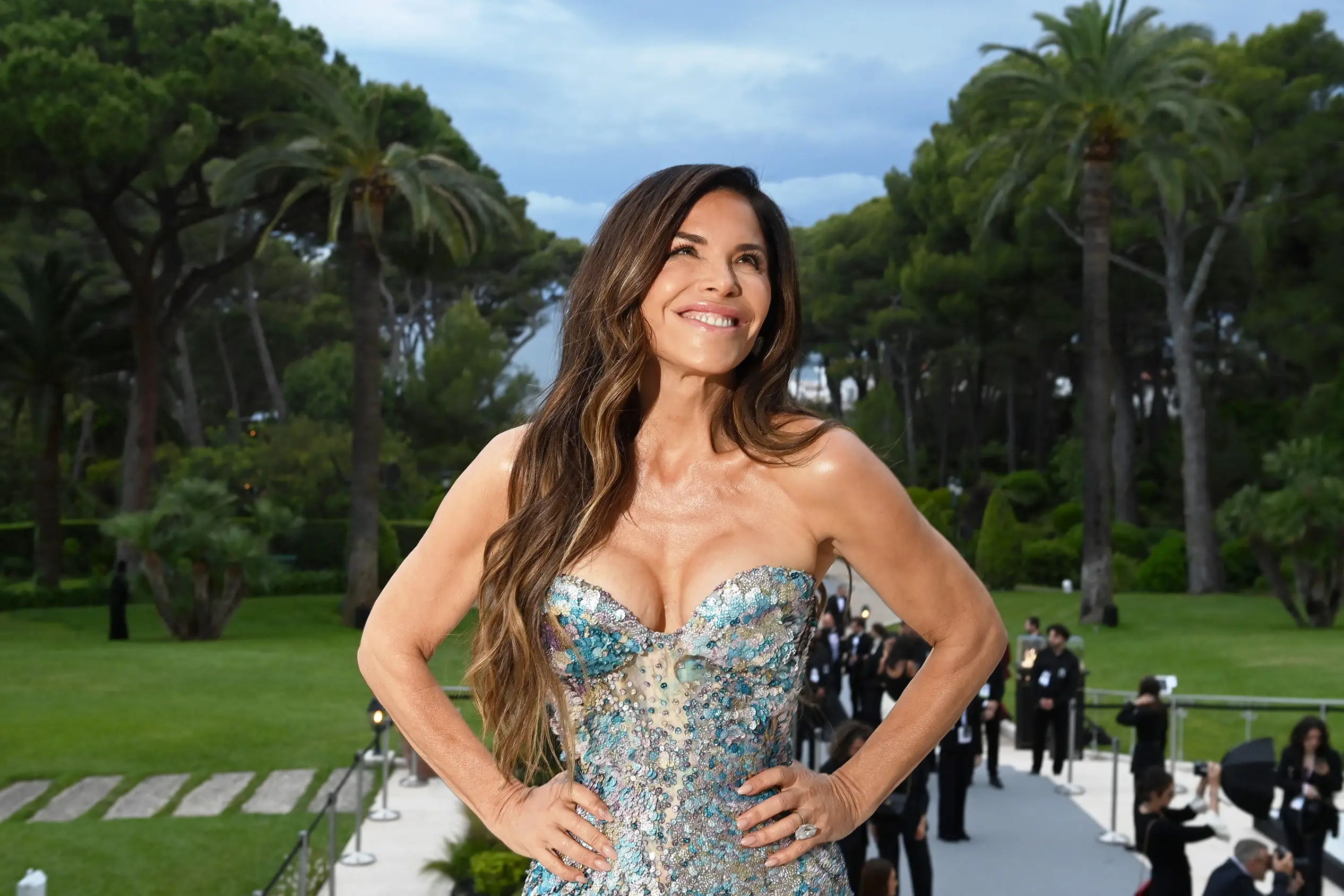
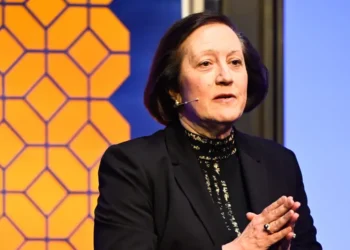
“Aspirational stopped coming from taste and started coming from the lowest common denominator,” says Ana Andjelic, a brand advisor and author. “That’s why you have Lauren Sánchez looking the way she looks. But those people, it’s the same thing as the robber barons in the Gilded Age — they came into money, but they don’t have taste.”
Tacky is back in a big way. Being loud and unabashed is cultural currency in a culture that prefers signaling vice over virtue. We’re living in a digital Gilded Age where greed is again good, and the only way to prove you’re a winner is to make sure no one can look away.
The term “conspicuous consumption” was coined by economist and sociologist Thorstein Veblen at the end of the 19th century to describe people spending money as a way to signal social status. He didn’t mean it nicely — he was referring to the new wealthy social class emerging from the second industrial revolution and their wasteful spending. The original Gilded Age was full of newly minted industrialists in fast-developing fields who built lavish mansions, threw over-the-top parties, and tried to buy their way into high society.
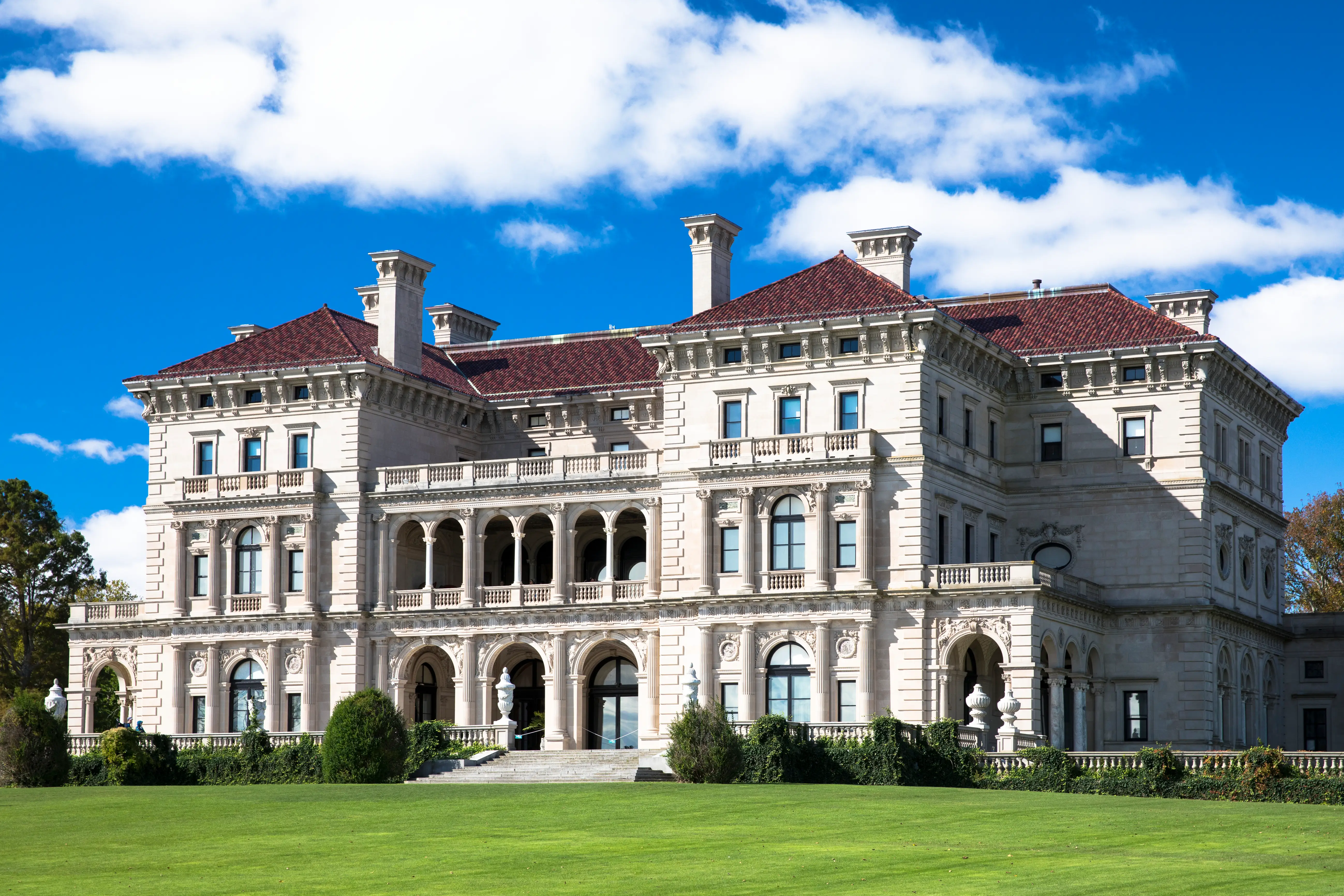
Consumption patterns among the upper echelons have historically pivoted around the fine-tuning of taste. The higher classes used their preferences as a weapon to set themselves apart, constantly moving the goalposts of decency and discernment to stay ahead of the masses. As soon as the middle class learned how to set a proper table or decided to buy a midcentury modern sofa, the elite moved on to something else.
Aspirational stopped coming from taste and started coming from the lowest common denominator.
Over the past 10 to 20 years, the most conspicuous form of consumption has been intentionally inconspicuous: quiet luxury. After the Great Recession, it was a bad look for Wall Streeters and others left unscathed to flaunt their wealth. Stealth wealth took over as it became fashionable to reject logos and at least profess to care about sustainability — the affluence on display in “Succession” is apparent, but muted. It’s an “if you know you know” ethos for clothing, vacations, interior design, leisure, and more. It’s marked by a modern minimalism — barely-there makeup, low-key logos, and, infamously, millennial gray.
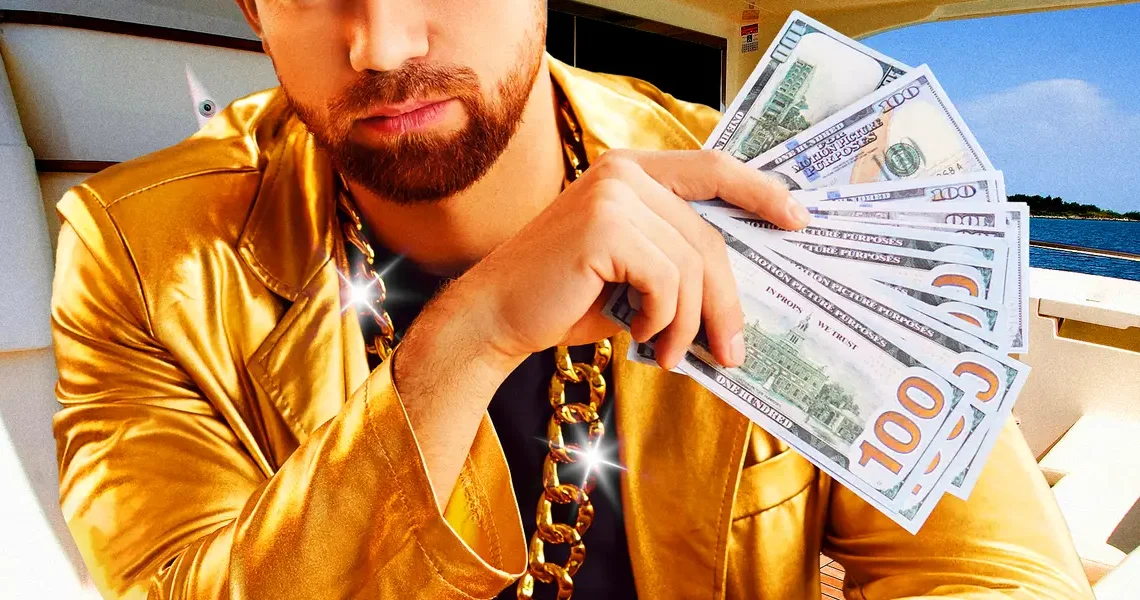
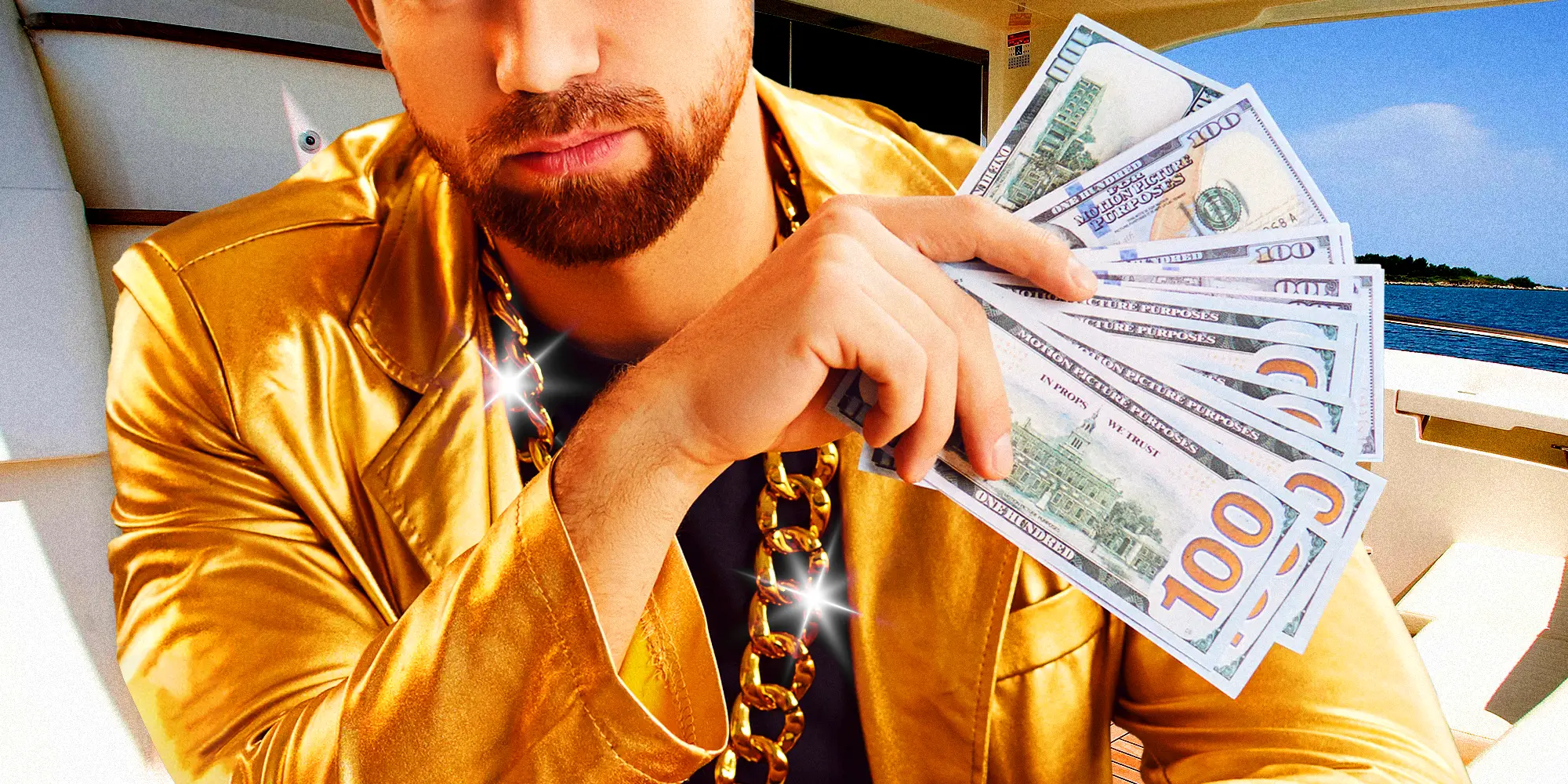
That sort of soft superiority is on the outs. The latest shift is toward gauche, garish, and over-the-top. The richest of the rich aren’t huddling in hidden compounds in the woods or walking around the office sluggishly in hoodies. They’re buying islands, renting cities for their weddings, and wearing gold chains. And the signals are showing up in the wider culture. Gen Z is nostalgic for the McMansion, and maximalist interior design is back. Knick-knacks at estate sales are flying off the shelves, and individualism reigns supreme. Trucker hats have made a return. The modern-day jeans motto seems to be more is more is more. Young men are looksmaxxing to be at their hottest. Software engineers are tokenmaxxing to impress their AI-worshiping bosses. Everyone’s proteinmaxxing to an extent even Robert Atkins would find excessive.
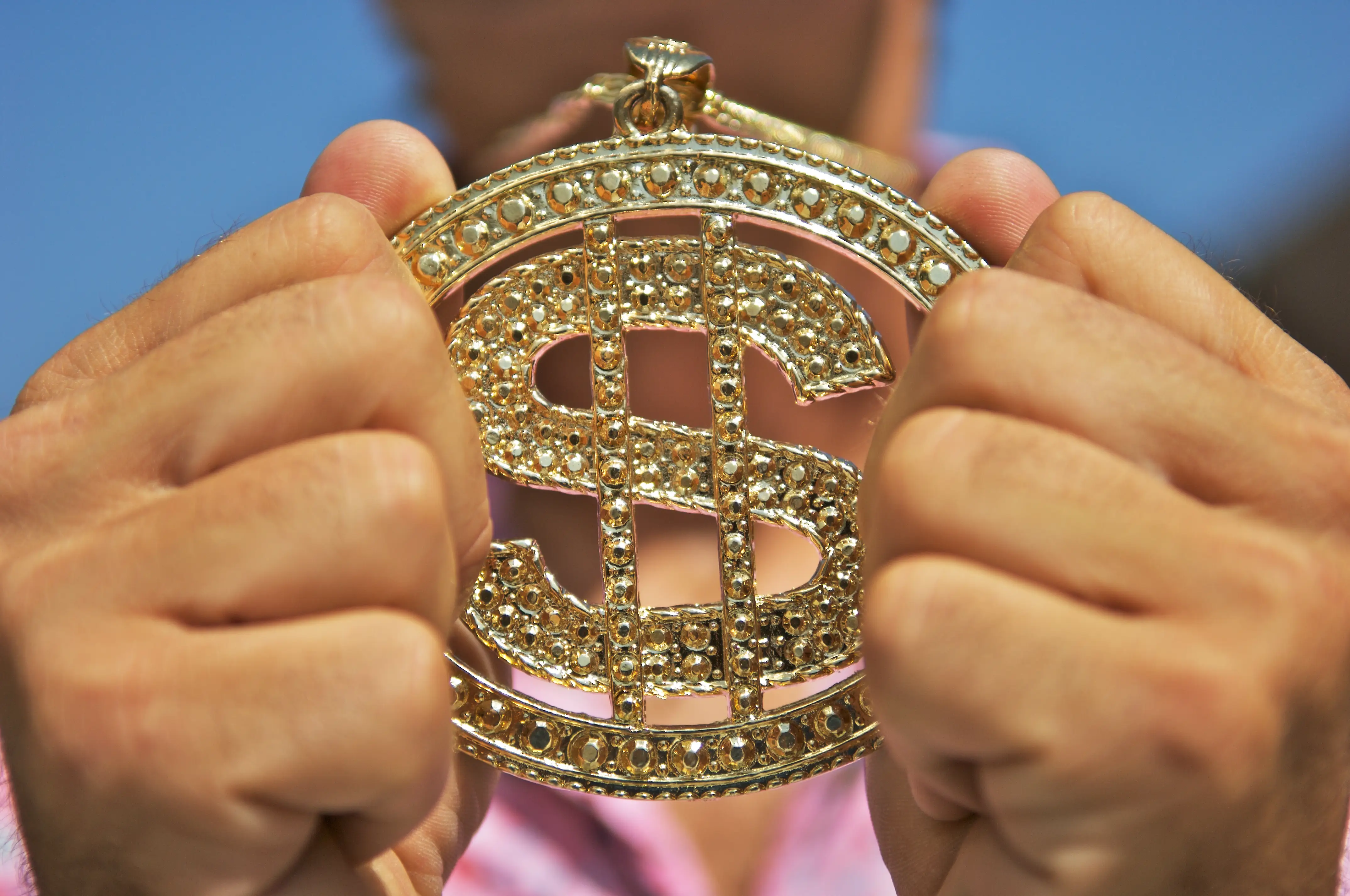
Call it tacky. Call it trashy. Call it “boom boom,” which is how Sean Monahan — who coined “normcore” and “vibe shift” — described the aesthetic a little over a year ago. At the time, he characterized it as the fetishization of the past, the yearning for a reinstitution of boundaries between work and play, and, importantly, “supervillain vibes.” It’s the ’80s, but with the internet.
“After a decade of executives dressing like interns (normcore), touting anti-growth platitudes (degrowth), while smartphones enabled the total dissolution of work/life boundaries (email jobs), is it any wonder the youth find inspiration in the glamour of the past?” he wrote at the time.
Whereas wealth, taste, and social status were once intertwined, they’ve now diverged. Instead of setting the agenda, the wealthy and elite are taking cues from pop culture — the Kardashians, “Real Housewives,” and their TikTok and Instagram algorithms.
Indeed, some of the modern-day ultrarich distinctly and perhaps deliberately lack taste.
For Trump, the willingness to push his aggressive style on everyone goes beyond his personal leanings — it’s a way to exert his authority and sway.
“Who has a lot of money doesn’t necessarily have taste and status,” says Andjelic, the brand advisor.
Kate Wagner, an architecture critic and the author of McMansion Hell, an architecture and design critique blog, tells me that bad taste has become a form of “vice signaling.” It’s in opposition to virtue signaling — stating one’s pronouns, or posting about a social cause on social media — which is often liberal-coded. Instead, vice signaling embraces the taboo. It’s rebellious and bucks the establishment.
Wagner points to the example of Trump, whose gold-leafed, neo-baroque taste has always trended toward tacky. “He just openly embraces having bad taste,” she says. He loves McDonald’s, the playlist at his events screams boomer, and he would really like it if everyone saw the musical “Cats.” For Trump, the willingness to push his aggressive style on everyone goes beyond his personal leanings — it’s a way to exert his authority and sway. “For him, forcing bad taste on the world is a form of power,” Wagner says.
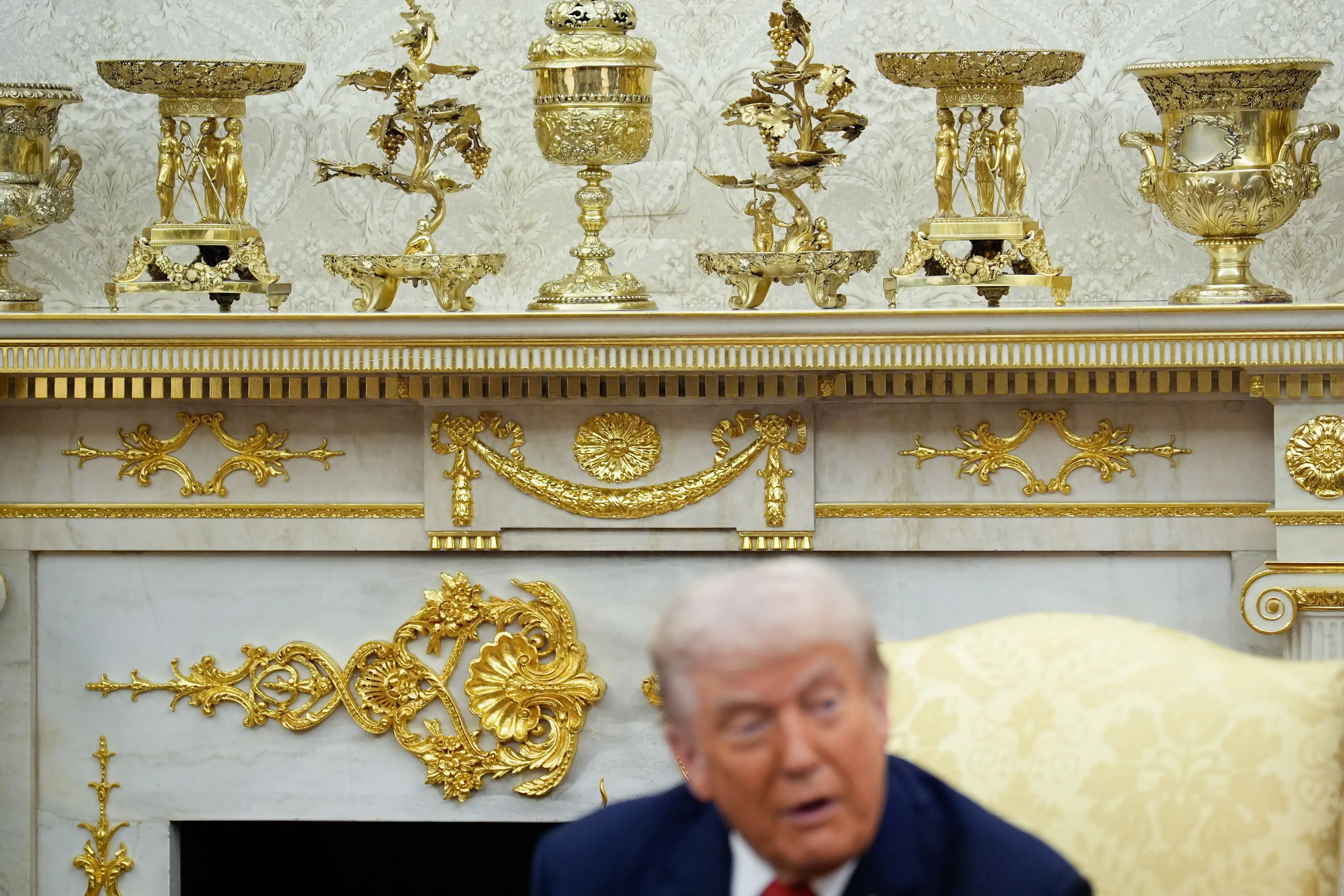
It also allows the president to communicate to his base that he’s just like them (though as a billionaire, he isn’t) and to distinguish himself from the liberal and traditional conservative milieus. Much of the American public chafes at the snooty, understated elites who they feel have long looked down on them. At the end of the day, many of us just want to enjoy a decent, cheap meal, watch whatever’s on TV for the night, and call it a day. “It’s a way of doing populist posturing. It’s like, ‘Look, I have bad taste, just like you,'” Wagner says.
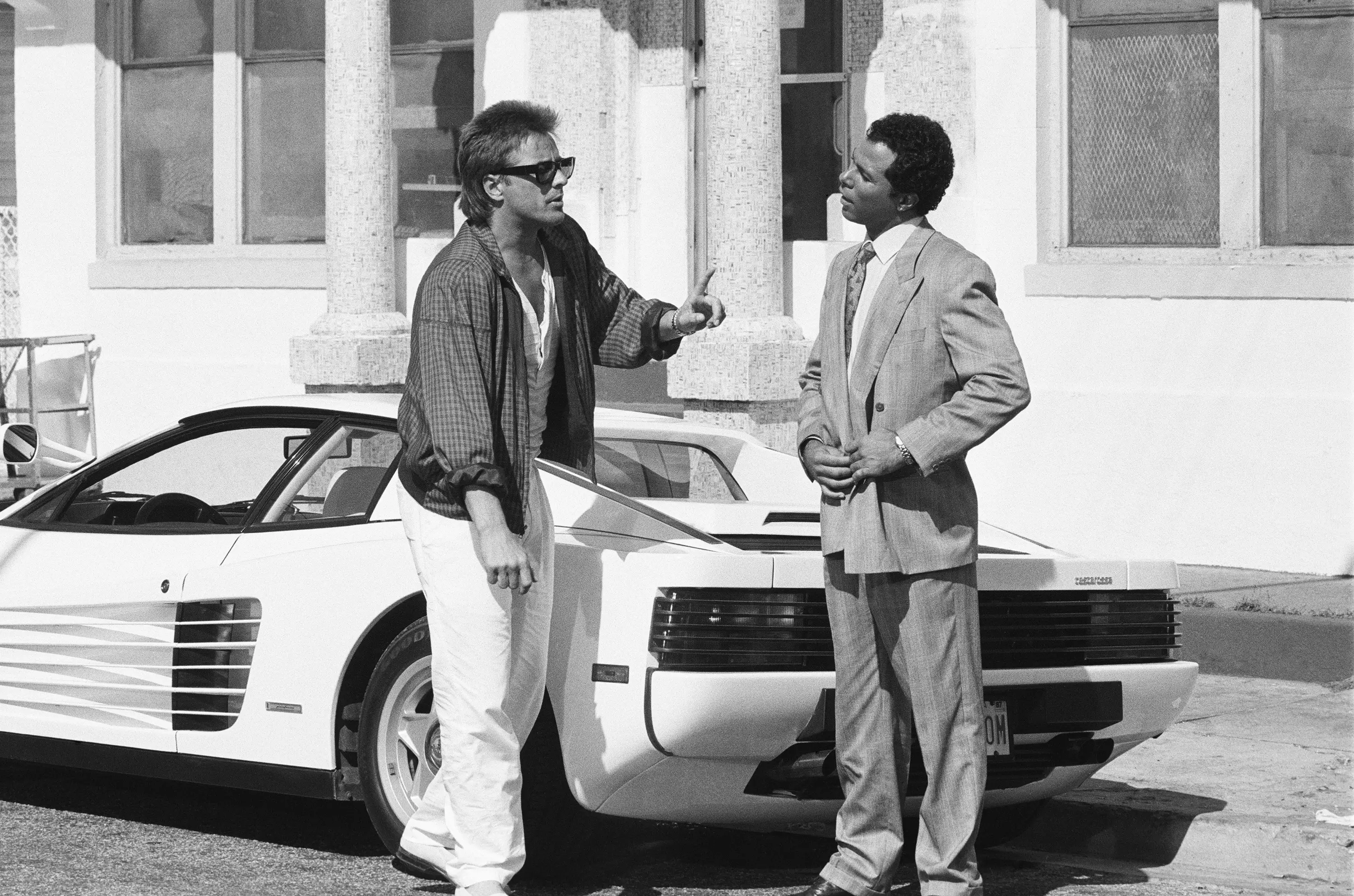
I don’t mean to imply that it’s bad that tacky has become the 2026 theme. Tacky may not be fancy, but it is often fun. Nobody looks back at the “Miami Vice” era and is appalled — it’s a neat time capsule. For those of us who survived homes overwhelmed by millennial gray and wore a uniform of strictly black and beige for years, it’s exciting to allow a little color in. Gen Zs longing for McMansions are yearning for an era when houses were more than Zillow-optimized, indistinguishable boxes you can extract the most value from on the market. If you think that Bezos and Sánchez cheapened the Met Gala, did you really feel that much better about it in other years? Did you feel anything at all?
The same goes for complaints about the Masters golf tournaments and other high-ish society sporting events, such as the US Open. Traditionalists have begun to complain that the experience is being degraded. They’re upset that NFL star Jason Kelce and actor Kevin Hart are part of the low-brow golf broadcasting, and they’re irked that spectators are getting a little too enthusiastic (and drunk) during tennis matches. There are certainly echoes between the golf types who would prefer a pop culture megastar weren’t at the tournament and those who didn’t want minorities at their country clubs 40 years ago. These shifts, though, aren’t necessarily about democratization and inclusion — they’re about commercialization and the “more for more (money’s) sake” attitude that pervades society. Maybe it’s OK that golfers and fans prefer the applause and attire to remain hushed. At what point is taste a polite form of exclusion?
The tension between the quiet past and the loud present is accelerated by a force that previous generations could never have imagined: the algorithm. If taste was once a ladder of education and exposure you climbed, now it’s a treadmill powered by Big Tech. You no longer need to learn about history or art or fashion to develop your own take and sense of style; you can just take whatever cues are coming from your phone. Whether it’s TikTok’s “For You” page, Instagram reels, or AI-generated anything, the internet has a flattening effect on discernment. If you want everyone to agree, a good strategy is to point them all to the same machine that will give them the same answers.
The internet has created a feedback loop in which people strive to look like whatever the social media filter dictates, no matter the cost.
The result is decidedly mid and, often, decidedly tacky. At best, the algo-driven aesthetic looks generic, and at worst, it looks weird as hell. It works for tech elites such as Elon Musk and Mark Zuckerberg, who feel alienated from the actual cultural elite and don’t know what good taste is. Now they don’t need to know, because their money and products can move the culture toward them — plus, they have so much money they really don’t care. On the social media end of things, Instagram is warping how we see each other and ourselves. Whereas previously one might have had some light plastic surgery to look good (and untouched) in real life, the internet has created a feedback loop in which people strive to look like whatever the social media filter dictates, no matter the cost. The ability to pay to have work done — your lips, your forehead, your breasts — is something you want to show off as a status symbol for a certain group of women. That you were visibly able to pay for it is part of the point.
“Digital or physical. There is no such thing anymore,” Andjelic says. “The internet ate reality, and because AI transforms reality to such a degree, what you’re basically seeing is the digital transformation of reality.”
Our reality is cartoonish and pixelated.
It’s not clear whether our current version of tacky is particularly delightful or generally depressing. Labubus are fun, albeit embarrassing for anyone over the age of 18 who is sporting them. Quirky kitchens and loud bathroom wallpaper are charming ways to zhuzh up your home. But watching an AI-made Marvel movie trailer that a random tech evangelist prompted up is not heartening if you are about the future of art and cinema. Neither is staring at celebrities whose plastic surgery is borderline clownish.
Taste is constantly evolving, and the era of tacky will almost certainly move toward something else. The excess and greed of the ’80s gave way to ’90s grunge and rejection of “selling out.” In the meantime, enjoy the billionaires going on joy rides to space, and if you’ve been considering lip filler, this is your moment — we’ve decided it’s OK it looks like that. For now.
Emily Stewart is a senior correspondent at Business Insider, writing about business and the economy.
Read the original article on Business Insider
The post Quiet luxury is out. Loud, in-your-face wealth is booming. appeared first on Business Insider.