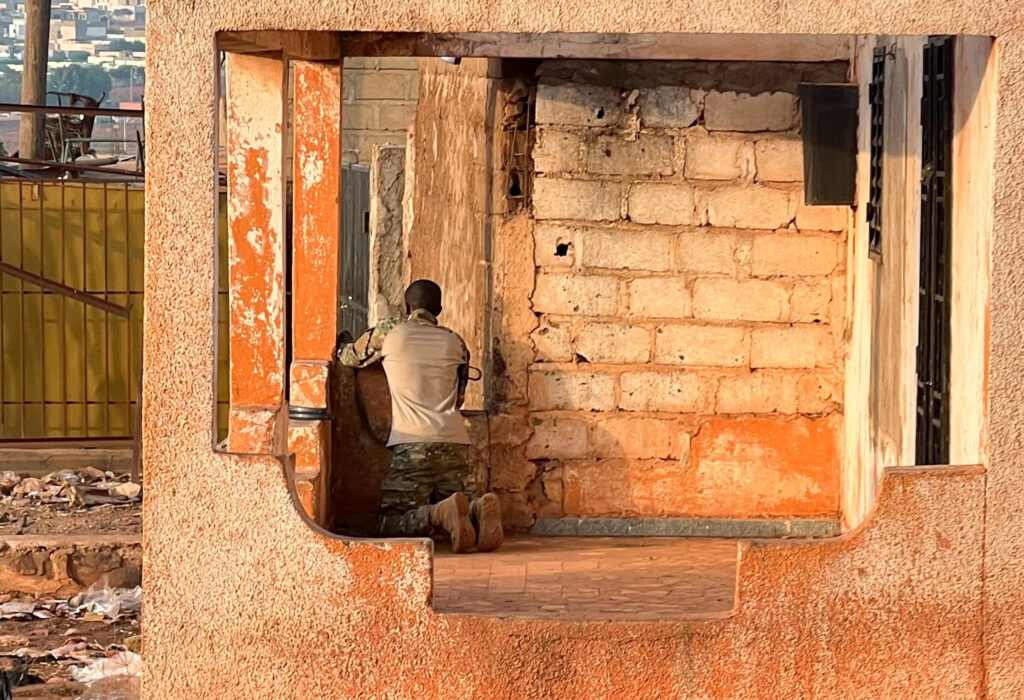
Islamist militants and separatists launched attacks across the West African nation of Mali on Saturday, in what analysts say constitute the biggest strikes since militants overran much of the country in 2012.
Heavy gunfire and explosions have been reported from around Mali, including in its capital, Bamako; in Kati, where Mali’s main military base is located; at the former U.N. base in Gao; at the main airstrip in central Mali; and in Kidal, in the far north of Mali.
The attacks are widely believed to have been waged by Jama’at Nusrat al-Islam wal-Muslimin (JNIM), the most well-armed militant group in West Africa, in coordination with the Azawad Liberation Front (FLA), a Tuareg-dominated rebel alliance that is pushing for its own state in northern Mali.
JNIM has not yet officially claimed responsibility for the attacks.
A spokesman for the FLA, Mohamed Elmaouloud Ramadane, said in a Facebook post that its forces “control the entire city” of Kidal and are present inside the city of Gao.
Social media videos from Bamako and Kati showed armed militants on vehicles driving through the city. Analysts and officials believe that Defense Minister Sadio Camara’s house was bombed. His whereabouts are not known.
A spokesman for Mali’s military said “unidentified armed terrorist groups targeted certain locations and barracks” in Bamako, later adding that the situation was under control.
“There were what appear to be JNIM fighters just driving through the city,” said Andrew Lebovich, a research fellow with the Clingendael Institute who focuses on Mali. “The coordinated, high-level attacks through the country, along with their visibility and ability to operate so freely, is unprecedented.”
The post Militants launch coordinated attacks across Mali appeared first on Washington Post.