Score another one for tiny teams.
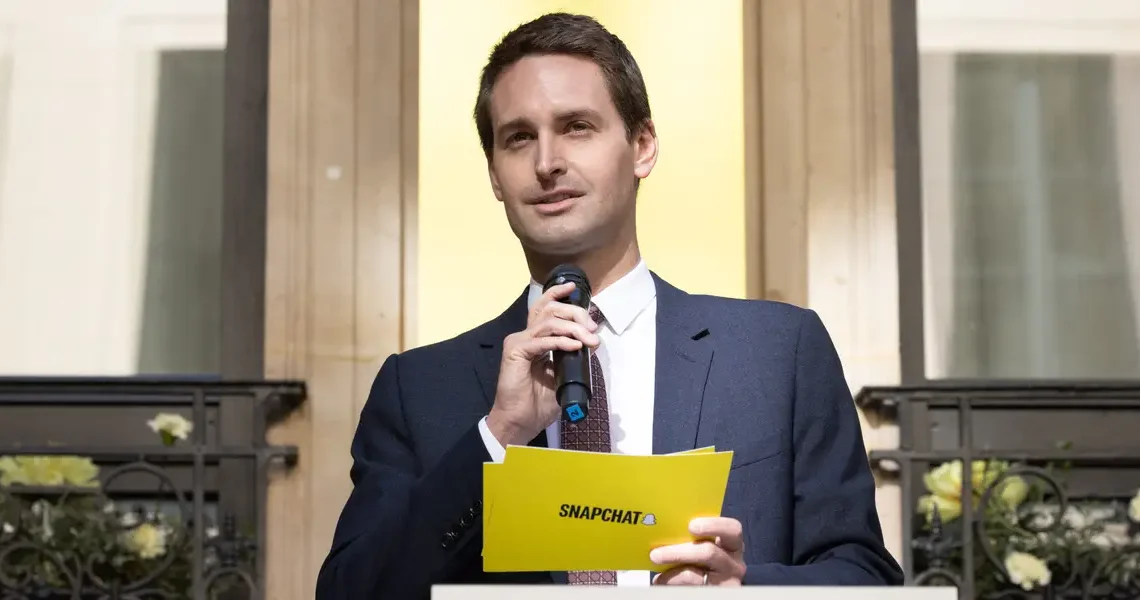
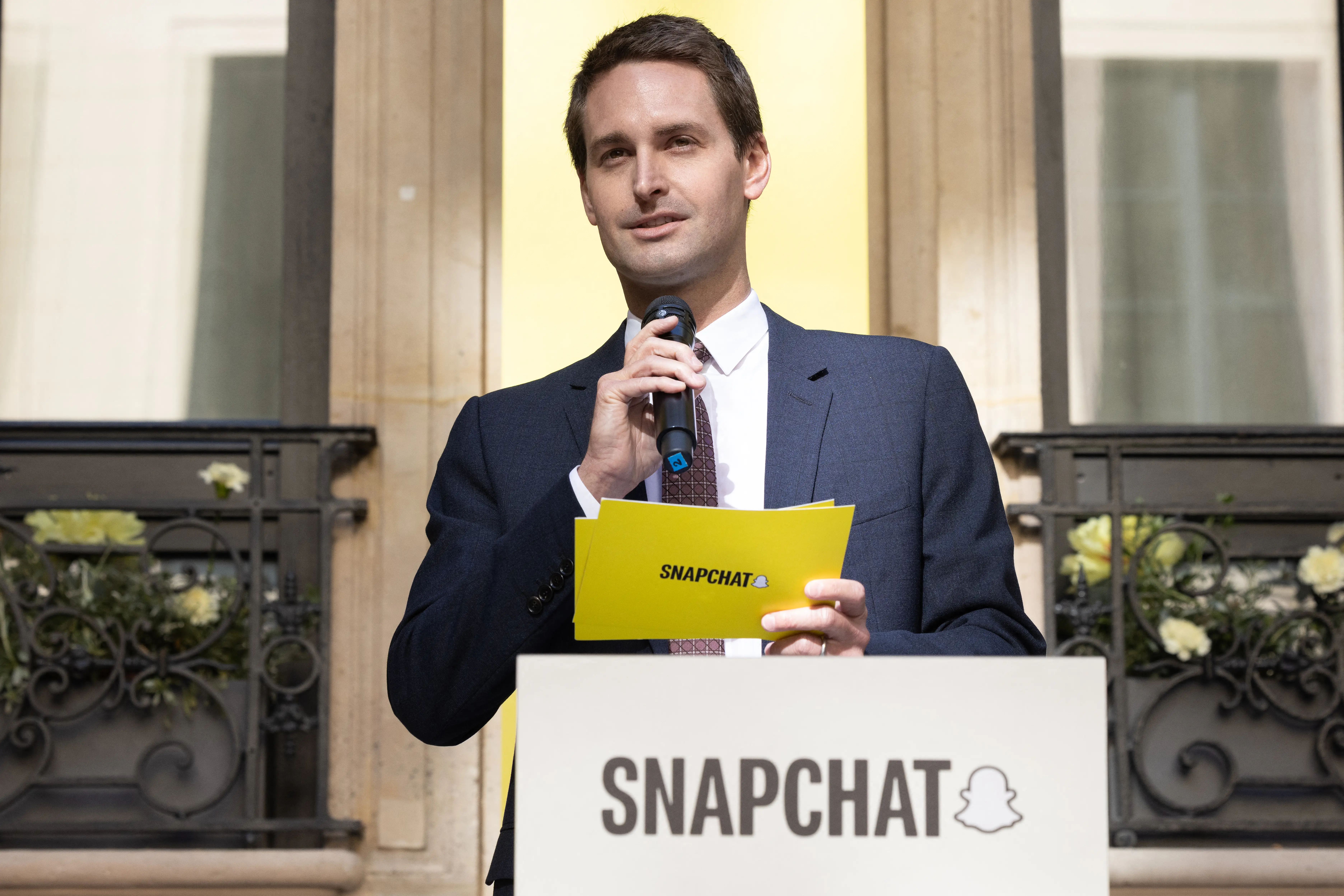
On Wednesday, Snap CEO Evan Spiegel framed plans to slash 1,000 jobs as part of a shift the social-media company started last year toward organizing employees into small, AI-powered “squads.” He said the strategy is already playing out as AI cuts repetitive tasks and speeds up execution.
Leaders at several other big companies have recently made similar remarks about the benefits of leaner workforces and the role that AI plays in making small teams highly productive. In some cases, the comments were linked to layoffs.
“It would be disingenuous to pretend AI doesn’t change the mix of skills we need or the number of roles required in certain areas. It does,” Mike Cannon-Brookes, CEO of software company Atlassian, wrote last month in a securities filing about plans to cut 1,600 jobs.
“We’re starting to see projects that used to require big teams now be accomplished by a single very talented person,” Meta chief Mark Zuckerberg said on a January earnings call with analysts.
The tiny team trend isn’t limited to Big Tech. JPMorgan boss Jamie Dimon said in his annual letter to shareholders this month that “the real competitive battles” are waged by small, laser-focused teams.
Embracing startup culture
While startup founders have long prioritized scrappiness, the philosophy has been gaining traction among established businesses in recent years due to the AI boom. The technology allows just a few workers, or in some cases individuals, to carry out what previously required large teams, proponents say.
“We’re going to see 10-person companies with billion-dollar valuations pretty soon,” OpenAI CEO Sam Altman predicted in February 2024.
Leaner teams reflect a related shift away from middle managers and toward flatter hierarchies. Earlier this month, Block CEO Jack Dorsey described the “most ideal” setup as one where all 6,000 of the payments company’s employees report directly to him, while Amazon boss Andy Jassy said that flattening the tech giant’s structure has improved its speed.
Benefiting from shrinking teams requires changing how work gets done, said Erik Brynjolfsson, an economics professor at Stanford University.
“The winners won’t simply be the leanest organizations,” he said. “They’ll be the ones that best redesign work so humans and AI complement each other.”
Bias, morale, and pipeline problems
Going too small can be dicey, said Matt Poepsel, vice president of talent optimization at the Predictive Index, an HR software company. Workers who rely solely on AI for decision-making might amplify personal biases, he said, whereas groups provide checks and balances.
“AI is programmed to try to keep you using it,” said Poepsel. “That’s why I refer to it as the silicon sycophant, because it’s wired for a very different outcome.”
Companies going down the tiny team path also risk hurting morale, which can negatively impact business outcomes, said Alex Lovell, a political psychologist at O.C. Tanner, an employee-recognition software company.
Engagement is driven by interaction with colleagues and leaders, he said, and without that, “inspiration can decay.”
Another potential downside is that tiny teams can diminish talent pipelines, said Soumitra Shukla, a research fellow at Harvard Business School. Cutting entry-level roles, for example, can lead to shortages of experienced workers.
“You don’t have as many people to promote to seniors,” he said.
Further, early-stage professionals may start to question their ability to climb the corporate ladder at companies embracing tiny teams, added Shukla, also a researcher at The Burning Glass Institute, a nonprofit research organization that studies the future of work and learning.
“Junior talent is not going to be junior forever,” he said.
Read the original article on Business Insider
The post Snap’s layoffs highlight growing work trend: AI-powered tiny teams appeared first on Business Insider.