A number of right-wing leaders have recently swept into power in Latin America, riding a wave of dissatisfaction with incumbent governments and deepening worries about security and a rising cost of living.
Until now, Brazil, the region’s largest nation, had been the exception. The left-wing president, Luiz Inácio Lula da Silva, began his third nonconsecutive term in 2023. His predecessor and rival, Jair Bolsonaro, had been convicted of trying to stage a coup to prevent Mr. Lula from taking office and was sentenced to 27 years, which he is currently serving under house arrest for health reasons.
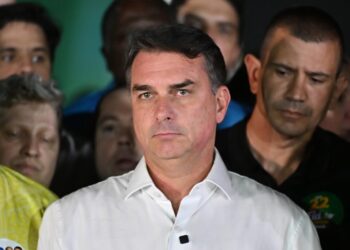
Now Mr. Lula, weighed down by widespread perceptions of rising crime and economic woes, faces a challenge from the former president’s son, Flávio Bolsonaro, a right-wing senator. Mr. Bolsonaro’s formidable performance in the first voting round this month gave him the edge going into a two-way contest.
The outcome will have a profound effect on Brazil and its relations with the United States in particular. Here are some of the major issues at stake.
Security
Mr. Bolsonaro has already said he would add Brazil to the Trump administration’s anti-cartel coalition, called the Shield of the Americas, and work with the United States to fight Brazilian gangs.
He suggested in social media posts last year that he would welcome U.S. military intervention in Brazil, though he denied that in recent interviews, saying the cooperation would be limited to intelligence. But it was Mr. Bolsonaro who successfully lobbied Mr. Trump to designate two Brazilian gangs as terrorist groups.
Mr. Lula has resisted joining the coalition, warning that intertwining too closely with the United States on security matters could threaten the nation’s sovereignty.
Trade
The Trump administration imposed tariffs on Brazilian products in an unsuccessful pressure campaign to disrupt the prosecution of Jair Bolsonaro. Many of those tariffs were eventually scaled back, and Brazil’s economy has remained largely unharmed by President Trump’s tariff campaign.
Another term for Mr. Lula, however, would increase the risk of more economic conflicts with the United States that might hurt the Brazilian economy. Of course, Mr. Bolsonaro would not be immune to those problems; Mr. Trump has been known to levy tariffs against allies as well as adversaries.
The Trump administration has signaled an interest in importing Brazilian oil to counter disruptions related to the Iran war and the country’s rare-earth minerals to reduce U.S. dependence on China for those resources. Mr. Bolsonaro is expected to align Brazil more closely with the United States than Mr. Lula has on trade issues, but neither leader can afford to anger China, a major trading partner.
The election could also affect Brazil’s ability to negotiate trade with the United States as a bloc with other countries in the region.
“Brazil’s relations with its neighbors have been extremely challenging,” said Carolina Moehlecke, an assistant professor of international relations at Getúlio Vargas Foundation, a research institution. This was especially true of its neighbor, Argentina, she added, whose right-wing president is a close ally of Mr. Trump. Mr. Bolsonaro, she said, might have an easier time cooperating with fellow right-wing leaders in Latin America.
Domestic Policy
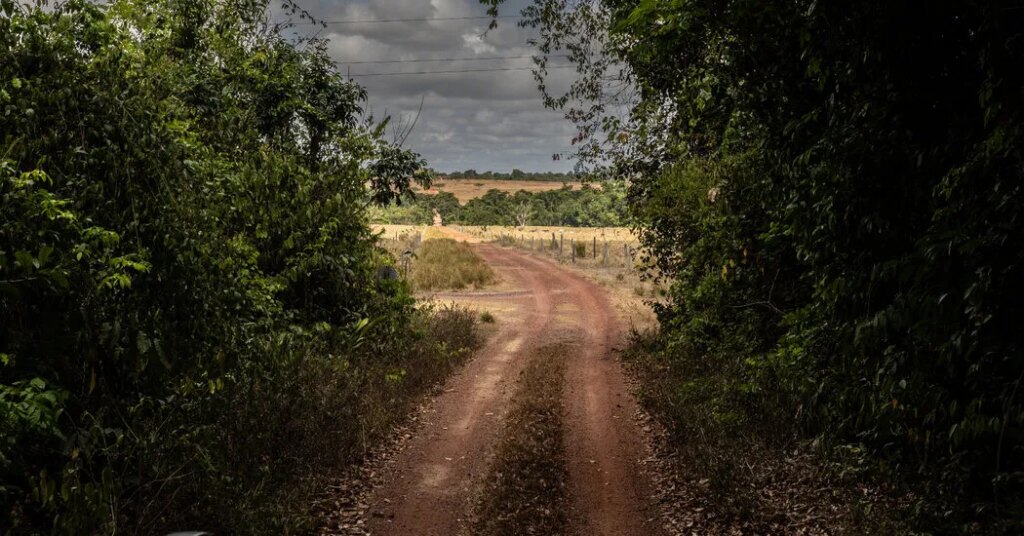
If Mr. Bolsonaro carries the vote, conservationists fear a return to his father’s policies of allowing rapid deforestation in the Amazon rainforest, a trend that was largely reversed under President Lula. The younger Mr. Bolsonaro does not believe that climate change is caused by humans and has defended opening up protected lands to mining and farming.
He has also pledged to stem the nation’s rising debt. If he attempts to accomplish that through cuts to public spending, that could prove politically sensitive, Ms. Moehlecke said, especially when it comes to social welfare policies with broad popularity in Brazil. In the lead-up to Sunday’s elections, Mr. Lula had promised to increase welfare payments.
Democracy
Mr. Lula has framed the election as a test of the nation’s democracy and portrays the Bolsonaros as a threat to democratic institutions. Ms. Moehlecke said it was likely Mr. Bolsonaro would take the country in a more authoritarian direction, though his rhetoric is generally tamer than his father’s.
But if Mr. Bolsonaro wins, his party’s gains in the legislature could allow him to deliver on some of his most polarizing promises: amnesty for his father, pardons for rioters who stormed Brazil’s halls of power after the last election, and a Senate more willing to try to remove justices who convicted his father.
If Mr. Lula wins, he most likely will face significant checks against his power. Right-wing candidates, including four other members of the Bolsonaro family, have made significant strides in the nation’s legislative races.
The post What’s at Stake in Brazil’s Elections? appeared first on New York Times.