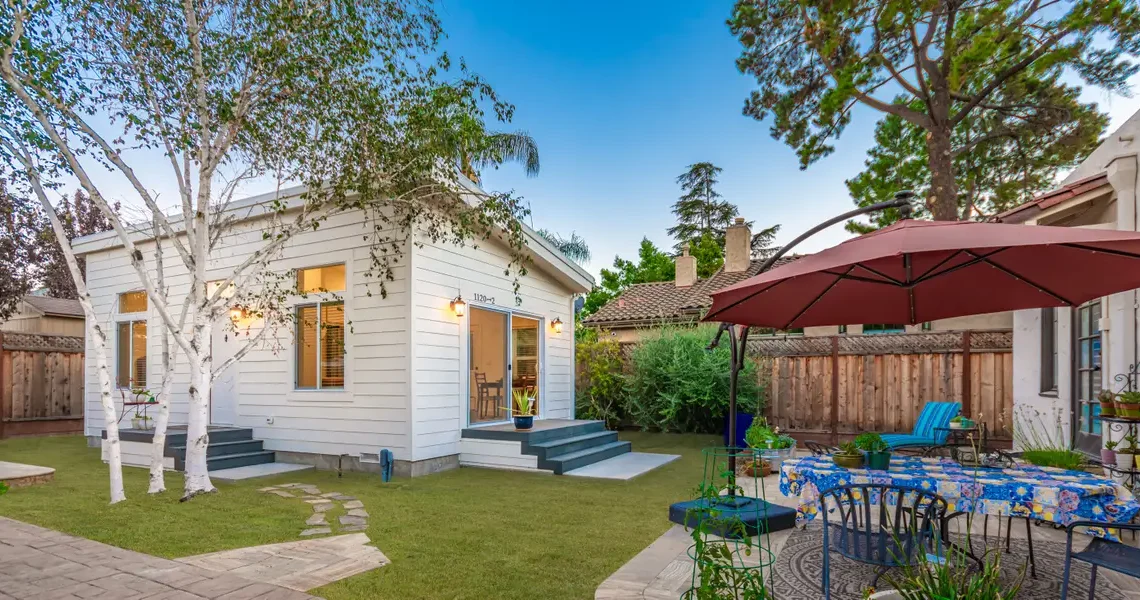
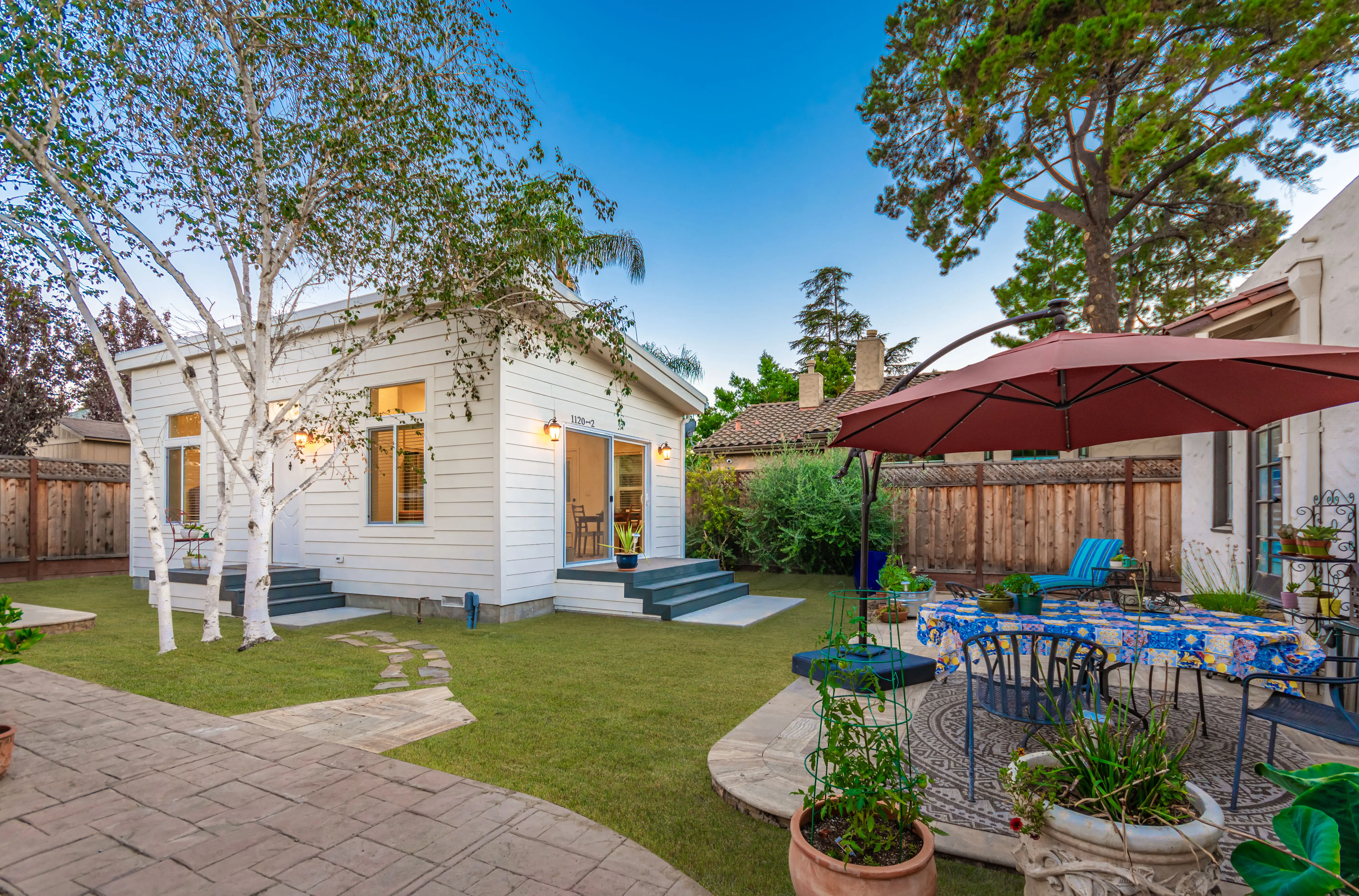
If you’ve looked into building a tiny home in your backyard, you’ve probably discovered what many have: While they may save you money in the long run, they can be expensive to build.
These homes, called accessory dwelling units, or ADUs, are small housing units ranging from 150 square feet to 1,200 square feet, depending on where you live.
While detached backyard units are popular, ADUs can be incorporated into many parts of a property, including as a garage or basement conversion, an above-garage unit, or an attic or upper-level apartment.
The average cost of a unit can range from $100,000 to $300,000, not to mention the permit cost, and securing a loan to build an ADU can be challenging.
In California, where most backyard homes are being built, ADU building permits cost anywhere from $450 to $15,000 — even before construction starts, Backyard Unlimited, a company that builds ADUs, said.
That’s not all: Other costs could include site preparation, which includes anything from inspections to running utility lines.
To put it another way, if you don’t have cash easily available or the ability to access financing for the project, it can be cost-prohibitive, making it harder for middle- and low-income homeowners to actually build one, studies have shown.
To combat this disparity, promote equity, and ultimately propel the construction of much-needed housing, some states — as well as nonprofits in specific cities — have established loan and or grant programs to provide assistance.
The deadlines for these programs vary from state to state. Those interested in building an ADU should be prepared for next year’s application cycles, as they often experience high demand.
Here are the ADU programs launched nationwide.
Colorado: A new grant program is still rolling out
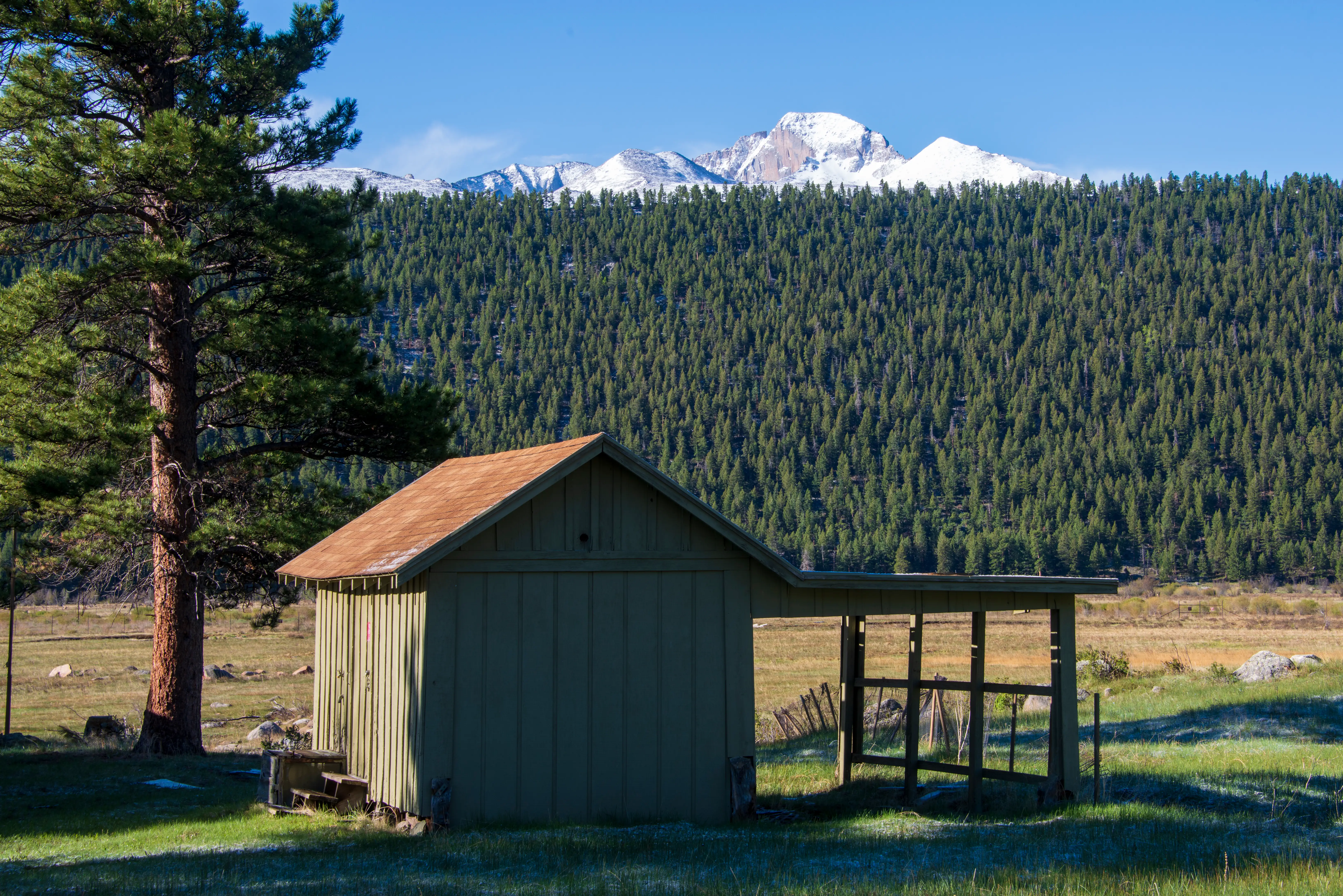
In 2024, Colorado passed HB24-1152 to assist homeowners in building ADUs. The Colorado Department of Local Affairs (DOLA) works directly with local governments as they implement regulatory changes to comply with HB24-1152.
DOLA also runs the Accessory Dwelling Unit Grant Program (ADUG), which provides $5 million to jurisdictions that bring their codes into compliance and support ADUs.
Who can apply? For ADUG, jurisdictions can apply for funding to provide technical assistance to low- and moderate-income homeowners.
The Colorado Housing and Finance Authority (CHFA) is also establishing programs that directly support homeowners.
Total funding available: The state has set aside $5 million for ADUG.
The primary homeowner-directed effort channels $8 million into CHFA’s ADU Finance Programs, providing lender support through loans, credit enhancements, and interest-rate buydowns to help homeowners.
When are applications open? Applications for the third round of funding opened on September 28 and will close on Friday, October 23, 2026.
Requirements: Local governments — including those not covered by HB24-1152 — must be certified by DOLA as an ADU Supportive Jurisdiction under the legislation.
Agency or Department in charge of distribution: The Colorado Department of Local Affairs, Colorado Housing and Finance Authority
Hawaii: A couple of counties provide grants or incentives for ADU construction

To help expand the supply of workforce housing, Maui County launched the ʻOhana Assistance program to aid homeowners in building attached or detached ADUs on their properties.
The County of Kaua’i also offers financial assistance for homeowners who build a second unit on their property through the Affordable Additional Rental Unit (ARU) program.
Who can apply? Owner-occupants with qualified residentially zoned property are eligible to apply for both the ʻOhana Assistance program and the Kaua’i Affordable Additional Rental Unit program.
Total funding available: The ʻOhana Assistance Pilot Project provides grants of up to $100,000 for qualifying homeowners.
Kaua’i’s ARU program waives certain county development and permitting fees for homeowners who agree to keep the unit affordable to households earning up to 90% of the area median income for at least five years.
Kaua’i’s website states that the combined fee waivers and subsidies for an ARU certified through the program can total nearly $20,000.
When are applications open? Applicants should consult Maui’s Department of Housing and Human Concerns for the ʻOhana Assistance program. Kaua’i accepts applications year-round.
Requirements:
The Ohana Assistance program: Grant recipients must set ADU rents in line with the county’s workforce housing requirements. The ADU must also be rented to full-time residents of Maui County for at least 10 years.
Kaua’i’s Affordable Additional Rental Unit program:
- Homeowners must own property in a zoning district that allows ARUs.
- The ARU must be no larger than 800 square feet, and one additional parking space is generally required, subject to zoning and County standards.
- The ARU cannot be used as a short-term rental and must be rented for long-term residential use.
Agency or Department in charge of distribution: The County of Maui Department of Housing, Kaua’i County Housing Agency
Massachusetts’s ADU incentive program is in its first phase
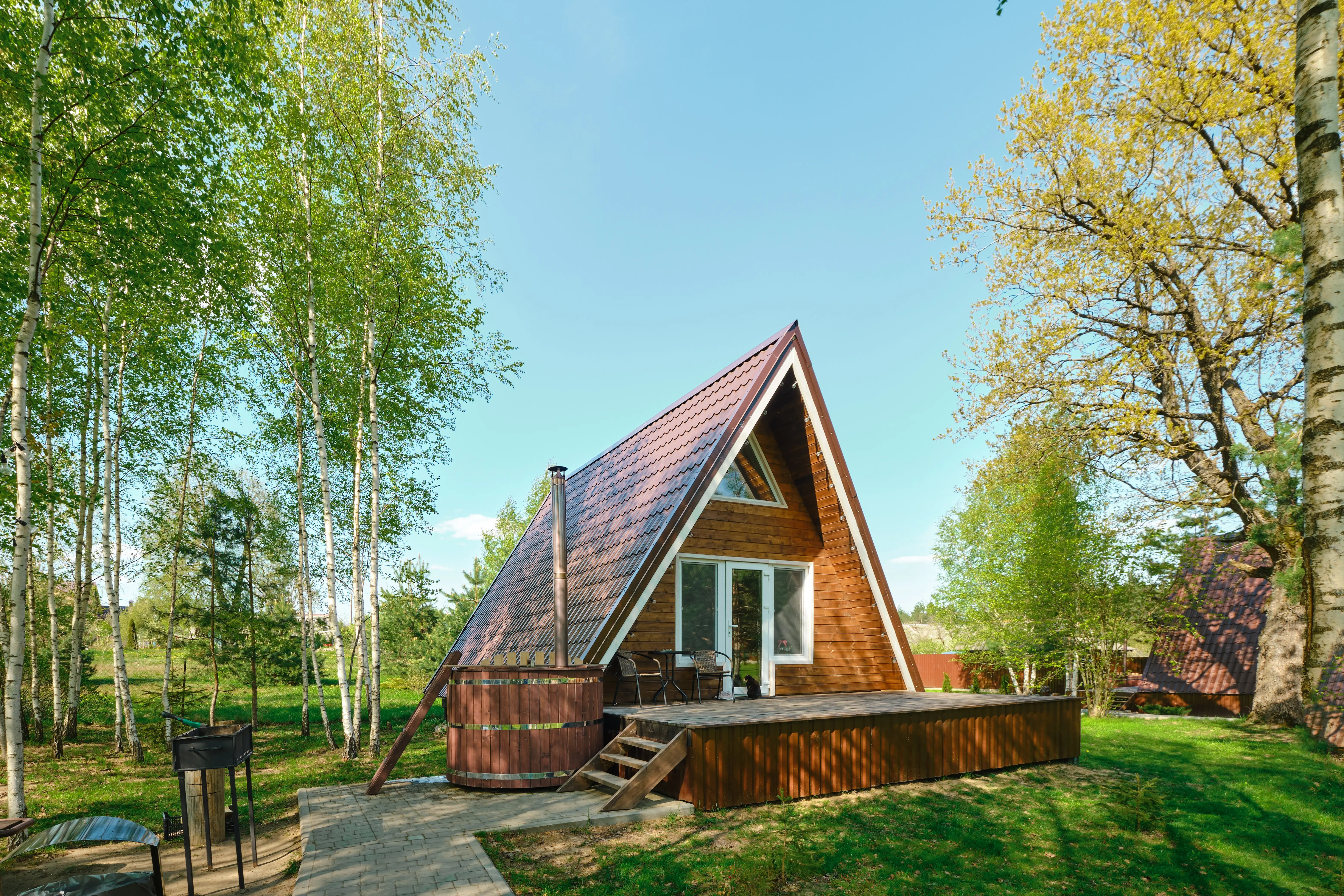
Under Massachusetts’ Affordable Homes Act, homeowners in most parts of the state—excluding Boston—have the right to build ADUs of up to 900 square feet on their property.
To help homeowners build them, Massachusetts has launched a statewide incentive program. The program is in its first phase and focuses solely on property owners.
Who can apply? Any homeowner in Massachusetts living in an area that allows residential ADU construction.
Total funding available:
Massachusetts’s ADU Incentive Program pays approved professionals up to $500 to conduct feasibility studies for homeowners. These studies are designed to help property owners make informed decisions about their ADU projects and include:
- Details about a property’s specific conditions and limitations
- Zoning and permitting requirements in the local municipality
- Utility needs, including water, sewer, and energy
- Key ADU design considerations, though the study does not provide architectural designs, engineering plans, or construction documents
- Estimated project costs and budget considerations; the program does not provide permit application services
When are applications open? The program launched in July 2026, and applications remain open.
Requirements:
- The property must be located in Massachusetts.
- Only one feasibility study is available per household.
Agency or Department in charge of distribution: The Massachusetts Housing Partnership, in collaboration with the Executive Office of Housing and Livable Communities
New York: Up to $395,000 per grantee
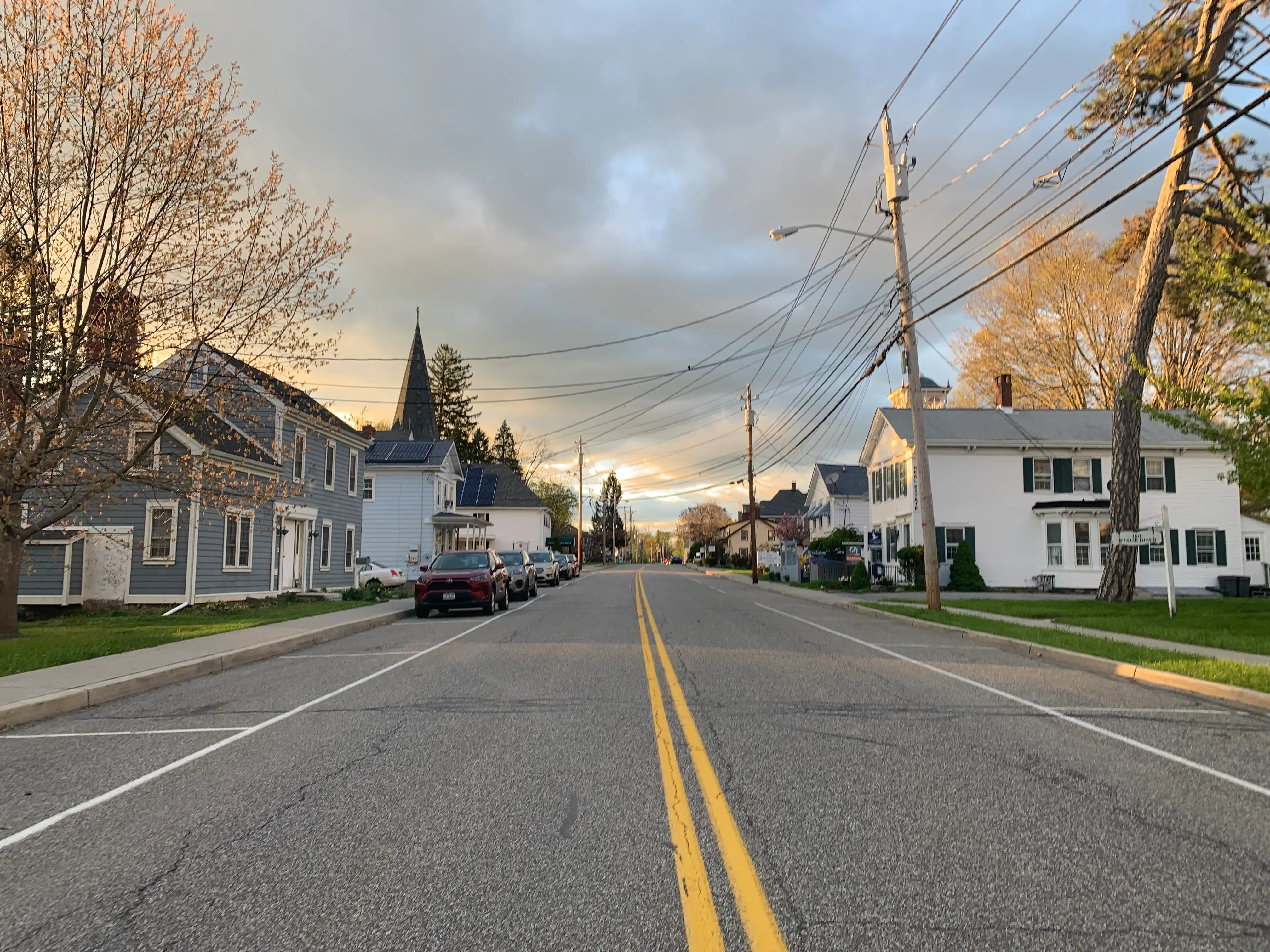
Earlier this year, the Plus One ADU Program reopened and began offering eligible New Yorkers up to $125,000 or $395,000 in financial support and technical assistance to build or convert an ADU on their property. The program is part of Gov. Kathy Hochul’s five-year housing plan, which aims to create or preserve 100,000 affordable housing units.
Who can apply? Any municipality in New York State, or any nonprofit housing organization partnering with a municipality, may apply during the open funding round.
Eligible homeowners must earn no more than 120% of the area median income.
Total funding available: In 2026, New York State Homes and Community Renewal rolled out a fourth funding round, allocating the remaining funds authorized under the $85 million, five-year housing plan.
The agency says it has awarded nearly $74 million to 85 municipalities across the state, helping fund the anticipated construction of more than 565 ADUs.
When are applications open? Applications are available through HCR’s website and will be reviewed on a rolling basis until all funding has been awarded.
Requirements:
- Applicants must confirm that local zoning explicitly allows ADUs, preferably through an adopted local resolution.
-
For homeowners:
- The ADU can be within the existing home, such as a basement or attic apartment, an in-law suite, or a completely independent and detached structure.
- A 10-year restrictive covenant is in place to ensure the home remains the owner’s primary residence and that the ADU is kept in a livable condition.
- The ADU must be occupied by a tenant or a family member, and it cannot be rented out on a short-term basis.
Agency or Department in charge of distribution: New York State’s Homes and Community Renewal
Vermont: Up to $50,000 per grantee
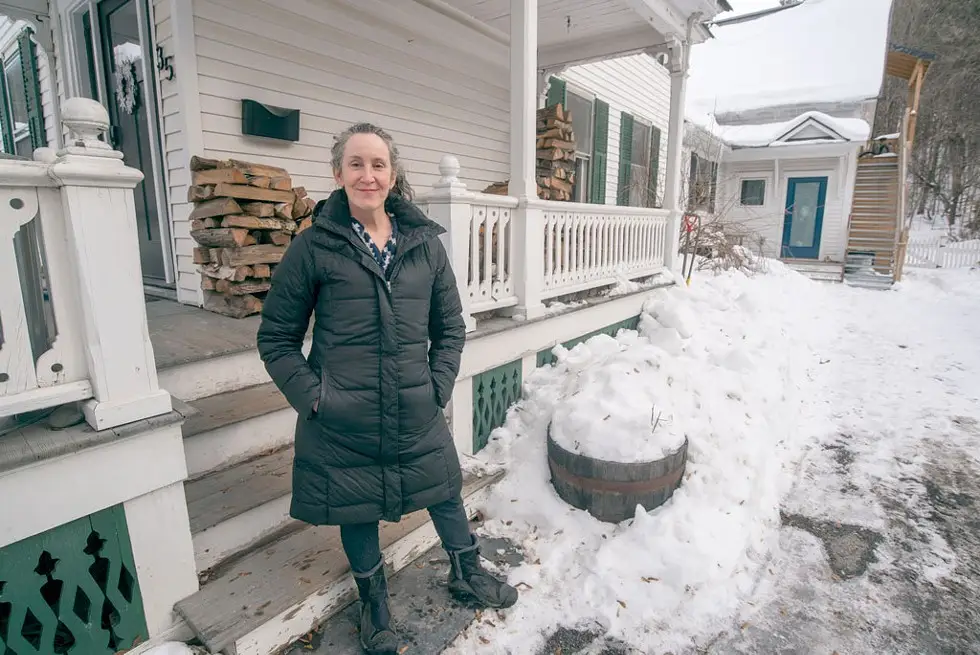
While not exclusively an ADU program, the Vermont Housing Improvement Program funds vacant-unit rehabilitations, ADUs, and new construction.
Through the program, Vermont homeowners can receive up to $50,000 to build an ADU on their property. Both landlords and owner-occupied homes with plans to rent are eligible.
Who can apply? Any Vermont homeowner can apply through one of five regional organizations serving all 14 counties: RuralEdge, Champlain Housing Trust, Cornerstone Housing Partners, Downstreet Housing and Community Development, and Windham and Windsor Housing Trust. These organizations review applications and oversee projects.
Partners anticipate opening an application window later this Fall to assign these funds to projects.
Total funding available: The program operates on Vermont’s fiscal year, which runs from July 1 through June 30. For fiscal year 2027, the program received $4 million for incentives and administration.
When are applications open? Applications are expected to open in fall 2026.
Requirements:
- Those who receive a grant must abide by certain stipulations, such as complying with local ordinances, maintaining HUD Fair Market rent, and matching at least 20% of the grant funds.
- The project must be completed within 18 months of signing the grant agreement.
- Those using their ADU as a rental property must sign a rental covenant or a forgivable loan agreement, committing to charge rent at or below the Fair Market Rent for the entire duration of the agreement.
Agency or Department in charge of distribution: Agency of Commerce and Community Development
California’s ADU program is currently out of funds
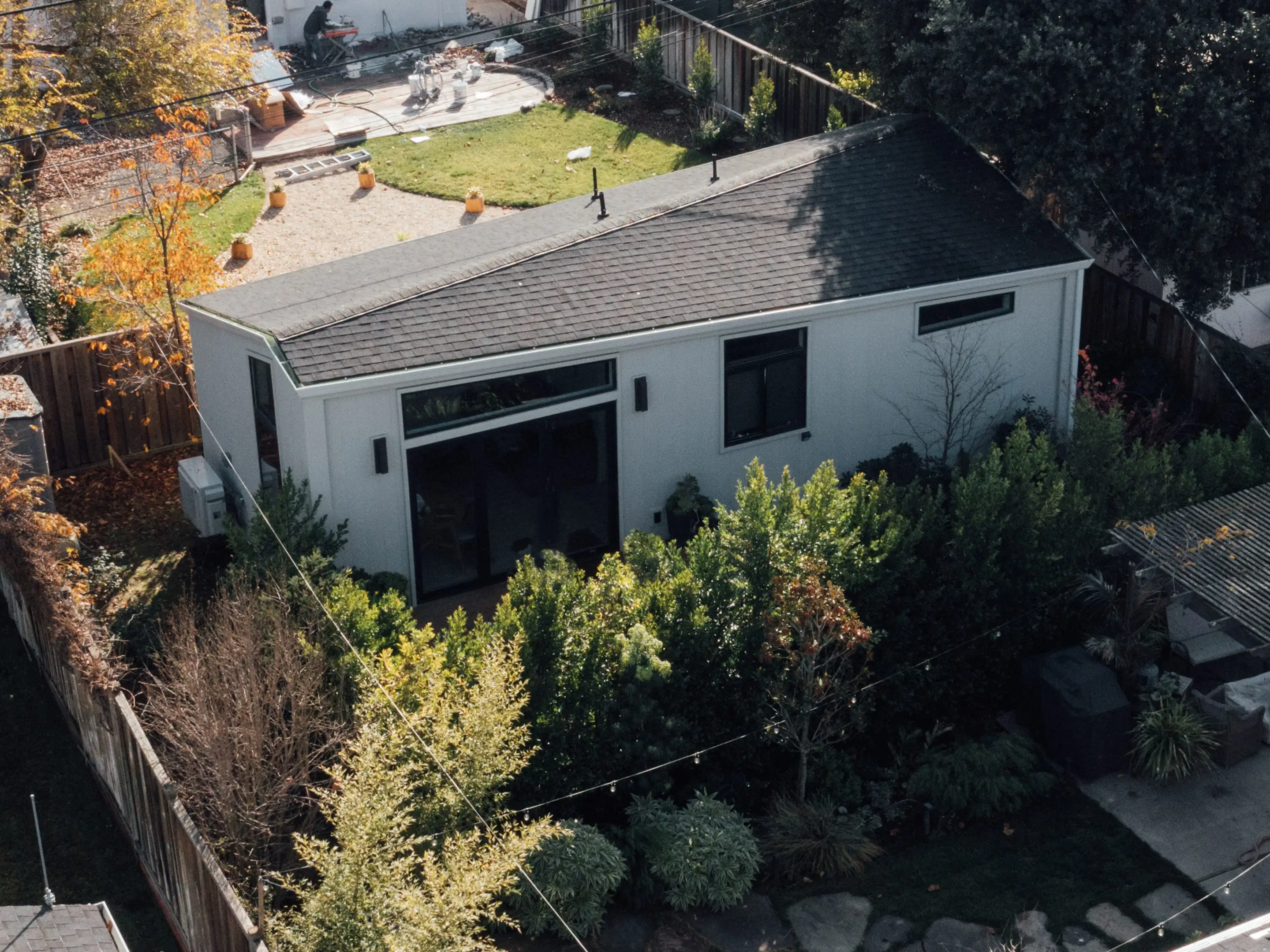
Previously, the state provided $40,000 to Californians for pre-construction ADU costs, including design, permitting, and soil inspections. However, as of 2026, no money had been allocated for the program, a spokesperson with the California Housing Finance Agency told Business Insider.
Who could apply? In the past, Californians who fell within the low- to moderate-income range were eligible.
Total funding available: $100 million was allocated in 2021, and by 2023, it had been fully distributed. The program’s funds were supplemented with $25 million in grant funding for the 2023-2024 period, but by 2026, the program had no remaining funds.
When were applications open? The program is no longer accepting applications.
Previous requirements:
- Homeowners do not need to live in the primary home or the ADU they build.
- For single-family lots, you can be approved for one ADU (attached or detached) up to 1,200 square feet and one Junior ADU up to 500 square feet.
- For multi-family lots, you can build multiple ADUs attached to existing structures and up to two detached ADUs on the property.
- Homeowners can build an ADU at least 800 square feet, up to 16 feet high, and must be set back 4 feet from the side and rear yards.
Agency or Department in charge of distribution: California Housing Finance Agency
Have you built an ADU on your property? We want to hear from you. Email the reporter, Alcynna Lloyd, at [email protected] to share your story.
Read the original article on Business Insider
The post These 5 states will pay you to build a tiny home in your backyard appeared first on Business Insider.