This is an edition of The Atlantic Daily, a newsletter that guides you through the biggest stories of the day, helps you discover new ideas, and recommends the best in culture. Sign up for it here.
Welcome back to The Daily’s Sunday culture edition, in which one Atlantic writer or editor reveals what’s keeping them entertained. Today’s special guest is Marie-Rose Sheinerman, an assistant editor who has written about President Trump’s spree to put his face on everything, the administration’s boat-strike campaign, and ICE showing up at family court.
Marie-Rose is adamant about recommending The Sopranos to her friends. She also enjoys listening to Natalia Lafourcade’s Tiny Desk concert, visiting the 2,000-year-old crocodile statue at the Metropolitan Museum of Art, and rewatching Moonstruck.
— Stephanie Bai, senior associate editor
The television show I’m most enjoying right now: I first watched The Sopranos during the height of the coronavirus pandemic and have been on a continuous loop of rewatches more or less since. To the people in my life who somehow have yet to experience it, despite my persistent recommendations: “One thing you can never say: that you haven’t been told.” The show has it all—the banality of evil, the corrosive cruelty of a certain vision of masculinity, the crushing weight of American decline. It also has pounds of gabagool, Paulie Walnuts’s chuckle, an intervention led by “the guy who broke into Stew Leonard’s that time,” and some of the funniest lines ever aired on television.
The last thing that made me laugh: Olivia Wilde’s The Invite—a dramedy about an ill-fated foursome, set almost entirely in the confines of one apartment—marked the last time I snorted from laughter in a theater. The last time I snorted from laughter, in general, would be about 90 minutes prior to writing this, when I was rewatching an episode from the first season of Derry Girls. Lisa McGee’s Netflix show is about a group of teenage friends in Northern Ireland, set against the backdrop of the Troubles. What’s special about the series is that it has the rare quality of immersing its viewers in the unvarnished perspectives of kids who talk and act like real kids, without becoming a show for kids.
The last thing that made me cry: I saw Death of a Salesman starring Nathan Lane on Broadway in May, and it’s hard to imagine that another theater experience this year will surpass its emotional impact. Laurie Metcalf’s performance as Linda Loman, in particular, left me deeply moved.
An author I will read anything by: When it’s publication day for Rachel Aviv at The New Yorker, not much else is getting done until I’m through with reading her latest.
A quiet song that I love, and a loud song that I love: I apologize for bending the rules by offering several quiet songs by way of Natalia Lafourcade’s Tiny Desk concert. To evoke whatever the opposite of Lafourcadian quiet is, try “Somebody to Love,” by Jefferson Airplane. Part of my love for the song comes from its use in Joel and Ethan Coen’s A Serious Man—my personal pick for a single piece of American Jewish art to take with me to a deserted island.
A work of art that I cherish: I have loved this 2,000-year-old crocodile since my grandmother started taking me to the Metropolitan Museum of Art, specifically its Egyptian Art wing, as one of our primary afternoon activities when I was a kid. It’s hard to say what is so special about it, but when I think about the countless hours I spent with her in those halls, first in a stroller and later walking next to her, I think of that crocodile statue.
Something I recently revisited: I think my happiest two hours of the past two weeks were the ones spent rewatching Cher and Nicolas Cage’s Moonstruck. And if you still haven’t?! Snap out of it!
A piece of journalism that recently changed my perspective on a topic: David Armstrong’s “The Price of Remission,” published by ProPublica, has come to mind on many occasions, in many contexts, since I first read it last year. The story follows Armstrong’s journey, after receiving a cancer diagnosis, to understand why a single capsule of his daily medication costs 25 cents to make yet is priced at nearly $1,000. It’s a tremendous feat of personal writing and investigative journalism, and it pried open my understanding of the individuals and systems that keep health-care costs astronomically high in the United States. It also offers a window into the cycles of hope and heartbreak that govern breakthroughs in cancer research; for more of that, I highly recommend Siddhartha Mukherjee’s The Emperor of All Maladies: A Biography of Cancer.
A favorite story I’ve read in The Atlantic: Limiting myself to one is an extremely tall order, but I might choose Stephanie McCrummen’s story in the August issue: “The Demon Next Door.” It’s a master class in unearthing startling facts and in constructing startling sentences.
My favorite way of wasting time on my phone: There are two rabbit holes I have, unfortunately, tumbled down—one human, the other not, but both topsy-turvy in ways that Lewis Carroll could not have foreseen. For more than a year now, when I’ve wanted to dial my brain down, the Queen of RichTok’s Instagram has proved a reliable resource. Videos by Becca Bloom, as Rebecca Ma is known online, are hard to look away from—she occupies an uncanny world where she wears custom Van Cleef & Arpels while feeding a breakfast bowl of caviar, edible flowers, and salmon sashimi to her cat. The cat’s name is Oscar, and I’m as familiar with his diet as I am with that of my roommate.
The other rabbit hole deposits me in the mysterious world of love and betrayal among AI-generated fruit. To borrow a turn of phrase that Riverdale applied to high-school football, you’ve either experienced the epic highs and lows of Bananito and Strawberrina’s whirlwind affairs, or you haven’t—and I’ll leave it at that.
A good recommendation I recently received: Virginia Evans’s debut novel, The Correspondent, was recommended to me by not one but two colleagues, and it did not disappoint.
A poem, or line of poetry, that I return to: There’s a strong argument to be made that childhood begins to end the moment you realize that your parents are—and, even more remarkably, always were—people with anxieties and obligations and dreams of their own, much like the person you are becoming now. “The Raincoat,” by Ada Limón, is a poem I first encountered the summer after graduating high school; each time I have read it since, I’ve been struck by it all over again. Limón’s narrator, while driving home from a medical appointment, reflects on how her mother took her to scores of such appointments as a kid, during which she never asked her mother “what she gave up to drive me, / or how her day was before this chore.” Then, she spots a mother taking off her own rain jacket to shield her daughter from a storm:
My god,
I thought, my whole life I’ve been under her
raincoat thinking it was somehow a marvel
that I never got wet.
Here are three Sunday reads from The Atlantic:
- Why Americans stopped throwing dinner parties
- The great data-center rebellion
- The babies left behind in America
The Week Ahead
- Other Mommy, a horror film about a mother and the sinister entity that begins impersonating her (in theaters Friday)
- Small Prophets, a comedy series about a man who turns to alchemy to solve the mystery of his girlfriend’s disappearance (streaming Wednesday on Apple TV)
- Partita, a novel by Barbara Kingsolver about a rural woman and the classical-music career she left behind (out Tuesday)
Essay
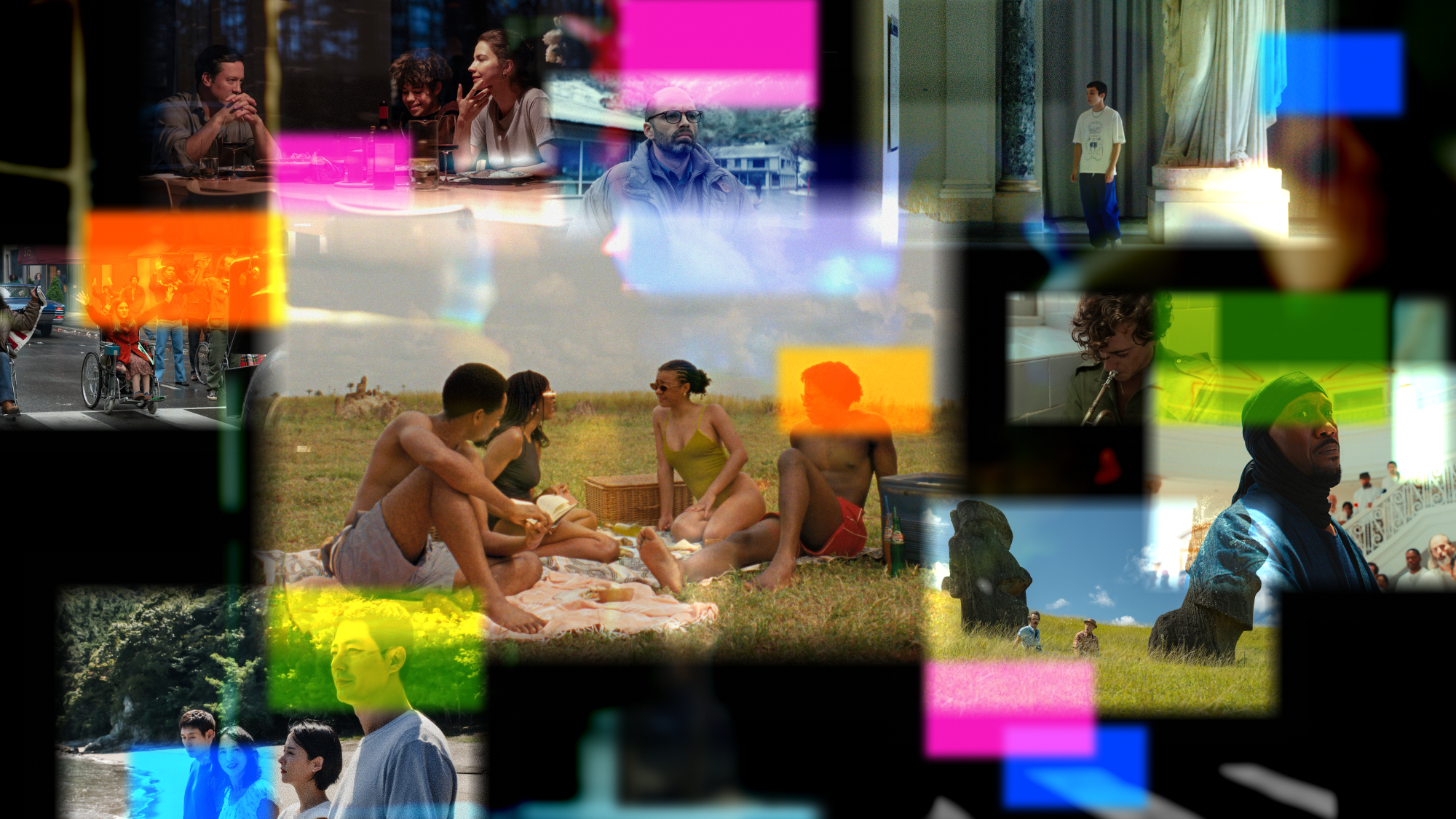
The 14 Movies to Look Out for This Fall
By Shirley Li
The Princess Bride. The Shawshank Redemption. Almost Famous. Over the course of its 51-year history, the Toronto International Film Festival has hosted notable films of all genres and styles. The 2026 edition, which concluded in mid-September, curated movies from rising talent and established filmmakers alike, including a modern-day Nigerian-set remake of Mrs. Dalloway, a gorgeous coming-of-age drama about a school trip to Pompeii, and a rollicking comedy about a community-theater troupe attempting to stage a musical. Below are 14 of my favorite films from the ones I caught, most of which will arrive in theaters in the coming months.
More in Culture
- Manipulator vs. manipulator
- One reason people are spending so much time alone
- Is college getting less safe for women?
- Literature is becoming more like a video game.
- The missed opportunity of NAZA
Catch Up on The Atlantic
- Is there anything Kash Patel won’t do for Trump before the midterms?
- Jonathan Lemire: What is Trump doing?
- Inside the biggest feud in artificial intelligence
Photo Album
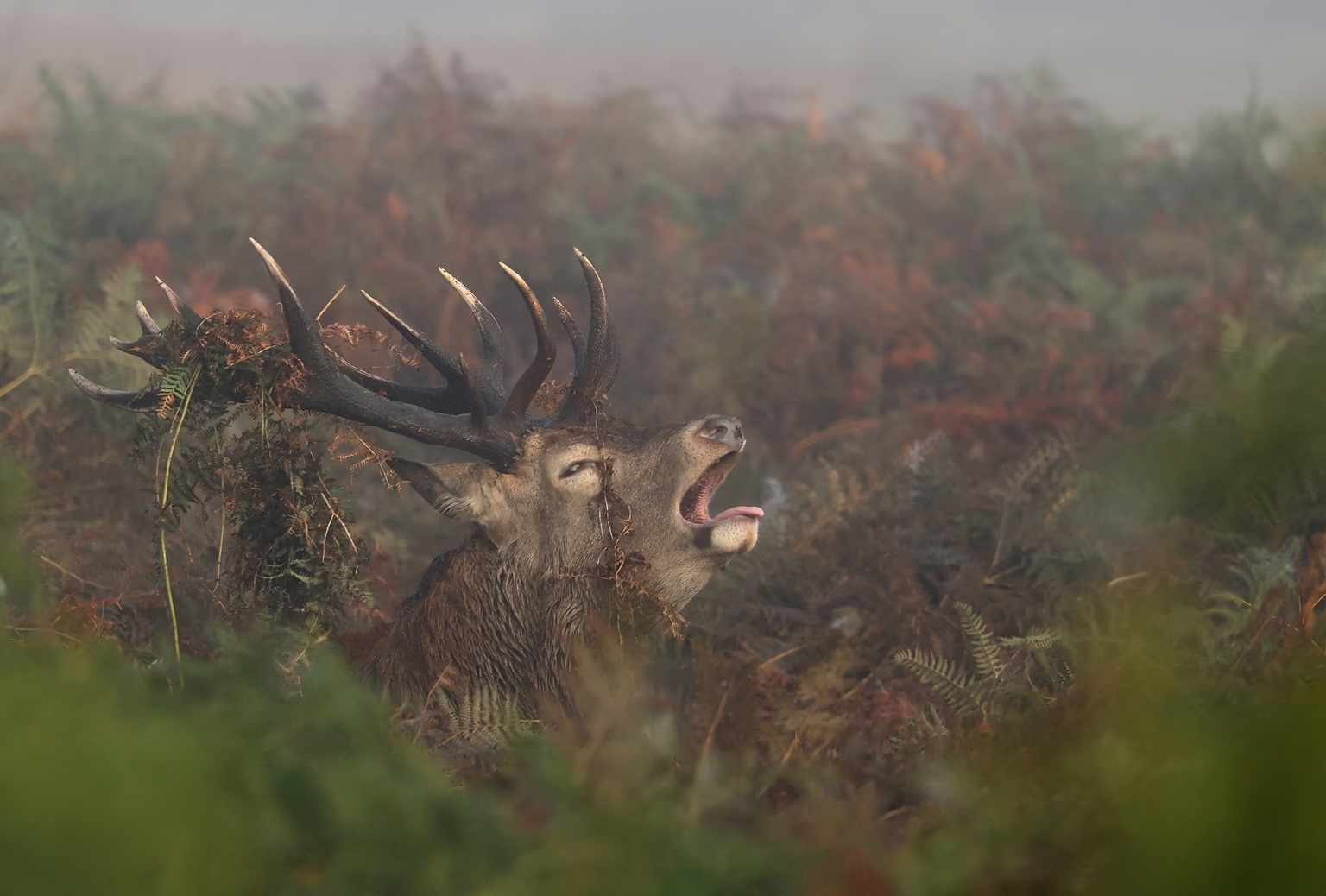
Last year, Alan Taylor compiled some colorful early-autumn images from across the Northern Hemisphere.
Rafaela Jinich contributed to this newsletter.
Explore all of our newsletters.
When you buy a book using a link in this newsletter, we receive a commission. Thank you for supporting The Atlantic.
The post A TV Show Where Teens Actually Act Like Teens appeared first on The Atlantic.