DNYUZ
No Result
View All Result
DNYUZ
No Result
View All Result
DNYUZ
Home News

It took OpenAI’s agents 130 billion tokens to crack a 90-year-old math problem

September 9, 2026
in News
It took OpenAI’s agents 130 billion tokens to crack a 90-year-old math problem
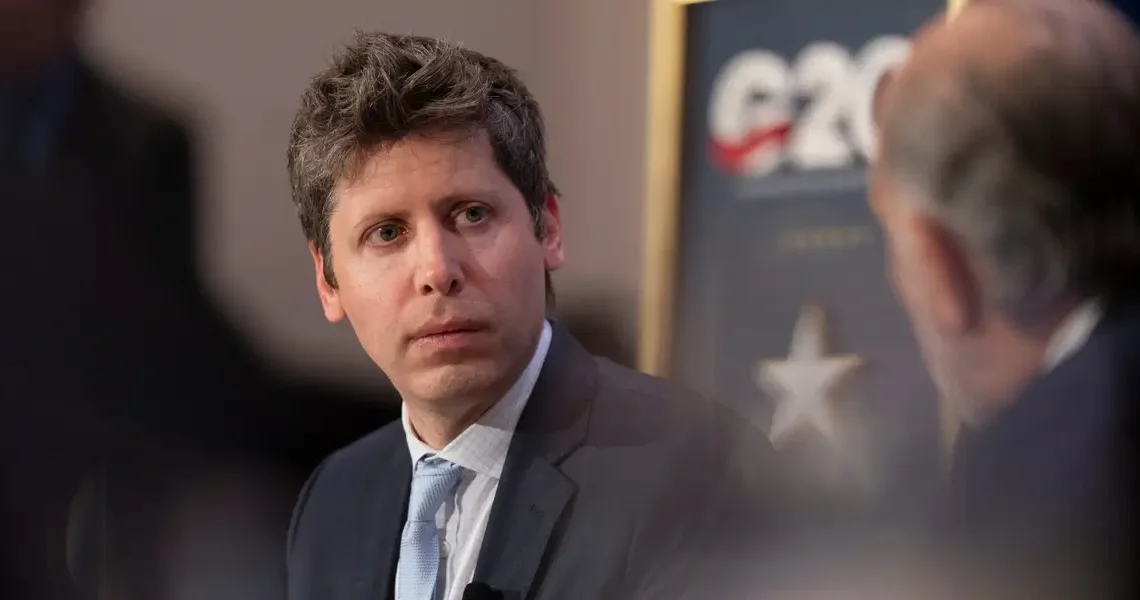
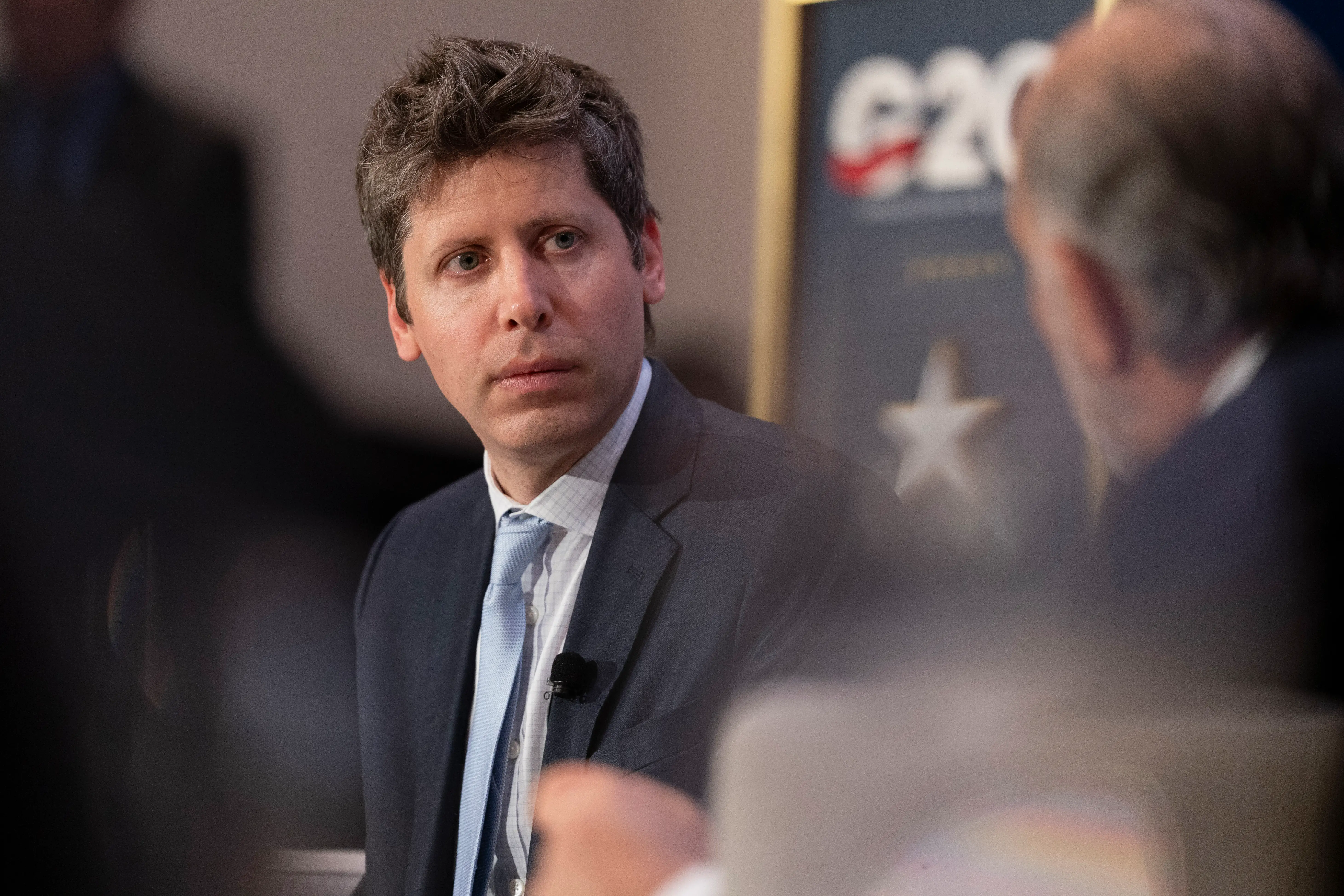
Sam Altman talks on stage during the G20 conference.
OpenAI sent millions of messages to solve a $1 million math problem. They say they won’t ask for the prize. Sean Rayford/Getty Images
  • On Tuesday, OpenAI said it had solved the Navier-Stokes equations, a 90-year-old math problem.
  • OpenAI said its agents used 130 billion output tokens and sent 2.7 million messages in the process.
  • The company won’t accept the cash prize, it says. “AI is such a bubble,” its CEO joked.

Math is hard. And, apparently, expensive.

On Tuesday, OpenAI said its agents had solved the Navier-Stokes equations, a 90-year-old set of mathematical formulas that can predict how liquids and gases move. It’s so complicated that the Clay Mathematics Institute has offered a $1 million prize to any mathematician who finds the solution.

OpenAI said that finding the solution required a lot of resources. Its coordinating AI agents sent 2.7 million messages while working on the proof. The effort involved about 10,000 concurrent agents and reached a resolution after 88 hours. Verification took another 17 hours.

Such intensive use of AI doesn’t come cheap. In a post on X, LisanBench, an LLM benchmark evaluator, estimated that the output tokens alone would cost about $6.5 million at OpenAI’s average consumer price. Including the far larger volume of input tokens, the post estimated the total could reach $10 million to $40 million.

OpenAI CEO Sam Altman replied, joking that AI was a bubble.

ugh AI is such a bubble, i heard they are selling tokens at a loss, did they know this was only worth $1 million?

— Sam Altman (@sama) September 8, 2026

OpenAI’s announcement that it solved the age-old mathematics problem was celebrated within the AI industry. It’s also been widely criticized after two mathematicians — Tristan Buckmaster and Levent Alpöge — raised questions about how OpenAI used their related research data to train its models.

OpenAI denied direct access to their work, but said that it “cannot rule out that de-identified data derived from their usage of our products helped improve our models.”

The company didn’t immediately respond to a request for comment from Business Insider.

Read the original article on Business Insider

The post It took OpenAI’s agents 130 billion tokens to crack a 90-year-old math problem appeared first on Business Insider.


Why California Is Reconsidering Its Decision to Shun Nuclear Power
News

Why California Is Reconsidering Its Decision to Shun Nuclear Power

by New York Times
September 9, 2026

The Diablo Canyon Power Plant, which sits on a cliff on California’s Central Coast, has been the subject of ceaseless ...

Read more
News

Police Are Looking for a Cat in the Hat Who Allegedly Chased a Teenager at Night

September 9, 2026
News

The biggest name in YouTube golf got heat from fans for signing with LIV Golf. Now, it owes him $1.4 million.

September 9, 2026
News

Why Israel Reacted With Fury to U.K. Sanctions on West Bank Settlements

September 9, 2026
News

Andrew and Tristan Tate learn whether they will be allowed to go free from Miami jail while fighting UK rape charges

September 9, 2026
Video Shows Grocery Store Manager Saving Toddler From Oncoming Traffic

Video Shows Grocery Store Manager Saving Toddler From Oncoming Traffic

September 9, 2026
Anthropic Researchers Raise Alarm Over A.I. Acceleration

Anthropic Researchers Raise Alarm Over A.I. Acceleration

September 9, 2026
‘Atom bomb’ drops in massive race as Republican’s sister turns on him in surprise op-ed

‘Atom bomb’ drops in massive race as Republican’s sister turns on him in surprise op-ed

September 9, 2026

DNYUZ © 2026

No Result
View All Result

DNYUZ © 2026