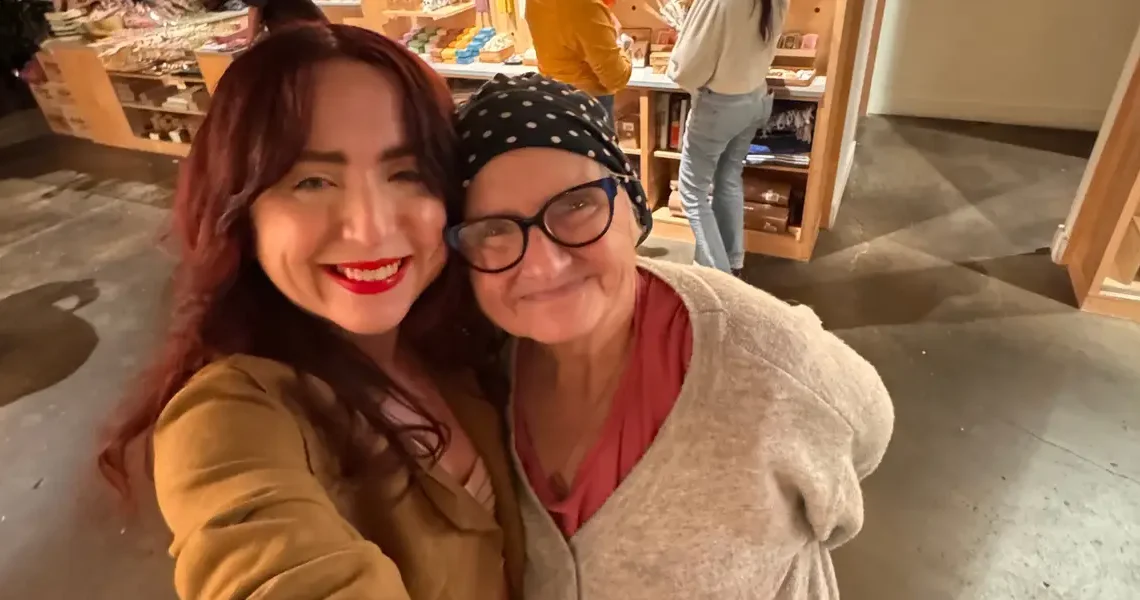
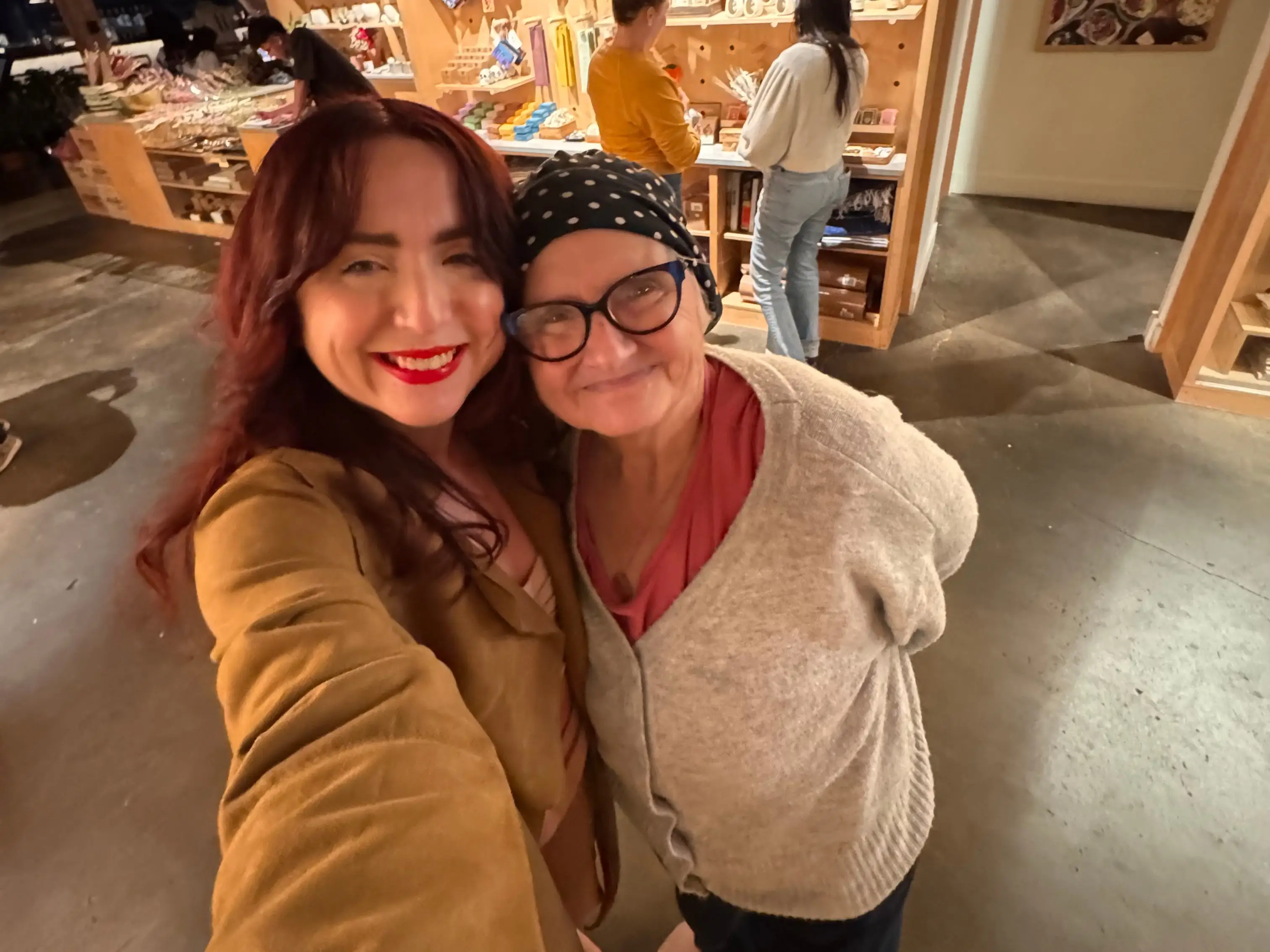
For years, my mom and I were likened to the Gilmore Girls because of our bond. But there’s no episode where Rory has to tell Lorelai she has cancer.
It was a reality I was forced to confront in early 2025, when my mom had to have a hysterectomy due to a large tumor pressing on her uterus. Her surgical oncologist informed me over the phone that it was cancerous while she was still in the operating room.
Initially, I felt optimistic, assuming that the cancer must be gone after the tumor removal. He explained that they had biopsied some other concerning lymph nodes in her body and wouldn’t be able to rule out cancer entirely until those were tested.
When my mom woke up from the procedure, I assumed the surgical oncologist would return to inform her of the news. He never came back, so I had to tell my mom — the woman who gave me life — that she did, in fact, have a cancerous tumor, and that we both had to wait several weeks to find out if there was any cancer left in her body.
The roles were reversed that day. I became my mom’s sole caregiver. Three weeks later, we found out she had a rare form of uterine cancer — Stage 3 adenocarcinoma.
I didn’t miss any of my mom’s appointments
Even though it was traumatizing to hear my mom’s diagnosis, I’m grateful I was there by her side. She credited me afterward for being able to think of informative questions to ask during the appointment, as she was in pure shock — one way I never anticipated my journalistic skills to come into good use.
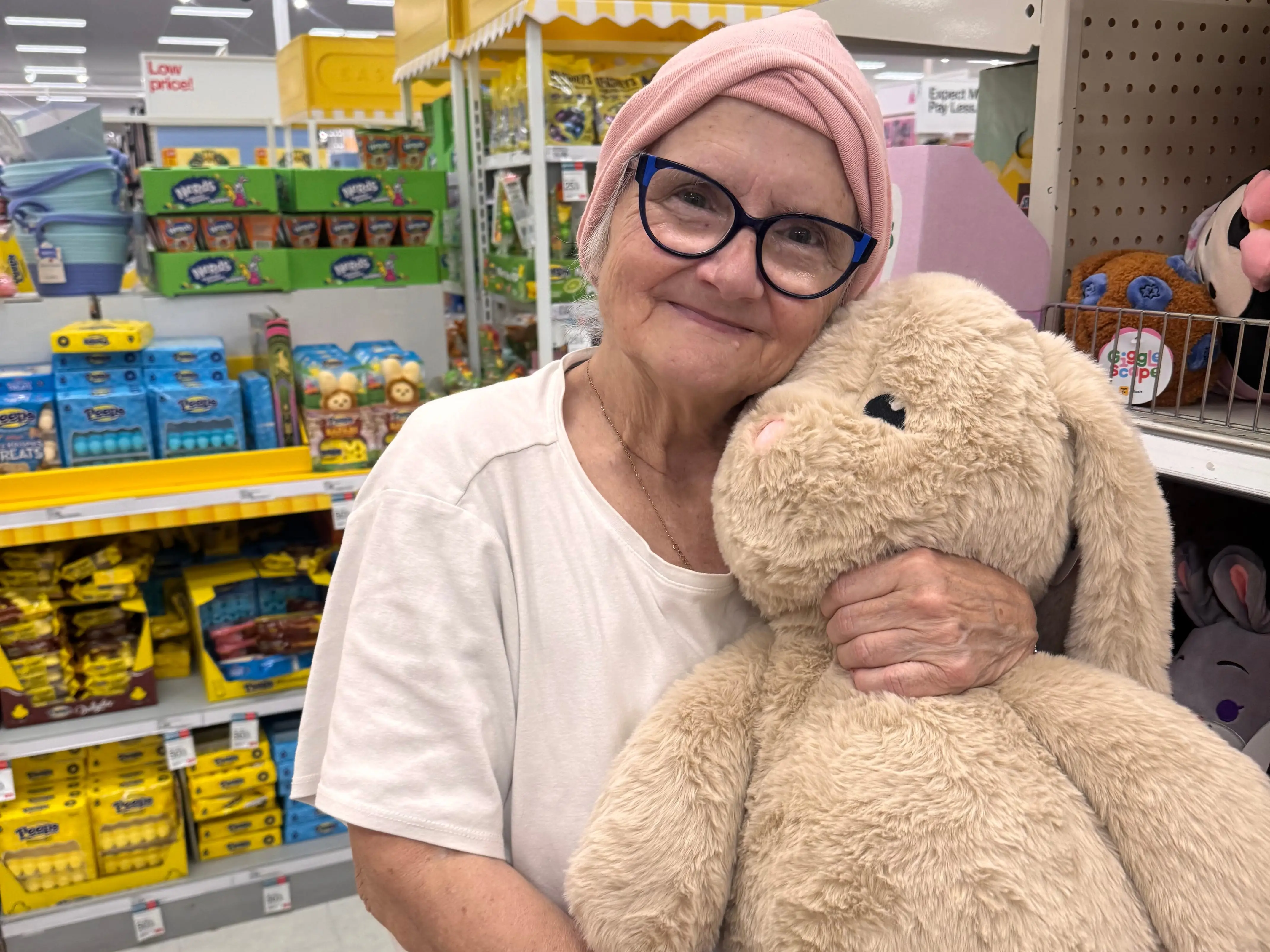
I knew my mom was a very straightforward woman, having spent 20 years in the Air Force as an aircraft maintenance technician. I understood how she found comfort in stressful situations — and that was actually understanding what she was dealing with, the truth that wasn’t sugarcoated.
Turning on my journalist side honestly helped me cope as well, so I went straight into question mode. What did adenocarcinoma mean? Why didn’t it go away when they removed my mom’s uterus and the large tumor that led to this situation in the first place?
Adenocarcinomas are tricky. They’re essentially in the glands of different organs. My mom began to understand why she needed chemotherapy.
I was on call whenever she needed me
I went with my mom when she got her port: it’s a small device surgically implanted in cancer patients for easier bloodstream access during chemotherapy. My mom and I both love Marvel movies, so I joked that she was like Iron Man.
From there on out, I stayed by her side during every chemotherapy session and doctor’s appointment. Chemo rooms can feel rather lonely and isolating — I noticed most of the other patients also had loved ones by their side.
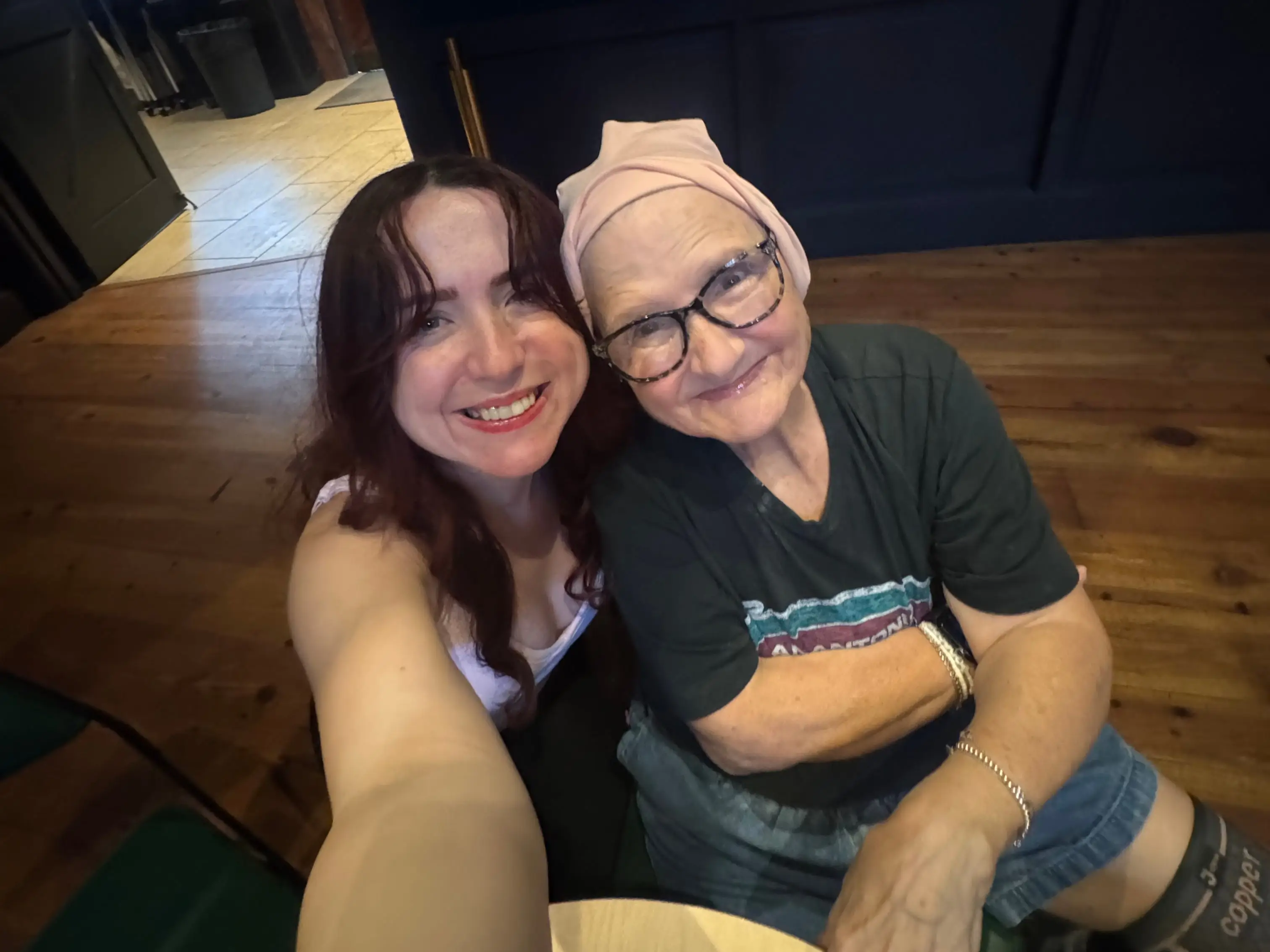
I considered myself on call for my mom whenever she needed me. I had been contemplating a move to Austin prior to her diagnosis — but I’ve put it on hold so I can be nearby when she needs me. I’ve had to drive her on countless occasions when she wasn’t feeling well and needed to get somewhere, and I’ve taken her to the ER multiple times and run errands for her when she was told to stay away from large crowds. I didn’t mind, and I still don’t.
Stress got to me
Throughout my time being on call for my mom in terms of presence and emotional support as her sole caregiver, I started to notice I was drowning in deep fatigue.
Writing was my main source of income, and yet my words began to fail. I would stare at the screen and not even remember later if I wrote anything. Was it depression? I found it hard to get out of bed in the mornings, but the energy (or adrenaline) always came when my mom was in need.
I also started to notice severe pain in my lower back. I wanted to yell at my body — couldn’t these things wait until she was better? I tried to put on a brave front for my mom, but inwardly I felt like I was crumbling. To make things worse, I was told during an ER visit for my back pain that it looked like I had bone cancer. I lost it in the communal room where I was completely alone. My mom had offered to join me during my visit, but I told her to stay away because she was immunocompromised.
The tears I had been suppressing for months finally broke free.
Months later, I broke down to her about how my work had been a struggle because of the horrible fatigue and brain fog I had been experiencing. I hadn’t wanted to stress her out because her cancer had progressed to Stage 4. I was still trying to figure out what was causing all my symptoms on my own, outside caregiving for her.
She insisted that I needed to be taken care of, too. Even though I didn’t like crying, it felt nice to have her motherly comfort again. I realized how much I needed it.
Thanks to my mom’s insistence, I finally found out I had osteoporosis and Hashimoto’s thyroiditis — an autoimmune condition that causes terrible fatigue, brain fog, and a host of other symptoms.
It was then that I began to realize my mom’s strength returned when her only daughter needed her. I was so determined to be a perfect caregiver, when in all actuality, I needed to give her permission to be a mom again.
I treat her like my mom and not a cancer patient
Treating my mom like my mom and not my mom the cancer patient has been more beneficial for both of us. I texted her with excitement when I was put on the right dose of thyroid medication after months of struggling, and that I was going to start treatment for my osteoporosis.
Nowadays, my mom is still bravely fighting Stage 4 cancer, more than a year after her initial diagnosis. But I’ve found that we both find strength in staying dedicated to normal activities — I’ll invite her over to my apartment to binge-watch “Grey’s Anatomy” and cook her light meals. I take her out to events I get invited to when she feels up to it, where people in my community are well-versed in her situation because I post updates about her health on my Instagram. One of my favorite markets in town banded together to put together a care package for her when her white blood cell count dropped dangerously low. Seeing her face light up when I gave her the care package was a gift in itself.
My mom is so much more than her cancer diagnosis. I would gladly be her caregiver in any lifetime.
Read the original article on Business Insider
The post My mom got cancer, and I became her caregiver at 34. It showed me I still need my mom. appeared first on Business Insider.