As the US-Canadian trade war expands, some Canadians are purposefully shrinking their shopping options by staying local.
It isn’t easy.
Earlier this week, President Donald Trump’s 50% tariffs on about $20 billion in Canadian goods went into effect, prompting “dollar-for-dollar” retaliatory tariffs from Canada — the latest escalation since the trade war officially began in March 2025, affecting industries ranging from manufacturing to alcohol.
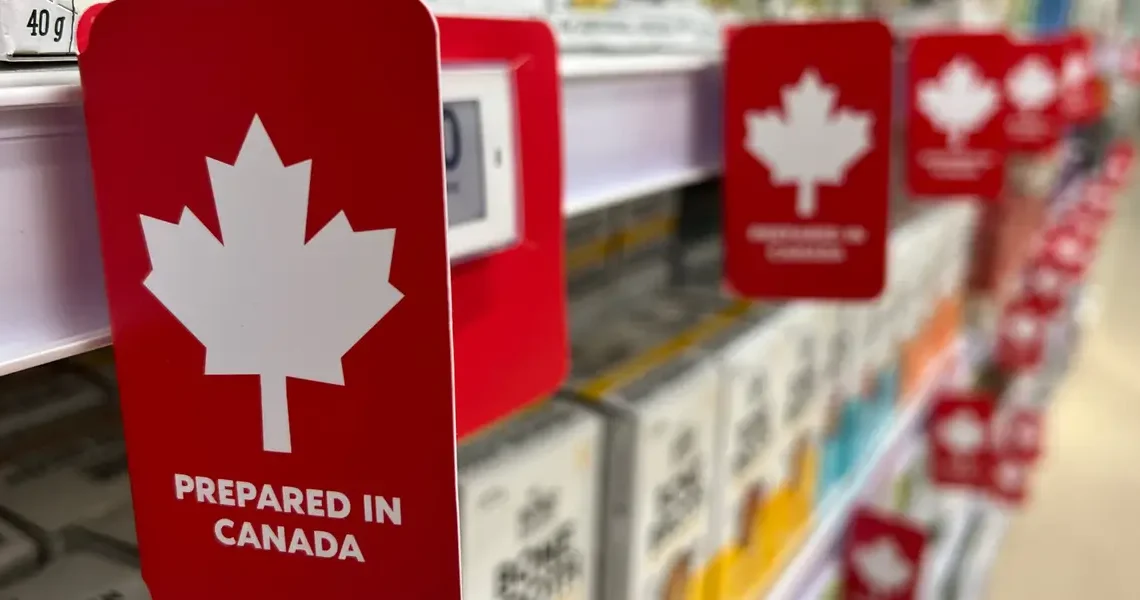
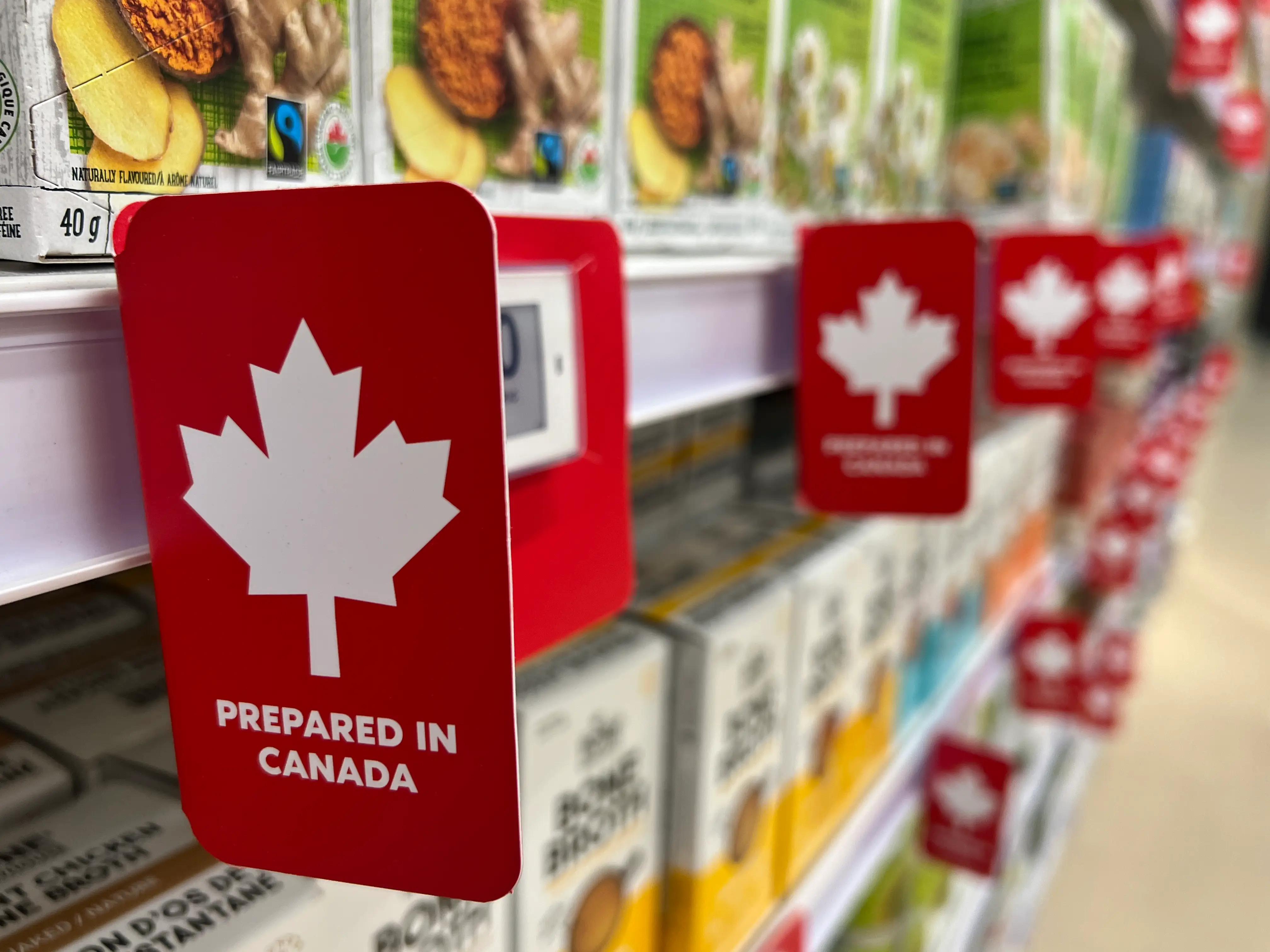
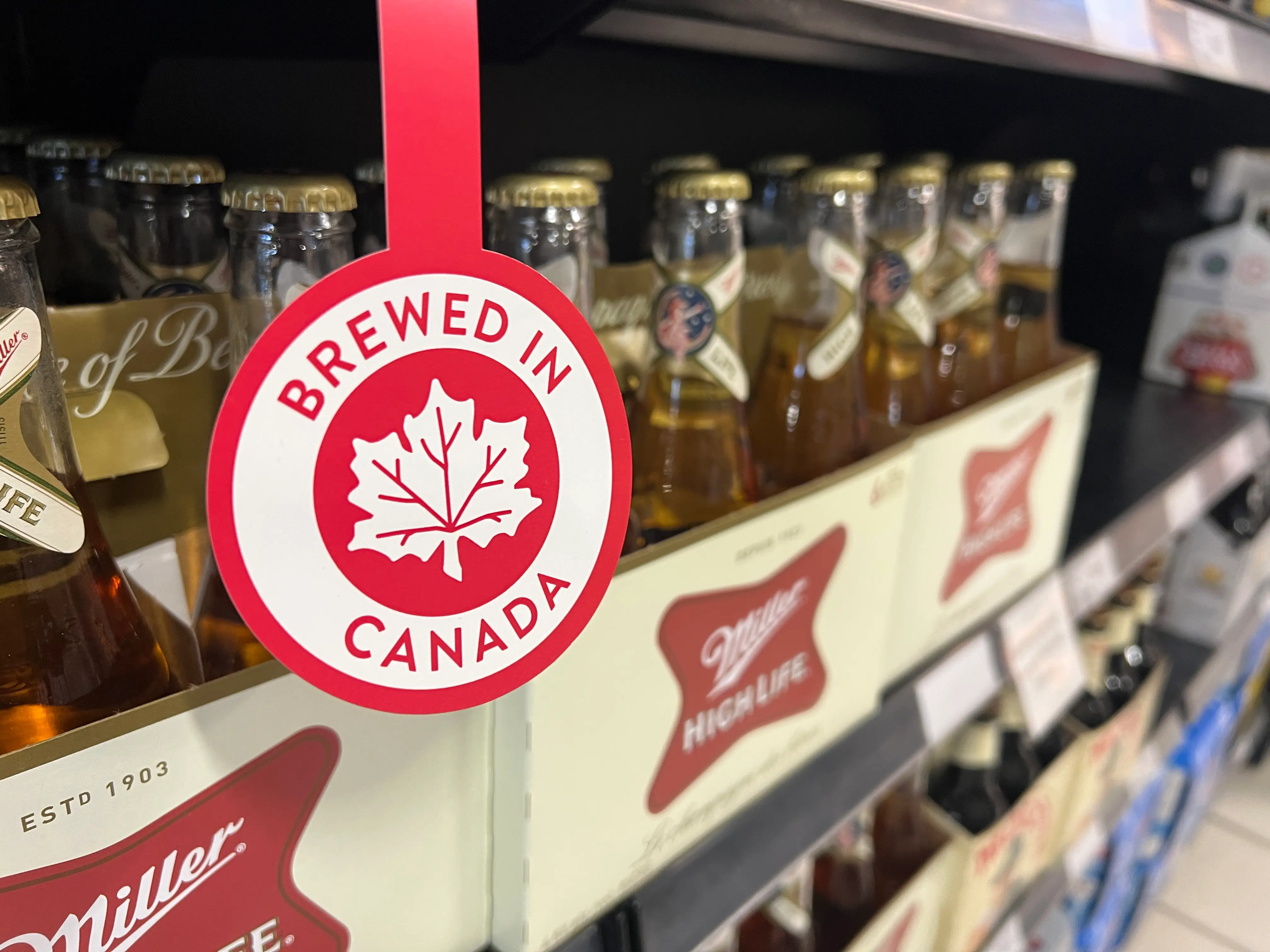
To push back, some Canadian businesses started displaying “Made in Canada” labels in their stores last spring, prompting shoppers to consider swapping their US grocery hauls for more locally sourced fare.

Sarah Chudleigh, a 28-year-old content marketer in Montreal, distinctly remembers a shift around that time when she and her friends started prioritizing Canadian goods. “It felt like there was one big full swing last year, maybe just before the summer, when it became more of a collective notion,” she told Business Insider.
While she’s made some great Canadian discoveries, like Ungava Gin and Romeo’s Gin from Quebec, “there isn’t always a direct swap for the American goods we’re used to buying,” she said. In some cases, she still prefers to buy some American produce like oranges, which are sourced closer to Canada, and she feels tend to be higher quality than those shipped from overseas.
From analyzing “made in” labels to paying more for product swaps, Canadians say shopping locally doesn’t come without a price.
Discovering Canada’s homegrown products
Early in 2025, Alice Wu made a personal choice to shop more locally. Since then, it’s opened up her world.
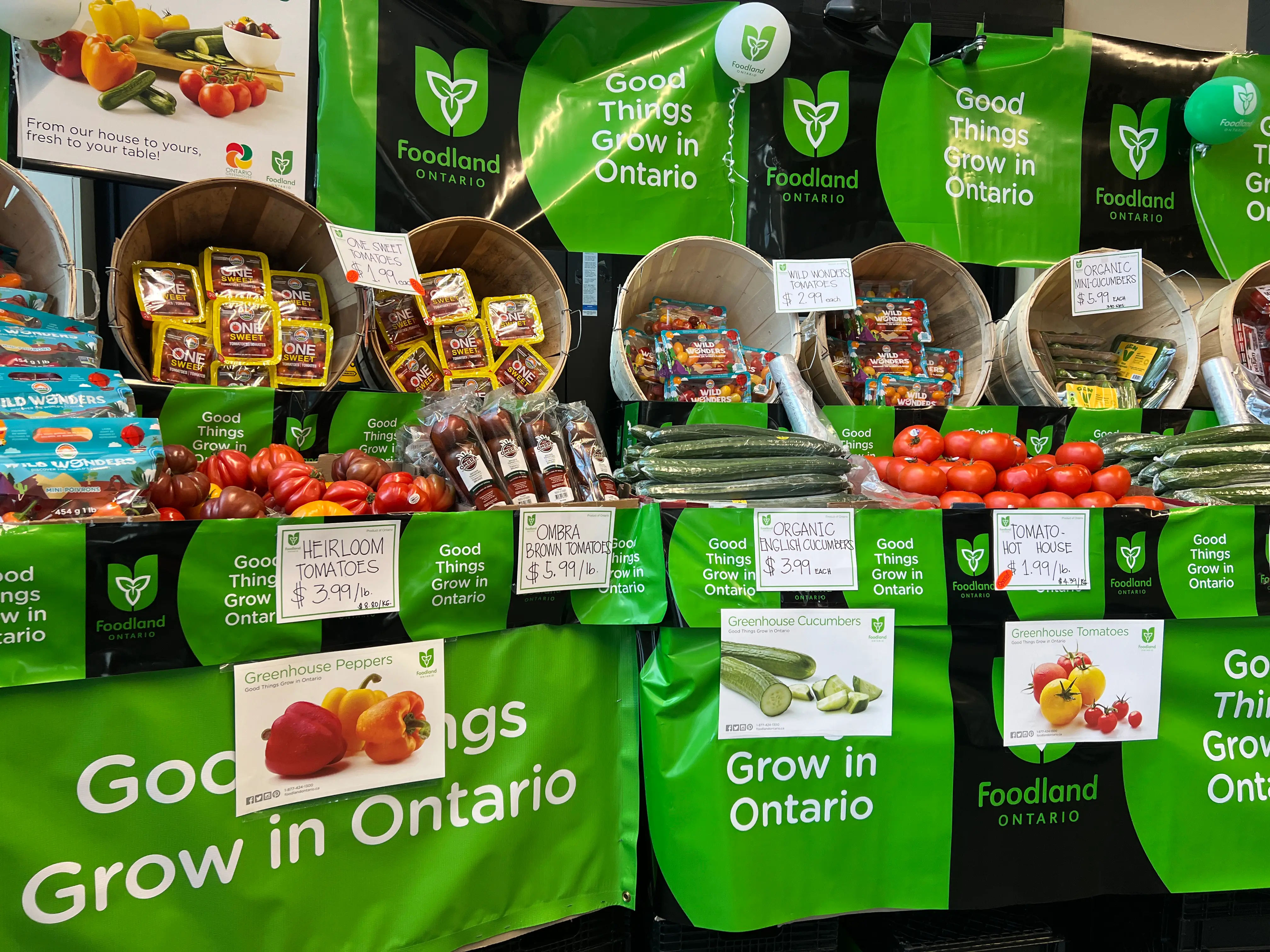
“I’m pretty sure I’ve visited more local vendors, farms, greenhouses, and boutique shops in the last year than I have in the previous five years,” Wu, 46, a senior PR associate, told Business Insider.
When buying more seasonal produce, like peaches at her local farmers market, the mom of two living on the Canadian side of Niagara Falls found that it tastes fresher and costs less than the imported US version. Switching from General Mills to Nature’s Path cereal, a Canadian brand, hasn’t felt like a sacrifice either — she personally thinks Nature’s Path tastes like a higher quality product.
While some swaps took more trial and error — her 9-year-old son was not a fan of replacing Oreos with Canada’s Dare cookies — she’s generally been able to find solutions, such as chocolate chip cookies baked at a local grocery store.
For some Canadians, staying more local has taken on a more literal meaning. Prior to the trade war, travel blogger Emilie Brillon, a mom of two living near Calgary, focused her business on global travel, including within the US.

Now she documents her family’s road trips across Canada and has even switched her website to a “ca” URL.
“It’s so beautiful, and even within each province, it’s so different,” Brillon, 38, told Business Insider. “We realize how lucky we are to be here.”
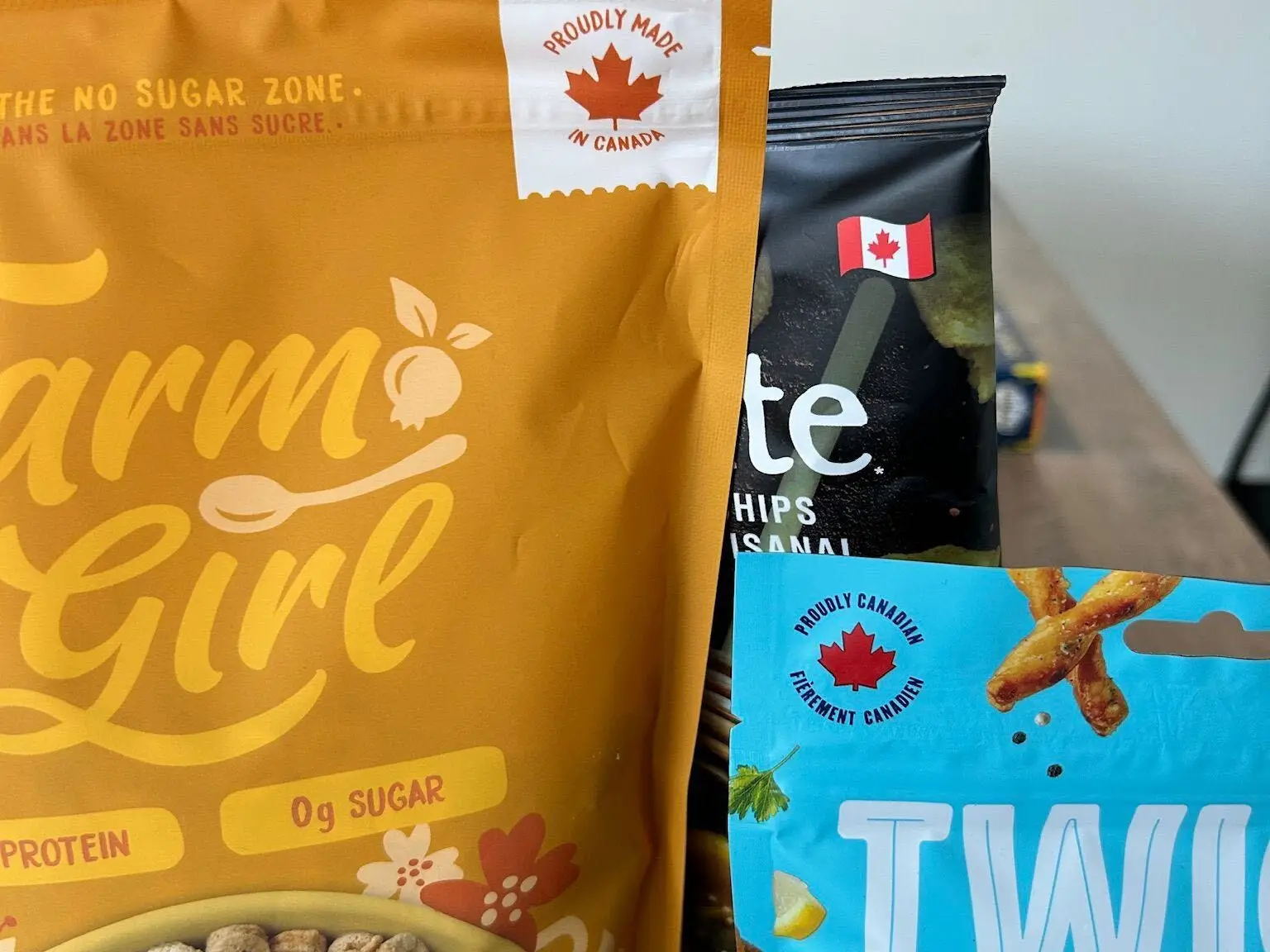
Along the way, she’s also enjoyed buying outdoor gear like The Green Beaver sunscreen from Ontario, Slopedeck snowskates from British Columbia, and Farm Girl cereal manufactured in Ontario.
The confusing world of ‘maple washing’
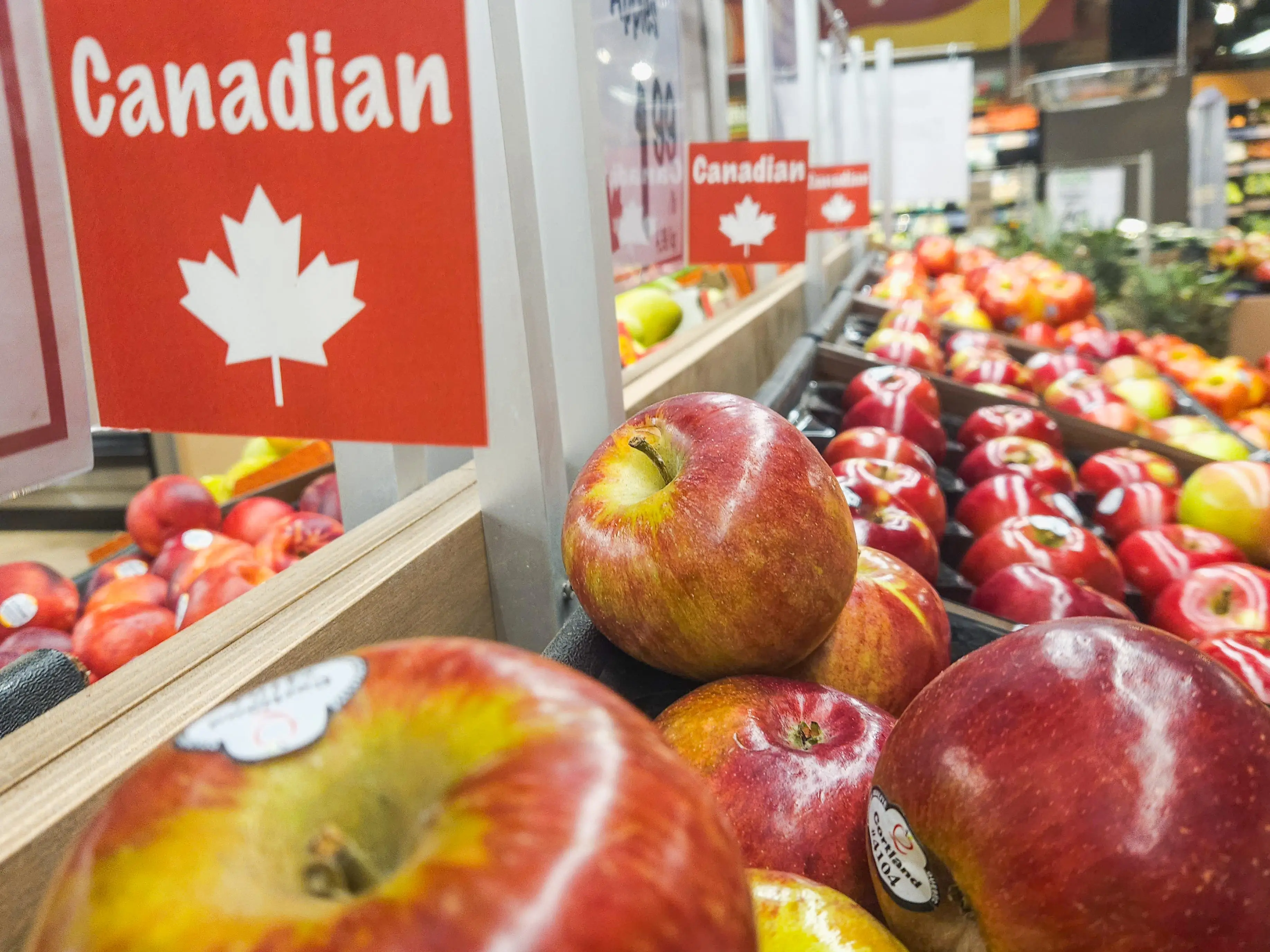
Last year, some Canadian businesses promoting “made in Canada” products found themselves in a sticky controversy. They were “maple washing” their items, deceiving consumers by slapping maple leaf stickers onto imported products — including some from the US — to indicate that they are Canadian.
For some shoppers, this added a new hurdle at the grocery store.
“Now, I make it more of a point myself to look at the actual product’s label to see if it was either made in Canada or packaged in Canada or if there is something to do with Canada,” Wu said.
Then there’s the question of what actually counts as a Canadian product.
“There are a lot of different ways to frame whether something is Canadian or not, and it’s not really an easy ‘yes’ or ‘no’ answer,” Chudleigh said. “Do the materials need to be from Canada? Probably not. Does it need to be made in Canada? Probably. Is it Canadian ownership? Usually that’s what they mean.”
For Chudleigh, litigating whether every single product in her cart counts as Canadian is too time-consuming. “I take the very simple answer of whether it’s Canadian or not at face value,” she said, trusting stores to use the correct labels. “It would’ve been so much effort otherwise.”
Quitting America comes at a cost
Some US products are just too hard to give up.
For Brillon, it’s the tech products from Google and Meta that she uses for her work as a content creator. For Wu, it’s Legos for her kids.
Some fresh produce is also hard to get without metaphorically crossing the border. Brillon will sometimes buy US-imported cauliflower and lettuce in the offseason winter months, when they’re trickier to find, from her local grocery stores, which still carry US products.
Then there are costs to consider. For meat, Wu said she skips the label and goes with the lower price. “Being a mom, budget is still a concern and sometimes, a US product is just priced way cheaper than the Canadian equivalent,” she said.
Brillon said her grocery bills have generally increased since she started prioritizing more Canadian products. “I know it’s a real privilege to be able to decide on a product based on its origin label and not on the pricing,” Brillon said. “I know not everyone in this economy can do that.”
While Brillon said she’s grateful her family can afford to pay a little more, she hopes the trade war fizzles out soon: Her husband is from California, and they have friends and family in the states. While she still only promotes travel within Canada on her blog and social media, Brillon’s family goes to the US once a year so her kids can see their cousins.
“Everyone is nice — we’re still close, and we’ve had a good relationship,” she said. “It’s a shame that we’re here today.”
In the meantime, some Canadians view shopping locally as a non-confrontational way to state their views. “I don’t go out on social media and vent,” Wu said. “I figure I can just do it as an individual, do what I can to support the country I live in.”
Read the original article on Business Insider
The post What it takes to live an America-free lifestyle in Canada. Spoiler: It’s not easy. appeared first on Business Insider.