This is an edition of the Books Briefing, our editors’ weekly guide to the best in books. Sign up for it here.
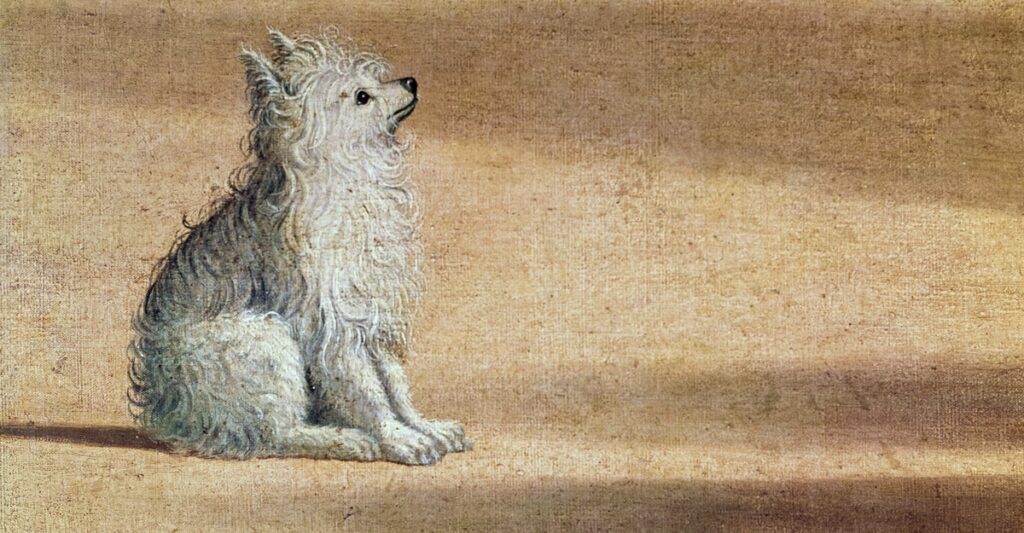
Humans used to spend a lot of time thinking about what separated us from animals. René Descartes, who wrote, “I think, therefore I am,” practiced vivisection on rabbits and dogs because he thought that they lacked consciousness. Then Charles Darwin argued convincingly that humans are indeed animals—and now, in the time of AI, we tend to think a lot more about what separates us from machines. I certainly have been, especially after reading Michael Pollan’s recent book on consciousness, A World Appears, and seeing his ideas reverberate in the Atlantic staff writer Judith Shulevitz’s article this week about the depiction of dogs in art.
First, here are five stories from The Atlantic’s Books section:
- How to save marriage
- The art of the joyful tearjerker
- The plight of the radical’s children
- What to read to really understand music
- “Memories of Green,” a poem by Adam Harris
Shulevitz begins her essay, about Thomas W. Laqueur’s new book, The Dog’s Gaze: A Visual History, by describing a sensation familiar to most dog owners (and to me as I write this and my terrier gazes up from under my desk): that we are being stared at. “People speak with their eyes all the time,” Shulevitz writes, “but every so often I’d be struck with wonder that a consciousness as radically different from mine” as a dog’s “could communicate so effectively.” Laqueur’s book dwells on the way that canines often function in art—as seers of things that people miss. In Giovanni Battista Tiepolo’s The Finding of Moses, a dog spies a young girl whose presence unlocks the painting’s meaning. In Francisco de Goya’s Blind Beggar With Dog, a man has his eyes closed, “but the dog’s eyes are open and piercing,” Shulevitz writes, “providing a center of consciousness and a conscience.”
In Pollan’s exploration of consciousness, which he frames as our most vexing scientific conundrum, animals feature mostly in a chapter on feeling. Charles Finch, who wrote about Pollan’s book in The Atlantic, believes that this section contains “the book’s finest passages.” He quotes one that neatly summarizes an important scientific shift on the subject: “It is one of the paradoxes of computer science that the ‘higher’ capabilities we once thought of as uniquely human—reason, language, intelligence—have proved easier for machines to master than the more elemental capacities we share with animals, including feelings and emotions.”
Pollan’s book is not explicitly about AI, but he is thinking about it as much as many other writers are at this moment. He believes that the biggest question on that topic is not what machines can do but what they can’t. Among our non-machine capabilities are many that are not uniquely human: sentience, emotion, and the kind of felt experience that drives intuition. AI’s lack of these qualities might explain why machine-made art is lackluster, and why large language models might fool some editors and prize juries but—at least for the moment—fall far short of brilliance. “Artists use dogs to do what both they and dogs are good at: telling us where to look,” Shulevitz writes. Maybe if Descartes had known that, he would have come up with a more enduring theory of consciousness. And maybe he would have left those poor pups alone.
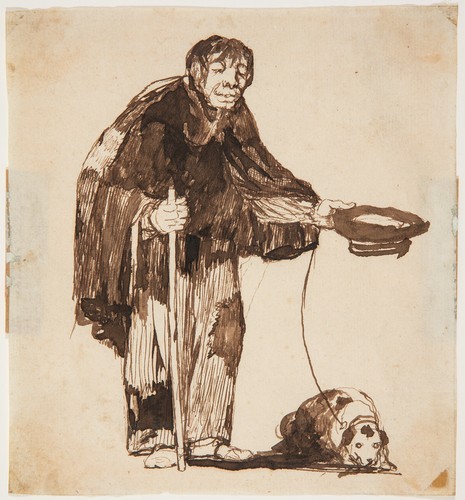
Where Dogs Go On With Their Doggy Life
By Judith Shulevitz
Why are there so many canines in fine art? Read the full article.
What to Read
Nature Writings, by John Muir
The irony of contemporary digital culture is that, although it democratizes communication and information, it also encourages circular rhetoric, ennui, and claustrophobia. I’m not the first person to lament the ubiquity of screens and the dangers of social media, though I may be the first to recommend the cleansing properties of Muir’s Nature Writings to those in search of something beyond their smartphone. I’m confident in saying that this more-than-900-page book, full of the 19th-century naturalist’s carefully written odes to the awe-inspiring forests and granite cathedrals of Central California, is pretty close to a perfect antidote to the cynicism undergirding so much digital slop. The essays and stories here argue for approaching life with unapologetic earnestness: The wonder of the Earth is yours for the taking (the taking-in, that is) if you just pay attention, Muir seems to be saying. I, for one, am listening. — Anna Holmes
From our list: Read these books by the time you graduate.
Out Next Week
 Cleanup on Aisle Five: Essential Work, Poverty Wages, and the View From Behind the Supermarket Register, by Ann Larson
Red Sheet, by James Ellroy
Daughters of the Sun and Moon, by Lisa See
Your Weekend Read
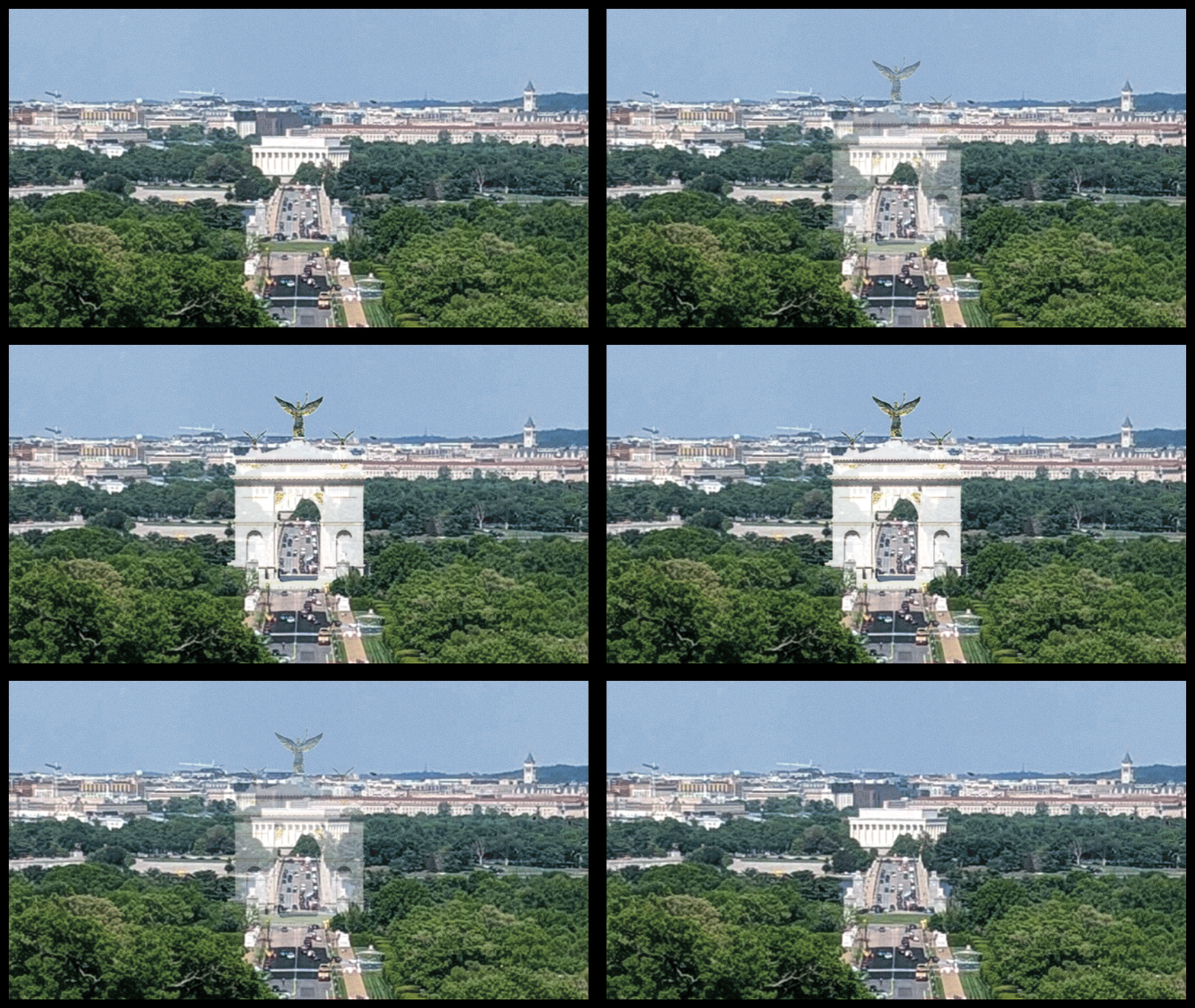
The Arch Is Atrocious
By Sebastian Smee
The meanings of words such as honor, sacrifice, and humility have been leaking away from American civic life like red blood cells from an anemic. But if there’s one place where they retain their rich, sticky, life-giving force, it’s surely in the air around the Lincoln Memorial and Arlington National Cemetery.
The cemetery is where Americans remember those who sacrificed their lives for the nation. The memorial is where they remember their greatest president—the man who proclaimed an end to slavery and kept the union intact, though the cost was staggering. The air between these two places is the medium through which Lincoln gets to speak with his war dead, and vice versa.
When you buy a book using a link in this newsletter, we receive a commission. Thank you for supporting The Atlantic.
Sign up for The Wonder Reader, a Saturday newsletter in which our editors recommend stories to spark your curiosity and fill you with delight.
Explore all of our newsletters.
The post What I Learned From My Dog appeared first on The Atlantic.