Tulsi Gabbard’s time as the director of national intelligence has been marked by tensions between her office and officials at other spy agencies, who felt her campaign to root out what she called politicization interfered with the work of collecting and analyzing secrets.
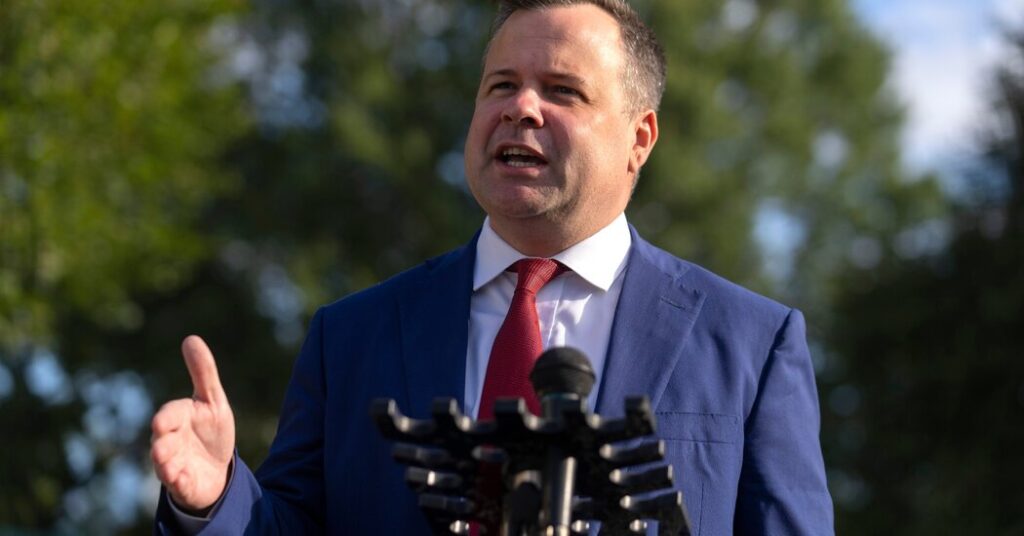
Her replacement, Bill Pulte, a close ally of President Trump, could potentially exacerbate those tensions.
It is hard to know how Mr. Pulte’s leadership of the intelligence community will play out. He has no record of national security expertise. But he has plenty of experience pursuing Mr. Trump’s enemies.
If Mr. Pulte gives Mr. Trump what he wants — the declassification of more documents related to Russia, more officers expunged or possibly another attempt to investigate and discredit Senator Adam B. Schiff, Democrat of California — it could further inflame the conflicts across the spy agencies or undercut their credibility.
In an interview, Mr. Schiff noted that Mr. Pulte had proven himself willing to do things other officials were reluctant to take on because they were illegal or unethical.
“Pulte is not being chosen for his experience,” Mr. Schiff said. “He is being chosen because the president views him as willing to violate law and ethics to go after his enemies.”
Not only Democrats are raising questions. Republicans on Capitol Hill have expressed doubts about Mr. Pulte’s appointment and qualifications. Senator Thom Tillis of North Carolina told CNBC that Mr. Pulte was an “incendiary attack dog.”
Davis Ingle, a White House spokesman, rejected the criticism, saying Mr. Pulte would do “a great job on behalf of the American people.”
“The president chooses the best and most talented people to serve in his cabinet,” Mr. Ingle said.
When Ms. Gabbard resigned last month, citing her husband’s cancer diagnosis, Mr. Trump named Aaron Lukas, the top deputy in the office, to serve as the acting director. But Mr. Pulte wanted the post, and lobbied Mr. Trump to be given the job, according to people familiar with the conversations, who spoke on the condition of anonymity. Mr. Trump called allies over the weekend to vet the idea, and then on Tuesday he awarded the post to Mr. Pulte.
It is not known what he told Mr. Trump, but his résumé was clear: a record of digging up dirt on the president’s perceived enemies.
As the head of the federal housing agency, Mr. Pulte has used his position to raise allegations of faulty mortgage documents against Mr. Schiff and Attorney General Letitia James of New York, two political opponents of the president. Senator Mark Warner of Virginia, the top Democrat on the Senate Intelligence Committee, has called Mr. Pulte’s actions an example of the weaponization of government.
In May 2025, Mr. Pulte made a criminal referral to then-Attorney General Pam Bondi, accusing Mr. Schiff of committing mortgage fraud.
During Mr. Trump’s first term, Mr. Schiff was in the House and on the Intelligence Committee, which investigated the 2016 Trump campaign’s contacts with Russian officials and led the first impeachment of Mr. Trump.
Mr. Schiff notes these days Mr. Trump has many targets.
“I was early on at the top of the president’s list of enemies,” he said. “But I am now part of a very long list that seems to be growing every day.”
For some in the Justice Department and the White House, that raised concerns that Mr. Pulte was promising legal action against the president’s enemies, when prosecutors knew that such charges just would not gain traction in the courts.
The Justice Department has not brought any charges against Mr. Schiff, who has denied he did anything wrong on his mortgage applications. (The Justice Department has sought to bring charges against Ms. James three times, which were rejected by a judge and twice by grand juries.)
Mr. Pulte can serve for up to 210 days as acting director without a vote in Congress. But Mr. Schiff said there are “levers” Congress could use to prod Mr. Trump to reconsider the appointment. Reauthorizing the warrantless wiretap provisions, a law known as Section 702 that intelligence officials believe is critical to overseas information collection, could become more complicated with Mr. Pulte in the job.
“If Republicans decide they’re not going to get behind a 702 reauthorization unless they’re confident that the director of national intelligence won’t abuse the tool, then that’s one way of making sure that we actually have somebody experienced and qualified in that position,” Mr. Schiff said.
But if Congress does not do anything to force Mr. Trump to reconsider, there is little to stop Mr. Pulte from declassifying files or stripping people of security clearances.
Mr. Pulte is coming into the office at the same time the president is giving a new role to John Solomon, a journalist who has raised questions about the Russia investigations of the first Trump term. Mr. Solomon’s mandate is to push out more documents and reports relating to what Mr. Trump sees as abuses of law enforcement and intelligence.
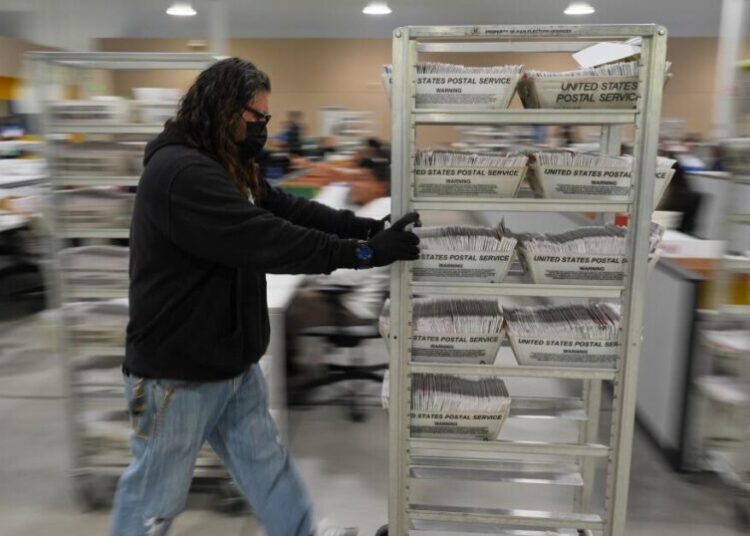
It is not that Ms. Gabbard didn’t try any of these things. She grabbed headlines, and the positive attention of Mr. Trump, for her campaigns against the president’s enemies. Ms. Gabbard went to Georgia to supervise an F.B.I. raid to seize election records. She made a criminal referral of a C.I.A. whistle-blower whose complaint touched off Mr. Trump’s first impeachment. And she released documents related to the intelligence assessment of the 2016 election.
While some of Ms. Gabbard’s actions to win the support of Mr. Trump have not amounted to much, others have derailed careers of nonpartisan intelligence professionals. Even supporters of Mr. Trump have been frustrated that her moves have undercut sound intelligence work.
Most notably, Ms. Gabbard fired C.I.A. officers who were leading the National Intelligence Council and stripped the security clearances of high-ranking intelligence officers at the agency and N.S.A.
Some U.S. officials felt Ms. Gabbard’s disclosures and security clearance revocations were done haphazardly, taking out people who Trump officials wanted to promote, were considered vital to current technological challenges or whose views on China and Iran were in line with top administration officials.
Still, current and former officials said that the appointment of Mr. Pulte was a sign that Mr. Trump wanted more, not less, declassifications, security clearance stripping and deep examinations of past debates.
Maggie Haberman contributed reporting.
Julian E. Barnes covers the U.S. intelligence agencies and international security matters for The Times. He has written about security issues for more than two decades.
The post New Intelligence Chief’s Expertise: Pursuing Trump’s Enemies appeared first on New York Times.