I’m about to get a Doberman puppy. The breeder gave me some recommendations on ear cropping, but I’m worried about the cost. Is this medically necessary?
Although some breeders recommend tail docking and ear cropping for medical reasons, these claims have not been substantiated; the procedures are purely aesthetic. So my advice is to protect your dog from the pain of having this done, enjoy its floppy ears, and save that money for more worthwhile pet wellness care. Here’s what you need to know.
What are medically unnecessary surgeries?
These include procedures to alter an animal’s appearance; to prevent or stop destructive or annoying behaviors (such as declawing of cats and devocalization of dogs); and surgeries of questionable benefit (such as elective removal of digits that don’t touch the ground, or “dewclaws”).
What’s the deal with ear cropping?
Ear cropping was originally performed as far back as ancient Roman times to prevent trauma that might occur during sporting activities — especially dog fighting. These days, dog fighting is a felony in the United States, punishable with imprisonment and fines of up to $250,000 (one of the most famous animal cruelty cases was the massive dogfighting operation of NFL player Michael Vick, which landed him in jail for more than 500 days and led to him to file for bankruptcy).
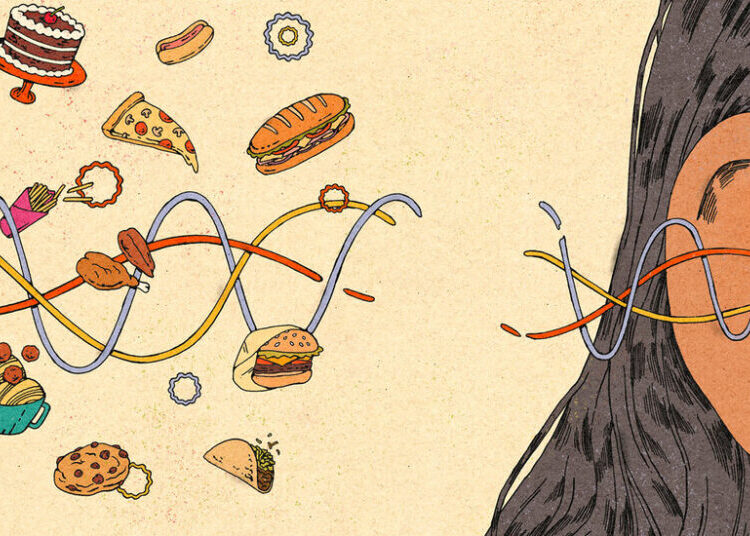
Some breed organizations claim that ear cropping also prevents ear infections, but breeds prone to ear infections (like German shepherds and cocker spaniels) are not the ones that often have their ears cropped (boxers, schnauzers, cane corsos, Great Danes, Doberman pinschers, pit bull and bull terrier breeds). It’s also been argued that ear cropping enhances hearing, which, when combined with the fierce appearance created by ear cropping, might be desirable for guard dogs. But there’s no scientific evidence that dogs with cropped ears have better hearing.
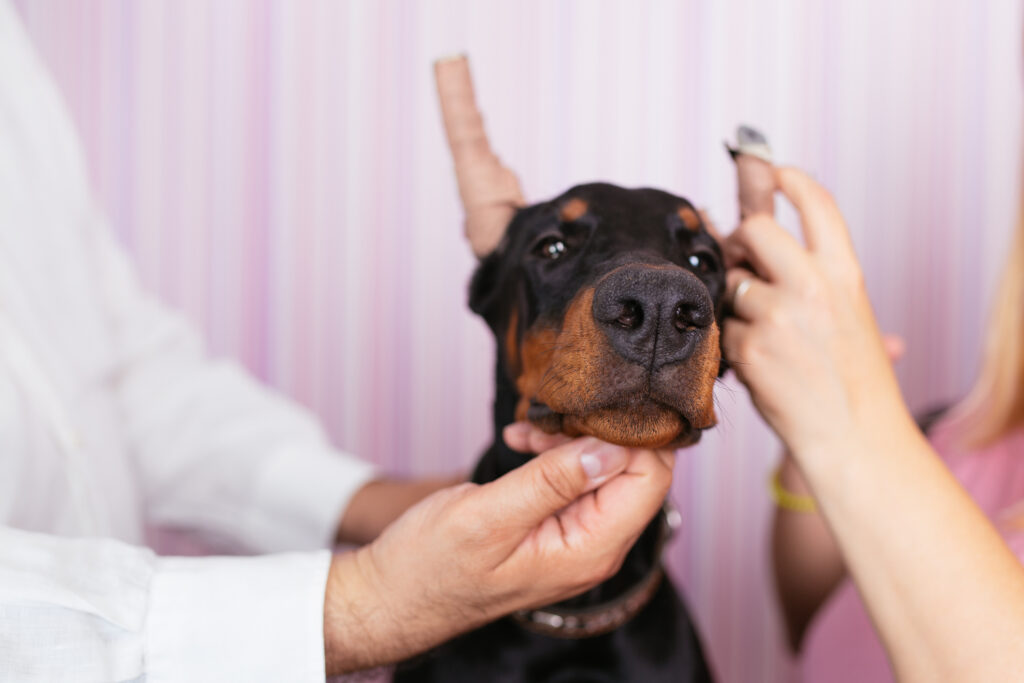
Ear cropping is almost always done under general anesthesia when puppies are between 8 and 12 weeks of age, before the cartilage of the ear matures and hardens. It’s bloody and painful and carries risks of anesthetic complications and infection. It also requires that the ears be taped for several weeks after the procedure to encourage the desired appearance.
A 2016 study from British Columbia found that when people were shown pictures of dogs with cropped ears, many were not even aware that surgeries were responsible for their appearance. Participants also believed that dogs with cropped ears were more aggressive and less playful than dogs of the same breed that had not had their ears cropped. Given that pit bull terriers are one of the most common breeds in shelters, this perception also has the potential to negatively impact adoption rates of dogs with cropped ears.
What about tail docking?
Tail docking also has its origins in Ancient Roman times, when it was thought to prevent rabies. Since then, it’s been used to reduce the risk of tail injury in sporting, hunting and working dogs. Although sometimes performed by veterinarians, it’s more commonly performed by breeders using scissors or an elastic band when puppies are a few days old, without anesthesia.
In countries where sporting and working dogs are widely used — like New Zealand and Ireland — dog owners have expressed strong opposition to tail docking bans. However, while the risk of tail injury is higher in sporting and working dogs than in other dog groups, that risk is still less than 1 percent; at least 200 dogs would have to have their tails docked to prevent one injury that needs vet care.
Tails are important for social communication among dogs, and based on studies of dogs interacting with dogs that had differing tail lengths, concerns have been raised that tail docking might contribute to inter-dog aggression. In one study, dogs responded more positively to a dog model with a wagging long tail than to a model with a long tail that was still. But when the model’s tail was short, the presence or absence of tail motion had no effect on a dog’s response to the model.
In addition to removing a communication tool, tail docking is likely to cause pain (based on puppy vocalization even when it’s done within a few days of birth) and carries the risks of bleeding and infection. As with declawed cats, there’s evidence that some dogs suffer from chronic tail stump pain, similar to the phantom pain that human amputees experience.
What about devocalization?
Also known as “debarking,” or “bark softening,” this involves surgically removing or cutting away part of the vocal folds in the larynx while a dog is under general anesthesia. Devocalized dogs continue to bark, but the noise is soft, hoarse or muffled. The procedure can either be done through the mouth (no skin incision needed), or by cutting through the skin of the neck and into the larynx.
Complications after devocalization procedures are common and include postoperative pneumonia and the formation of a web of scar tissue inside the larynx that can affect a dog’s ability to breathe. This is more likely to occur when the procedure is performed through the mouth. The scarring is untreatable and invariably leads to euthanasia.
Those who support devocalization argue that such dogs would otherwise be euthanized or relinquished to shelters. However, there are other ways to reduce barking, including environmental modification and training. For this reason, the American Veterinary Medical Association strongly discourages devocalization unless it’s medically necessary (such as to remove a tumor). If you are struggling with a barking dog, it’s better to spend money on seeing a board-certified veterinary behaviorist.
What’s being done to reduce dogs’ pain and suffering?
Over the past 20 to 30 years, animal welfare organizations worldwide have called for government bans. Ear cropping, tail docking and nontherapeutic devocalization are illegal in the United Kingdom, many European countries, Israel, Australia and New Zealand. As of January 2026, the United Kingdom also banned the importation of dogs with cropped ears or docked tails, as well as those that have been devocalized. Ear cropping is also banned in Canada, and tail docking and devocalization are prohibited in most provinces.
Surprisingly, most U.S. states continue to allow ear cropping and tail docking despite widespread bans on declawing of cats. State bans on devocalization exist in Massachusetts, Maryland and New Jersey, and other states (New York and Virginia) have pending bans.
Kennel clubs also have been urged to discourage medically unnecessary surgeries and to change standards for breed appearance, so dog breeders and owners don’t feel pressure to pursue ear-cropping or tail-docking to ensure their dogs are competitive in shows. This year, the Best in Show at Westminster was a Doberman (“Penny”) with cropped ears and a docked tail. I hope that when the next Doberman wins, we watch it prance across the floor with bouncy full ears and a long, waggy, expressive tail.
Have questions about your pet’s behavior, health or other issues? Use this form to submit them to Dr. Sykes.
The post Ask a Vet: No, you shouldn’t have your dog’s ears cropped appeared first on Washington Post.