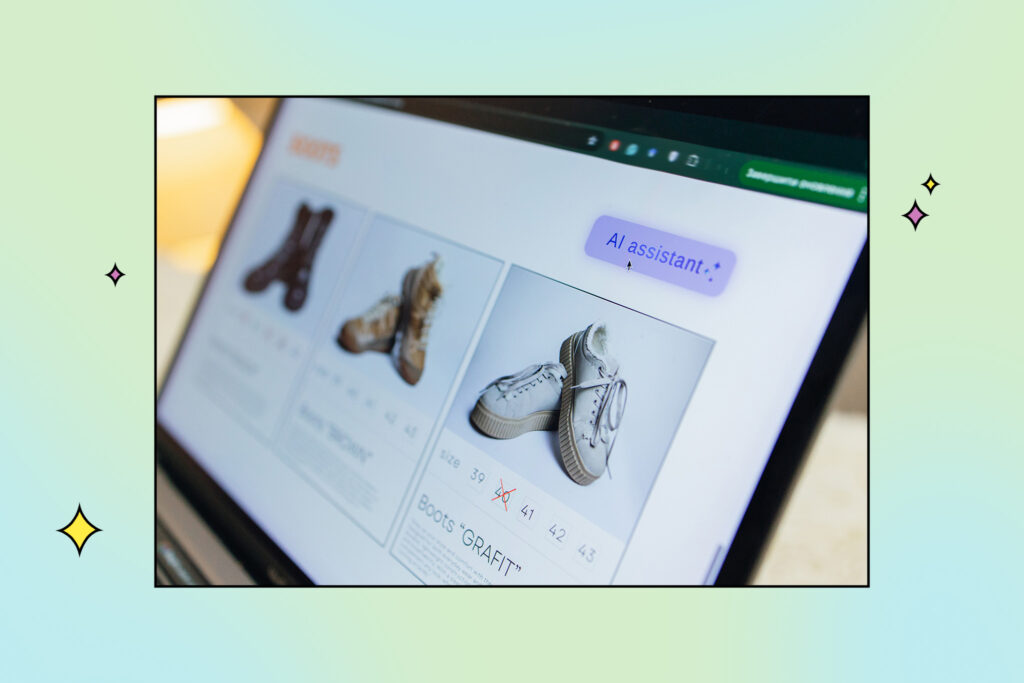
My adult children don’t approve, but yes, I have been using artificial intelligence to help with my shopping.
My kids, like so many young Americans, aren’t fans of AI, and after recent major tech outages, I think we should all be wary of ceding too much control to automated systems.
So, nope, I am not handing over my credit card information to an AI shopping assistant to make my purchases for me. But I do find the bots helpful in narrowing down product choices.
I used AI to help with recommendations for replacing my home printer, which finally died. I’m planning to compare prices for a new one during Black Friday and Cyber Monday. More shoppers are doing the same.
The share of Black Friday and Cyber Monday shoppers who say they are likely to use AI to help them shop this year has more than doubled to 34 percent, up from 16 percent in 2025, according to a YouGov poll.
Groundwork Collaborative, a progressive economic policy and research organization, released a “Shoppers’ Bill of Rights” report that proposed a dozen consumer protections, including that an “agentic AI” truly works in your best interest.
AI shopping assistants have a lot of potential, but they need some guardrails, the group’s president and chief executive, Lindsay Owens, said in an interview.
“They can do the hard exhausting work of comparison shopping,” Owens said. “They can do that monitoring that you might not have time to do or want to do. Being able to deploy an AI assist with shopping, a personal shopper, if you will, has a lot of valuable features.”
Here’s the “but.”
“We could be unleashing the most sophisticated snake oil salesman the world has ever known,” she said.
If you’re going to lean on AI to shop, follow these five tips before making your Black Friday or Cyber Monday purchases.
Build a comparison matrix
Ask the AI assistant to compare different models based on information about return windows and customer reviews. Inquire about any hidden catches, such as a restocking fee for a return.
“It is not a one-stop way to shop. Use it as one additional tool in your toolbox,” said Edgar Dworsky, founder and editor of the Consumer World website.
Check historical pricing, because the AI may steer you to a more expensive product even if it’s being advertised as discounted, Owens said. The search may return outdated sale prices or expired promo codes.
“Because these systems interact conversationally and present themselves as congenial assistants, consumers have little way of knowing whether a recommendation reflects what is best for them or what is most profitable for the company behind the screen,” Groundwork Collaborative pointed out in its report.
Avoid open-ended prompts
Instead of asking “What’s the best deal for a printer?,” try writing: “I want to spend under $300 for a printer. Show me the best deals in this price range.”
You want to steer the conversation, not have the bot nudge you toward more expensive products.
Watch for bias
AI recommendations pull information from internet searches, which means it can be swayed by heavily marketed brands or affiliate-heavy review roundups.
Groundwork Collaborative noted that AI models frequently steered users toward sponsored products, even when identical, less costly alternatives were available.
“We cannot have a world in which consumers don’t know if their shopping agents are working for them,” Owens said.
In your prompts, ask for lesser-known competitors, last year’s models or in-store options so you don’t miss any bargains that didn’t dominate search results.
Don’t share your credit card
Some AI assistants and shopping agents can shop for you. Meta’s Muse, for example, can browse sites and check out for you using a one-time-use card. It always asks for your approval before finalizing a payment.
I’m not comfortable with this feature yet.
Even with single-use cards and approval prompts, automated checkout can nudge you toward pricier options. Use AI to narrow your choices and keep final purchase decisions in your own hands.
“I wouldn’t give it my credit card,” Dworsky said. “I wouldn’t say, ‘Go out and buy, I trust you 100 percent.’ Well, I don’t. And I don’t think people should at this point.”
Verify everything
Even shoppers using AI have serious doubts about its reliability, with 56 percent worried about inaccurate or outdated information and 51 percent concerned about biased or sponsored picks, according to the YouGov poll.
Double-check every price and product claim against the listing on the retailer’s site. Pair AI research with a price-tracking tool, such as CamelCamelCamel.
Chatbots can miss real-time dynamic pricing and struggle to verify whether a markdown is legitimate. Cross-check the pricing information with other tools to ensure the “sale” that the bot is listing hasn’t been inflated just in time for your holiday shopping.
“Use it as a guide, but double-check and verify,” Dworsky said. “Don’t assume it’s found you the lowest price. Just don’t believe every single fact that they present as facts.”
If you’re willing to use chatbots to cut through the holiday hype, just be vigilant. Let the algorithm sort your choices, but keep your hand on the mouse so you stay in control of your spending.
Follow Michelle’s financial advice show, “Dollars & Sense with Michelle Singletary,” on Apple Podcasts, Spotify, YouTube or wherever you get your podcasts. Want Michelle to answer your money question on the show? Email [email protected].
The post Before you use AI to hunt Black Friday deals, keep 5 things in mind appeared first on Washington Post.