Just a few months ago, the Government Accountability Office (GAO) reported that ambitious modernization efforts undertaken at the Federal Aviation Administration relied on thousands of independent projects that lacked a master schedule, raising the risk of disruptions and dependence on outdated equipment.
It’s a warning that clearly should have been heeded. Over the past weekend, a nationwide ground stop disrupted air travel after failures in the Federal Aviation Administration’s communications systems. Federal officials later traced the outage back to a router problem and network flooding during telecommunications work replacing aging copper wires with fiber optics. Some have highlightedthat rushing these infrastructure updates without integrated scheduling mirrored the vrisks GAO had flagged weeks earlier.
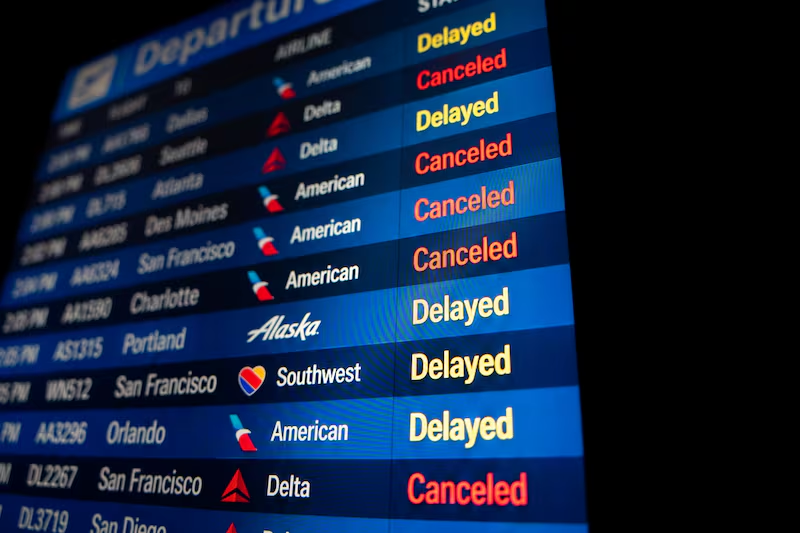
U.S. airports experienced a nationwide ground stop on Friday, November 13th, 2026.
NurPhoto/NurPhoto via Getty Images
And that is precisely why Americans need an independent federal watchdog: to identify serious problems before they become crises. Yet Congress is now moving to select the leader of that very watchdog body through a process that could jeopardize its independence for years to come.
This is no ordinary political appointment. The Comptroller General leads GAO, the nonpartisan agency that audits federal spending, investigates waste and mismanagement, and provides Congress with independent analysis. The job carries a single 15-year term, long enough to span multiple administrations.
Congress recognized the extraordinary nature of the Comptroller’s position and established a deliberate selection process in 1980. When the Comptroller General position becomes vacant, federal law requires the creation of a 10-member, bipartisan, bicameral congressional commission to recommend at least three qualified candidates to the president. The president selects a nominee—whether from this shortlist or of their own volition—who is subject to Senate confirmation.
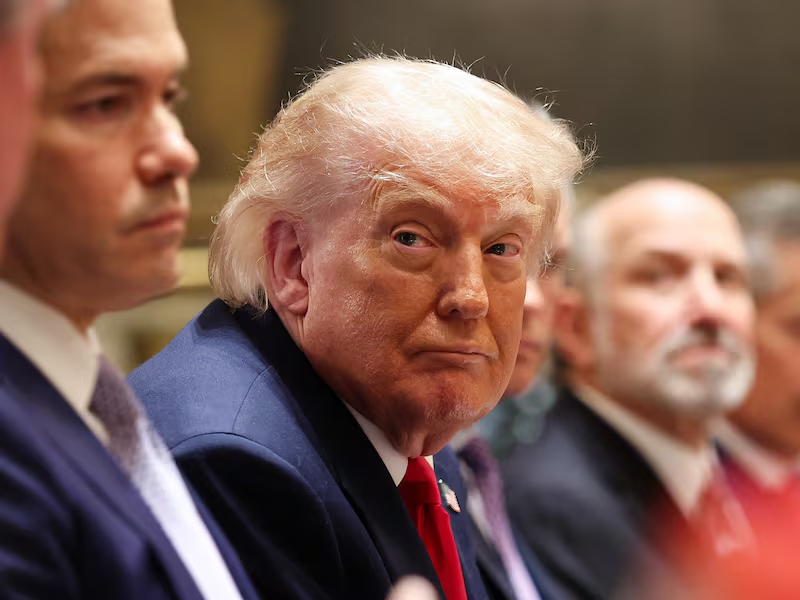
Imagine investing in a company whose auditor was chosen through a rushed, opaque process that raised questions about independence. Would you trust that company’s financial reporting? Of course not, writes Mark Lee Greenblatt. The same principle applies to government. The president should want a GAO that tells him what is working, what is broken, and how government can operate more effectively. Congress should demand nothing less.
In 2010, the process took more than a year. This time, a search intended to safeguard independence for the next 15 years is being reduced to a rushed and hushed exercise. It appears that the fix is in. The Senate Homeland Security and Governmental Affairs Committee has scheduled a November 19 confirmation hearing for a Comptroller General nominee, an individual whose identity had not been publicly announced and whose nomination had not been formally submitted when the hearing was scheduled.
According to Democratic commission members, Senate Homeland Security Committee chairman Rand Paul allowed less than 24 hours for the commission to submit potential candidates. They claim the commission has not met or interviewed candidates despite repeated requests to begin its work. Reporting by Roll Call likewise describes the breakdown of the bipartisan process.
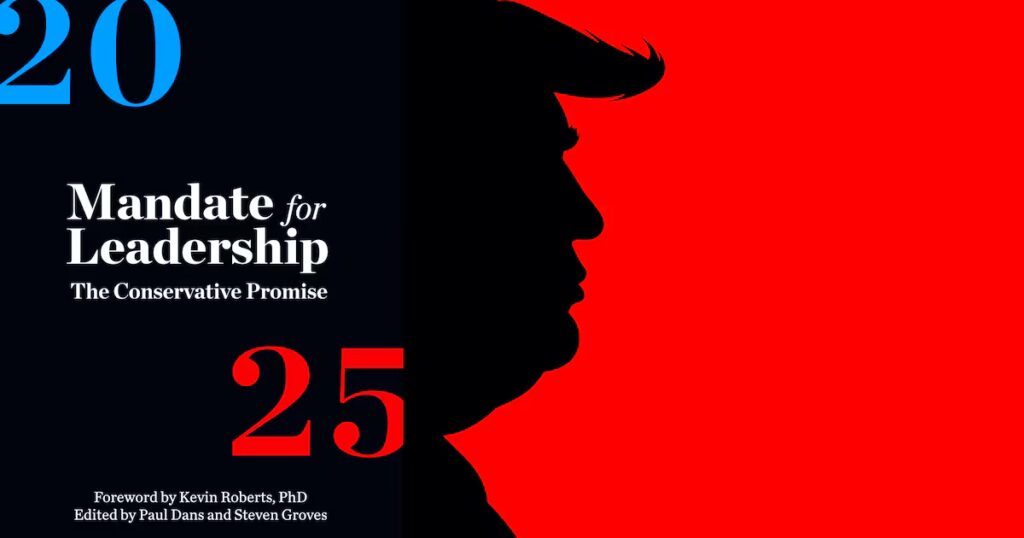
The concerns are heightened by the nominee: Eric Ueland, who serves as deputy director for management at the Office of Management and Budget under Russell Vought, a principal architect of Project 2025 and a leading advocate for expanding presidential power at the expense of the federal bureaucracy.
Ueland has previously been involved in administration spending and workforce policies that GAO has challenged. If nominated and confirmed, he could lead an agency responsible for evaluating decisions in which he previously played a role. That raises legitimate questions about potential conflicts of interest and whether he could exercise the independence the position demands.
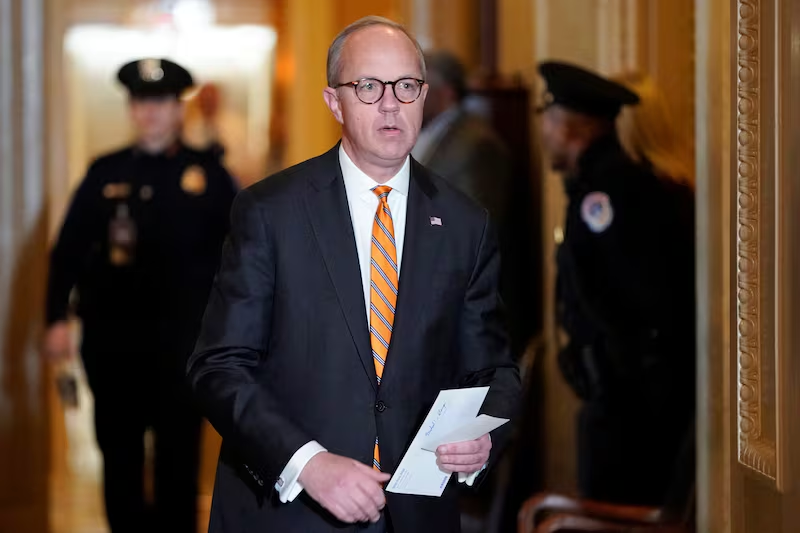
Eric Euland, Deputy Director for Management at the US Office of Management and Budget and Trump’s nominee for Comptroller General.
Senator Paul’s actions undercut his record of defending GAO’s independence. He has repeatedly emphasized the agency’s nonpartisan role, including co-sponsoring a Senate resolution recognizing GAO as a global leader in objective government oversight. He once stated on the Senate floor that it “works for Congress. It does not lean Republican or Democratic.”
But advancing a nominee without a meaningful bipartisan search or public scrutiny raises serious questions about his interest in fair, objective, and independent oversight. The rush to fill a position of such consequence in these circumstances risks undermining confidence in the institution before its next leader even takes office—it appears to be an obvious ploy to bypass the established bipartisan process to quickly install a political operative in an apolitical position before the Congressional majority flips in a few weeks.
Why should Americans care? Because GAO’s work reaches far beyond Washington. It scrutinizes the safety of air travel, cybersecurity, Medicare, Social Security, food safety, and countless other programs we depend on. It helps Congress determine whether agencies are protecting the public and spending taxpayer dollars wisely. Its findings can expose failures that otherwise might go unaddressed.
The FAA is a case in point. GAO’s September findings did not predict Friday’s specific communications failure, but they highlighted the risks of modernizing critical systems without sound planning. Independent oversight matters most when the warnings are inconvenient.
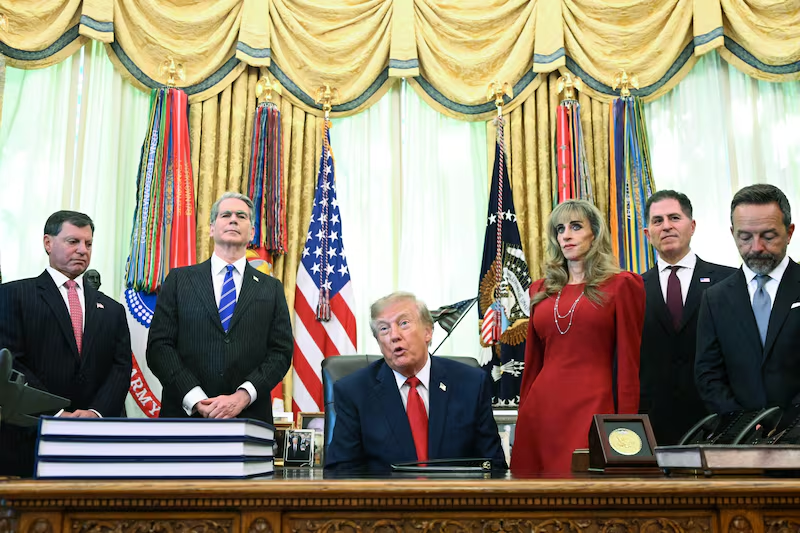
A serious commitment to reform requires a watchdog willing to assess results without regard to political convenience. That is especially important when GAO’s findings challenge the policies or legal interpretations of the administration itself.
ALEX WROBLEWSKI/AFP via Getty Images
I know the value of that independence firsthand. As an inspector general and later chair of the Council of the Inspectors General on Integrity and Efficiency, I worked closely with the office. I saw how its careful analysis and practical recommendations helped federal agencies solve problems, improve performance, and protect public resources. Its value lies not simply in identifying what is wrong, but in helping government get things right.
The Trump administration has asserted that government reform and the elimination of waste and fraud are central priorities. Those goals should make a strong, credible GAO an ally, not an obstacle.
Treating this critically important position as an opportunity for short-term political advantage, rather than an investment in effective, accountable government, risks undermining the independence of an institution that must serve the American people for the next 15 years.
Senator Rand Paul should halt the rushed confirmation process and convene the bipartisan commission for the meaningful search Congress intended: evaluate qualified candidates, conduct interviews, and recommend nominees through a process that earns public confidence. The Senate should not proceed until that work is done.
The post Sinister Plot to Install ‘Project 2025’ Operative Is Busted appeared first on The Daily Beast.