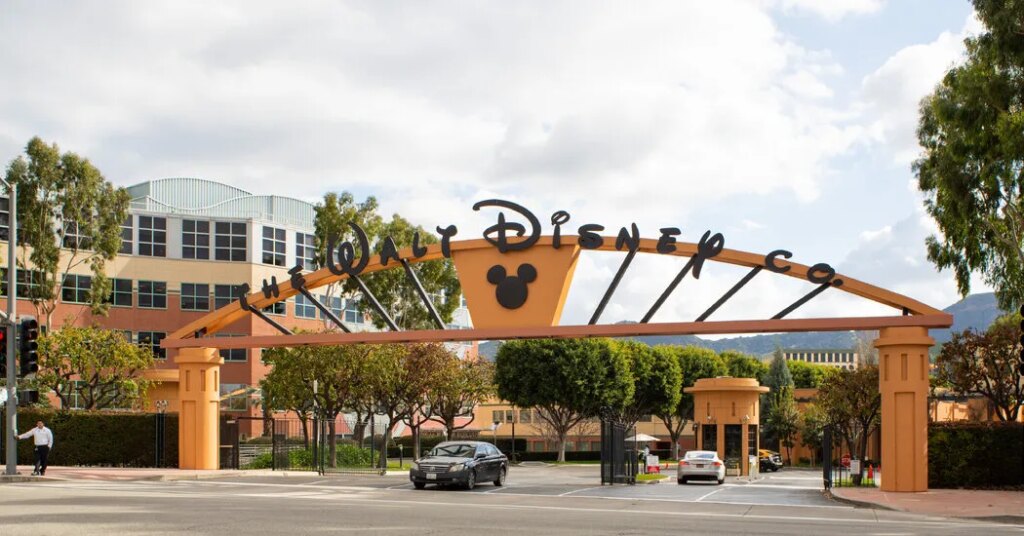
Disney’s long-dead stock price has climbed 19 percent since Josh D’Amaro took over as chief executive in March. On Tuesday, he gave Wall Street a glimpse of how he plans to keep it going.
To drive growth, Disney said it would cut $3 billion in annual operating costs by 2029, with most of the savings earmarked for reinvestment in its businesses. Spending on content will increase 9 percent in the coming year, for instance, to $26 billion. The marketing budget for streaming will also rise. Disney also said it would triple its original programming in overseas markets over the next three years, citing the importance of locally produced content in attracting and engaging Disney+ subscribers.
Upgrading technology and expanding the use of artificial intelligence are also priorities. Disney announced, for instance, that it had started testing an A.I. tool — developed with Google — to simplify planning and booking vacations at Walt Disney World. Disney+ will add podcasts and more live sports. Videos from TikTok creators will arrive on the service next month.
How will Disney achieve the savings? The company didn’t say. But deep job cuts are expected early next year.
Mr. D’Amaro made the announcements as part of an upbeat fourth-quarter earnings report. In a surprise, however, Disney said it would stop disclosing operating profit for its entertainment streaming business. Netflix, Disney and Warner Bros. Discovery all stopped reporting subscriber totals in recent years. But most of Disney’s biggest rivals, including Netflix, NBCUniversal and Paramount Skydance, continue to provide detailed financial information about streaming profitability.
Disney is making the change after reaching a double-digit annual profit margin for streaming, a yearslong goal. The margin was nearly 12 percent.
Disney justified the decision by saying it was focused on the financial performance of its entertainment division as a whole — how much income it generates from its movies and television shows across streaming, traditional television, the box office, third-party licensing and consumer products. (A less charitable reading: Disney is reducing scrutiny of streaming margins just as increased spending could put pressure on them.)
For the quarter that ended on Oct. 3, Disney had revenue of $25.95 billion, a 16 percent increase compared with a year earlier. Adjusted per-share profit increased 59 percent, to $1.77. Both results beat analyst expectations.
Disney benefited from an extra week in its fiscal calendar; improved streaming profitability; a bump in merchandise licensing revenue ahead of “Avengers: Doomsday,” which arrives next month; and strong ticket sales for “Toy Story 5.” ESPN was bolstered by strong advertising sales and Disney’s acquisition of the NFL Network. Disney’s theme park and cruise businesses delivered $1.6 billion in operating profit, a 23 percent increase compared with a year earlier.
Disney also said it would increase its annual dividend by 33 percent, to $2 a share, and spend another $9 billion on stock buybacks in the coming year.
The post Disney Plans to Finance Growth With $3 Billion in Cost Savings appeared first on New York Times.