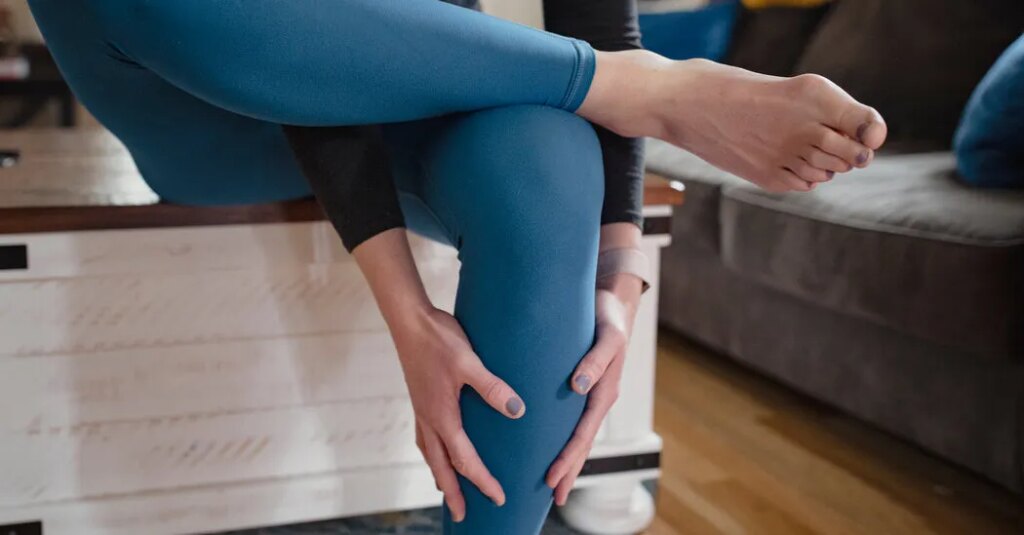
For decades, there was a formula for knee pain. A middle-aged weekend warrior feels a sharp catch or deep ache in the knee, an M.R.I. reveals a torn meniscus or arthritis, and the doctor schedules surgery. Surgeons either cut out the damaged tissue or replace the joint, promising a return to the tennis court or ski slopes.
“On the patient side, there’s a real need, desire, want for something that will help,” said Dr. Nicholas Colyvas, an orthopedic surgeon and professor of sports medicine at the University of California, San Francisco.
But now, researchers and surgeons are finding that yesterday’s solution can become today’s problem. Current orthopedic research shows that while surgeries like meniscus trimming offer short term relief, the procedure often accelerates the very joint degradation it’s meant to prevent.
The Cost of Cutting
There are primarily two tissues that can cause serious problems in an older knee. The first is the meniscus, one of two horseshoe-shaped pads between the femur and tibia. Over decades, a lifetime of steps, jumps and jogs wears that tissue down, leaving cracks or frayed edges.
“In older people, the meniscus becomes softer and less sturdy over time and can tear doing normal activities, often without people even knowing about it,” said Dr. Constance Chu, a professor and director of the Joint Preservation Center at Stanford.
The second source of knee pain is the erosion of the cartilage at the ends of the bones themselves, known as arthritis. Over time, this wear creates a bald spot, almost like a worn out hole in an old rug.
In practice, these two issues are often linked, Dr. Colyvas said. But cutting out your knee’s cushion is often the last thing you want to do.
“The whole knee system is at issue, not just one part,” he added.
Instead, it’s better to preserve as much meniscus and cartilage as you can for as long as you can. A worn meniscus or moderate arthritis isn’t unusual for someone in their 40s or 50s.
Of those with a degenerative meniscus tear, less than 15 percent actually benefited from surgery, according to a 2018 review. Other studies have suggested that roughly a quarter of arthritis-related knee replacements may be inappropriate.
A study of 146 patients published last spring compared cutting away torn meniscus to a sham surgery, and found that the former offered no benefit in the long term. Another paper from 2022 found that patients faced up to a fivefold greater risk of eventually needing total knee replacement surgery compared with those who used exercise-based physical therapy.
Improving strength and coordination can also be an effective way to put off possible knee replacement surgery, Dr. Chu said. Artificial knee joints generally have a 15- to 20-year life span, meaning that anyone who gets one too young might need another surgery later.
“Knee replacement should only be done when the metal and plastic knee is actually better than the knee being replaced,” she said. “This is rarely the case for someone in their 40s or 50s.”
Targeted physical therapy, on the other hand, can build strength and mobility around your joint. That said, conservative approaches are not guaranteed to be successful. While most patients these days start with P.T., a minority of patients do not find relief, and should probably have surgery, said Dr. Jeffrey Katz, a professor of orthopedic surgery at Harvard Medical School.
The Three-Month Recovery Plan
The nonsurgical route can take time and should be done under the guidance of a physical therapist.
“We need to give it at least a minimum of six to eight weeks” of targeted therapy, Dr. Colyvas said. “If we don’t see anything by three months, then probably it’s not going so well.”
In those first few weeks, don’t expect pain and swelling to disappear, he added. Mild knee soreness or pain can be part of the recovery process, though not the severe pain that interferes with daily life. Think of the recovery in three overlapping phases, each around four to eight weeks. Here is how it often looks for patients.
Phase 1: Control pain and swelling
In the first month or so, the goal is to reduce pain and swelling and restore knee mobility (especially the ability to fully straighten). This isn’t the time to sit on the couch; doing nothing might make your symptoms worse.
Focus on light activity, like stationary biking, swimming or short walks, but not anything that makes the knee feel significantly worse. Move to the next phase when swelling improves and your knee is no longer sore doing basic daily activities, including standing and walking. Your knee should also fully straighten without pain and bend to a functional degree.
Phase 2: Build Strength Around the Knee
Start to work on strengthening your quadriceps, glutes, calf muscles and hips. You can begin with lighter exercise, like hip bridges, clamshells and straight leg raises, and progress to exercises like squats, wall sits or a machine leg press.
Expect this phase to take one to two months, Dr. Colyvas said, as it requires time to build enough strength to relieve stress on the joint. If your symptoms have significantly lessened or resolved, and you can complete your daily activities and the strengthening exercises without pain, it’s time to move to the next phase.
Phase 3: Return to Activity
If you are hoping to get back to more strenuous activities, begin incorporating dynamic exercise, balance training and building the ability to move more quickly.
At the end of this month, if your symptoms have resolved and your leg strength has improved, if you want to return to a sport — like tennis, pickleball, basketball or skiing — try to practice sport-specific skills. For instance, hit tennis balls and serve without moving around the court, practice basketball shooting and dribbling, or run/walk a mile.
Successful treatment can make you feel better, but it won’t fix the knee. For that, plan on a lifetime of good knee habits, including regular movement, strength training and avoiding overuse.
The post Knee Surgery Isn’t Always the Answer. Here’s How to Avoid It. appeared first on New York Times.