Seven years after federal health officials last assessed the nation’s most dangerous superbugs, many of the biggest threats remain as new ones emerge, according to a comprehensive assessment of drug-resistant germs released Tuesday.
A report by the Centers for Disease Control and Prevention identified 19 superbugs that cause an estimated 9.7 million infections and 50,800 deaths in the United States each year. Infections commonly associated with medical settings such as hospitals account for more than 42,000 of those deaths and nearly $12 billion in health care costs.
The CDC categorized four germs as the most dangerous, calling them urgent threats. Another 13 are serious threats, including the bacteria that cause meningitis, two are concerning, and another six are pathogens on a watch list that merit closer attention.
Four drug-resistant germs remain in the most dangerous category. They include a fungus that has spread rapidly through hospitals and nursing homes, bacteria capable of defeating some of medicine’s most powerful antibiotics, and the organism that causes gonorrhea.
But the new report also shows how the threat is shifting. Infections caused by the drug-resistant fungus Candida auris have increased tenfold since 2019. Drug-resistant meningococcal bacteria, which can cause rapidly fatal meningitis and bloodstream infections, are now considered a serious threat. And three additional pathogens have been added to a watch list of potential future threats.
These infections prolong hospital stays, drive up costs and make routine medical care increasingly risky, said Wendy Armstrong, president of the Infectious Diseases Society of America. This includes people with cancer getting chemotherapy, organ transplants, hip and knee replacements and other common surgeries that depend on antibiotics to prevent or treat infections, Armstrong said.
“Antimicrobial resistance threatens modern medicine and puts millions of Americans at risk every year,” CDC Director Erica Schwartz said in a statement. “This data shows both the progress we’ve made and the significant work that remains.”
This year’s report includes new data and methods for calculating infections, so it can’t be directly compared to data from the 2019 report, according to the CDC.
The agency said more than 80 percent of the apparent increase in infections since the previous report results from those changes rather than an actual increase in disease.
Helen Chu, an infectious disease physician and professor at the University of Washington, has been seeing a troubling rise in severe infections in her hospitalized patients, including cases of gonorrhea and of “flesh-eating disease” that can destroy tissue rapidly.
“We saw an uptick of these cases in the last few years, the ‘flesh-eating bacteria’ that we worry about,” Chu wrote in an email. Many patients are people who are homeless or use intravenous drugs, and they can become seriously ill very quickly.
Four most urgent threats
Urgent threats are drug-resistant pathogens that the CDC says have the potential to become widespread and require urgent attention and aggressive action to identify infections and stop spread.
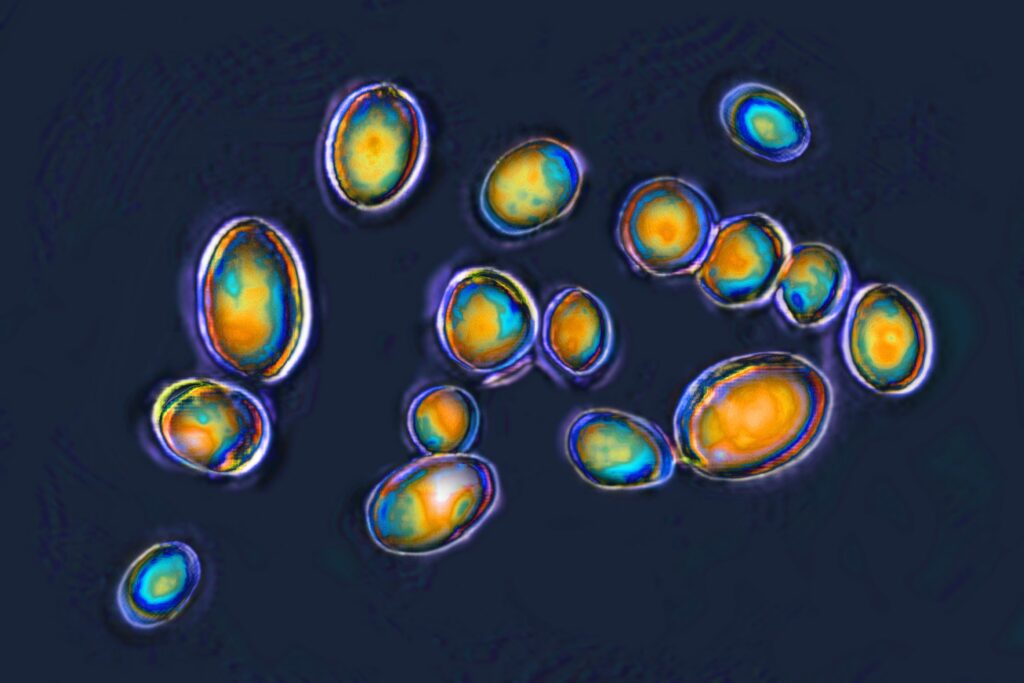
- Candida auris (C. auris)is a fungus that can cause infections ranging from mild skin infections to severe, life-threatening illnesses. It can also infect the bloodstream. It often affects patients in health care settings with serious underlying conditions. People can carry it on their skin and in their body without having signs or symptoms of infection. The fungus can survive on surfaces and objects. There were 48 cases in 2016. In 2024, there were 6,304 cases. That number does not include thousands of additional people found to be carrying the fungus.
- Carbapenem-resistant Acinetobacter are bacteria that cause pneumonia and infections affecting wounds, the bloodstream and urinary tract. Patients in intensive care units are vulnerable. The bacteria are resistant to carbapenems, the most powerful antibiotics often used as a last resort for severe infections when other drugs fail to respond.
- CRE, or carbapenem-resistant Enterobacterales, are bacteria resistant to carbapenems. Patients using medical devices, such as ventilators or catheters, and those taking long courses of antibiotics, may be at higher risk of developing CRE infections. Some CREs can pass the genes that make them resistant to antibiotics to other bacteria, making infections harder to treat.
- Drug-resistant Neisseria gonorrhoaea, the bacteria that cause the sexually transmitted gonorrhea infections, have developed resistance to nearly all antibiotics. Infections can result in pelvic inflammatory disease, life-threatening ectopic pregnancy and infertility. Infection can increase risk of getting and giving HIV. A pregnant woman can pass the infection to her baby during childbirth.
New and changing threats
Some of these were not listed as a threat in 2019 or have shifted categories since then.
- Drug-resistant Neisseria meningitidis was added as a new serious threat, reflecting rising drug-resistant infections in community settings, such as college campuses. Because meningococcal disease can become life-threatening quickly, drug resistance could make it harder both to treat patients and to protect close contacts from getting sick.
- Clostridioides difficile, or C. diffbacteria cause diarrhea and inflammation of the colon. Listed as an urgent threat in 2019, its threat category dropped to serious. The CDC attributes the change partly to better diagnosis and successful infection-prevention efforts, particularly in health care settings. It can spread when people are exposed to infected feces or touch contaminated surfaces. Infections are not usually drug-resistant, but it fuels the broader problem of drug resistance because of the frequent need to use antibiotics to treat it.
- Drug-resistant Shigella bacteria cause diarrhea and spread very easily from person to person, including through contaminated food or water and sexual contact. Most people recover without antibiotics, but drugs may be needed for severe infections or to help stop spread. Since 2015, more infections have been caused by strains that resist several commonly used antibiotics.
- Drug-resistant group A Streptococcus are bacteria that can cause many different types of infections, from mild ones such as strep throat and scarlet fever, to serious ones such as necrotizing fasciitis,often called “flesh-eating disease.”
Germs on the watch list
The report identifies six pathogens that are not yet considered major threats but the CDC is watching closely because they could become more dangerous or widespread.
They include drug-resistant dermatophytes that cause skin infections like ringworm; drug-resistant Haemophilus influenzae bacteria that can cause mild ear infections and severe, life-threatening invasive conditions, such as pneumonia and meningitis; and drug-resistant bacteria that cause pertussis, or whooping cough.
Dermatophytes are a group of fungi that infect the skin, hair, and nails and cause ringworm. They are generally mid infections that are often successfully treated with over-the-counter topical antifungal medications.
But some strains have developed resistance to antifungal treatments in the U.S. and globally.
The post These superbugs pose the biggest threat to Americans, CDC says appeared first on Washington Post.