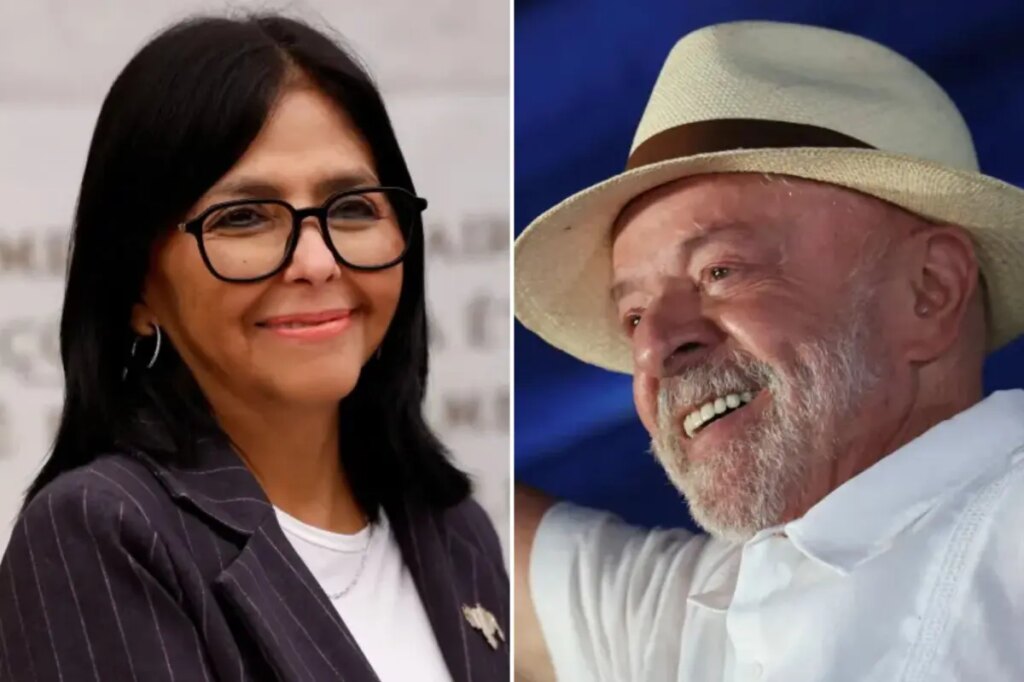
Latin American democracy is being put to the test in Brazil and Venezuela.
At stake is whether the left-wing government in either country can countenance the idea of legitimate opposition.
The day after losing Brazil’s presidential election, Sen. Flavio Bolsonaro was ordered to hand over his passports and remain in Brazil.
His uncle, also a senator, had warned him to flee or face certain arrest if he was defeated.
The opposition leader seems to have heeded this advice — he’s reportedly trying to reach the United States.
As Brazilians went to the polls Sunday to choose between Bolsonaro and leftist incumbent President Luiz Inácio Lula da Silva, another Latin American opposition leader had just returned to her home country after nearly a year in exile: Venezuela’s María Corina Machado.
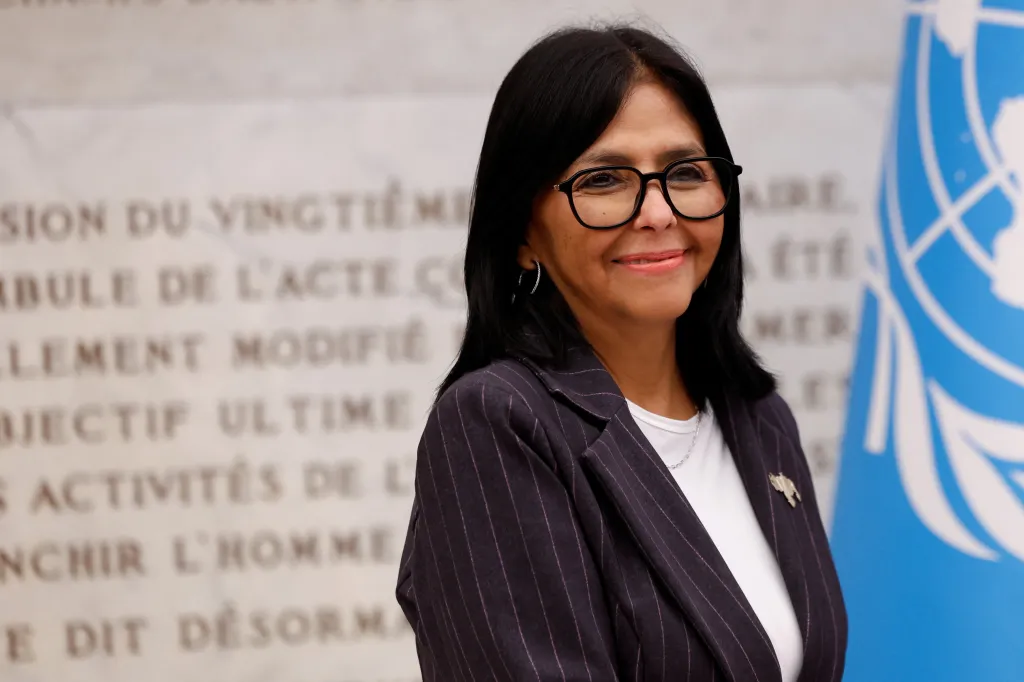
Her freedom, and her life, are now at the mercy of the socialist dictatorship led by Delcy Rodriguez, who took power after the US capture of Nicolás Maduro in January.
Venezuela has not had even the semblance of a free presidential election since 2013, following the death of Hugo Chavez, the socialist who established the present regime.
And Maduro’s victory that year — by less than 2 points — has been much questioned.
President Donald Trump has his own questions about what happened Sunday in Brazil.
A judge who was once Lula’s personal attorney kept polling places open an extra two hours, after the incumbent complained about a lack of adequate public transportation in cities where he expected to do well.
“It looked like another rigged election, frankly,” Trump told reporters afterward.
“I didn’t take sides, but it was a terrible look for the world.”
Bolsonaro was inclined to challenge the results, calling for the election to be annulled because of judicial interference — but he backed down.
Instead, he only accused Lula of using his power as an incumbent to affect the vote, a complaint unsuccessful candidates often lodge against winners in Brazil’s elections.
Bolsonaro might well have chosen not to pursue his original argument because the judiciary held leverage over him — in the form of two ongoing corruption investigations.
America’s recent experience of the Biden administration’s “lawfare” against Trump should make everyone think twice about lodging criminal cases against the leaders of an opposition party.
In Venezuela, changing Machado with corruption would certainly be a convenient way for Delcy Rodriguez to remove a serious rival for the presidency.
Democracies might protest that — but their own indictments of opposition leaders are only as just as their judges and prosecutors are.
And from Brazil to the state of New York, where Attorney General Letitia James pressed charges against Trump, such authorities are hardly above suspicions of partisanship.
If Lula were wise, he would make peace with his opponents, not prosecute them.
Voters have not, after all, given him a blank check; they re-elected him only in the wake of giving Bolsonaro’s party full control of the legislature in early October.
The nation’s economic stability is fragile, with Brazilian stocks taking their biggest fall in more than a quarter-century after it was clear Lula had won.
And despite his renewed lease on office, Lula’s era is drawing to a close,
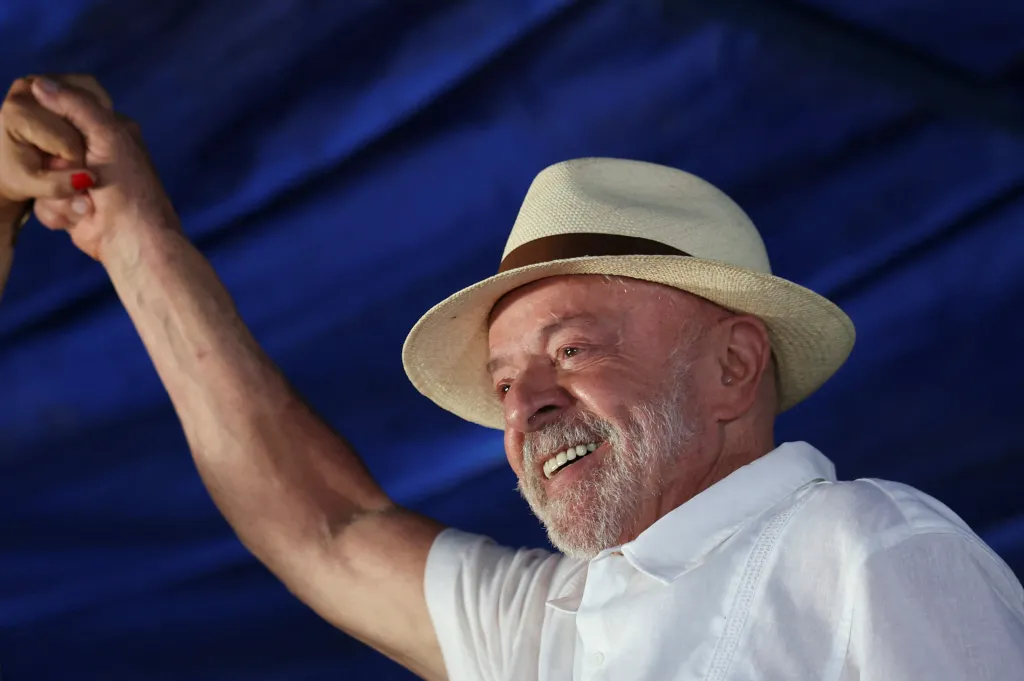
While he has just turned 81, the political right is still rising in the region, as seen at home and abroad — in Brazil’s own legislative elections, and in a dozen-plus presidential contests elsewhere in Latin America since last year.
Lula could go down in history as more than just another Latin American leftist of a bygone era, if he accepted the legitimacy of conservative opposition.
Yet there’s little chance of that, as Lula’s attitude toward Venezuela shows.
He condemned the dictator Maduro’s removal from power — and what will he say if Rodriguez attempts to cling to it, despite her pledges to call elections?
If Lula’s content to see his opponents jailed or prevented from running for office, what are the odds he’ll object if Rodriguez bans or imprisons her opposition, too?
Rodriguez, for her part, can break the mold Chavez and Maduro imposed on her country, if she dares to: She can tolerate opposition and get the country ready for a real vote.
Losing might be painful — but winding up like Maduro would be worse.
Latin America is prospering under right-leaning governments.
The remaining left-wing holdouts should recognize where the future is leading.
They’ll soon be in opposition, just as leftists elsewhere in the region are.
Their actions toward their rivals — from Bolsonaro to Machado — will determine what place, if any, the left itself has in the Latin America that’s coming, despite the brief interruption of Lula’s last hurrah.
Daniel McCarthy is the editor of Modern Age: A Conservative Review.
The post Brazil and Venezuela face a tough road back to sanity appeared first on New York Post.