For America’s billionaires, even a $100 million mansion can be a teardown.
The ultrawealthy are snapping up lavish estates — only to send in the bulldozers, treating perfectly good homes as little more than obstacles standing between them and their dream properties.
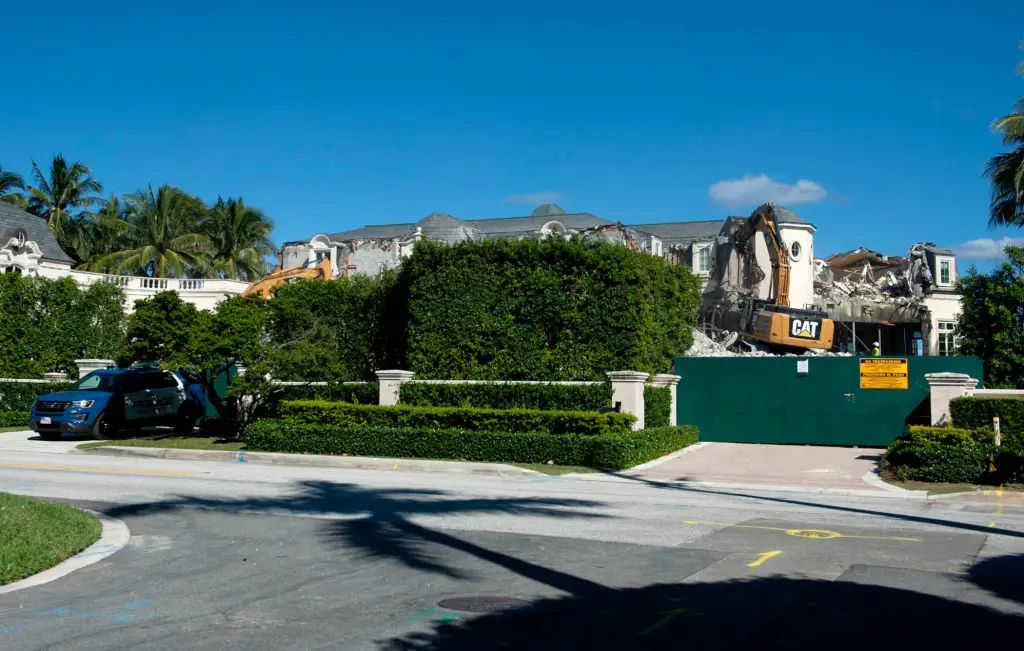
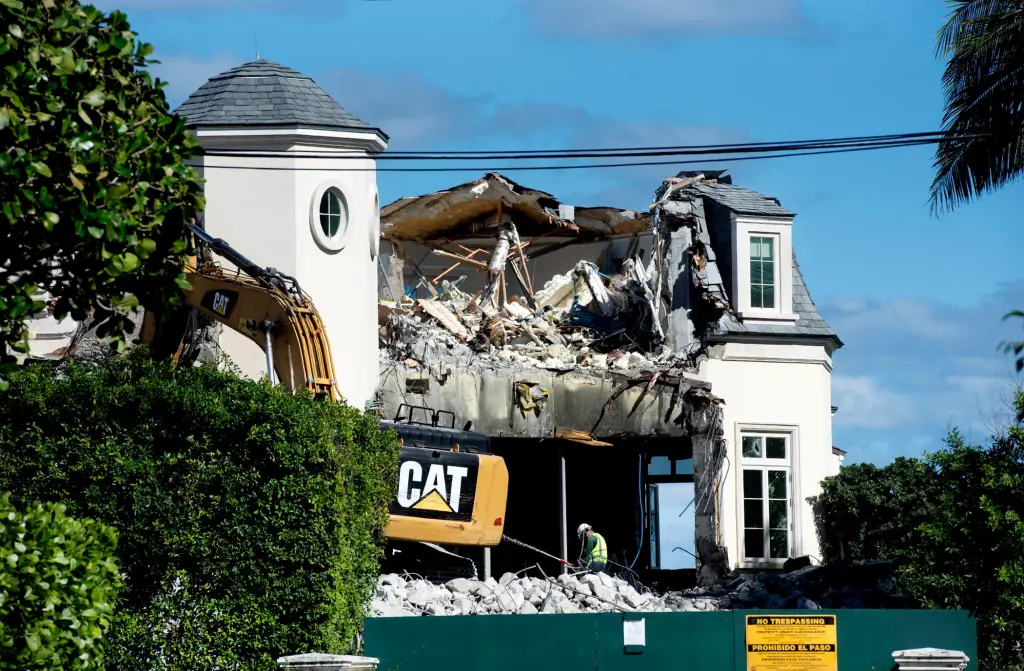
In March 2023, cosmetics billionaire William Lauder, an heir to the Estée Lauder fortune, shelled out a staggering $155 million for the late conservative radio host Rush Limbaugh’s sprawling estate at 1495 N. Ocean Blvd. in Palm Beach — a roughly 24,000-square-foot oceanfront mansion complete with a Versailles-inspired salon and an ornate library modeled after one at the Biltmore Estate.

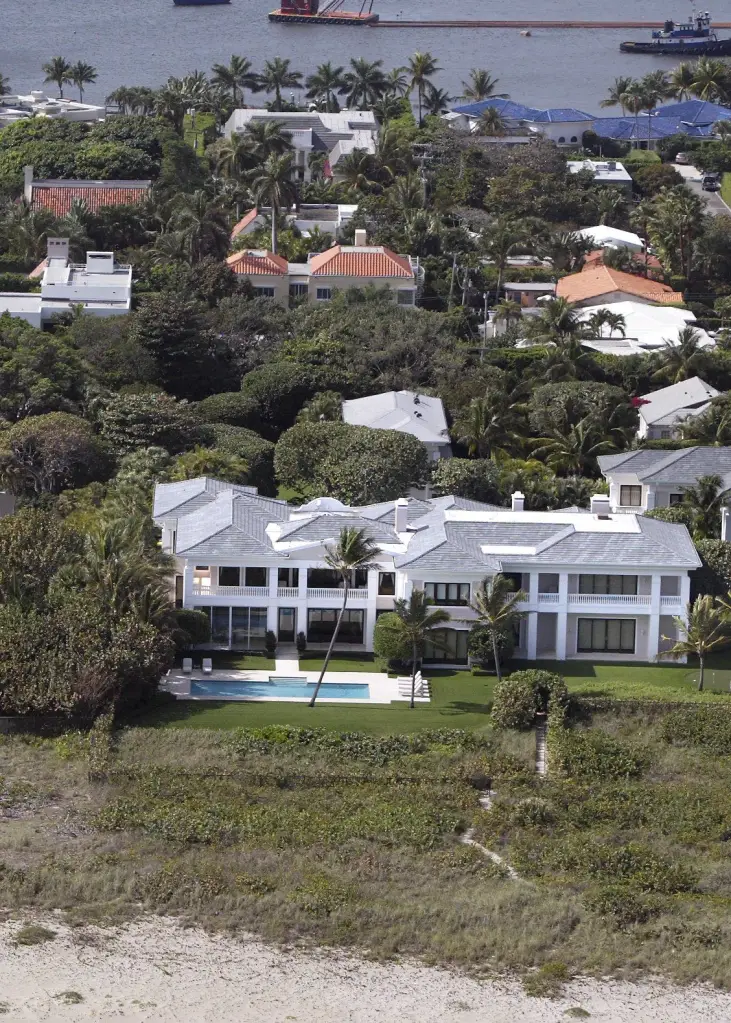
Four months later, the house was rubble.
The extraordinary demolition is among the most extreme examples of a luxury real estate trend sweeping wealthy enclaves across the country, according to the Wall Street Journal.
In exclusive enclaves such as Palm Beach, where prime oceanfront land is increasingly scarce, even lavish, relatively modern mansions are being treated as disposable.
The real prize isn’t the house — it’s the irreplaceable piece of land beneath it.
Lauder had already razed two other oceanfront homes elsewhere in Palm Beach, including one that was just six years old.
He later sold the cleared lots for close to $200 million in 2025 to a buyer with ties to Microsoft.
The properties at 1063 and 1071 N. Ocean Blvd. became part of a larger, multimillion-dollar land assemblage that could eventually rank among Palm Beach’s priciest private estates.
He’s hardly alone.
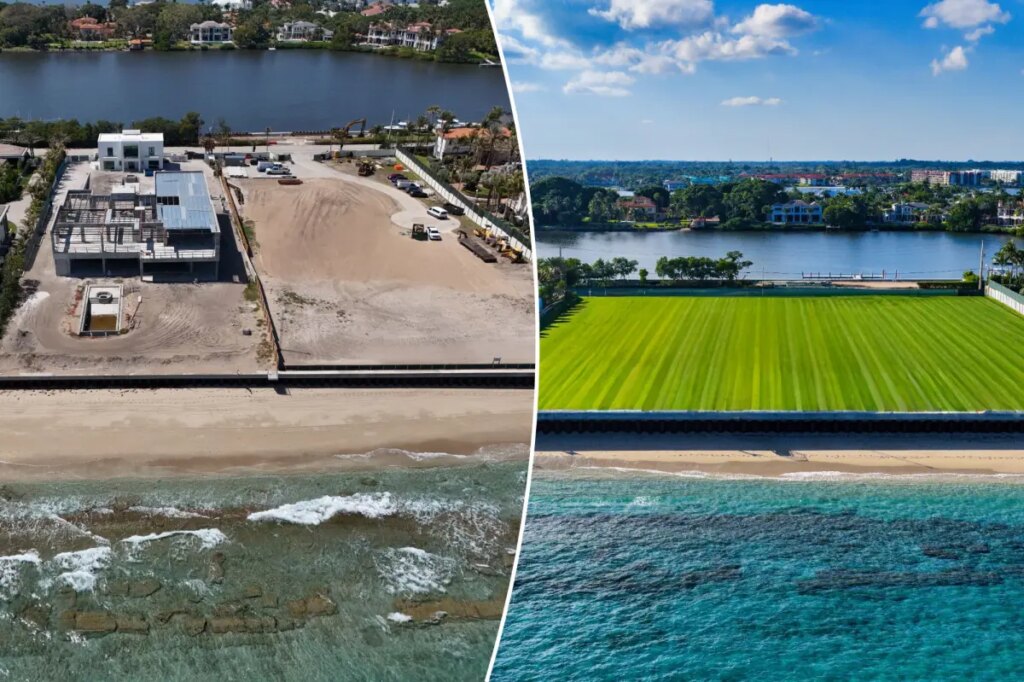
WeatherTech founder David MacNeil has also made a habit of buying and demolishing multimillion-dollar properties in nearby Manalapan.
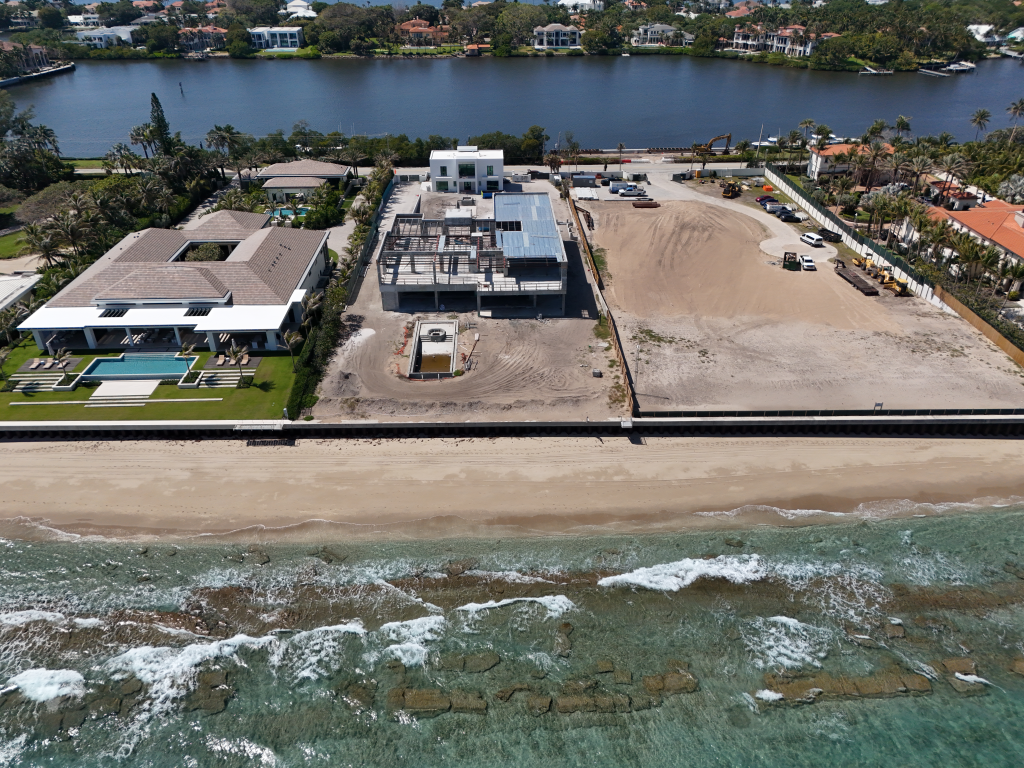
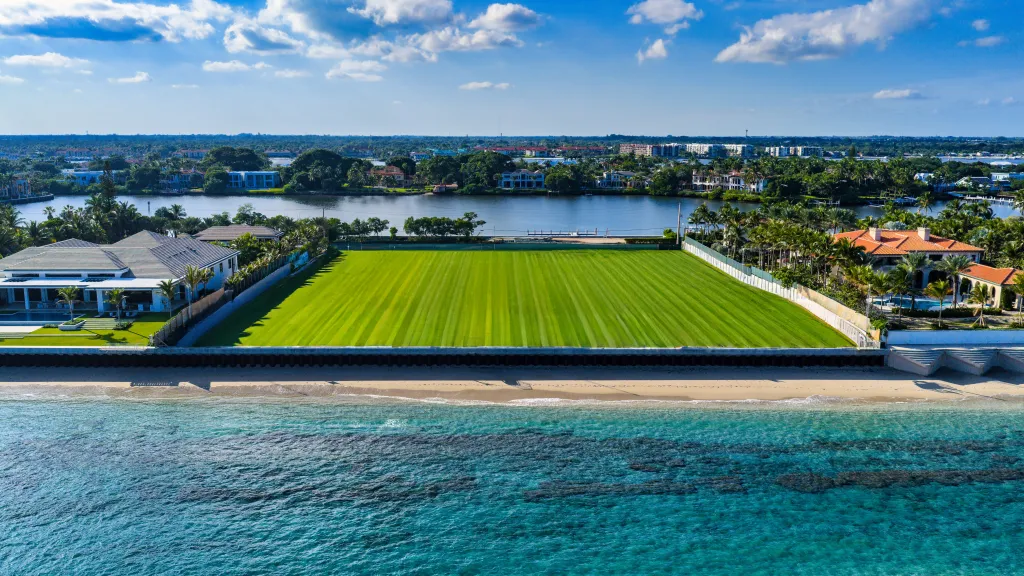
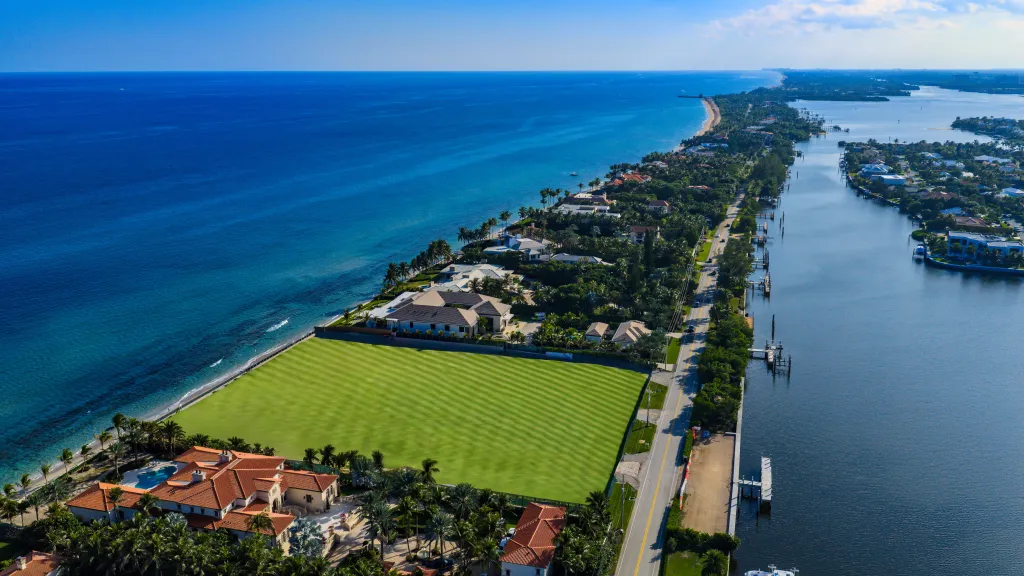
MacNeil paid $55.5 million for a partially completed mansion at 1140 S. Ocean Blvd. in Manalapan in 2025, after purchasing the neighboring property at 1120 S. Ocean Blvd. for $38.5 million the year before.
He demolished both homes, combining the properties into a sprawling 3.5-acre oceanfront lot that he listed for $125 million before selling it for $105 million earlier this year.

In another deal, MacNeil paid $36 million in July for a roughly 9,000-square-foot home built around 2004, directly adjacent to his primary residence.
That house also met the wrecking ball.
MacNeil plans to replace it with a fitness center and green space, telling the Journal the existing property was outdated and would have required an estimated $10 million in renovations.
And he has teamed up with another billionaire neighbor to secure even more land.
In June, MacNeil and Oracle co-founder Larry Ellison struck deals totaling $67 million to split a 4-acre waterfront parcel between their neighboring Manalapan estates.

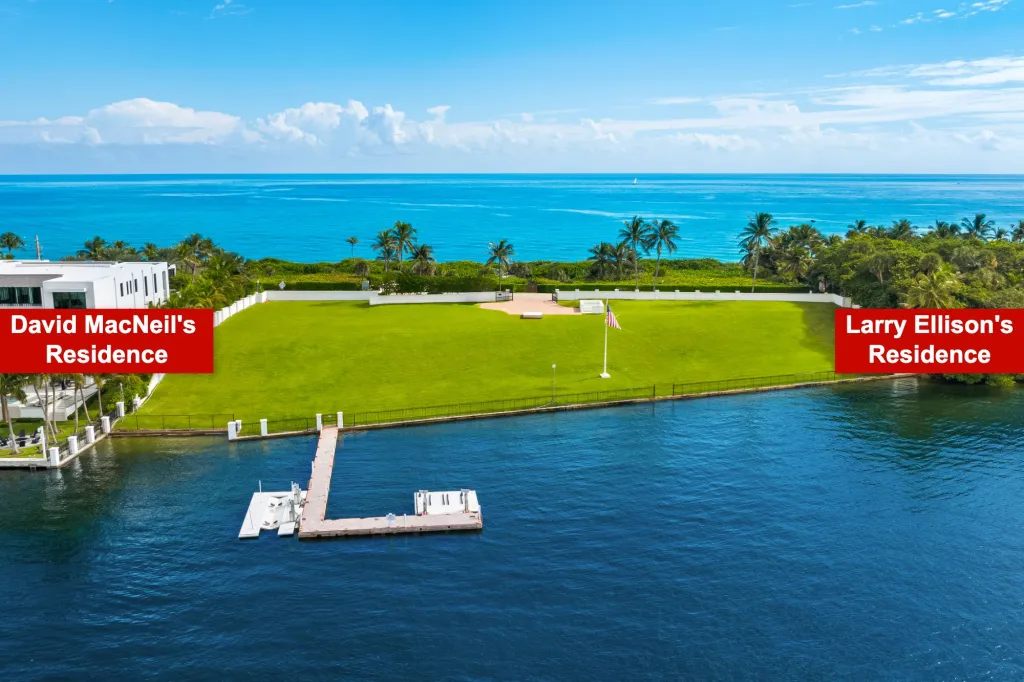
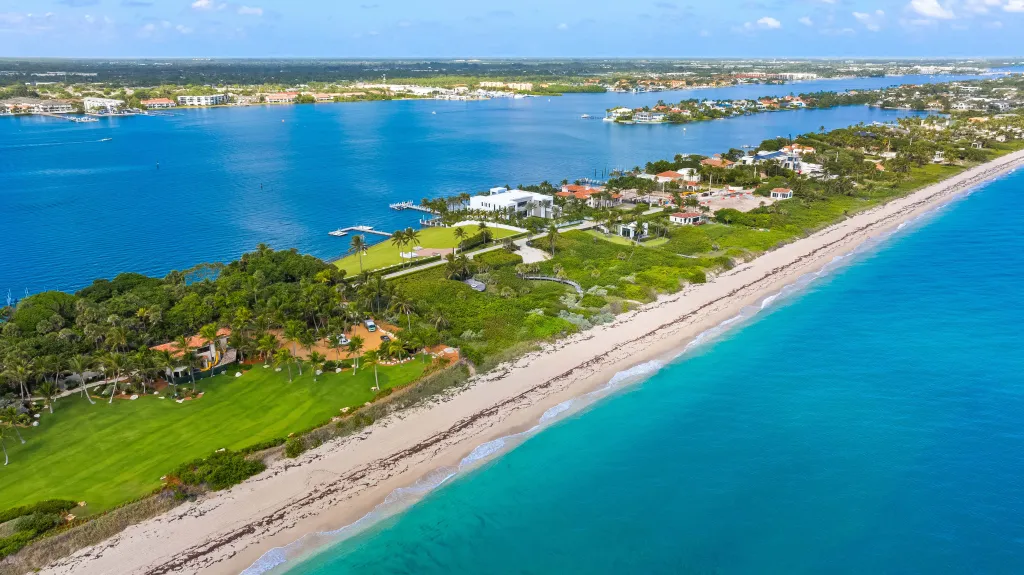
The land had previously been earmarked for a proposed $285 million megamansion, with plans calling for a roughly 50,000-square-foot residence packed with luxury amenities.
The teardown craze is also reshaping how luxury properties are marketed.
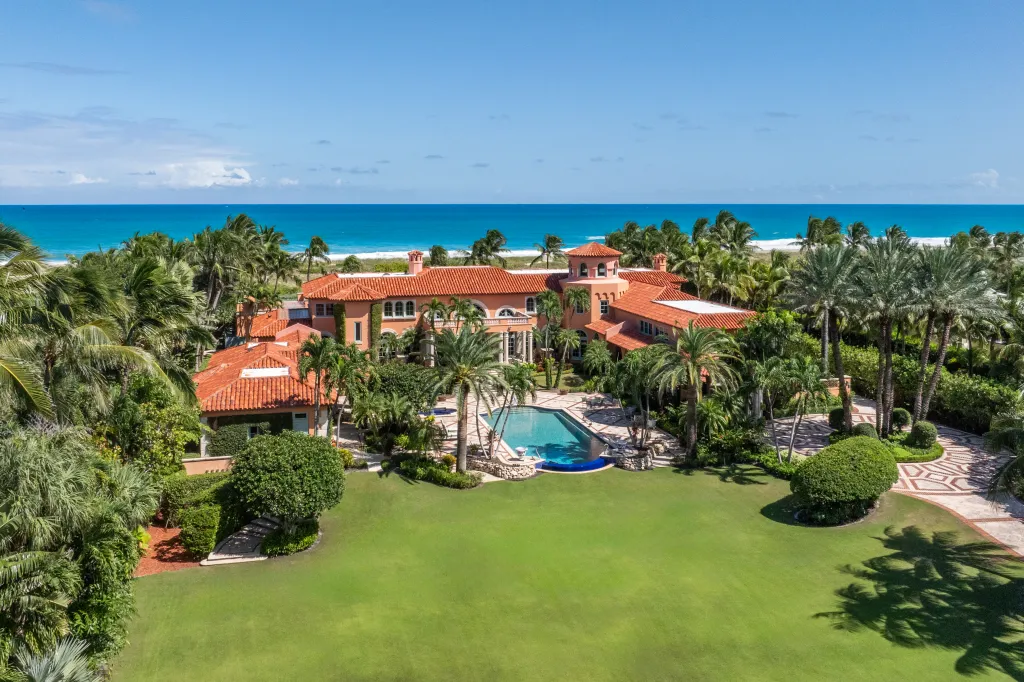
A Palm Beach oceanfront compound belonging to the late developer Murray Goodman and his wife, Joanie, recently hit the market for $185 million.
Despite being in good condition, the roughly 2-acre estate — complete with pink-hued buildings, a tennis court and 250 feet of direct ocean frontage — is widely expected to be demolished by its next owner, local agents told the Journal.
Meanwhile, Ellison has relisted his seven-bedroom North Palm Beach estate for $165 million.
Although the Tuscan-style mansion, built in the 1990s, remains in good condition, listing agents James Kenny and Paul Kaneb of K2 Realty told the Journal they are marketing it as a potential redevelopment opportunity.
The obsession with starting from scratch isn’t limited to Palm Beach.
In Houston’s affluent Bunker Hill Village, more than 15% of home listings contain terms associated with teardowns, such as “rebuild” or “land value,” according to Redfin data cited by the Journal.
In Pimmit Hills, Virginia, a postwar neighborhood in Fairfax County, the share is 6.67%.
And the appetite for fresh construction is raising questions about the environmental cost of treating luxury homes as disposable.
William Paddock of environmental consulting firm WAP Sustainability told the Journal that replacing a 10,000-square-foot house with a 30,000-square-foot mansion would carry a carbon footprint comparable to powering roughly 250 average US homes for a year.
South Florida contractor Robert Burrage told the Journal that only about 25% of materials from homes demolished by his firm end up in landfills, with appliances and cabinetry donated and materials such as concrete and metal sorted for reuse.
The post Billionaires are buying $100M mansions just to tear them down — all in 1 famed Florida enclave appeared first on New York Post.