After several weeks of teasing, Ryan Murphy received a green light to reboot “Glee” for a new generation.
The musical dramedy that ran on Fox for six seasons and 121 episodes from 2009 to 2015 will return to our screens, this time via Disney+ and Hulu. Murphy said he had “been in touch with around 10 of the original cast members,” and that “they all had a lot of questions, but they all were very enthusiastic about the idea.” Reviving the series only 11 years after its end seems premature, but in the reboot era, there is no such thing as “too soon.” Still, “Glee” is a show with a torrid legacy, one infamous enough to justify a docuseries about its dark side. Even before it became the subject of dozens of clickbaity “most cursed show on TV” headlines, it was considered a prime example of wasted potential and shark-jumping lunacy.
Can you even reboot a show like this in 2026?
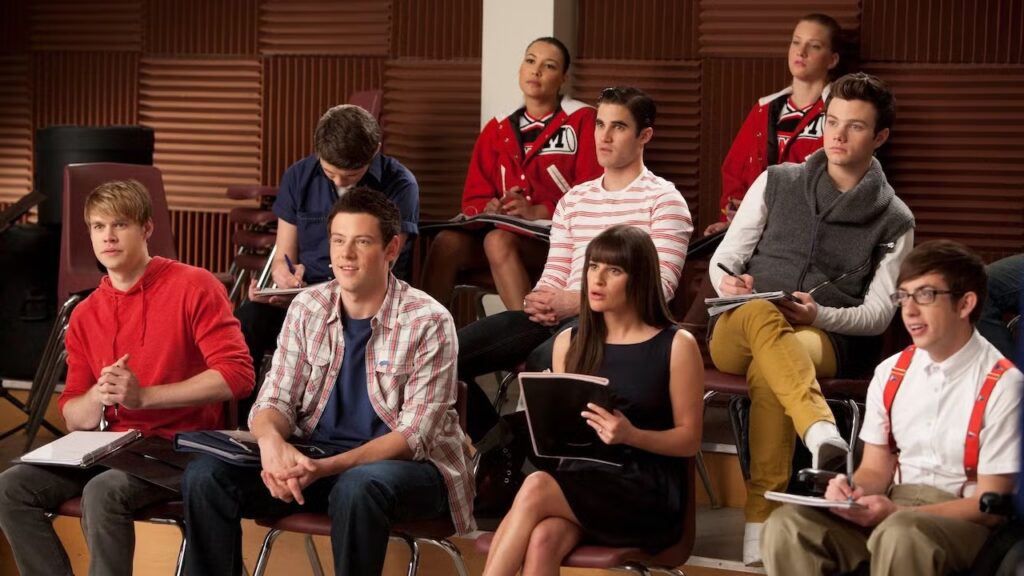
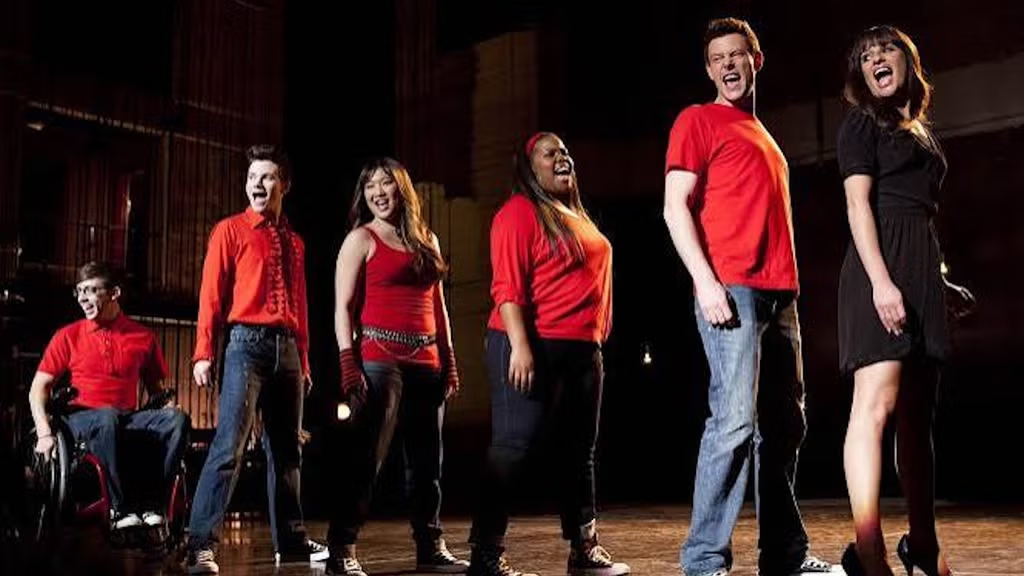
It’s easy to forget now, but “Glee” really was that big of a deal. Its premiere was a ratings smash, and the first season received 19 Emmy nominations. The first half of the season boasted some of the most caustic comedy on network TV ever. Set in a middling high school in Lima, Ohio, the show followed the establishment of a glee club where a ragtag group of misfits, weirdos, jocks and theater nerds squabbled and bonded over song. It could be saccharine but it also had the nerve to take on topics like homophobia, bullying and sex. The characters were broad stereotypes, like the stock cast of a schlocky high school production of “Grease,” who revealed their thoroughly modern insecurities.
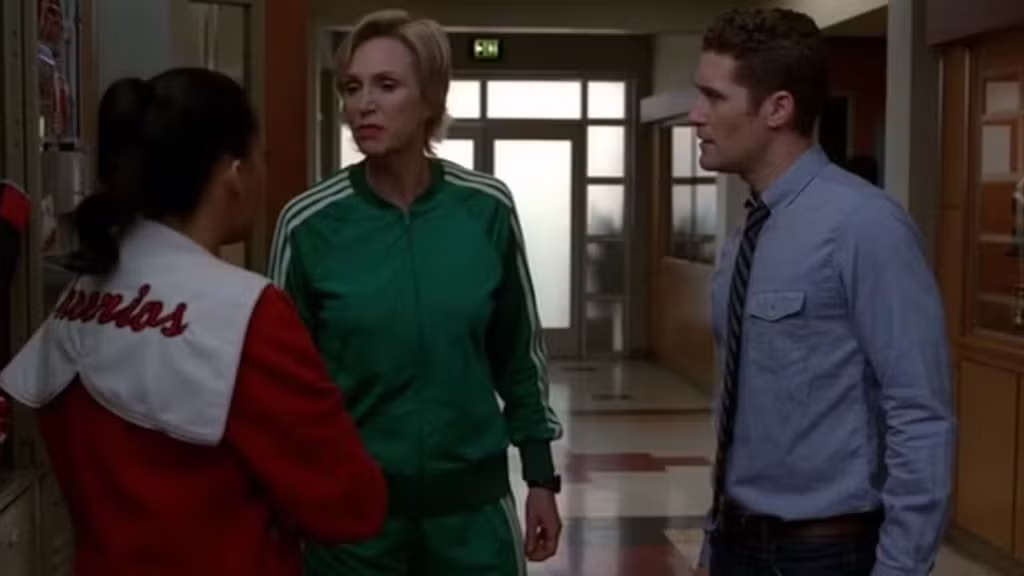
There was heart, yes, but the real meat of “Glee” was the surprisingly dark portrayal of Mr. Schuster, played by Matthew Morrison. He was a failure of a pan with a dead-end job, a terrible wife and a dream of living vicariously through his students. While there was joy to be found in the glee club and his work, it’s also clear his life sucked and wasn’t going to get much better. Those first 13 episodes felt like an Alexander Payne movie. But as the show exploded in popularity, the black heart at the show’s core grew three sizes and a hell of a lot sappier.
The musical numbers were key to the success of “Glee”, of course. When you hire Broadway stars to belt to the rafters, you get as much use out of them as possible. It didn’t take long for the show’s covers of songs like “Don’t Stop Believin’” to become iTunes bestsellers. The show’s 754 musical performances, with each performance delivering an individual song or a mashup of two or more songs in a single performance, were all made available to buy after each episode aired and made Fox a lot of money. So, naturally, themed episodes and covers of trendy, of-the-moment hits became paramount. Eventually, the show seemed more concerned with Billboard chartings than whether or not the songs even made sense in-universe, a process that became nigh-on impossible as the show slid further into self-parody.
The self-aware flintiness of those early episodes gave way to “special episode”-style smarm and box ticking. A notorious school shooting hour was one of the show’s most indignant low points. It became clear that the show had more interest in some characters than others, and it was usually the actors of color who were sidelined as a result. They seemed terrified of letting others go, hanging onto them well after their stories had concluded. Rachel Berry (Lea Michele), in particular, went from a playfully annoying but ultimately good-hearted kid to an egomaniac the show bent over backward to sell as the ultimate underdog. The always-reliable Jane Lynch’s scheming cheerleader coach Sue evolved into a grotesque quip machine, alternating between garden-variety bigotry and tooth-aching moralizing.
It took very little time for “Glee” to become a victim of its own success, rewired to produce chart-topping hits and self-satisfied preachiness. Truly, it feels like the most Obama-era piece of pop culture aside from “Hamilton” (a musical the show, mercifully, never got to tackle with an episode.) We’re now used to Ryan Murphy shows burning out after he’s lost interest in the hook that made them so intriguing to begin with. Check out literally every season of “American Horror Story” for proof of that.
So, why bring back “Glee” in 2026, when the atmosphere of both TV and reality are so wildly different? Maybe that’s why.
A “Glee” reboot could be a winning opportunity for the show to return to those roots it strayed from after the first season. Let it be that “Election”-esque black comedy about failure to launch and the simmering resentments between generations. That doesn’t mean it can’t have optimism. Certainly, as we deal with the tedium of ginned-up culture wars and the mere presence of inclusivity being derided as “woke,” a show about the marginalized communities of middle America getting on with life and finding sparks of joy in the claustrophobia of Trumpism would be more than welcome.
When Murphy is at his most controlled, balancing light and dark and finding those bleak laughs alongside a true sense of optimism, it’s thrilling to watch. Granted, it’s been a while since he’s reined in his worst excesses, but the potential is always there.
Lea Michele is in talks to reprise her role as Rachel Berry, and Heather Morris took to Instagram to hint that she’d be back as Brittany S. Pierce. The odds of the entire crew returning, however, are low, given the show’s years of controversies and tragedies. Indeed, “Glee” might be as notorious for its rumored curse as it is beloved for its music. The deaths of Cory Monteith and Naya Rivera still haunt the series, as does the suicide of Mark Salling, who had pleaded guilty to charges of possession of child pornography.
There are also many years of stories of on-set battles and reports of workplace bullying and racist microaggressions by Michele. Samantha Marie Ware, who played Jane Hayward during the sixth season, went public on X in 2020 to detail how Michele made her time on set “a living hell” and threatened to “s—t in my wig.” Several cast members, including Morris, Amber Riley and Alex Newell, expressed support for Ware. Michele later issued an apology.
Assuming the animosity has thawed and the actors are suitably compensated for their time, one could certainly imagine a “Glee” reboot with Riley and Chris Colfer, who played Mercedes and Kurt respectively, in fine, scene-stealing form.
If the show is to capture the realization that you may never get to fully live out your potential, having undeniably talented performers stuck in the same old town where nothing has changed carries a certain poignancy. A reboot would most likely have to retcon a ton of details (seriously, the show ends with Sue becoming Vice President and all the main first-gen glee club kids becoming mega-stars.)
Really, this show needs as much fresh blood as possible, and to remember that it’s the people who made it, not the songs. “Glee” doesn’t have to descend into abject madness once more. Let’s hope Murphy and company fight off the temptation to do a “Pink Pony Club” episode …
The post Can a ‘Glee’ Reboot Really Work in 2026? appeared first on TheWrap.