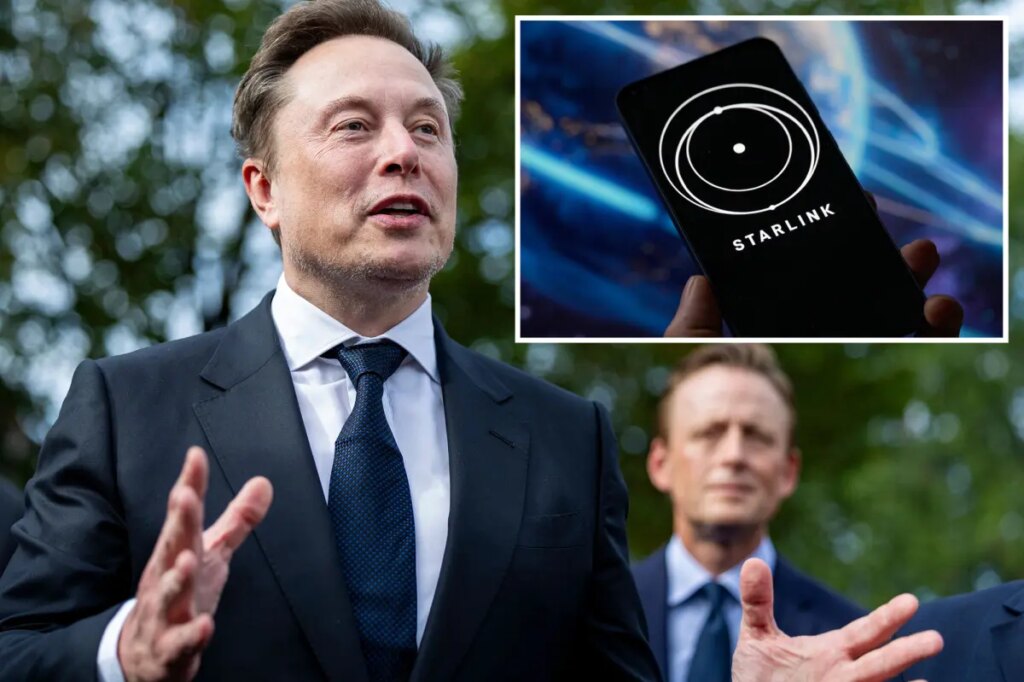
WASHINGTON — SpaceX CEO Elon Musk made the decision to throttle Ukraine’s access to a military version of Starlink satellite internet service that powers drone operations that can repel Russian attacks, according to a new report.
US officials told The Wall Street Journal on Tuesday that Musk chose to cap the satellite internet speed on Oct. 14 without consulting with the White House, while another source familiar with the interference claimed the tech mogul consulted senior administration figures and President Trump before doing so.
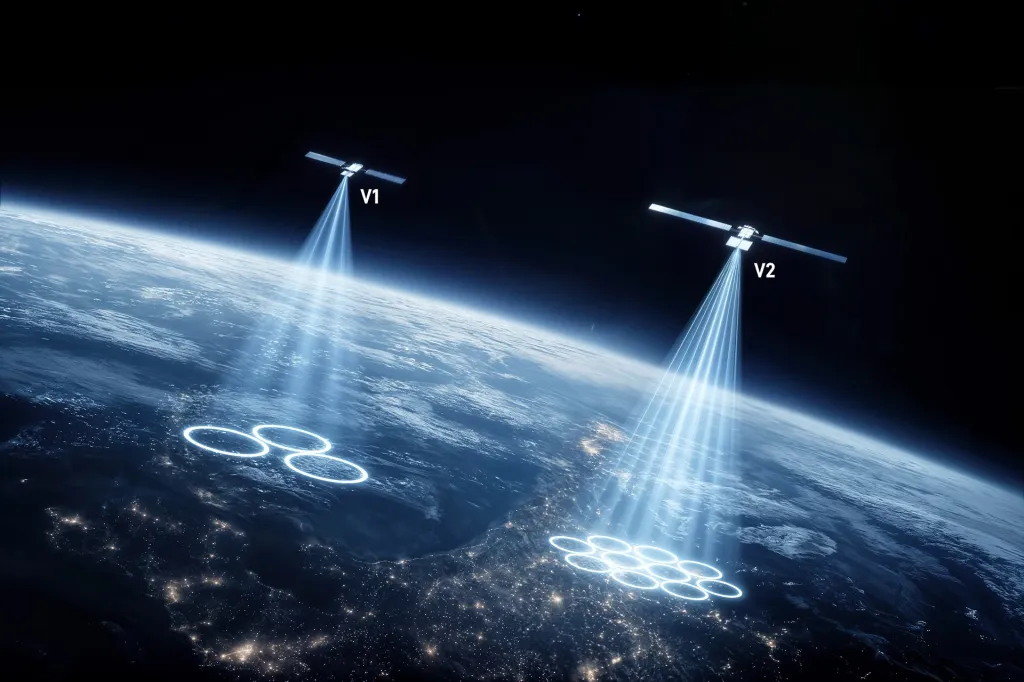
The military-grade version of the service, also known as Starshield, is critical for helping Ukraine operate offensive and interceptor drones.
But under the Musk-ordered cap, objects flying faster than 100 mph couldn’t connect with Starshield, interfering with drone operations.
Ukrainian President Volodymyr Zelensky blamed the US and SpaceX for the issues, which lingered through most of last week.
The loss of service came as Russia was launching drone attacks on Ukraine’s power plants, violating a fragile energy cease-fire that Trump brokered between the warring countries on Oct. 11.
Musk denied having limited access in an Oct. 14 post on X that stated, “Starshield systems are owned and controlled by the US government. Any limits on speed or usage are decided by the US military and ultimately POTUS.”
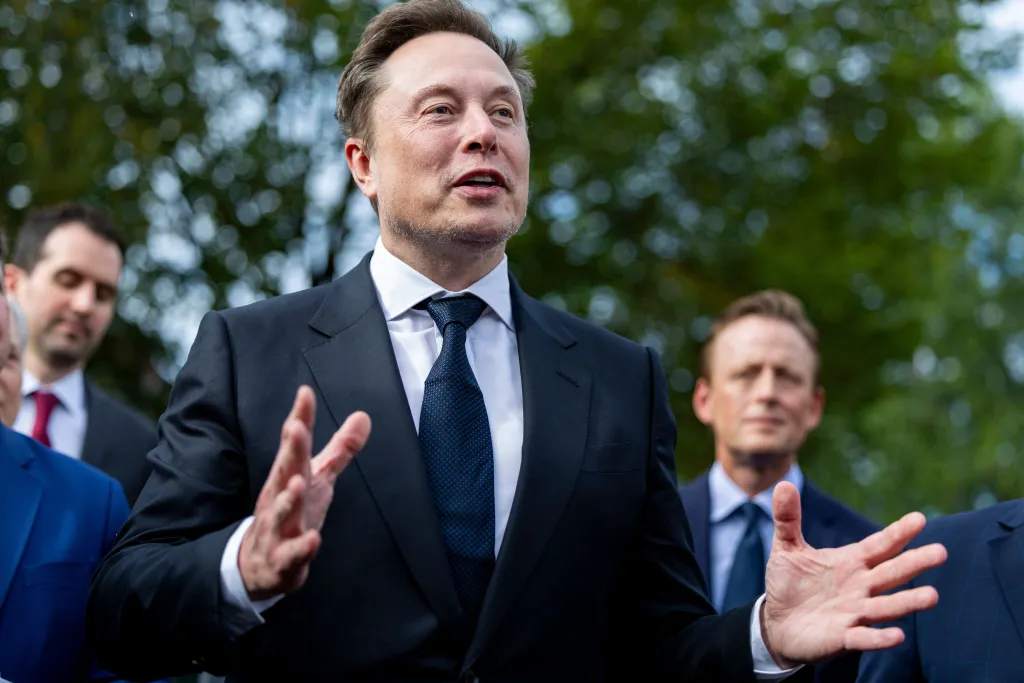
“Starlink is a commercial service owned and controlled by SpaceX. Usage of Starlink is limited to civilian or defensive activities and cannot be used for offensive military action, as doing so would be inappropriate for a commercial company,” Musk said.
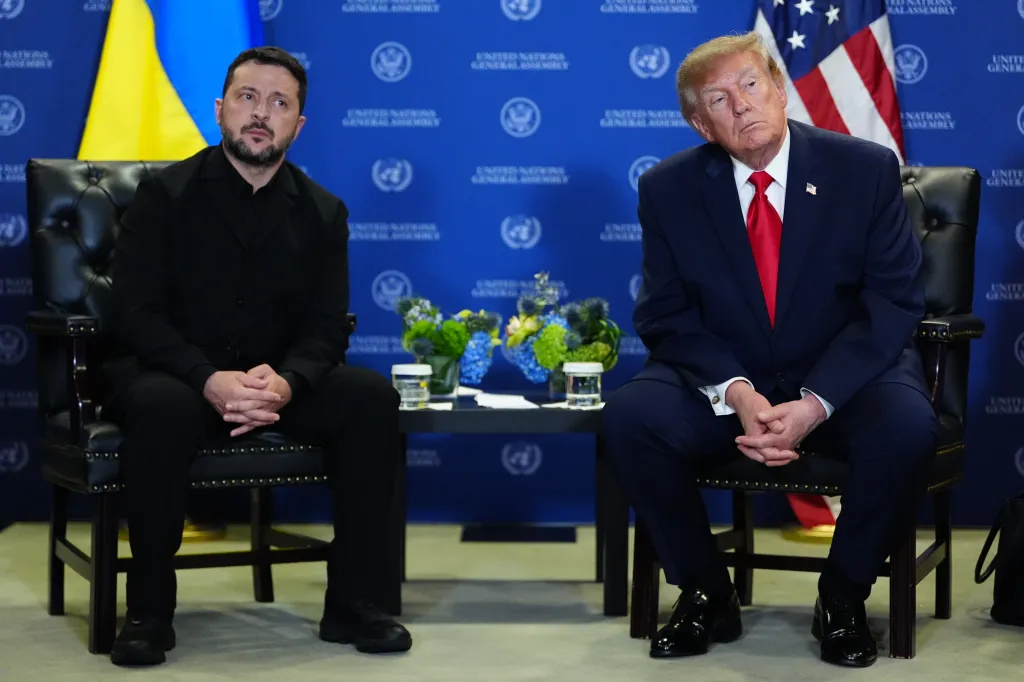
Trump, who has increasingly criticized Zelensky for being unwilling to engage in peace talks, and other administration officials vehemently denied US interference.
“I didn’t do that. No, we didn’t do that at all. In fact, I don’t even think it was slowed down from what I understood. Because I just checked this morning,” Trump told reporters as he left the White House Friday for a campaign trip to Georgia. “I don’t know if it was anybody, because it wasn’t me and I don’t think it was Elon.”
Reports from Reuters and The Telegraph differed as to whether Musk or the White House was ultimately to blame.
An administration official told The Post last Thursday, however, that “this was Pentagon freelancing and it’s not the first time it has happened with Ukraine,” denying direct White House involvement.
Last month, Secretary of War Pete Hegseth appointed Musk — along with Anduril founder Palmer Luckey and ex-Speaker of the House Newt Gingrich — to a panel studying the future of technologies involved in warfare, known as Project Meridian.
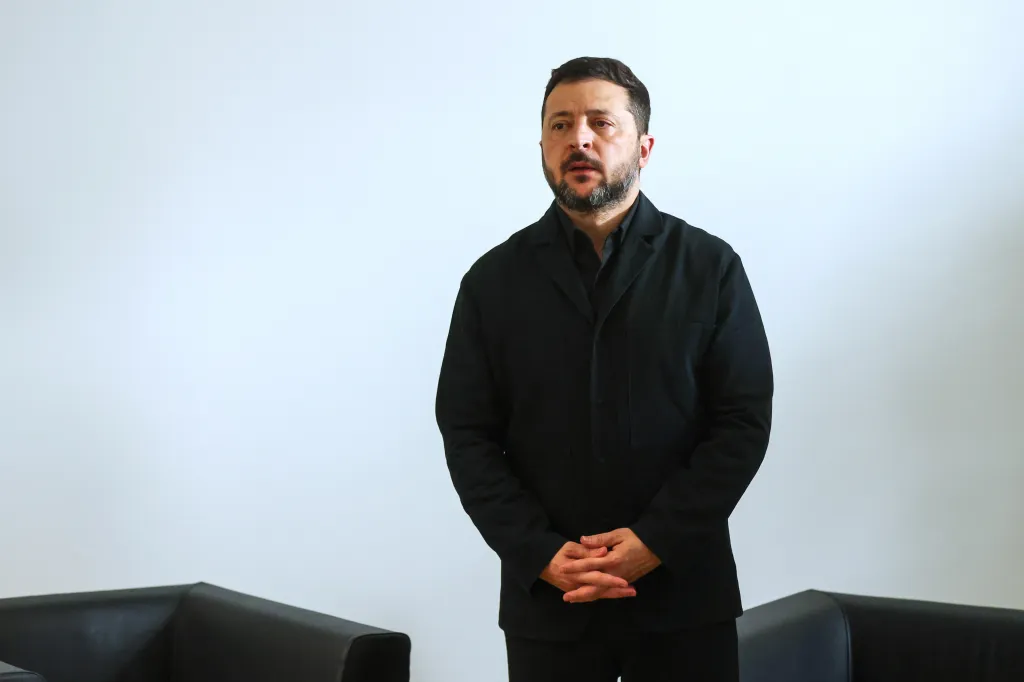
“The message came from government,” Zelensky insisted. “I don’t know from whom, what cabinet, and et cetera.”
“It was a message from American government to limit the speed. And technically, SpaceX did it,” he said.
Secretary of State Marco Rubio denied Tuesday that there had been any lapse — in either Starlink services or intelligence sharing with Kyiv.
“I saw somebody associated with the Ukrainian government say that people in Ukraine are dying because the US is denying them information,” Rubio fumed. “That’s scandalous, that’s outrageous. That’s just simply not true.”
“Our understanding is that to the extent that happened on the 13th and on the 18th, it was a technical matter,” he added of the Starlink interruption. “It was not the result of any sort of US directive not to provide advance warning of a strike, and we are providing the same warnings to them now that we always have.”
Trump’s side deal with Russia to buy up exports of diesel on Oct. 9 further complicated matters, with Ukraine objecting to that the funds would fuel Russian President Vladimir Putin’s war machine and the US president claiming it would decrease global prices for the fuel.
Zelensky called the action “weak,” and Trump immediately declared, “it’s time for Ukraine to get a new president.”
Neither the White House nor SpaceX have responded to The Post’s requests for comment.
The post Elon Musk chose to throttle Ukraine’s access to Starlink: report appeared first on New York Post.