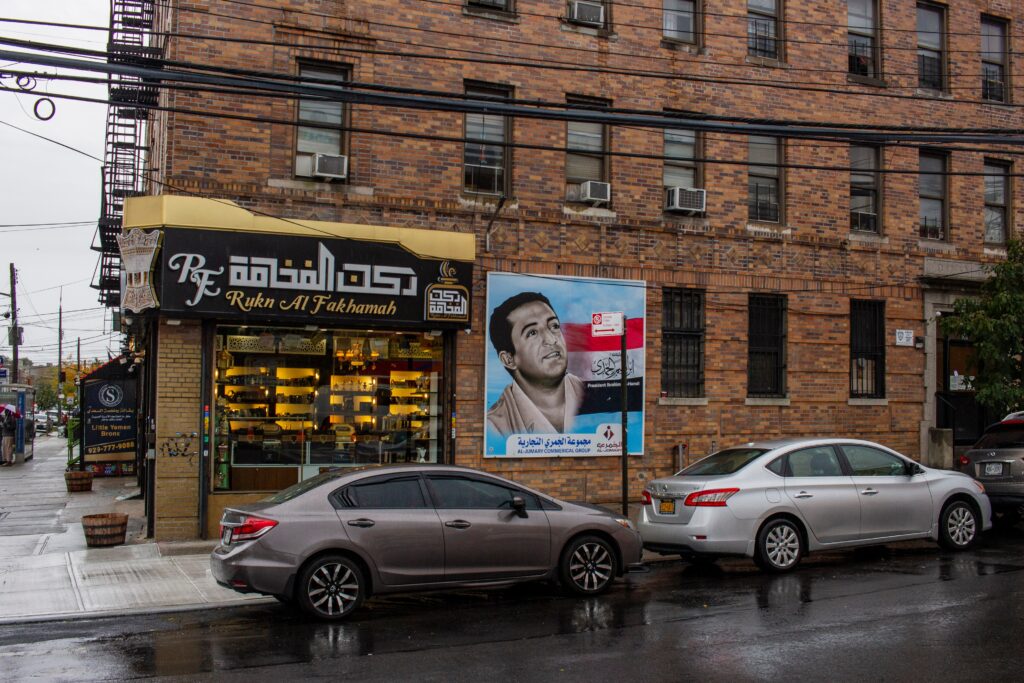
When The Washington Post and George Mason University’s Schar School of Policy and Government first explored conducting a nationally representative survey of Arab Americans, it wasn’t clear whether it was possible.
There have been very few high-quality surveys of Arab Americans, limited to a series of surveys by the Arab American Institute in recent decades.
Most national polls are able to compare results across broad and very large groups such as men and women in the United States, or Democrats and Republicans. Accurately capturing the views of smaller groups is a persistent challenge. The Census Bureau reports that just 1 percent of Americans have ancestry in predominantly Arab countries. That means that a traditional randomized survey of 1,000 adults could expect to reach only 10 Arab Americans.
The Post, the Schar School and the survey research firm SSRS collaborated to use two approaches to solve that problem and reach a representative sample of Arab Americans in the U.S.
The first sample source was SSRS’s Probability Panel, which includes about 50,000 adults. This survey panel was recruited over many years by mailing random samples of U.S. households an invitation to take regular surveys online or by phone, offering small incentives for participating. SSRS asked all panel members whether they had Arab ancestry, with 478 (about 1 percent) saying yes, and 245 of that group completing the poll.
The second way the poll sampled respondents was by sending postcard invitations to households identified on a national consumer database as likely to be of Arab descent based on their first or last names, as well as local ethnicity data from the Census Bureau.
The two methods complemented each other. The SSRS panel ensured the sample was geographically representative of the U.S., while the listed sample helped reach Arab American adults who are less likely to take a typical survey. For instance, two-thirds of respondents reached via the listed sample spoke another language than English at home, compared with less than half of those reached from the probability panel.
Another challenge for the survey was defining who counts as an Arab American. While the list of Arab ancestries is well established, many immigrants from those countries do not identify as Arab, such as Berbers in North Africa.
The Post and the Schar School decided to rely on a combination of ancestry and personal identity. In addition to having ancestry in an Arab country, respondents needed to personally identify as Arab to be described as Arab American and included in the survey.
The Census Bureau provided another valuable backbone for the poll: national benchmarks for the demographics of adults with Arab ancestry. The poll’s sample of adults with Arab national ancestry was calibrated to match census data, to ensure that the survey accurately reflected Arab population by age, gender, education, nativity, region and languages spoken at home.
The Post shared draft questionnaires for the poll with several experts on Arab American life and public opinion, receiving feedback from Shibley Telhami, a professor of international affairs at the University of Maryland; Bentley University professor Gary David; and George Mason University professor Peter Mandaville. The Post and the Schar School then made final decisions on methodology and question wording for the survey, seeking to ensure questions were asked in a clear and fair manner, with reliable comparisons to surveys of the general public and other ethnic groups.
Read full results from the Arab Americans poll, including question wording and detailed methodology.
The post Polling Arab Americans is statistically challenging. Here’s what we did. appeared first on Washington Post.