If you have fall allergies, you’re probably all too familiar with the congestion, watery eyes and sneezing that can follow a day outside at this time of year — the prime season for ragweed pollen. But what you might not realize is how a pollen allergy can set you up for a kind of allergic reaction to specific foods, called oral allergy syndrome (OAS).
Also known as pollen-food allergy syndrome (PFAS), OAS occurs when “the immune system confuses certain fresh fruits, vegetables and sometimes even nuts for pollen grains [that you’re allergic to],” said Zachary Rubin, a pediatric allergist-immunologist in the western suburbs of Chicago and author of “All About Allergies” and the forthcoming “Think Like a Doctor.” This happens because the proteins in these foods have similar structures to those in some pollen grains, he explained.
The result is a “cross-reaction” — your body reacts to contact with the food as if it’s pollen, causing an itchy mouth, lips, tongue or throat, said Payel Gupta, an allergist and immunologist in Brooklyn and a member of the medical advisory council of the Allergy & Asthma Network.
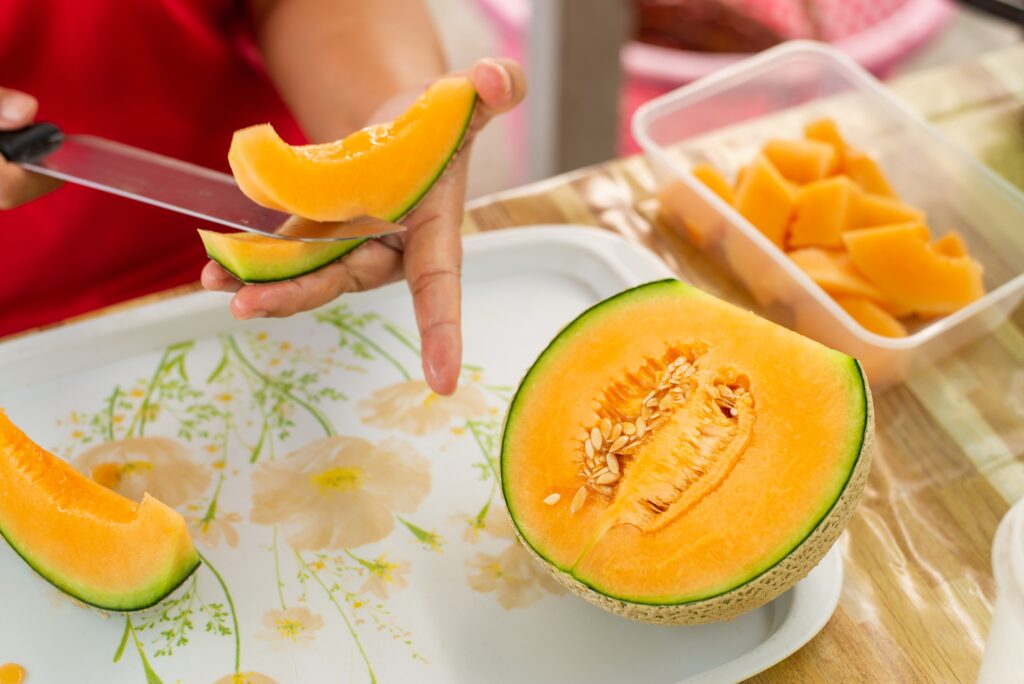
Roughly a quarter of adults in the United States experience seasonal allergies, and of those people, at least a third deal with OAS. The foods that can trigger this reaction depend on your seasonal pollen allergy. For example, the proteins in thin-skinned or pitted fruits — like apples, pears and plums — resemble those in birch pollen, which is rampant in spring, so these fruits could spark OAS in people with spring allergies; whereas melon proteins look more like ragweed pollen, possibly launching a reaction in those with fall allergies.
People with OAS can experience symptoms from their trigger foods year-round but tend to have a more intense allergic response during the associated pollen season, when their body is already inundated with pollen and therefore more sensitized, Gupta said.
We asked experts to explain how OAS typically manifests and what to do to avoid symptoms.
What oral allergy syndrome looks like
People with OAS usually have mild symptoms right where the food touches — itching and sometimes swelling, tingling or burning in and around the mouth, Rubin said. That typically happens immediately after eating a raw fruit, vegetable or nut. (Cooking, freezing or otherwise processing these foods can dismantle the proteins that spark the reaction, Rubin said.)
Symptoms of a severe allergic reaction called anaphylaxis — which include trouble breathing, dizziness and low blood pressure, nausea, vomiting and agitation — are very rare with OAS, though not impossible, Rubin said. The proteins in foods that trigger OAS tend to be degraded quickly by the enzymes in saliva, he explained, before your immune system can launch a full-scale attack. Whereas, in a classic food allergy with high risk for anaphylaxis, the body mistakes more stable food proteins as invaders; these make it farther down the digestive tract, at which point the immune reaction can be a lot more dangerous, Rubin said.
But there’s still a slim chance for OAS to cause anaphylaxis. The risk may be higher if you experience even mild mouth itching with nuts or soybeans. In this case, Rubin stressed seeing your primary care doctor or allergist, as OAS could morph into a more severe allergy with time.
As mentioned above, different foods can cross-react with different kinds of pollen. Foods that tend to cause OAS in fall-allergy sufferers include the below in their raw forms:
- Melon (cantaloupe, watermelon, honeydew)
- Zucchini
- Cucumber
- Banana
Other foods may also cross-react with a different fall allergen called mugwort (a weed that is less common in the U.S. than it is in Europe), such as broccoli, cauliflower, garlic and onion. But these foods are more often eaten cooked, when they pose less risk for OAS.
For people with spring allergies (who are generally allergic to birch pollen), carrots, celery, hazelnuts, almonds and peanuts can cause OAS, alongside the pitted fruits above. And for those with summer allergies (who are sensitive to grass pollen), oranges, tomatoes, peaches and watermelon can be OAS trigger foods. (The American Academy of Allergy, Asthma and Immunology website has a full chart of cross-reactive foods by pollen allergy type.)
Just because you react to one of the foods on the list for your pollen allergy doesn’t mean you’ll react to all of them, Gupta said, and the extent of the reaction can vary person to person.
How to deal with oral allergy syndrome
It’s safest to avoid the raw fruits, vegetables or nuts that may trigger your OAS symptoms because even though the reaction is likely to be mild or tolerable, “there is a theoretical risk of having a severe allergic reaction,” Rubin emphasized.
Cooked or otherwise processed versions of the foods, however, generally are safe. (For example, if you have fall allergies and deal with OAS, you’ll probably experience no reaction from pickles or banana-nut muffins.)
Some people with OAS can also avoid a reaction by simply nuking their trigger foods in the microwave for 10 seconds or peeling them, Gupta said. These preparations can modify proteins in the foods so that they no longer closely resemble the pollen proteins, she explained.
If your OAS symptoms are severe or getting worse; if they’re set off by nuts; or if they occur even after cooking trigger foods, it’s important to see your primary care doctor or allergist. They can help you determine if you might be dealing instead with a classic food allergy and need to avoid that food entirely and carry epinephrine (e.g., an EpiPen) to use in case of anaphylaxis, Rubin said.
An allergist can also offer treatment of the underlying pollen allergy in the form of subcutaneous immunotherapy, or allergy shots, Gupta said. This involves getting tiny injections of the pollen you’re allergic to that gradually increase in size over several months to desensitize your immune system. Immunotherapy can sometimes also reduce related OAS symptoms, but “it’s really hit or miss,” Rubin noted. (It’s not FDA-approved for treating OAS.)
Ultimately, if you experience OAS, it’s best to steer clear of trigger foods — especially during the season when your allergies flare. The influx of pollen can put your immune system on high alert, Rubin said, making it all the more likely to react to a pollen-resembling food.
The post Got fall allergies? These foods may make your mouth itch. appeared first on Washington Post.