This is an edition of the Books Briefing, our editors’ weekly guide to the best in books. Sign up for it here.
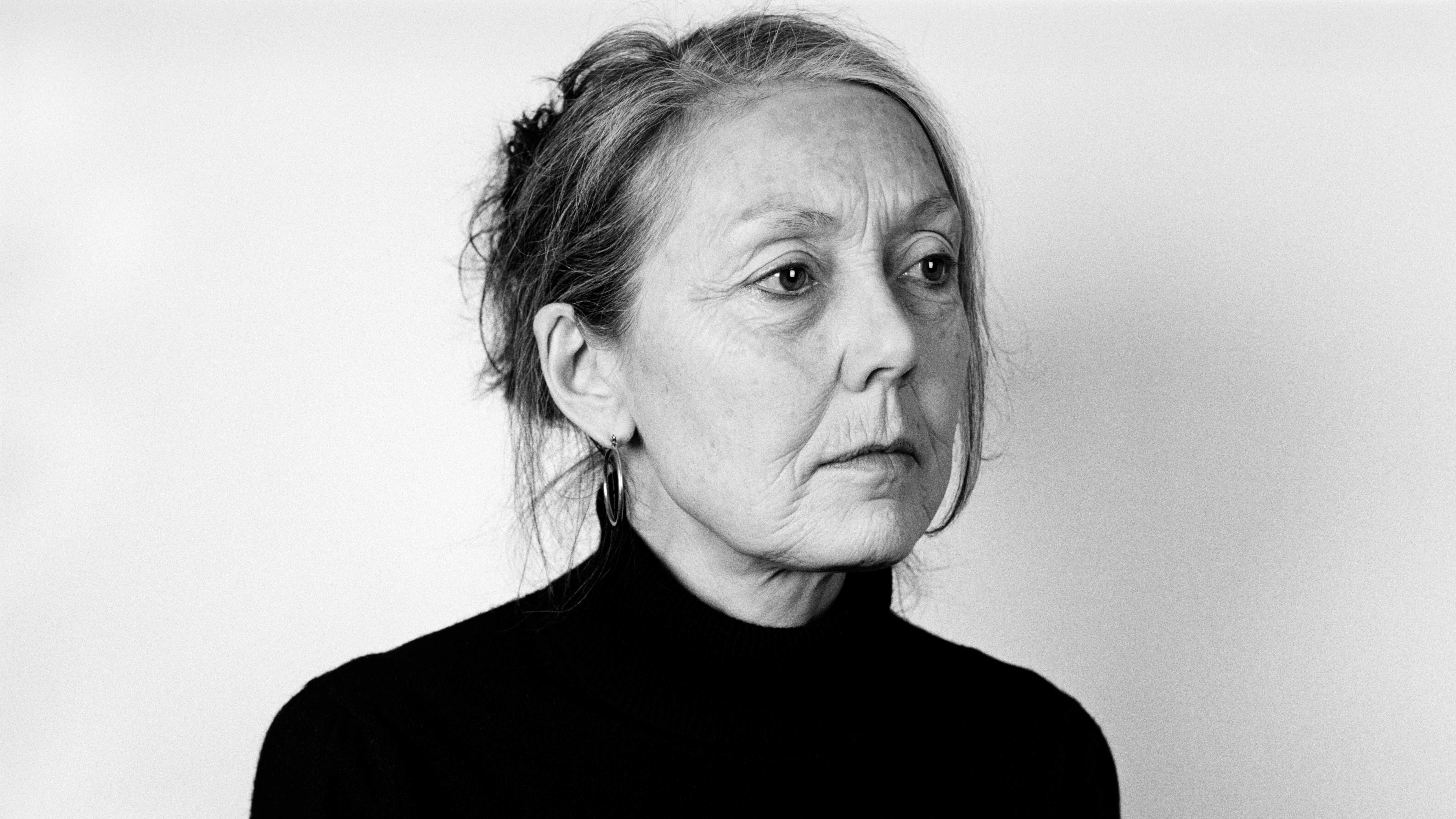
The literature of ancient Greece and Rome seems to be in vogue. This summer, Christopher Nolan’s The Odyssey turned Homer’s epic poems into best sellers, and yesterday the Nobel Prize was awarded to Anne Carson, a poet who has made a career of repurposing ancient-Greek works. Perhaps this resurgence has something to do with modern anxieties about the future; people tend to look back to the past in uncertain times. Although I’m glad to see the classics prominently displayed in bookstores, I’m not convinced that they hold a special kind of wisdom that contemporary writing can’t access. For evidence, I look to the work of Carson herself. The poet’s writing updates and remixes ancient verse and mythology, but she does not believe that the past is a manual for the present. As my colleague Walt Hunter explained this week in The Atlantic, “Rather than lulling us with history’s familiarity, she seduces us with its strangeness.”
First, here are five new stories from The Atlantic’s Books section:
- The year Anne Carson changed my life
- “Puffins,” a poem by Ange Mlinko
- “Something Like People,” a poem by Alexandra Petri
- “The Guardians,” a short story by Sebastian Junger
- Zombie originalism
Take If Not, Winter, which is both a straightforward translation of the surviving poetry of Sappho and a playful, inventive collection of verse. Carson’s lines evoke the electric current of a marriage bed, the pleasure of beholding a girl’s delicate features, the pulse-quickening touch of the god Eros. These emotions are not lost to time—a reader might know, for example, what it means for a beloved’s voice to put “the heart in my chest on wings”—but there’s still a chasm between Sappho’s experiences and my own. I struggle to imagine the ancient poet’s relationships or daily concerns; similarly, if she could miraculously show up in my time, Sappho likely wouldn’t understand my job, my hobbies, or my marriage. (I imagine she’d be confused about why I describe myself with a name for people from her island: lesbian.)
Carson’s 2010 book, Nox, accordion-printed on a single sheet of paper, mourns her brother’s death in part by employing the work of the Roman poet Catullus, who also suffered the death of a brother. Carson doesn’t imply that she and Catullus feel the same things. Her goal, instead, is to place herself in a tradition that “connects her to Catullus and a community of mourners as old as human history, one that we all belong to or will eventually join,” as I wrote last year.
Communicating with the past has its limits. Carson has said that the classics offer some “glimpses of similarity” in a sea of “unbelievable otherness.” We’re separated by geography, culture, and time; our values and societies are entirely different. But when the ancients wrote, they unspooled a thread that we can follow through the maze of time. It leads us through the “the gulf between the present and the past,” as Hunter writes, and brings us somewhere new and worthwhile.
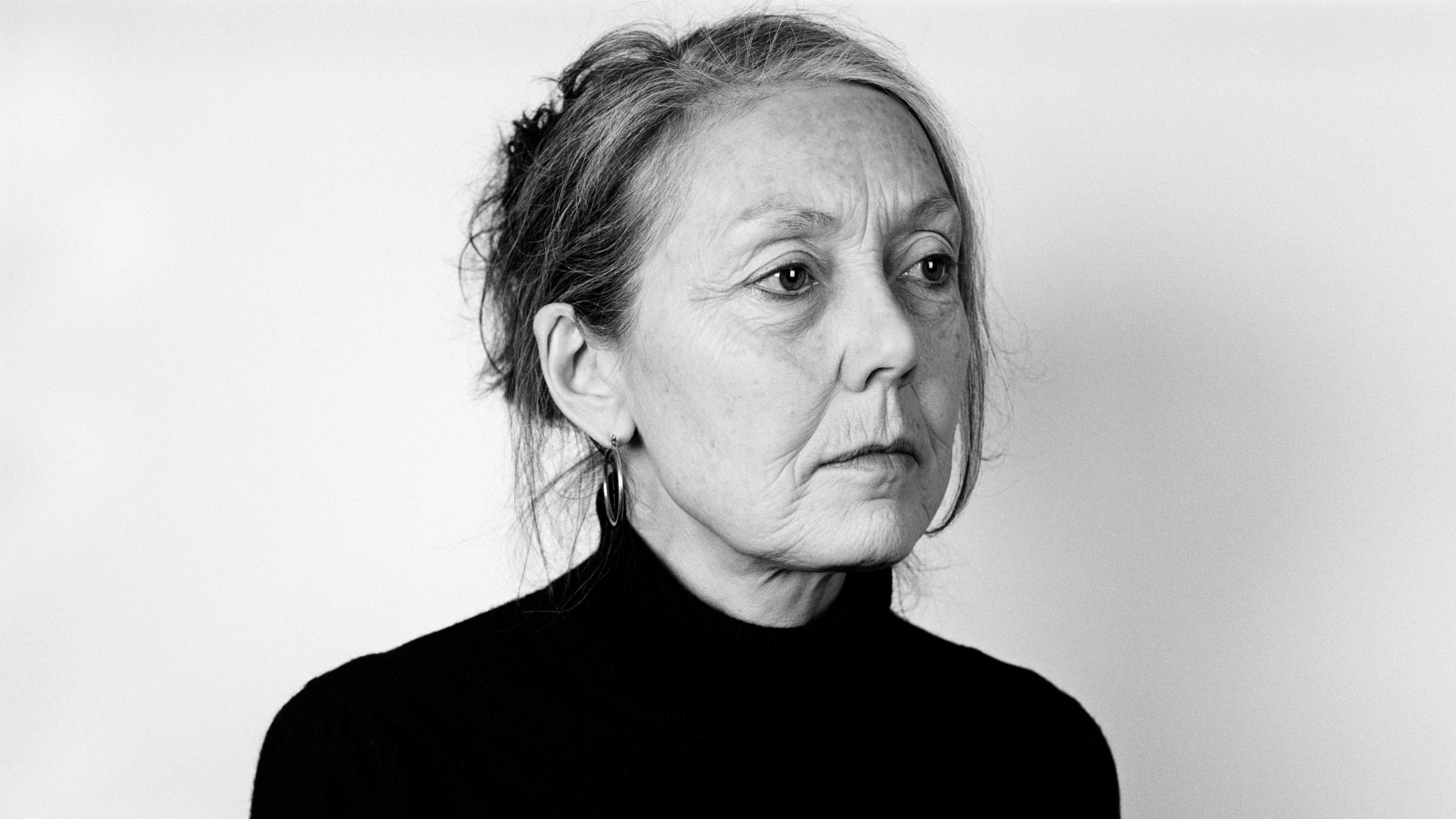
Anne Carson’s Seductive Strangeness
By Walt Hunter
The winner of this year’s Nobel Prize in Literature makes ancient texts feel tantalizingly new.
What to Read
The Beauty of the Husband: A Fictional Essay in 29 Tangos, by Anne Carson
The Beauty of the Husband is a poetic meditation on love, attraction, betrayal, and bitterness. Carson’s narrator has separated from her husband. Both are writers, though the narrator’s spouse, a womanizer and a liar, borrows heavily from her work—he even uses a phrase she has translated from Homer to open a letter he writes to his mistress. He is also, unfortunately, beautiful, and his “beauty convinces,” the narrator tells us. She confesses that she might be seduced by him all over again if he came near enough. But she keeps her distance, even as he routinely sends letters exalting their love. That space allows her to reflect honestly on their years together: “Why did nature give me over to this creature—don’t call it my choice, / I was ventured: / by some pure gravity of existence itself, / conspiracy of being!” she cries. In hindsight, the partnership feels inevitable; she had little control over loving him, but writing this book is a way to regain her autonomy, or so it appears. The Beauty of the Husband offers a vision of an uneven union, where one person’s outsize presence occupies, even consumes, the mind of the other. — Isle McElroy
From our list: Seven books that explore how marriage really works
Out Next Week
 Back: Essays on the Soul and Spine of America, by Lauren Michele Jackson
The Last Best Place on the Internet: A Human History of Wikipedia, by Richard Cooke
Reds: A Global History of Communism, by Paul Mason
Your Weekend Read
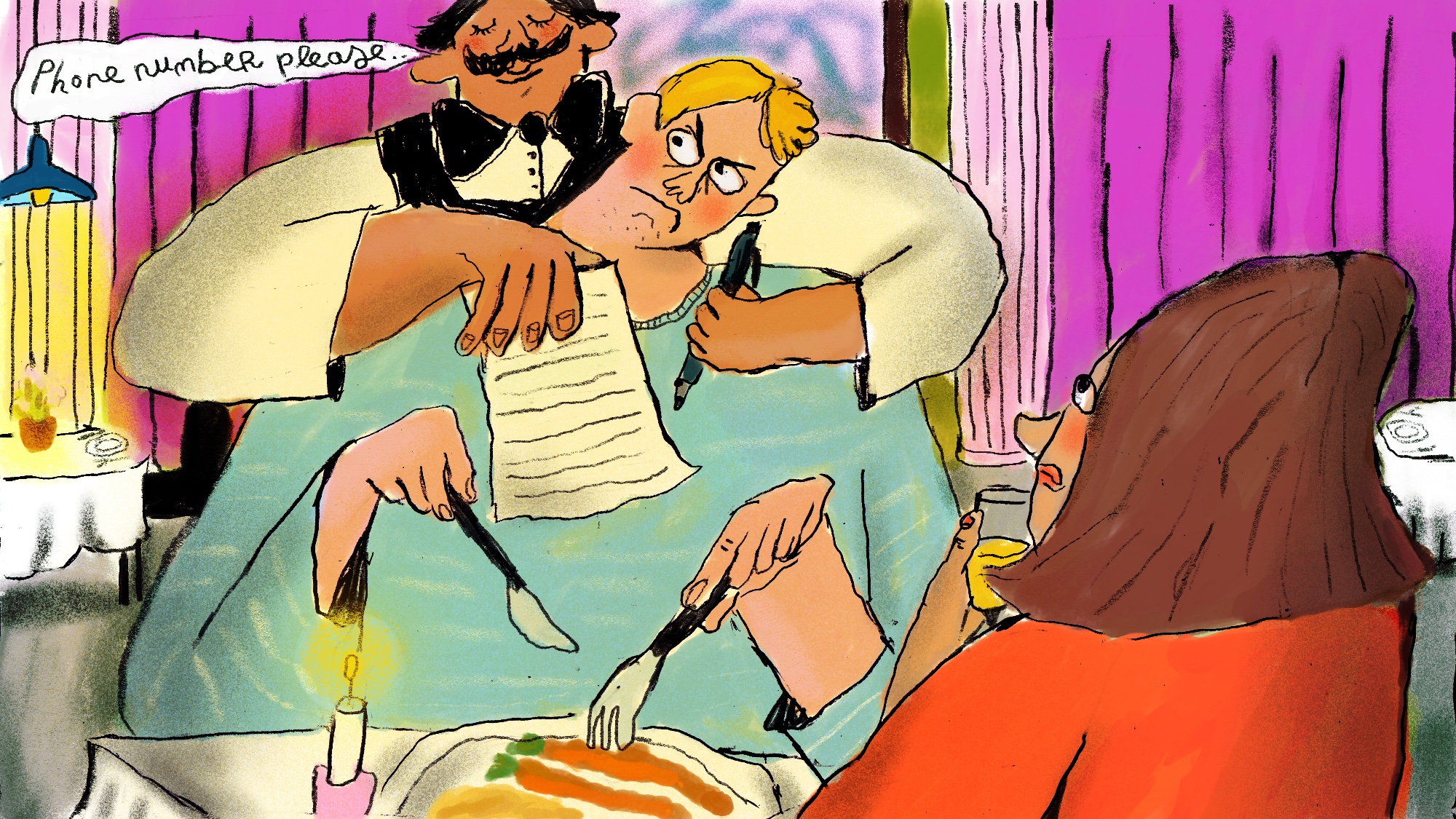
The One Question I Can’t Stand at Restaurants
By Brett Martin
A man walks into a restaurant. He doesn’t have a reservation, but that shouldn’t be a problem; there are ample seats at the bar, visible just over the hostess’s shoulder. “Of course,” she says, smiling. “We can seat you right away.” As she gathers menus, he absorbs the pleasant hum of a busy dining room, breathes in the tantalizing smells from the semi-open kitchen. Then, the hostess stops, Columbo-like, to interrupt with one more question: “And what’s your phone number?”
When you buy a book using a link in this newsletter, we receive a commission. Thank you for supporting The Atlantic.
Sign up for Video Village, a newsletter in which David Sims unearths cinematic gems and brings readers into his movie obsession.
Explore all of our newsletters.
The post Anne Carson’s Point of View appeared first on The Atlantic.