The D.C. Council on Tuesday approved $305 million to help upgrade a Metro station and make other transit improvements near the future Washington Commanders stadium on the former RFK Stadium site.
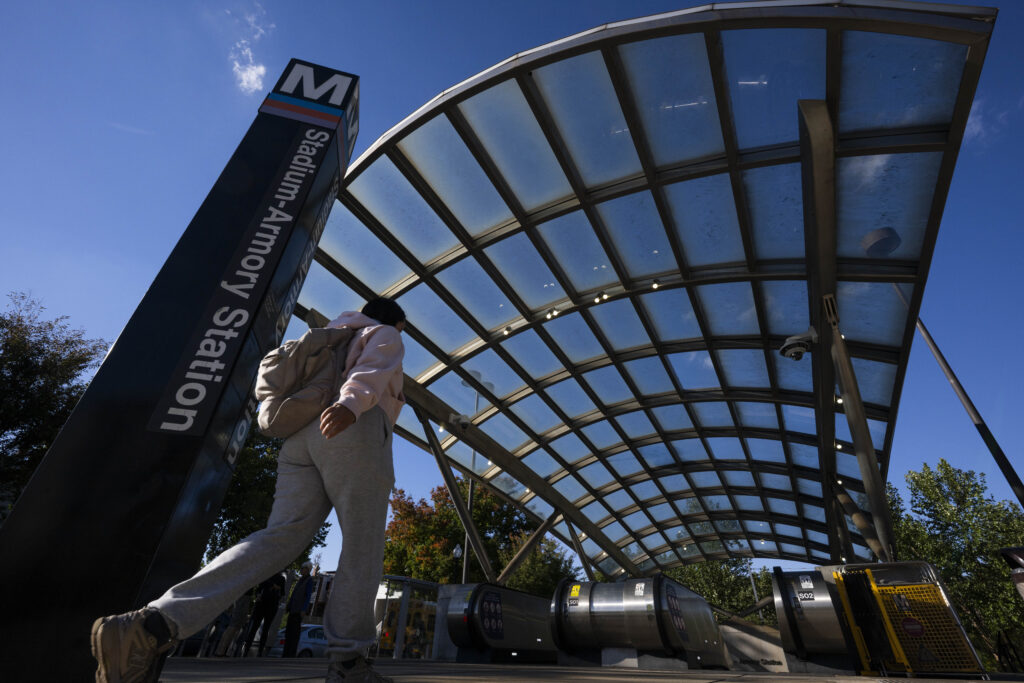
Nearly all of that money — $300 million — will go to the Washington Metropolitan Area Transit Authority for improvements at the nearby Stadium-Armory rail station to help accommodate the expected increase in visitors to the area. The work is set to be completed in time for the scheduled opening of the new stadium in 2030.
At Tuesday’s hearing, the council also approved $5 million for Metro to fund the first phase of a “Gold Line” bus system connecting the stadium campus with Union Station.
Both measures passed unanimously.
Last year, the council approved a $3.7 billion deal to bring the Commanders back to the District as part of a mixed-use development on the former RFK site.
Council member Charles Allen (D-Ward 6), who chairs the transportation committee, said Tuesday that the stadium and surrounding development will have a significant impact on the transportation needs near the site, across the District and throughout the region.
“The District must plan for the increased demand for transportation resulting from the stadium redevelopment to provide equitable and accessible transportation options for all residents and visitors,” he said.
Allen said the initial Gold Line funding will support Metro in planning and designing the system, not building it.
“Let’s not put the cart before the horse. Let’s get the planning and design going and really see what’s viable,” he said in an interview after the vote.
D.C. Mayor Muriel E. Bowser (D) last month revealed a framework for turning 180 acres along the Anacostia River into new neighborhoods anchored by the Commanders stadium, with parks, shops and up to 6,500 new homes, a third of which would be affordable units. Bowser called it the largest economic development project in D.C.’s history.
Estimates project that more than half of the stadium’s maximum total of 65,000 attendees may take rail or bus to the venue, Tom Webster, Metro’s planning chief, said at a WMATA board meeting in May.
Metro is not recommending building a new rail station at the RFK site. To accommodate crowds, Webster said, upgrades to the Stadium-Armory station were necessary, including addressing current constraints with elevators, escalators and fare gates.
Without upgrades, it could take more than two hours to clear attendees after an event at the stadium, he said.
“Transit is only going to work to the extent that the capacity is there to match it,” Webster said at the May meeting.
Bowser expressed support for the transit funding, writing to Council Chair Phil Mendelson (D) ahead of Tuesday’s vote that the money would allow Metro “to engage in essential planning and capital work to provide safe, reliable, and accessible transportation as the RFK Campus redevelopment progresses.”
On Tuesday, the council also passed a bill that allows businesses, universities and other organizations to pay for off-duty parking enforcement officers to target spots around the District where illegal parking is a problem. It also allows university police to enforce parking on streets within and adjacent to their campuses.
“It’s not people’s money we want. It’s safe and legal parking we want,” said council member Brianne K. Nadeau (D-Ward 1), who introduced the bill. “We want everyone to play by the same rules.”
Seven council members voted “yes” on the bill. Council member Janeese Lewis-George (Ward 4), the Democratic nominee for mayor, voted “present.” Council member Robert C. White Jr. (D-At Large) tried to pass an amendment that would have cut the fines for parking tickets in half, but that effort failed.
The post D.C. Council approves $305M for Metro, bus upgrades near RFK Stadium site appeared first on Washington Post.