Price controls have had a stench about them since the 1970s, when they were implemented on a wide scale and found wanting. Yet politicians across the political spectrum have been proposing price controls, and recent polling shows large majorities of voters support price caps on prescription drugs, credit card interest rates and child care.
Has the evidence on price controls changed? Let’s take a spin around the world and see how they’ve been working lately.
In May, Kyrgyzstan imposed price controls on fuel. Gas stations reported shortages. The government repealed the price cap on gasoline in July.
In Bangladesh earlier this year, some drivers waited in line up to 14 hours for price-controlled fuel. As soon as the government allowed prices to rise, the lines in Dhaka, the crowded capital, shortened by two-thirds. Lines elsewhere disappeared entirely.
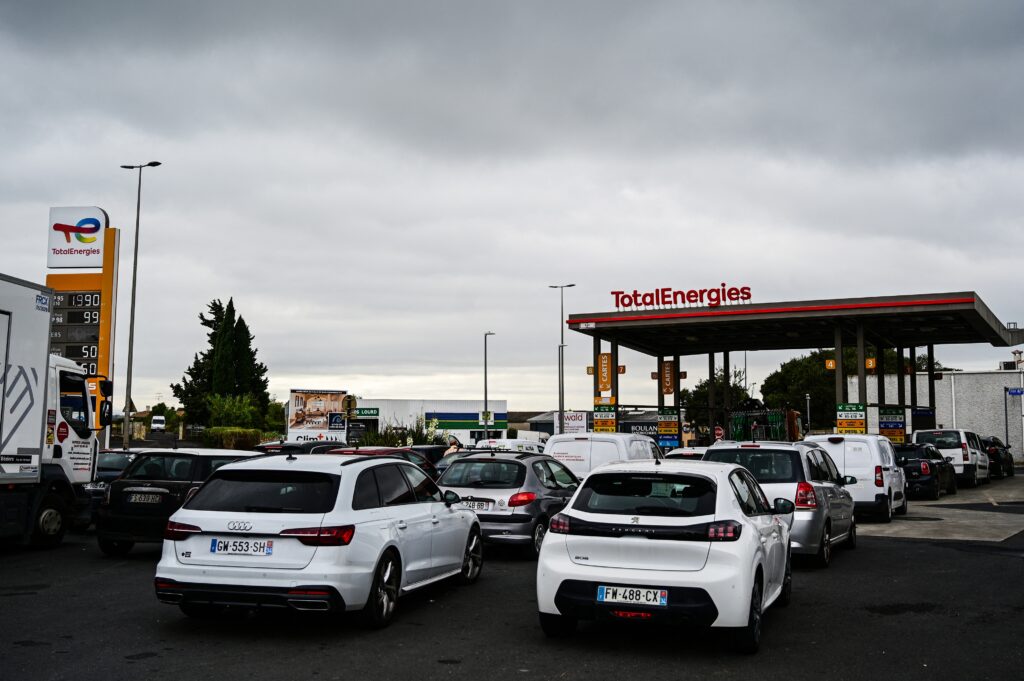
TotalEnergies, the French oil giant, announced it would voluntarily cap fuel prices at its gas stations in March. In early April, the great majority of gas stations in France had no shortages. Of the 900 that did, 700 belonged to TotalEnergies.
Also in France, universities in April capped meal prices at one euro for all students. The actual cost averages eight euros. The surge in students using cafeterias now means there is often nowhere to sit, and unions threatened to strike over the big increase in work. Some students have said that the long lines make it impossible to eat between classes.
Catalonia, in northeastern Spain, imposed sweeping rent controls in 2024. What followed was a decline in rental agreements. As of March, the supply of rental housing had declined by 23 percent.
The Netherlands announced plans in April to relax a rent control law from July 2024 because the supply of rentals was falling. In the months after that law took effect, the number of homes offered for rent fell by 44 percent.
A government report in Scotland published in March found that planned build-to-rent housing projects were canceled after rent controls took effect there. Investment in build-to-rent housing moved to England instead. A Scottish housing federation found that the rent controls had reduced investment in mid-market rentals.
In May, the Philippines capped prices for imported rice. A shortage didn’t result, but only because most rice sellers didn’t comply. Some kept selling imported rice but changed the label to say it was domestic.
Hungary capped pork prices for customers in 2022. Economic research published in September found that the price control mostly transferred the higher cost of pork leg from customers to retailers. That means grocery stores probably raised prices or cut service on other goods to offset their inability to charge the market price for pork.
Price controls are still doing what they always do: destroy investment, encourage lawbreaking and cause shortages. Politicians would be wise to remember that voters’ opinions might change, but the laws of economics don’t.
The post The evidence on anti-free-market price controls has not changed appeared first on Washington Post.