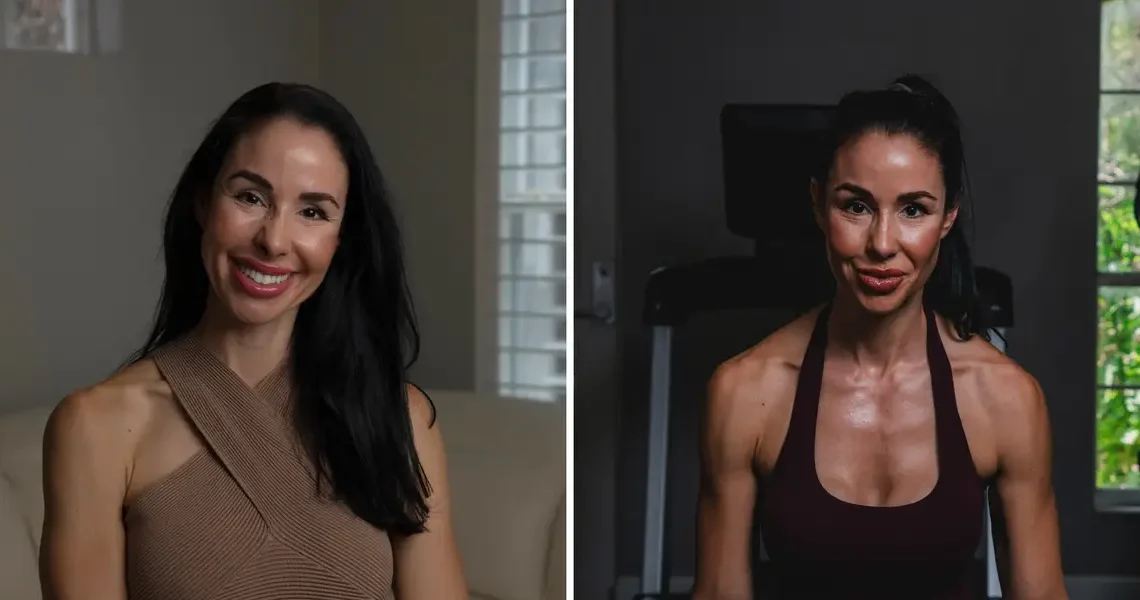
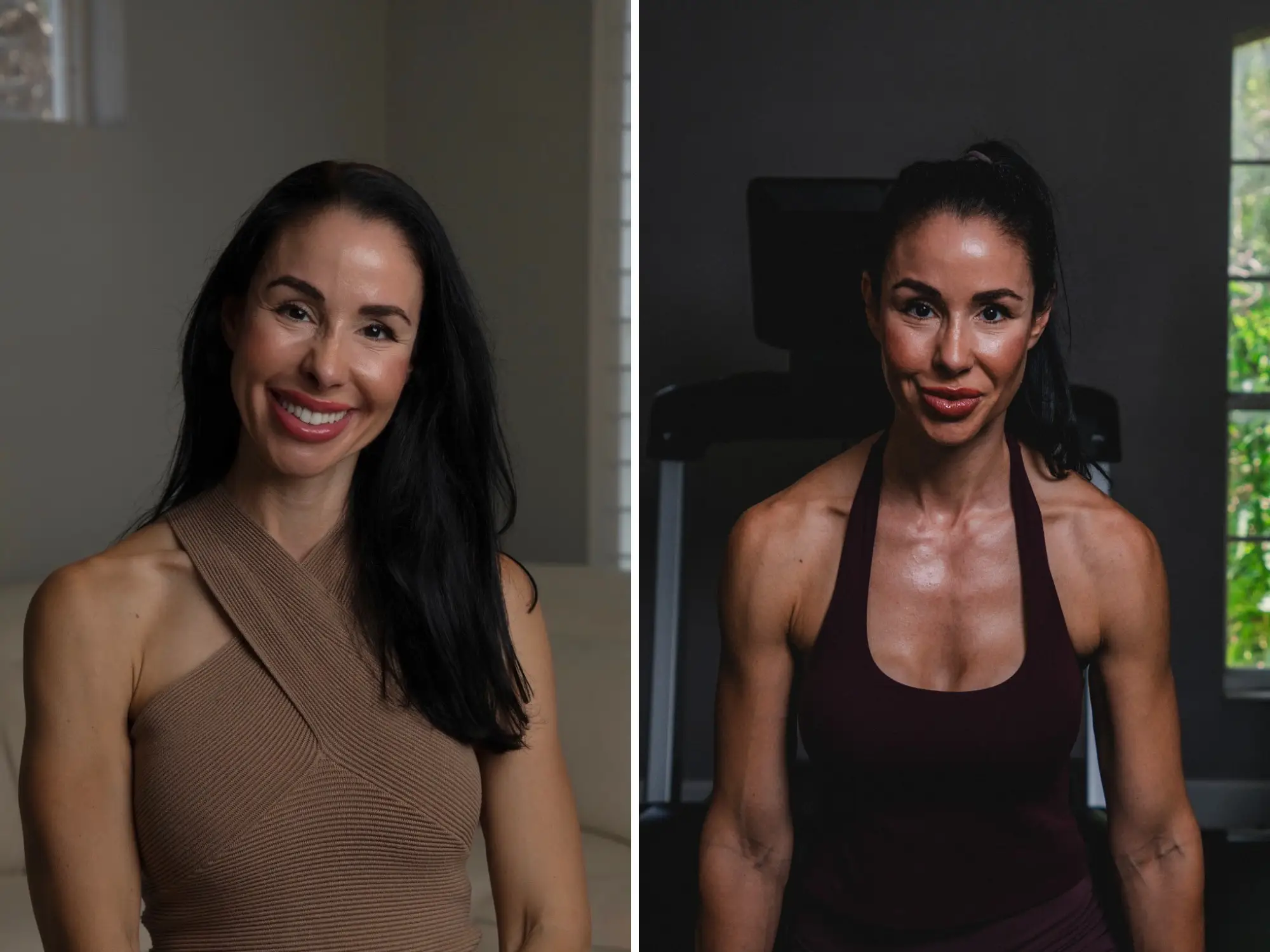
A few weeks ago, I stepped on the scale and saw that my weight had gone down.
My younger self would have looked at that number, and it would have set the tone for a good-mood kind of day. She would have considered it proof of success. I probably wouldn’t have admitted it back then, but deep down, I felt that smaller was better. A lower number was better. I may have understood, even then, that weight wasn’t the whole picture, but knowing something intellectually and believing it about your own body are very different things.
But, now as an adult, a dietitian, and an avid strength trainer, I looked at that lower number and felt… disappointed.
My reaction to the scale showed me that my perspective had changed
I recently underwent a procedure that restricted physical activity for two weeks, which was honestly the hardest part of the whole experience. When I saw the number on the scale drop, my first thought wasn’t, “Great!” It was, “Man…that sucks… I hope I haven’t lost muscle.”
That was an eye-opener. I realized then just how much strength training had changed my relationship with the scale, and honestly, with my body as a whole.
I knew weight wasn’t everything, but I finally understand what that means
I’m a registered dietitian, so I know now, of course, that body weight alone tells us very little about overall body composition. A normal scale can’t distinguish between the loss or gain of muscle, fat, water, and other factors.
I also know how important it is to maintain muscle and strength for physical function, metabolic health, and healthy aging. I talk about this stuff all the time, but how it affects your psyche is a different story.
In my 20s, I may have known this on a basic level, but there was a certain disconnect between my understanding and my relationship with the scale.
Now, of course, my knowledge base has grown, but what has really made a massive difference in my relationship with the scale is strength training. I stopped chasing the smallest version of myself and started chasing strength and endurance.
Today, the goals are to exceed PRs in the gym, lift heavier weights, do more pull-ups, and see the muscle I’ve put so much time, energy, and work into developing. Therefore, instead of losing weight, maintaining or even sometimes gaining weight can be consistent with those goals.
I also think about aesthetics differently now
I’d be lying if I said aesthetics no longer matter to me. Of course they do; everyone wants to look good. All those years of constant messaging about women’s bodies, and positive (or negative) feedback, don’t just disappear because you learn more about physiology.
But even the way I think about how I look has changed, too. When it comes to aesthetics, I look for different things in my body to improve. I’m much more interested now in muscle definition, shape, and looking strong and healthy than I am in whether a particular bone is visible or whether I’ve reached some arbitrary number on the scale.
I still weigh myself often. I don’t think the scale itself is the enemy; on the contrary, actually. But now, I have a healthy relationship with the scale, something I aim to instill in my clients as well. I just don’t assign it the same meaning I once did.
Rather than stress about the number on the scale, I prefer to assess things like: Am I getting stronger? How do I feel? How am I performing? Is my body composition improving? How are my clothes fitting? What do I see when I look in the mirror? This new way of thinking is empowering!
I feel much more confident as well, and that confidence extends far beyond simple body image. When I stepped on the scale after two weeks away from consistently lifting, the scale went down, something my younger self would have celebrated.
But this time, I wanted it back.
Read the original article on Business Insider
The post Strength training changed my relationship with the scale. Now, when I see my weight go down, I’m disappointed. appeared first on Business Insider.