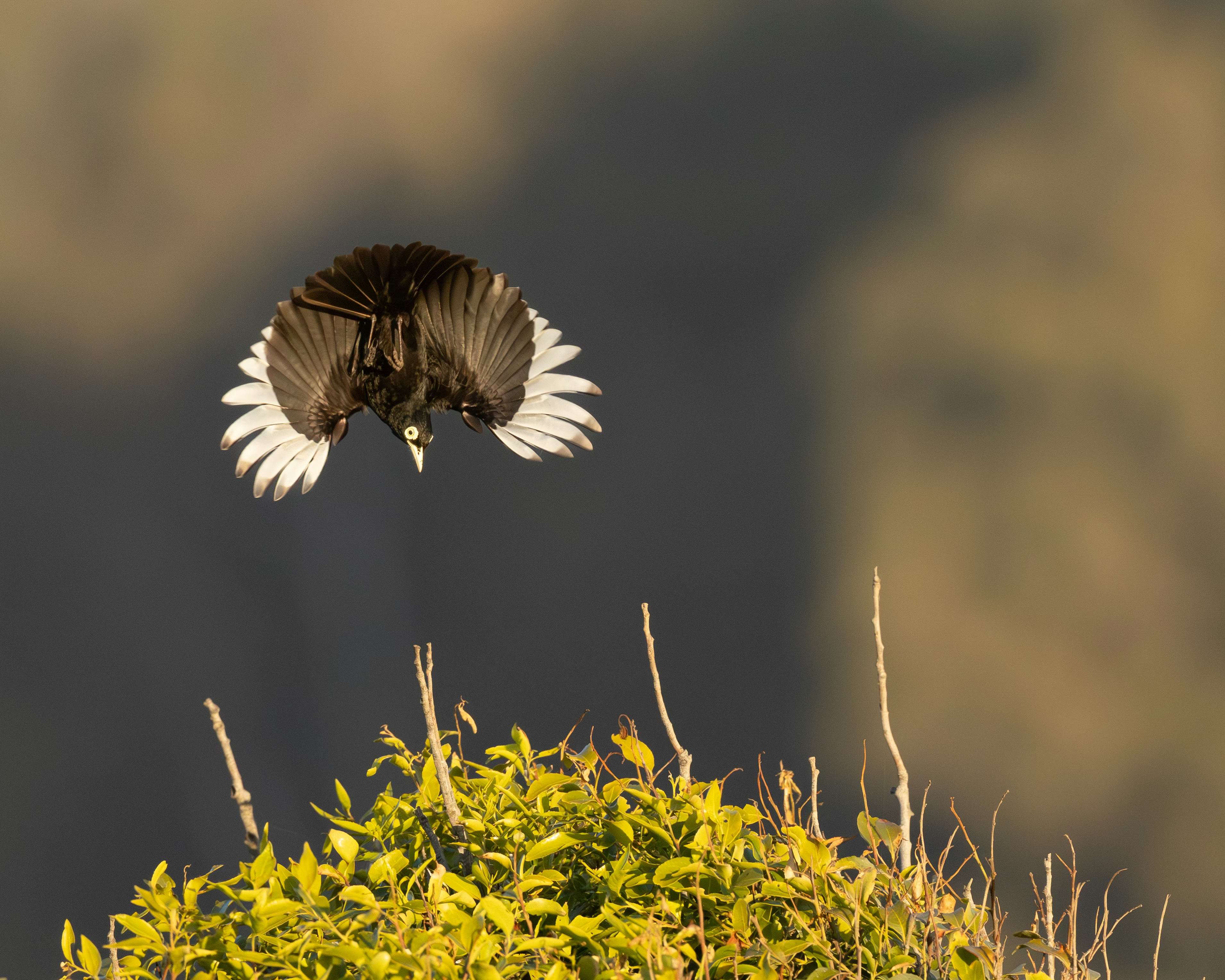
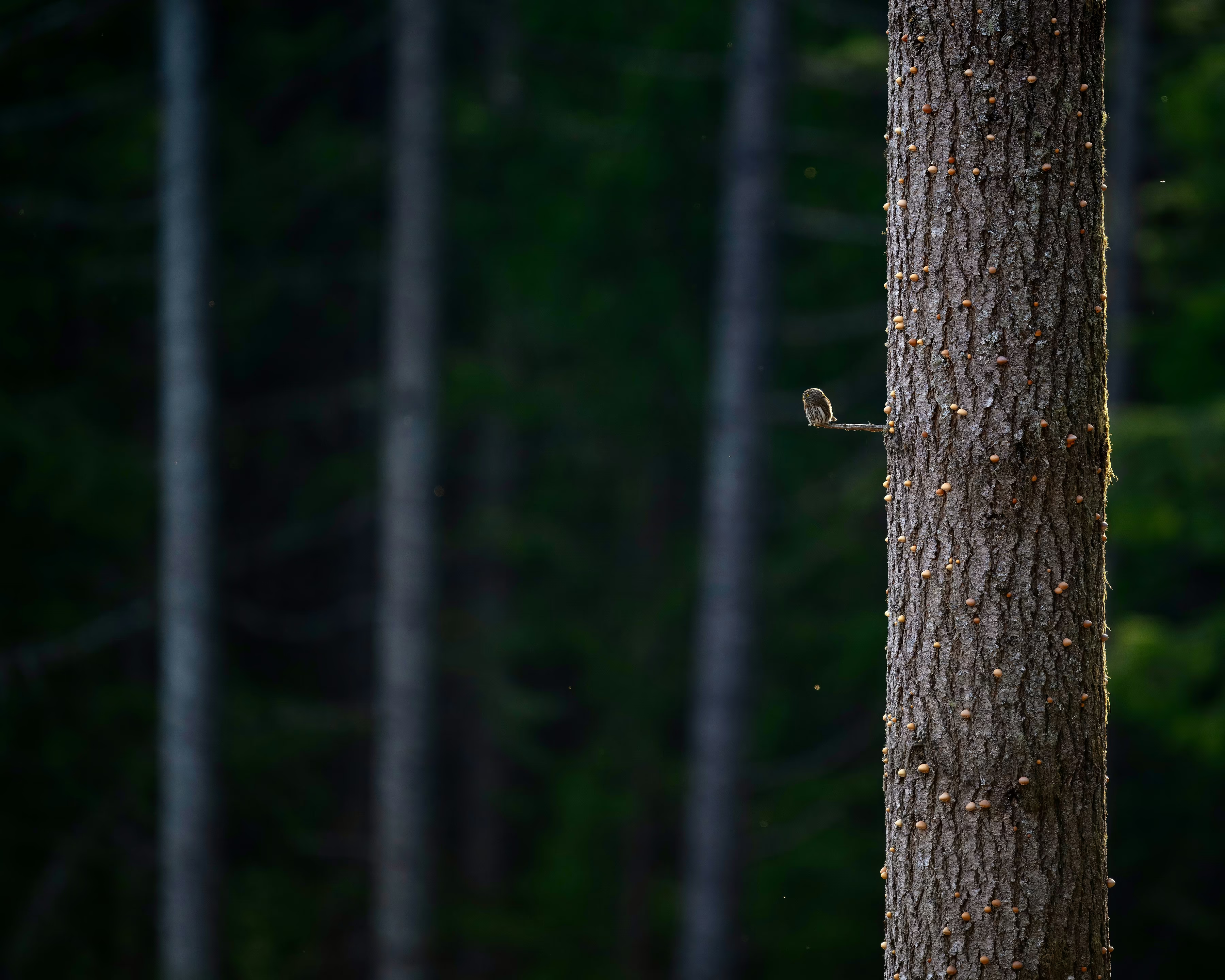
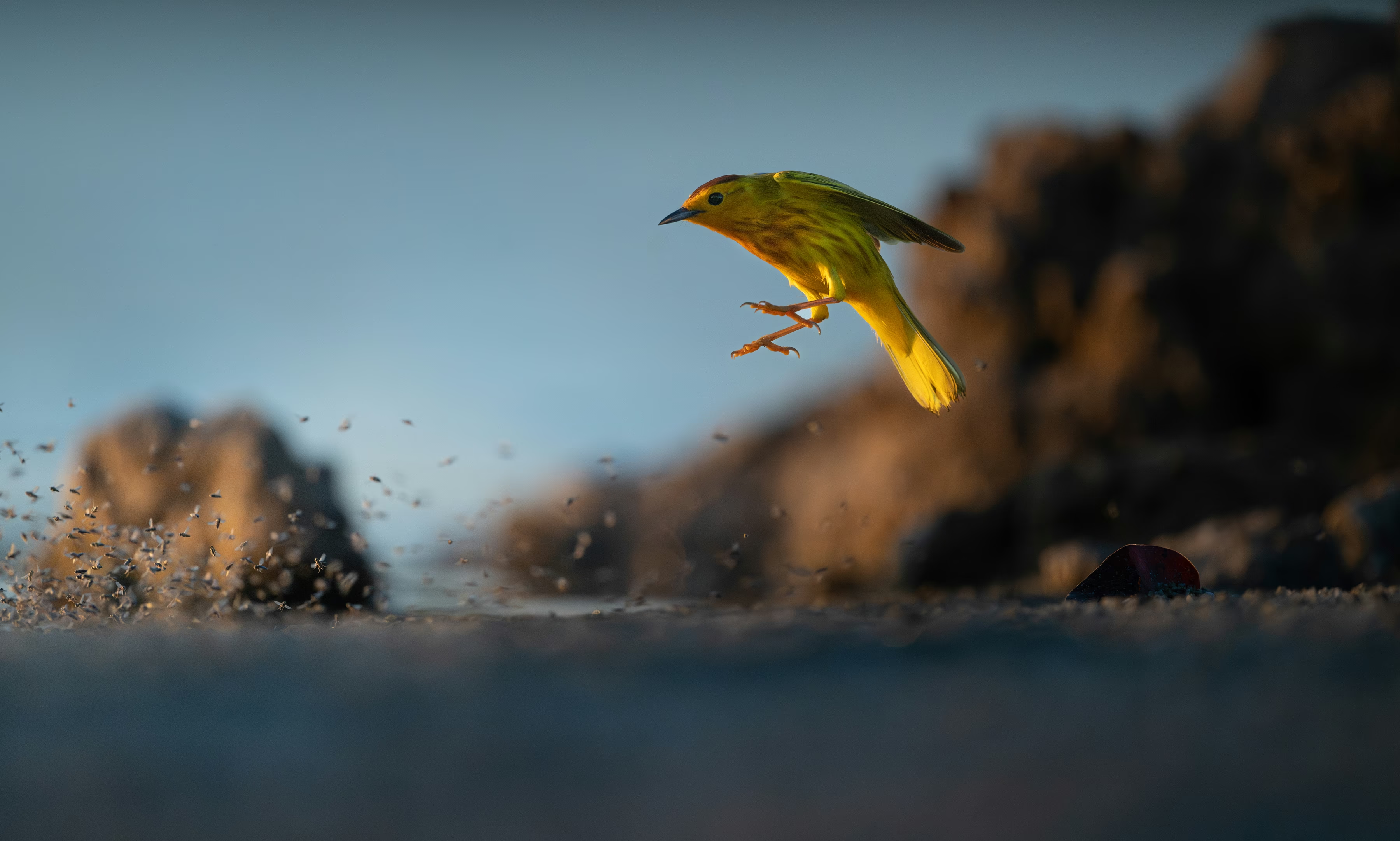
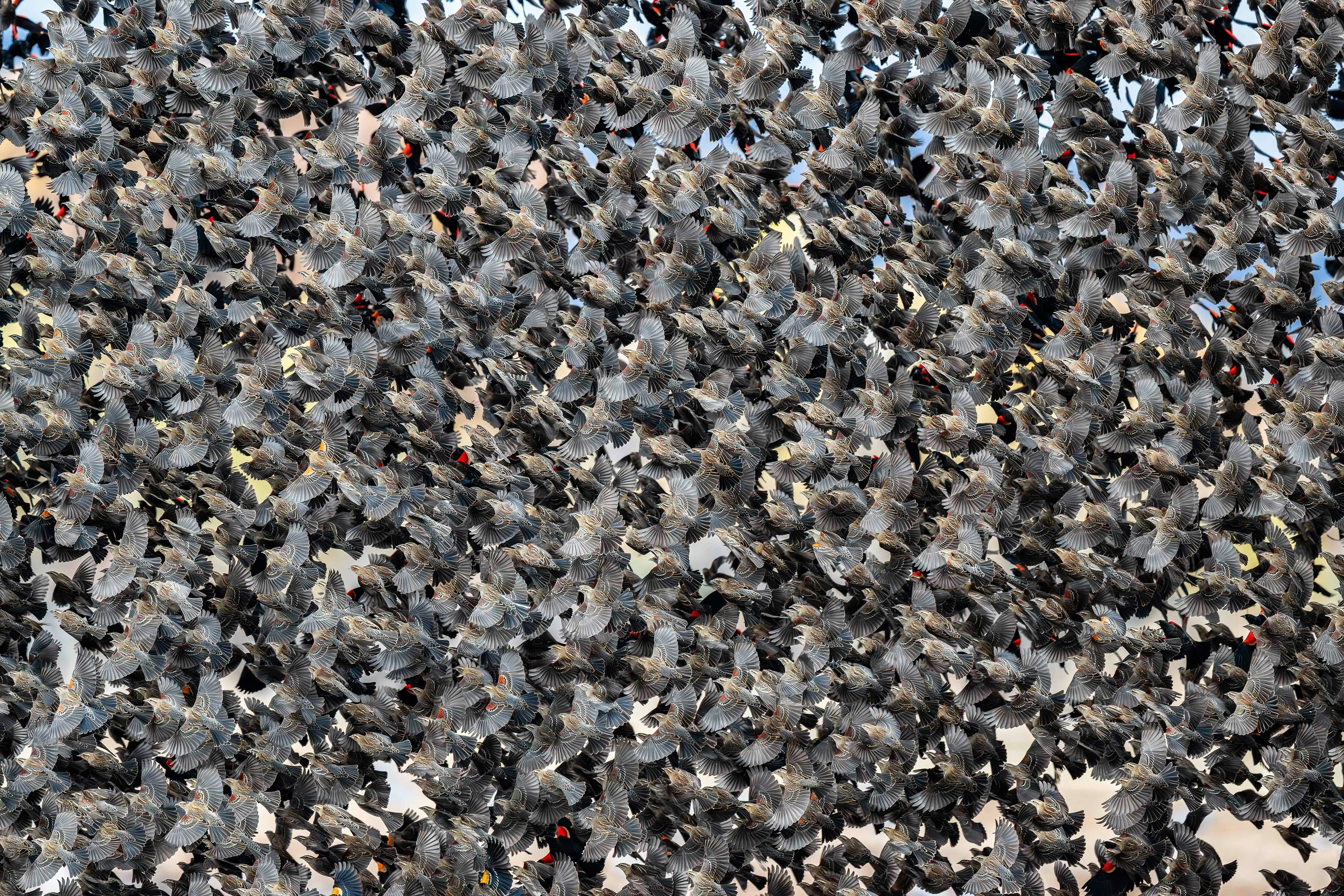
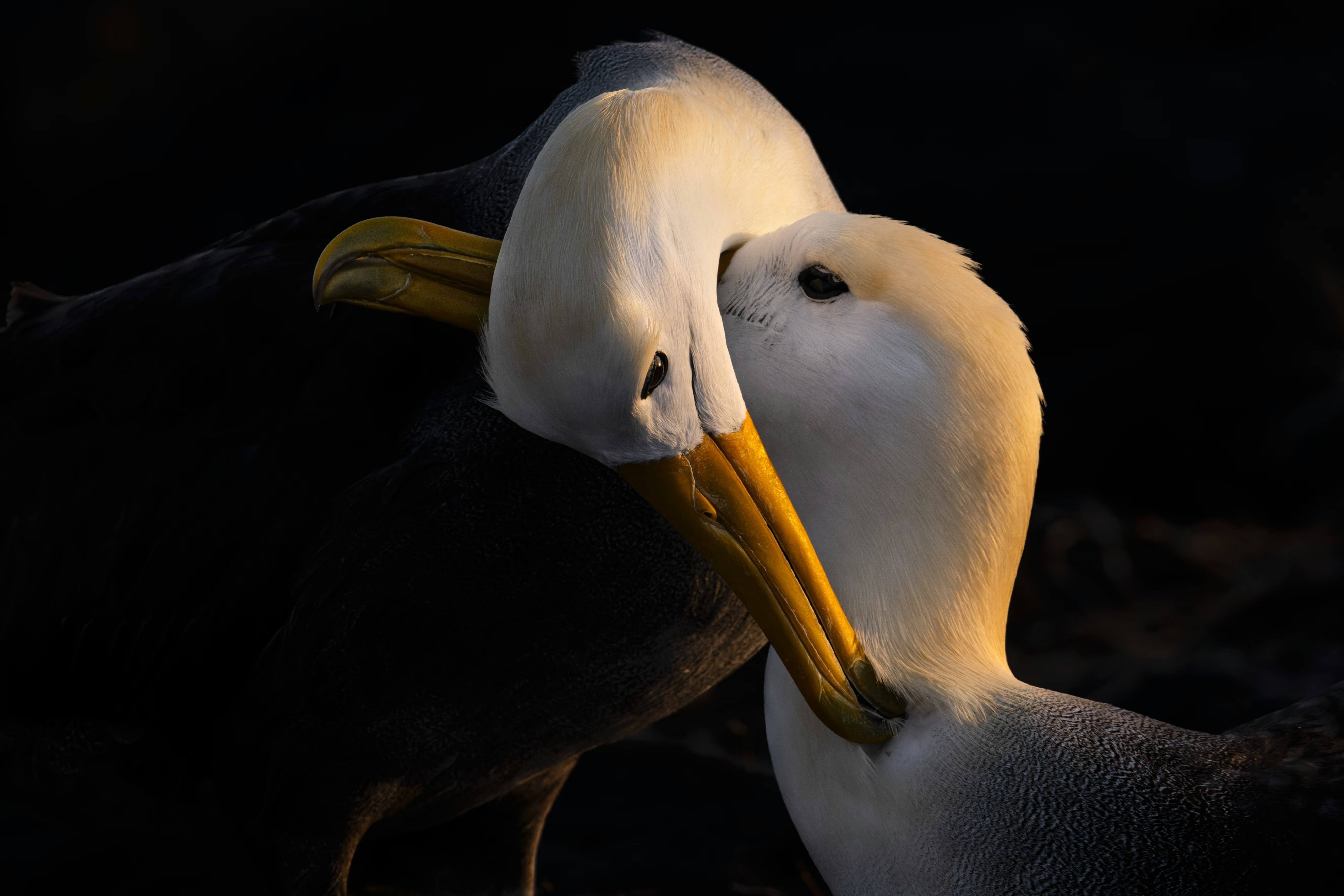
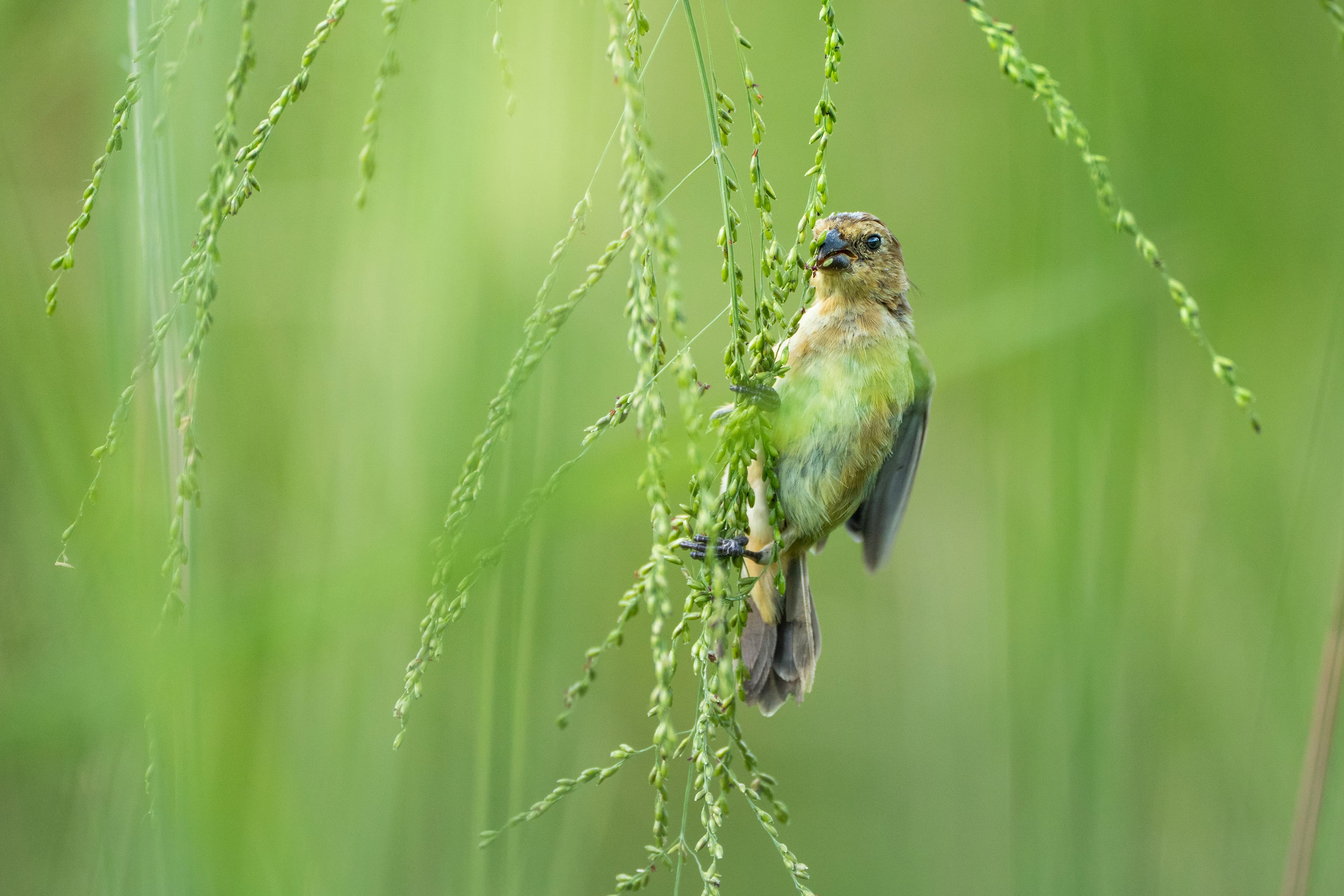
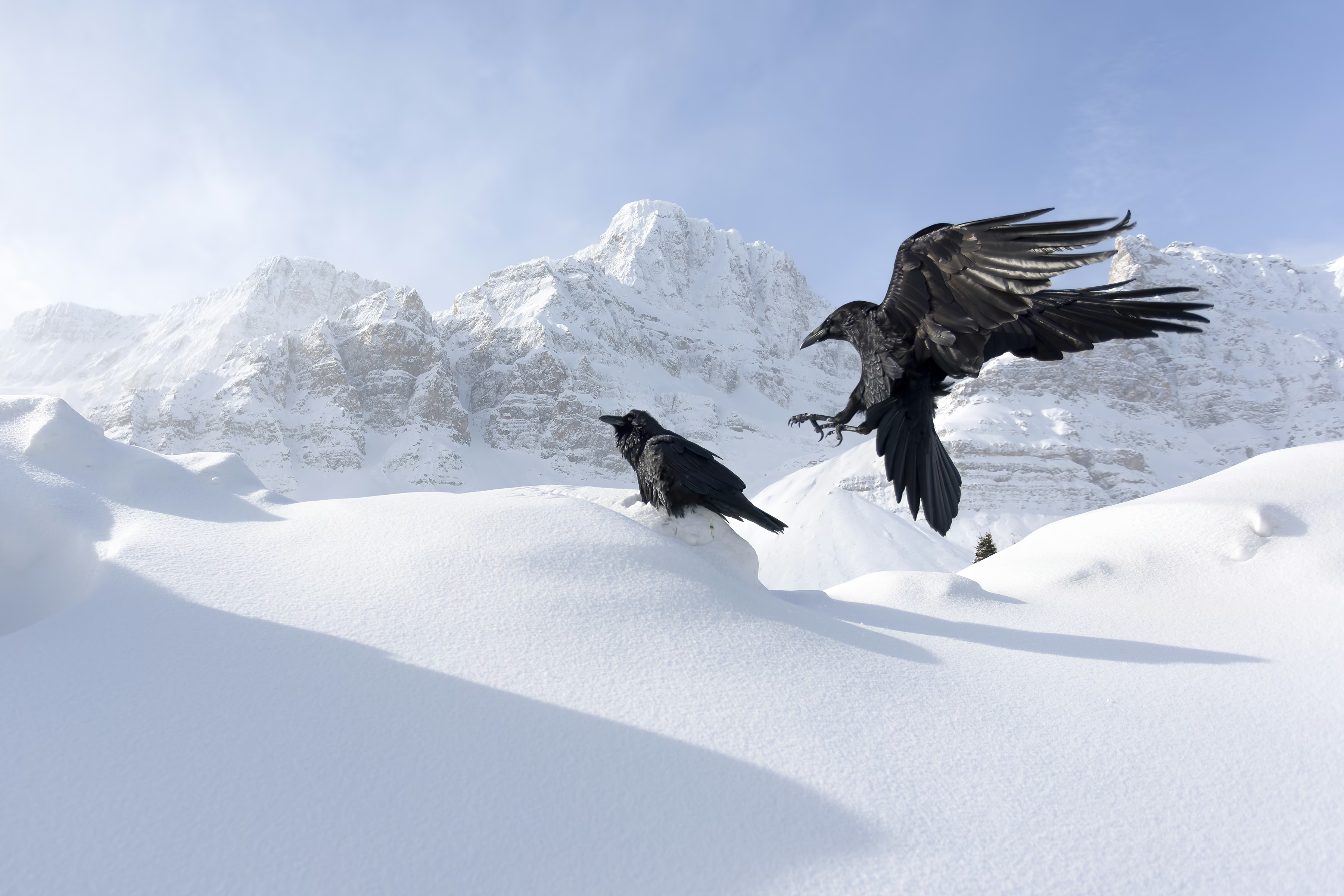
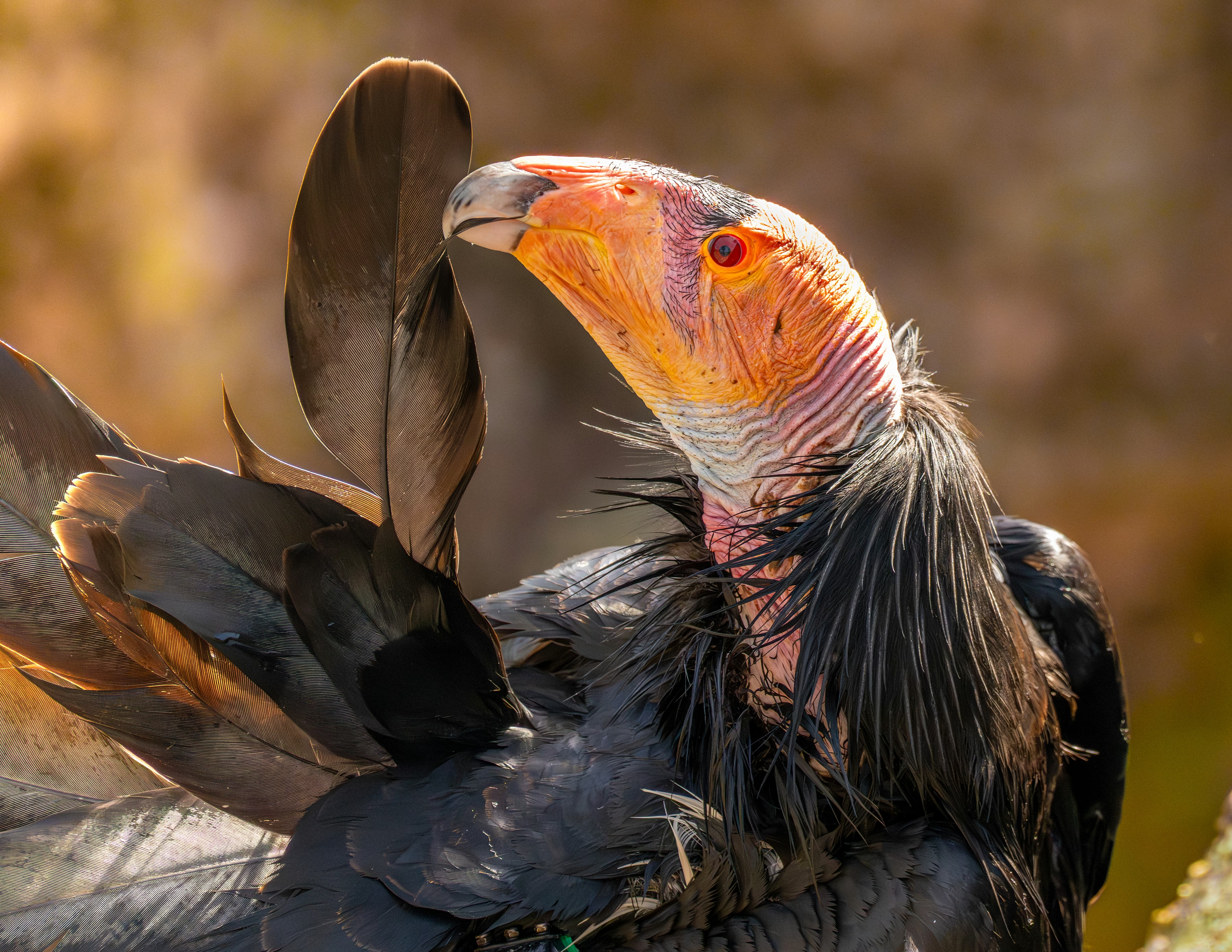
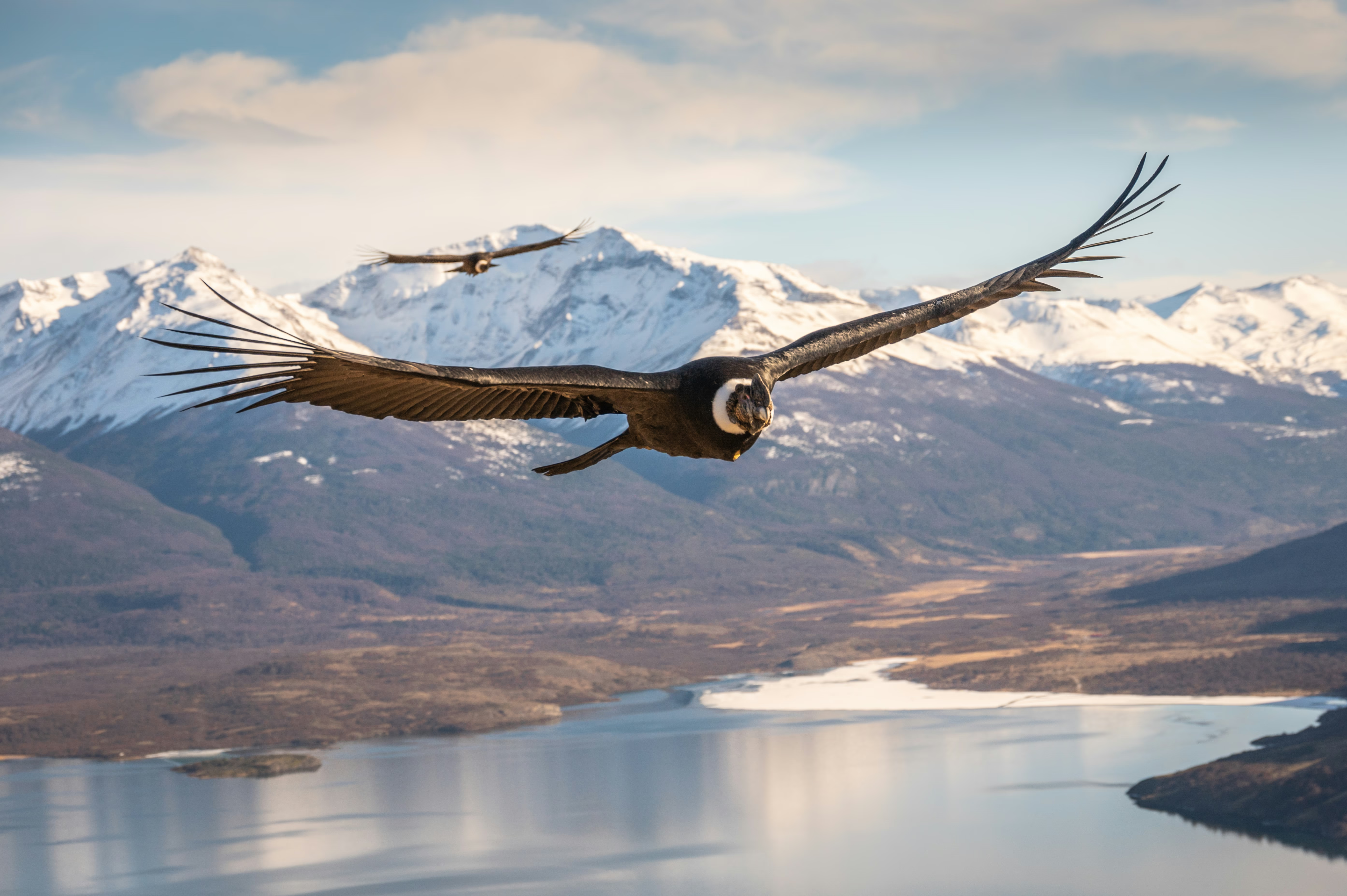
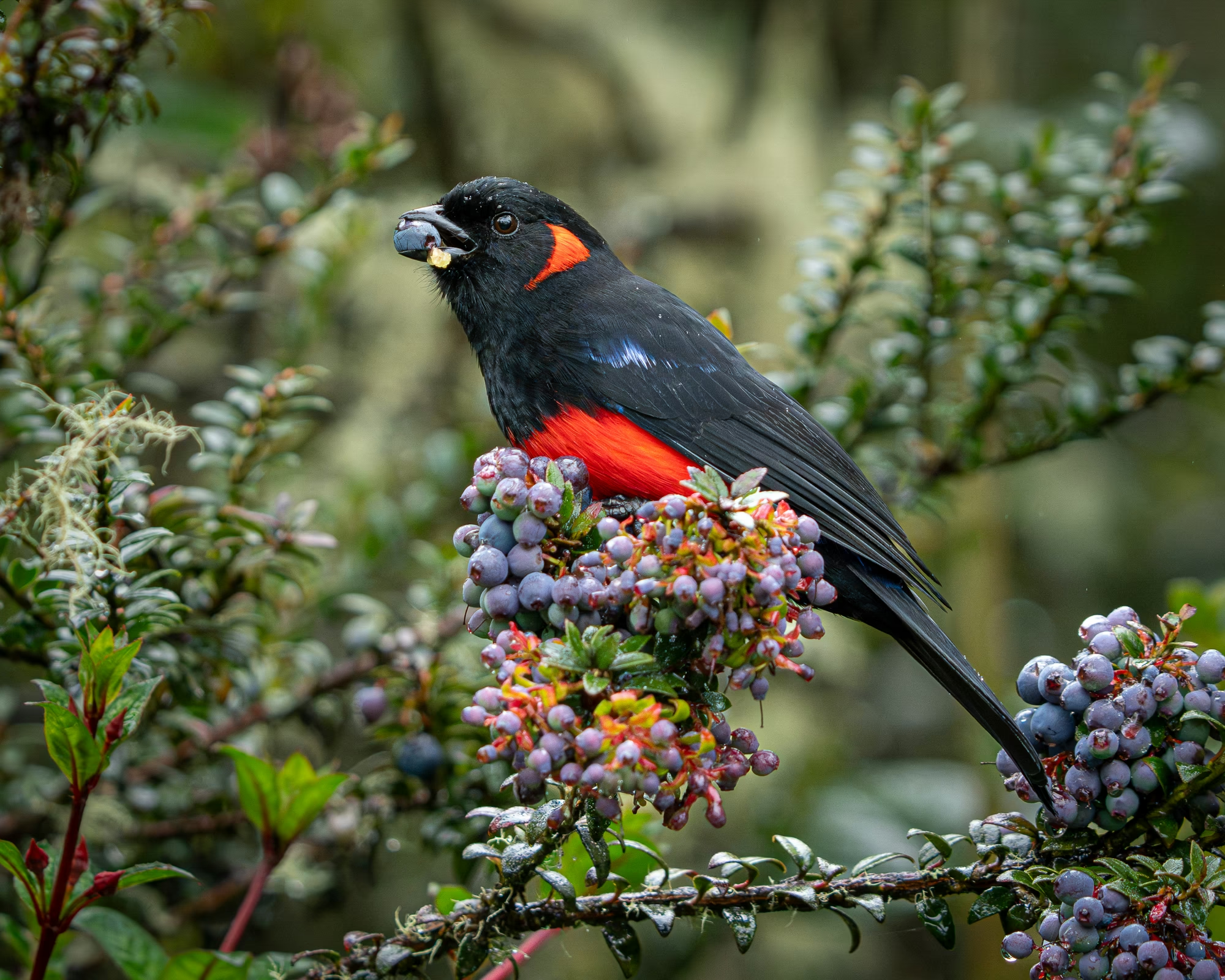
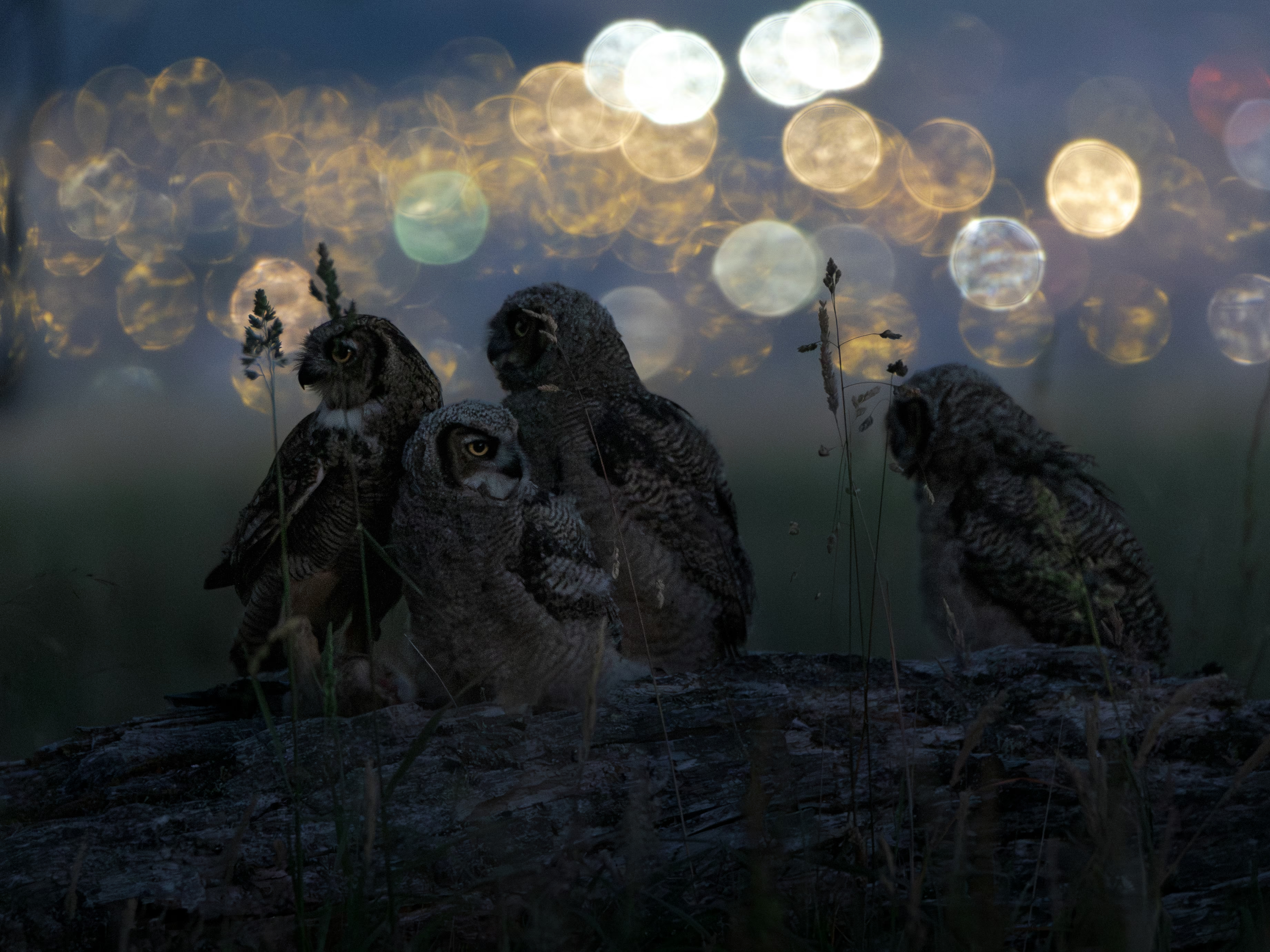
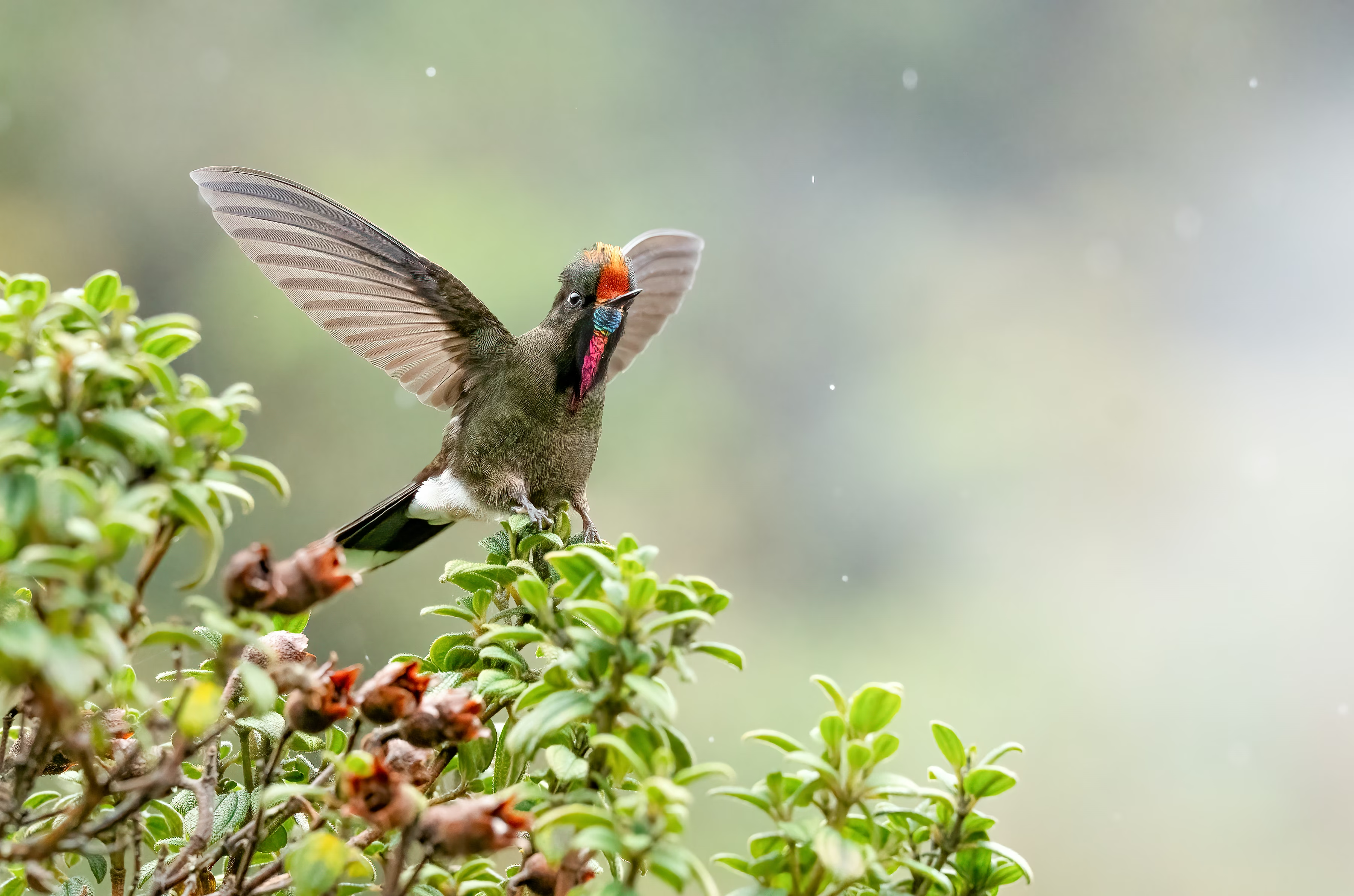
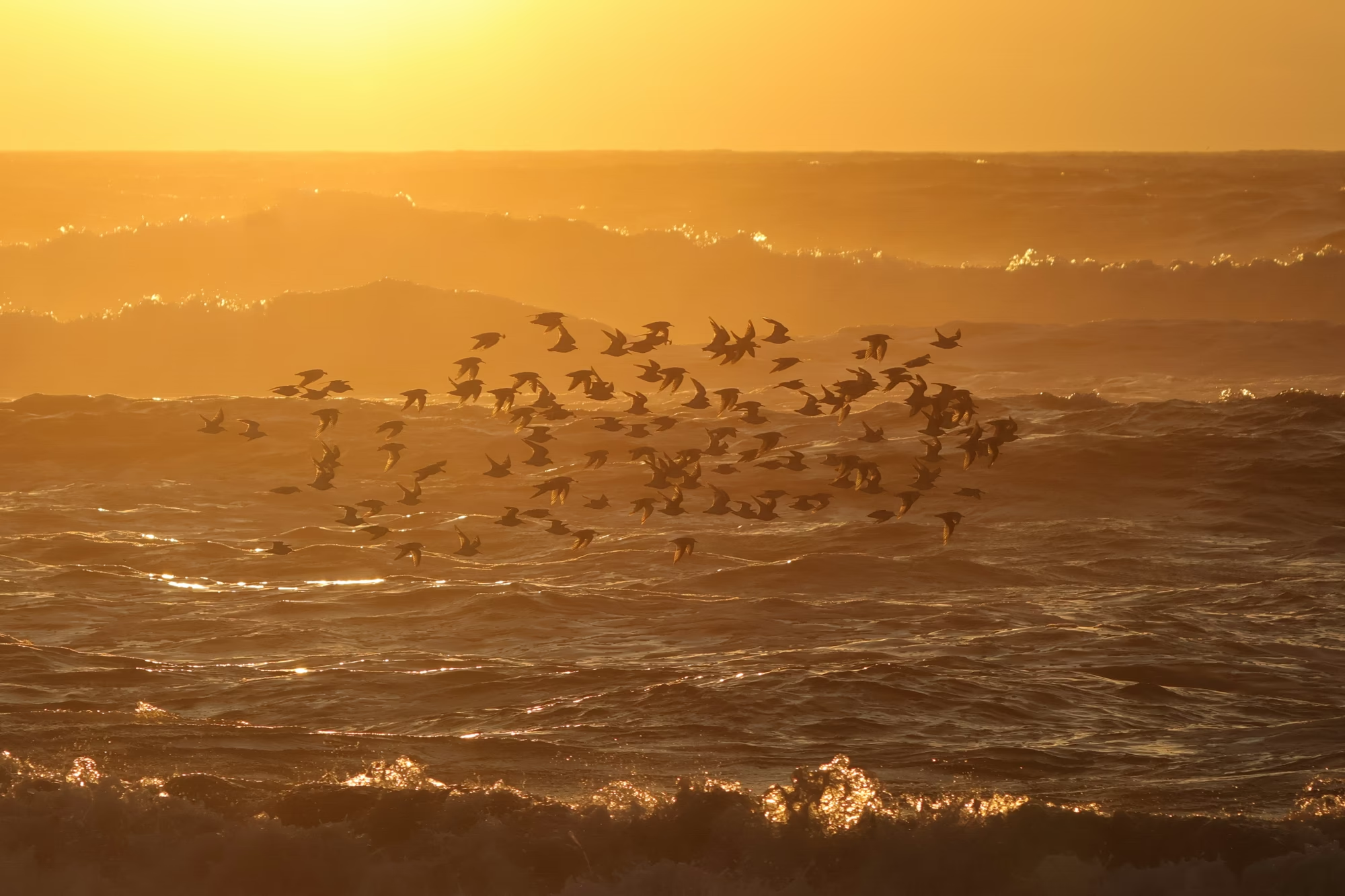
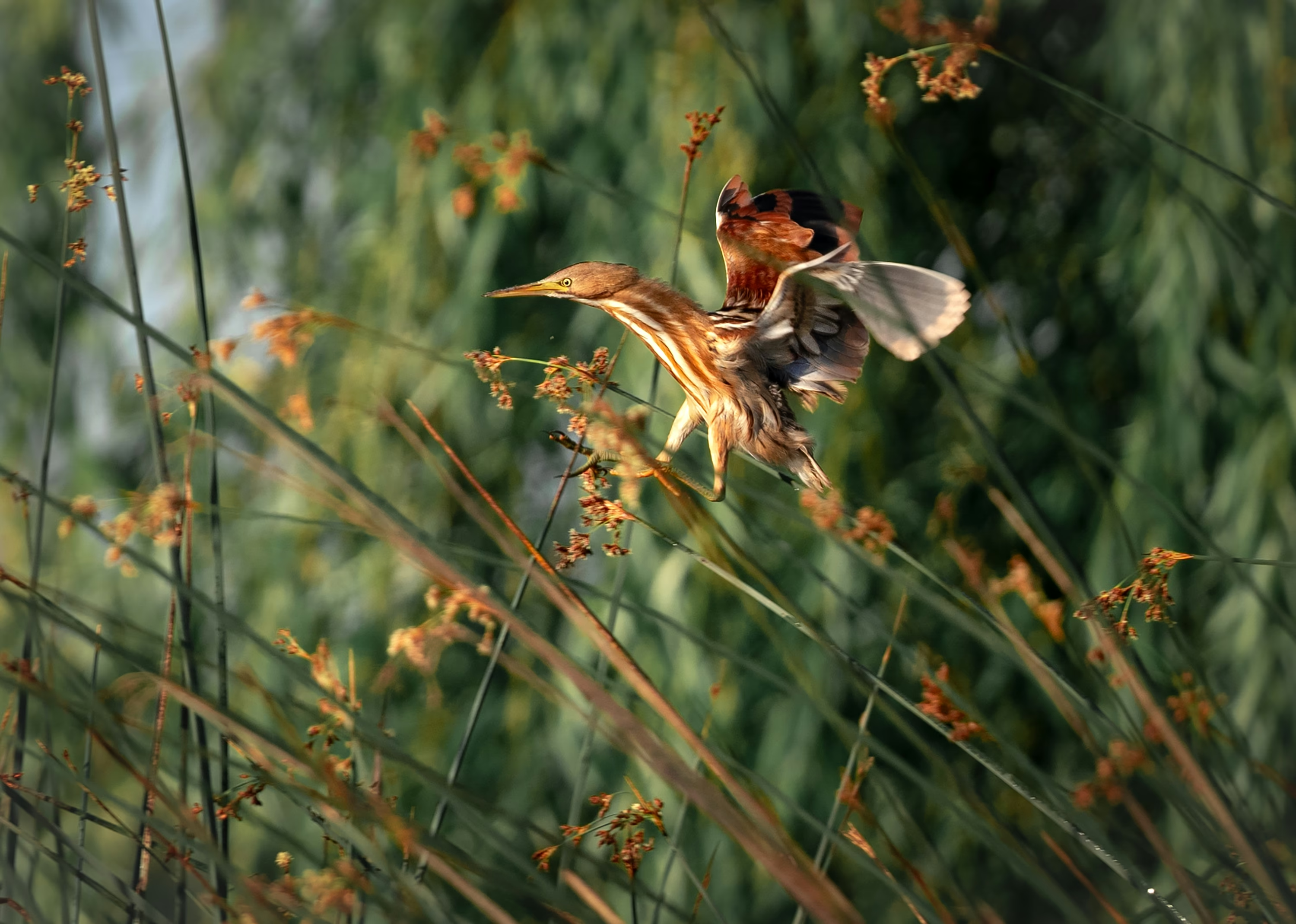
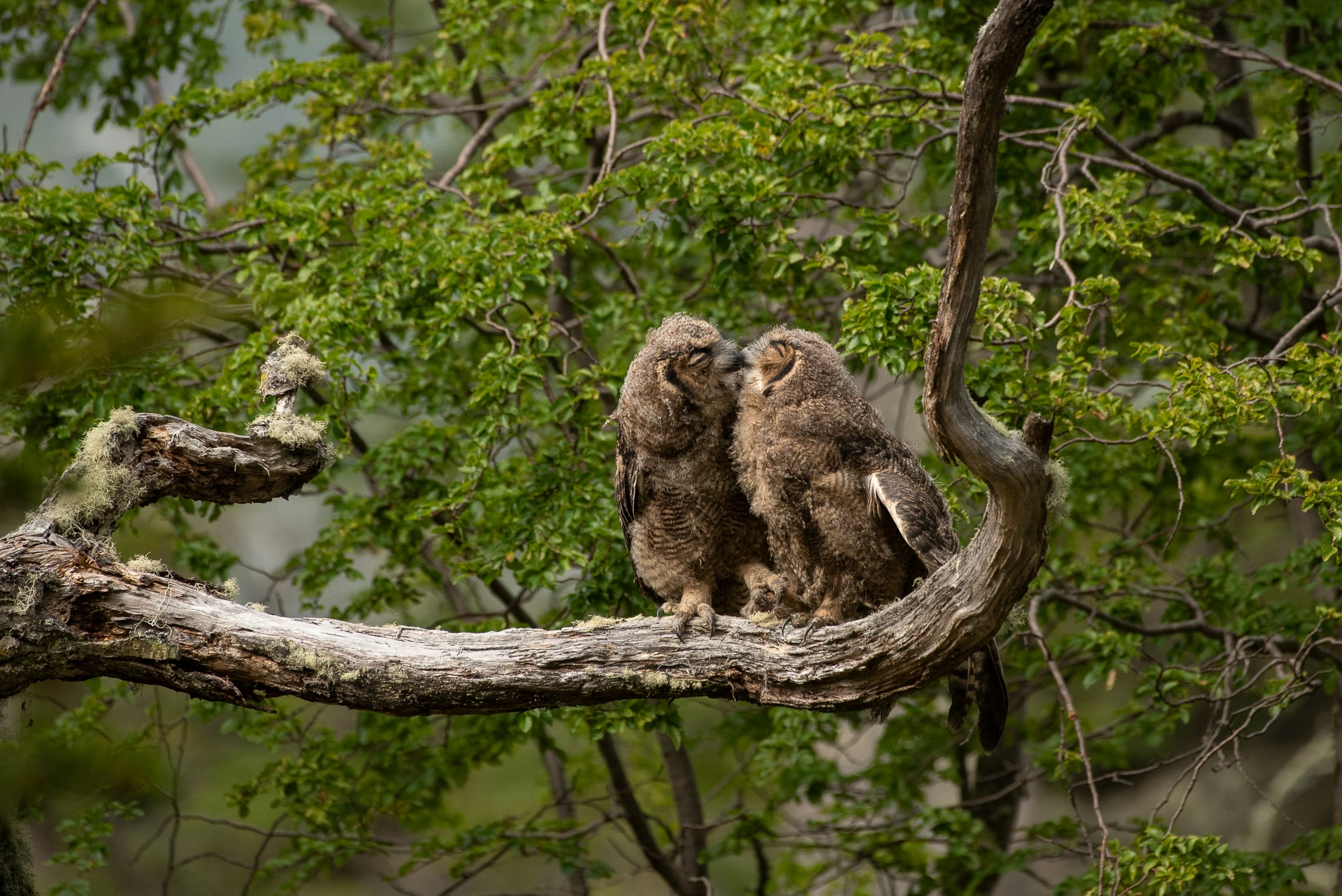
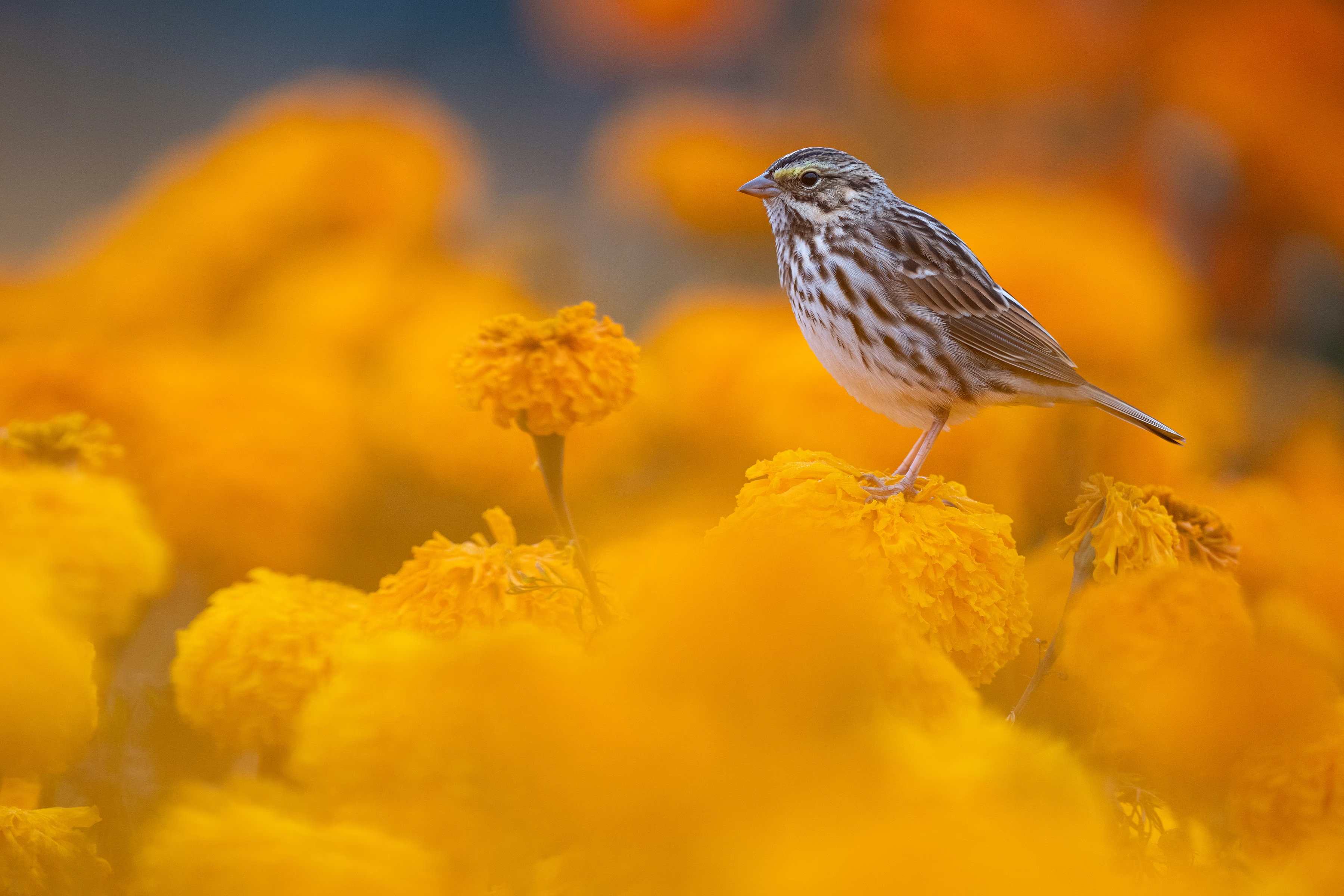
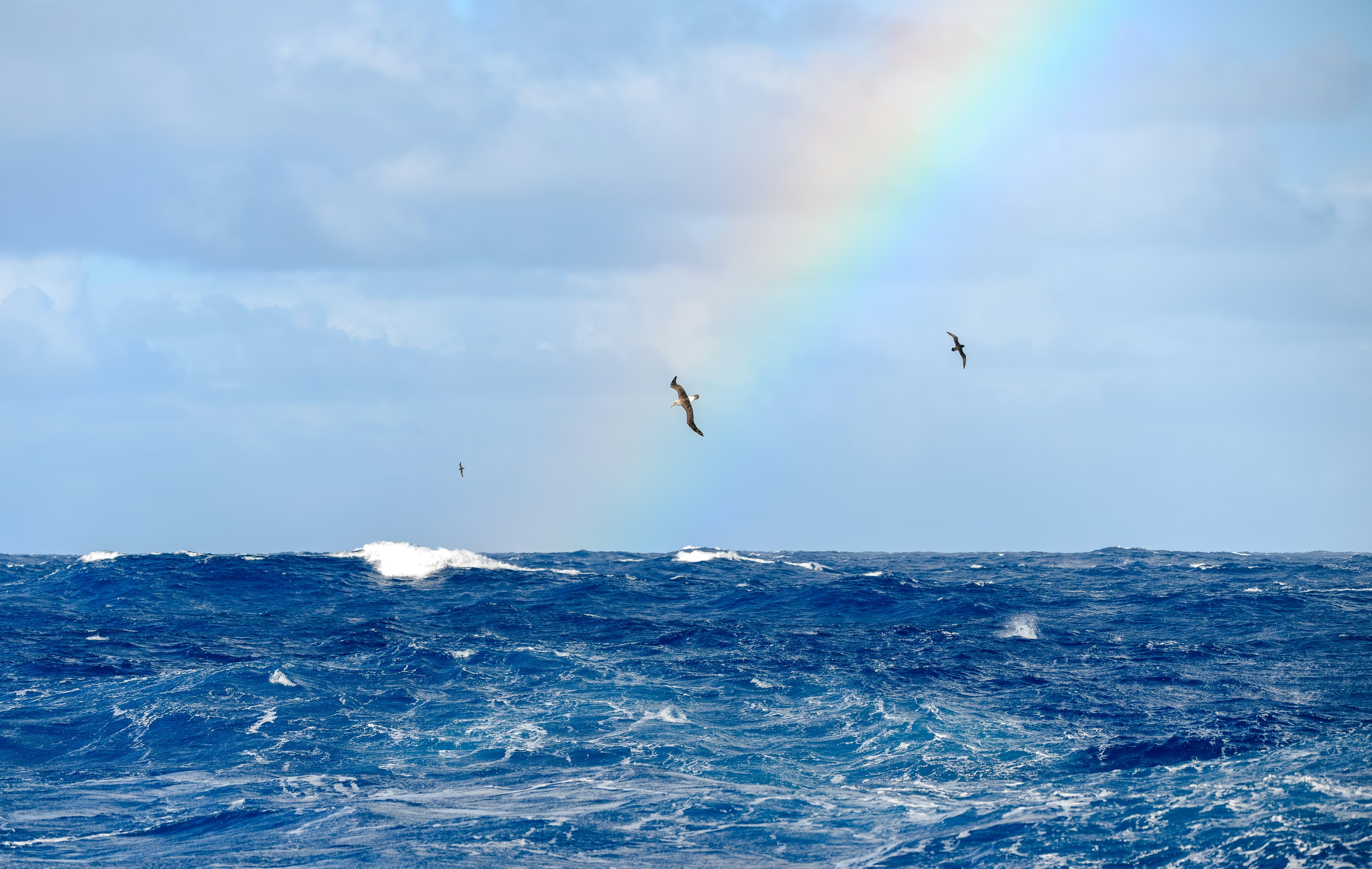
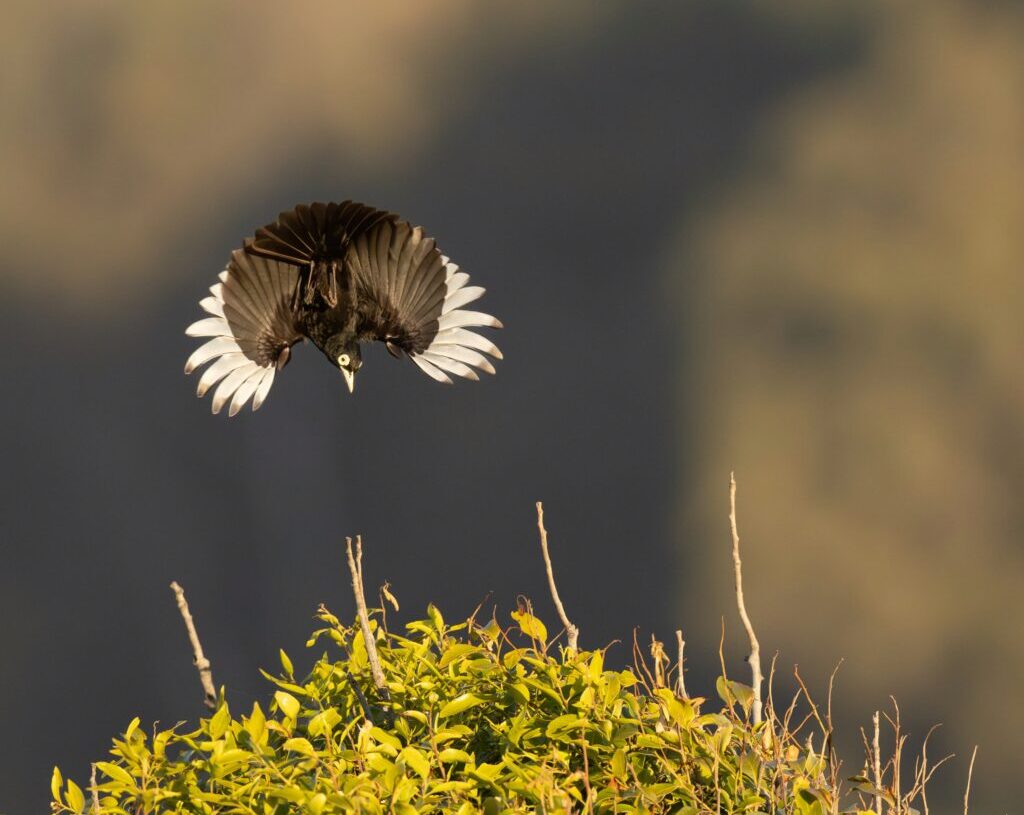
Veronica Donoso / 2026 Audubon Photography AwardsSpectacled Tyrant. “Spring is the best time to observe the spectacled tyrant in Chile, when they migrate from farther north in South America. The males arrive first, followed a few weeks later by the females, who come to watch the magnificent acrobatic leaps the males perform to capture their attention. The females hop from bush to bush, searching for the best vantage point from which to observe and select a mate. Paying close attention to this behavior can yield unique moments like this one: a female spectacled tyrant at the exact moment of takeoff from a bush, spreading her wings and displaying her intense rust-colored plumage.”Fei Cheng / 2026 Audubon Photography AwardsNorthern Pygmy-Owl. “Barely the size of a tennis ball, the northern pygmy-owl is one of the smallest owls in the world and notoriously hard to spot. My friend and I spent the day along the edge of a clear-cut forest—good hunting grounds for the owls. We carefully scanned the tree line without much success. As sunset approached and we prepared to leave, my friend noticed a small silhouette perched on a thin twig against a large trunk, briefly lit by the last golden light of the day.”Cody Cianfrance / 2026 Audubon Photography AwardsMangrove Yellow Warbler. “I had never seen this many warblers in my life. Hundreds of them had gathered to feast on the abundant flies living among the mudflats. It is not often that you see a subject smaller than a warbler, so making this one seem like a giant among the flies was my goal. The hardest part was to predict when the warblers would leap from the ground into the air. Unlike large birds of prey or a wading bird that gives some indication before they take off, these warblers gave none, nor was there any pattern I could recognize before they jumped.”Dotty Doherty / 2026 Audubon Photography AwardsRed-Winged Blackbird. “I went to Bosque del Apache National Wildlife Refuge to see the sandhill cranes. We birded there for three days, and on our last afternoon, we noticed a huge flock of blackbirds in the distance, but my photos showed only black silhouettes against the overcast sky. We stopped to look at cranes and ducks, and the blackbirds settled into the grasses. Two minutes later, the whole flock launched into the air, and I lay on the shutter.”Liron Gertsman / 2026 Audubon Photography AwardsWaved Albatross. “Española Island is the primary breeding site for the beautiful waved albatross. These majestic birds return to the island each spring to find their mate and bring life to the next generation. While visiting the island during courtship season, I witnessed this pair allopreening and mating in the sunset light.”Sergio Andrés Dueñas Trejo / 2026 Audubon Photography AwardsYellow-Bellied Seedeater. “In Huila’s dry forest region, especially near farms, it is common to find dense pastures that are home to a variety of bird species. During a field trip, I noticed that in the middle of the grassland, some branches with seed heads were bending and swaying like whips. This pattern repeated in different areas, but it wasn’t until I zoomed in with my camera that I found the explanation: It was a yellow-bellied seedeater holding on to the tips of the plants and using its weight to bend them until it was hidden among the vegetation, safe from birds of prey while foraging.”Liron Gertsman / 2026 Audubon Photography AwardsCommon Raven. “I spent a week hiking in the mountains of western Canada trying to find and photograph an elusive mountain bird, the white-tailed ptarmigan. While I did not have any success with ptarmigan, I did see common ravens, another of the few bird species that can survive winter in the high alpine environment. Ravens are impressive birds, as are the environments they live in. Toward the end of my trip, I still hadn’t captured any images I was happy with. That changed when I spotted a raven sitting in the middle of the snow with a beautiful mountain backdrop. I put on a wide-angle lens and began photographing in the freezing temperatures. As I watched, I spotted a second raven flying in and took a series of images.”Rebecca Whittaker / 2026 Audubon Photography AwardsCalifornia Condor. “Hoping to photograph a California condor, I carried my gear up the High Peaks trail. I spotted a condor pair atop a pinnacle, necks entwined, distant green mountains behind them. Later I watched them soar. On my way down, I witnessed the gift of a lifetime. Partly hidden, in a small pool of water, the very pair I saw earlier took turns bathing, exchanging quiet looks and gentle touches. When they finished, the female preened.”Timothy Dhalleine / 2026 Audubon Photography AwardsAndean Condor. “Behind this photograph lies a quiet winter day in 2022, high up in the Chilean mountains. Dozens of condors flew overhead as the wind whistled through their wings, and in my 3-year-old daughter’s eyes, I saw nothing but wonder. With a wingspan of nearly 10 feet, the Andean condor is one of the largest flying birds on the planet.”Juan David Camacho Márquez / 2026 Audubon Photography AwardsScarlet-Bellied Mountain Tanager. “During the Birdwatching Tourism Congress in Manizales, I accompanied a camp for young birders and spent three wonderful days with a group that made me feel like part of a family. Together we visited the Termales del Ruiz Hotel, where we observed many amazing species, including this mountain tanager.”Harold Gillibrand Guerra / 2026 Audubon Photography AwardsLesser Horned Owl. “Near the city of Coyhaique, where I live, I’ve been closely observing a pair of lesser horned owls for years. On this particular night, after waking up, the three juveniles began playing among the branches. At that moment, their father flew over the area and perched on the tallest tree. With a call, he summoned his chicks. He came down with a hare he had cached there. It was fascinating to observe the hierarchy among the siblings: While the father fed the most dominant chick, the least assertive one waited patiently for its turn.”Miguel Ángel Gómez Mesa / 2026 Audubon Photography AwardsRainbow-Bearded Thornbill. “I was in the field with a group of young ‘bird guardians,’ all of us united by a common goal: to learn about and catch a glimpse of one of the region’s most coveted species for birders, the rainbow-bearded thornbill. During our excursion, we were lucky enough to spot the elusive hummingbird, but it moved too fast to photograph well. But then, as the rain fell, it occurred to me that I could wait to see if it might perch somewhere—and it did. It came very close to where we were standing and then flew up to the branches in the photo.” Popayán, Cauca, Colombia.Felipe Hurtado / 2026 Audubon Photography AwardsSanderling. “I was walking along Marbella Beach in Santo Domingo, hoping to enjoy the scenery and the light of the sunset, in an area where hundreds or thousands of sanderlings arrive from North America every summer. Suddenly, I saw a group flying toward me, so I took advantage of the fact that my camera was already set to a fast shutter speed and a relatively small aperture to take sunset photos—so the sun wouldn’t overexpose the image—and snapped a burst of shots.”Franco Elgueta R. / 2026 Audubon Photography AwardsStripe-Backed Bittern. “For years, I’ve visited this wetland on Chile’s central coast. After decades of industrial pressure and human development, what was once a vast wetland has been reduced to small, scattered bodies of water nestled among rushes, cattails, and fences. One morning during my daily walk, I sat quietly at the water’s edge, watching the birds. Then I noticed a shape among the reeds: a motionless stripe-backed bittern, blending into the vertical pattern of the vegetation.”Omar Barroso Putare / 2026 Audubon Photography AwardsLesser Horned Owl. “For weeks, my routine consisted of grabbing my camera and venturing into a patch of forest with a single goal: to find these lesser-horned-owl siblings. Because this species blends in perfectly with its surroundings, most days I returned home empty-handed. But I was learning, little by little, to see the forest through different eyes. Eventually my patience paid off. I had the privilege of watching them grow from the moment they left their nest, observing how they waited together for their parents to return with food.”Nick Teague / 2026 Audubon Photography AwardsSavannah Sparrow. “I was home from college for just one weekend, and I knew I would have very little time to do any photography. To take advantage of the time I did have, I left home early one cold fall morning to catch the tail end of sparrow migration. I arrived at a local farm before sunrise, watching for any movement among the rows of crops. After a little while, I noticed a small flock of sparrows moving through the fields. After observing them for a few minutes, I carefully approached the flower patch they were feeding in. Soon after, this Savannah sparrow perched atop one of the blooms, giving me the opportunity to capture this image.”Sergio Trucco / 2026 Audubon Photography AwardsBuller’s Albatross. “We set sail from Valparaíso aboard the Chilean navy’s research vessel Cabo de Hornos on a 31-day expedition along the Salas y Gómez Ridge. It is a unique ecological corridor stretching nearly 1,800 miles that connects the mainland coast with Rapa Nui and Motu Motiro Hiva, formed by more than 110 volcanic seamounts. At the time I took this photograph, we had been sailing for 10 days and had just weathered a storm. Albatrosses were soaring through the air at great speed, and fleeting rainbows appeared between gusts, rising and fading to the rhythm of the sea.”
Be sure to visit the Audubon Society’s full top-100 listing to see all of these amazing photographs.