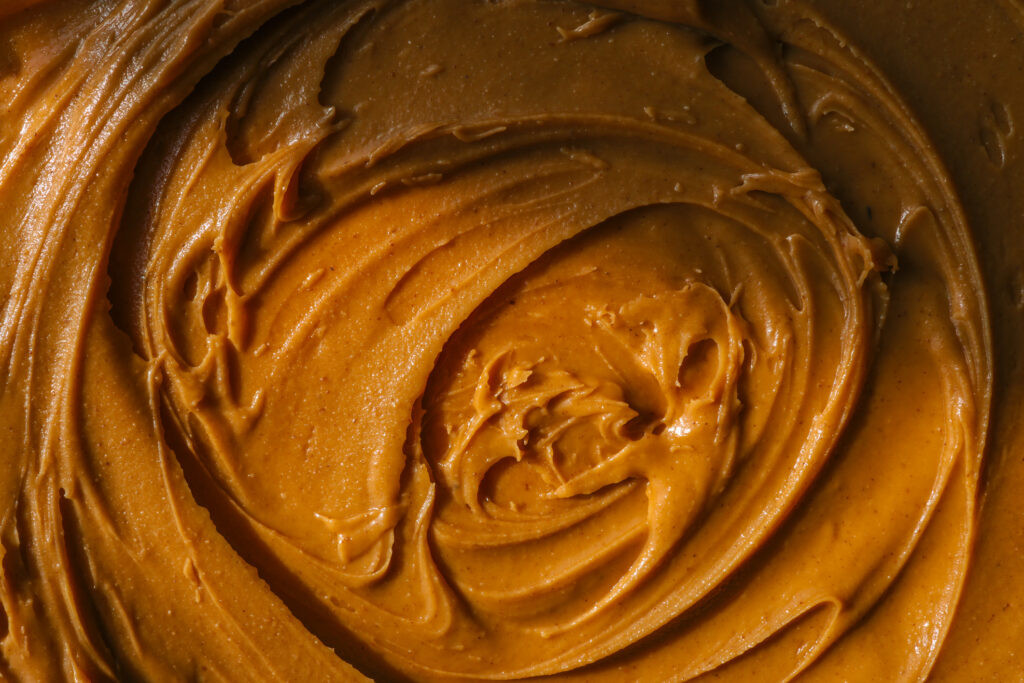
Peanut butter is not just a popular food, but in many cases an exceptionally nutritious one, too.
It’s packed with healthy fats that promote cardiovascular health. It also contains a decent amount of plant protein and fiber, as well as nutrients such as vitamin E, magnesium, potassium and zinc.
But not every peanut butter is the same. Many brands contain multiple additives that nutrition experts urge people to avoid. These additives can transform plain peanut butter into an ultra-processed food.
When you’re shopping for peanut butter, watch out for these three red flags:
- High fructose corn syrup, sugar, molasses and other sweeteners: Some brands contain a teaspoon of added sugar or more per serving. That can add up quickly.
- Mono- and di-glycerides: Mono- and di-glycerides are emulsifiers that prevent the oil from separating and help prolong the product’s shelf life. But they have also been linked to metabolic health problems.
- Palm oil or hydrogenated vegetable oils such as cottonseed, soybean and rapeseed oils: These oils stabilize the peanut butter and make it smoother and creamier. They are frequently added to ultra-processed foods.
These products are made with only peanuts or just two ingredients: peanuts and salt.
- Smucker’s All Natural Peanut Butter.
- Trader Joe’s Creamy Peanut Butter Unsalted.
- Target’s Good & Gather Organic Stir Peanut Butter.
- Kirkland Signature Organic Peanut Butter.
Catch up quickly every weekday morning with a rundown of the 7 most important and interesting stories. Sign up for The 7 newsletter.
The post How to pick a healthier peanut butter appeared first on Washington Post.