President Donald Trump has found an export he doesn’t love. After fixating throughout his second term on the “trade deficit” and arguing that high tariffs are needed to stop the United States from buying more than it sells, Trump said he has urged his advisers to stop diesel exports.
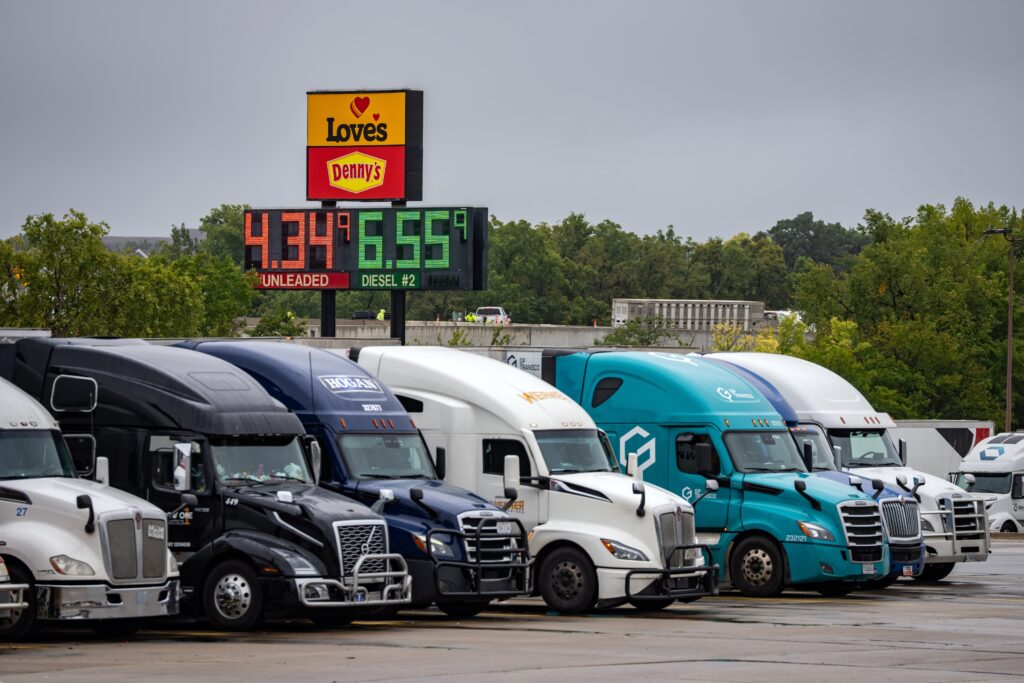
Six weeks before the midterms, the president is responding to clamoring from Senate GOP candidates in farm states, such as Iowa and Michigan, who are paying a political price for high fuel prices, exacerbated by his war of choice in Iran. The national average per gallon of diesel is $6.52, per AAA.
Fortunately, Energy Secretary Chris Wright seems to understand that such protectionism would economically hurt more than it would politically help. The White House denied a Politico report on Wednesday that the administration is preparing a plan for a 90-day diesel embargo. Wright suggested that other ideas, such as a voluntary cap on the level of exports, are under consideration instead.
“If you can’t export the diesel that comes out of our refineries, you run out of places to store it, and you have to reduce U.S. refining, which would put upward pressure on gasoline prices and jet fuel prices,” Wright said on Wednesday.
Disrupting the supply chain would risk increasing diesel prices in states with key Senate races, especially Maine and Alaska. The American Action Forum, a right-leaning think tank, notes that due to “pipeline bottlenecks” and insufficient domestic infrastructure, regions like Alaska rely on imports to top up their supplies. New England also “relies heavily on diesel imports” from Canada. Cutting U.S. exports would raise the global market price, which would be passed along to Mainers buying it from America’s northern neighbor.
Government interventions in energy markets never end well. Trump may not be thinking about 2029, but restricting diesel exports would give environmentalists a precedent to justify pushing the next Democratic president to do the same as a means of reducing emissions. Any perceived risk that government will block exports when it becomes politically convenient to do so would discourage capital investment in domestic refining capacity, which is desperately needed to achieve U.S. energy independence.
These are basic economic lessons that the U.S. should not need to learn anew. Trade makes us richer. Tariffs make us poorer. Price controls lead to shortages and, eventually, higher prices. Please, not another lesson.
The post Limiting diesel exports would be a Trump midterm gift to Democrats appeared first on Washington Post.