If you grew up in the United States in the 1980s or ’90s, chances are you remember The Oregon Trail. For many like me, it was our first computer game and introduction to wilderness survival. We hunted buffalo, forded rivers, broke wagon wheels and, of course, learned about dysentery, all while hoping our group would make it to Oregon City alive.
Lately, the game has found a second life. Social media posts brimming with nostalgia, online memes and updated versions of the game have introduced The Oregon Trail to a new generation while reminding millennials just how unforgiving that grainy computer screen journey could be.
As a physician who specializes in emergency and wilderness medicine, I started thinking about how much of what the game taught me about wilderness survival still applies today.
Modern hikers and campers have access to tools the pioneers could never have imagined. Still, more lessons from The Oregon Trail hold up than you might think.
Clean water is crucial
The Oregon Trail game made dysentery famous for an entire generation. Fortunately, advances in sanitation, hand hygiene and antibiotics have made large outbreaks like those that wagon trains and military camps experienced more than a century ago much less common, at least in the United States.
That doesn’t mean gastrointestinal illnesses have disappeared. Traveler’s diarrhea and cholera are still an important cause of illness around the world. Untreated water, poor hand hygiene and contaminated food can still derail any trip.
Simple habits such as purifying drinking water, washing hands before meals and after using the bathroom, and practicing good camp hygiene remain some of the easiest ways to stay healthy outdoors.
Water purification is important with wilderness travel in the U.S. and in many areas of the world. There are many easy and cost-effective ways to purify water, such as boiling, filtration and treating with chemical disinfectants. Each method has its benefits and downsides.
Boiling is often the most accessible method. While it can kill bacteria, viruses and parasites, it will not remove water contaminants such as heavy metals, including lead and arsenic, or industrial contamination such as pesticides. Consider boiling your water for at least one to three minutes, depending on your altitude, to purify it. Water filtration is an easy option for backpackers but is less effective at removing viruses.
Beware of rivers and oceans
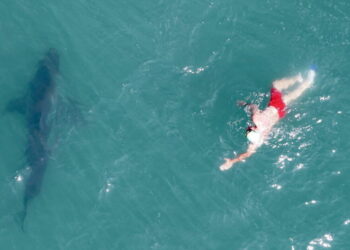
You may no longer have to ford the river with oxen, but rivers, lakes and other bodies of water present unique hazards that outdoor adventure enthusiasts can overlook.
Moving water can be more dangerous than people realize. Even the best swimmers can drown in riptides.
Cross bodies of water only when absolutely necessary. Avoid any water crossings after a recent downpour, since the water level often rises and the current can be faster and stronger. Submerged objects — rocks, fallen trees and other debris — as well as changing weather, flash flooding and strong currents can make crossing more dangerous.
If possible, use a Coast Guard-approved life jacket when you’re crossing water or on a boat.
Prepare to go the distance
It’s not just a broken wagon axle that can send a trip sideways. One thing The Oregon Trail captured well is how distance changes everything. A sprained ankle in a city usually means an inconvenient trip home or to the doctor, but that same injury five miles from the trailhead may mean that someone will need to carry you. The same is true for other common illnesses and injuries, such as dehydration, heat exhaustion, infections or even blisters.
Preparation is about packing a first-aid kit and thinking ahead. Ask yourself what you would do if your hike took twice as long as expected or if you unexpectedly had to spend the night outside. Research your route and carry more food and water than you think you’ll need. Check the weather and be prepared for it to change, with extra clothing and options for rain.
No one tackled the Oregon Trail alone, because it meant you would not survive. There is a lesson here for those who might pursue solo travel and solo mountaineering.
Traveling alone means that a minor injury such as a sprained ankle could mean crawling to the trailhead to call for help or waiting until you are identified as missing. If you cannot find someone to travel with you, provide an itinerary and travel location to a trusted person. Make sure they know when you should be returning and plan to check in. If you do not return as expected, they can call for help.
Respect wild animals
Wildlife still poses a threat across the country. While there may be fewer bison than previously seen on the Oregon Trail, animals in nature deserve respect.
No selfie is worth being attacked by a brown bear. If you see a dangerous wild animal, avoid approaching it and immediately leave the area. More broadly, don’t attempt to get close to any wildlife, no matter how calm or asleep the animal appears to be.
Venomous snakes are present throughout much of the U.S. and continue to cause significant injury and death around the world. If someone is bitten, please don’t try to cut the wound or suck out the venom. Instead, keep the person calm, minimize unnecessary movement, and focus on getting them to professional medical care. Antivenom is available in most U.S. hospitals.
Even smaller and more docile animals such as deer and squirrels should not be fed. It is dangerous for an animal to get used to receiving food from humans. Additionally, animals carry diseases, such as rabies and leptospirosis, that can be fatal.
Technology is not a plan
One of the biggest differences between today’s outdoor adventures and those of the Oregon Trail is our ability to communicate.
Cellphones, GPS apps and emergency beacons have made it possible to call for help from places that were once completely isolated. However, while those devices are incredibly valuable, they shouldn’t encourage you to take bigger risks, as help may be far away and slow to arrive.
And sometimes even when these devices work, other factors can interfere. Members of a hiking group caught in recent floods that swept through the Grand Canyon lacked phone service during much of their trip, and when the Garmin alert signal finally connected, their location was now out of range.
Travelers can use a smartphone with GPS capacity to avoid getting lost, but downloading any needed maps for offline use can help prevent lack of service from derailing your trip.
Additionally, an unlocked smartphone that isn’t restricted to one carrier is a great way to store and communicate critical data, such as travel plans and copies of your medical history.
Every environment has risks
The Oregon Trail travelers worried about river crossings, disease and harsh weather. Today’s hikers face different challenges depending on where they are.
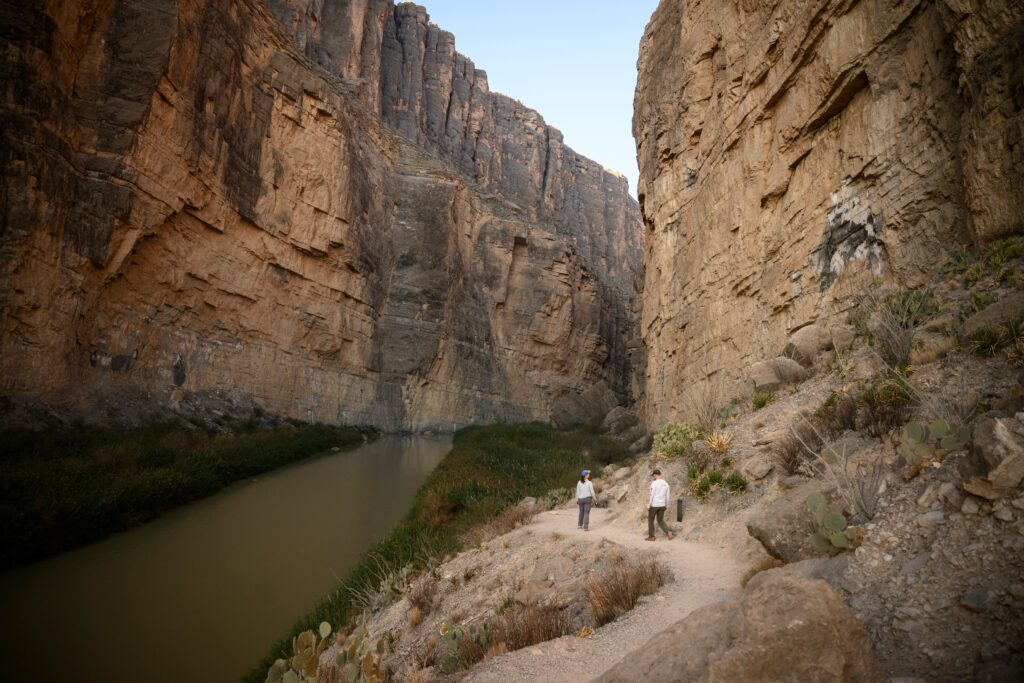
Desert hikers may struggle with extreme heat and dehydration. Mountain travelers face rapidly changing weather, lightning and high altitude. And coastal explorers can face problems such as riptides, waves, cliffs and unexpected rocky surfaces.
Altitude illness is often unpredictable and can sneak up on you. Acute mountain sickness symptoms start within two to 12 hours from ascent, typically worsening during or after the first night. Common symptoms include headache, fatigue, nausea or problems with sleep. Any confusion, difficulty walking, shortness of breath or coughing up significant phlegm should prompt an immediate descent.
There are commonly used prescription medications to help prevent and treat altitude illness. The mountain will always be waiting for your next attempt.
Plan ahead
Part of what made The Oregon Trail game memorable is that every decision mattered. Success often depended less on luck than on planning ahead, and that lesson still applies.
When people ask me what one emergency medicine skill everyone should know before heading outdoors, my answer is usually preparation. Thoughtful planning prevents far more emergencies than any single piece of equipment.
For people who spend a lot of time outdoors, I also recommend taking a wilderness first aid course. These courses teach practical skills to provide medical care in a wilderness environment.
Nature is no less powerful or unforgiving than it was on the Oregon Trail, and treating it with respect is essential. Combining advances in modern medicine with thoughtful preparation helps stack the odds in your favor so that, just as every Oregon Trail player hoped, everyone in the party makes it to the end.
Elaine Reno, MD, is an Associate Professor of Emergency Medicine-Wilderness and Environmental Medicine, University of Colorado Anschutz.
The post These lessons from ‘The Oregon Trail’ could help you survive in the wild appeared first on Washington Post.