

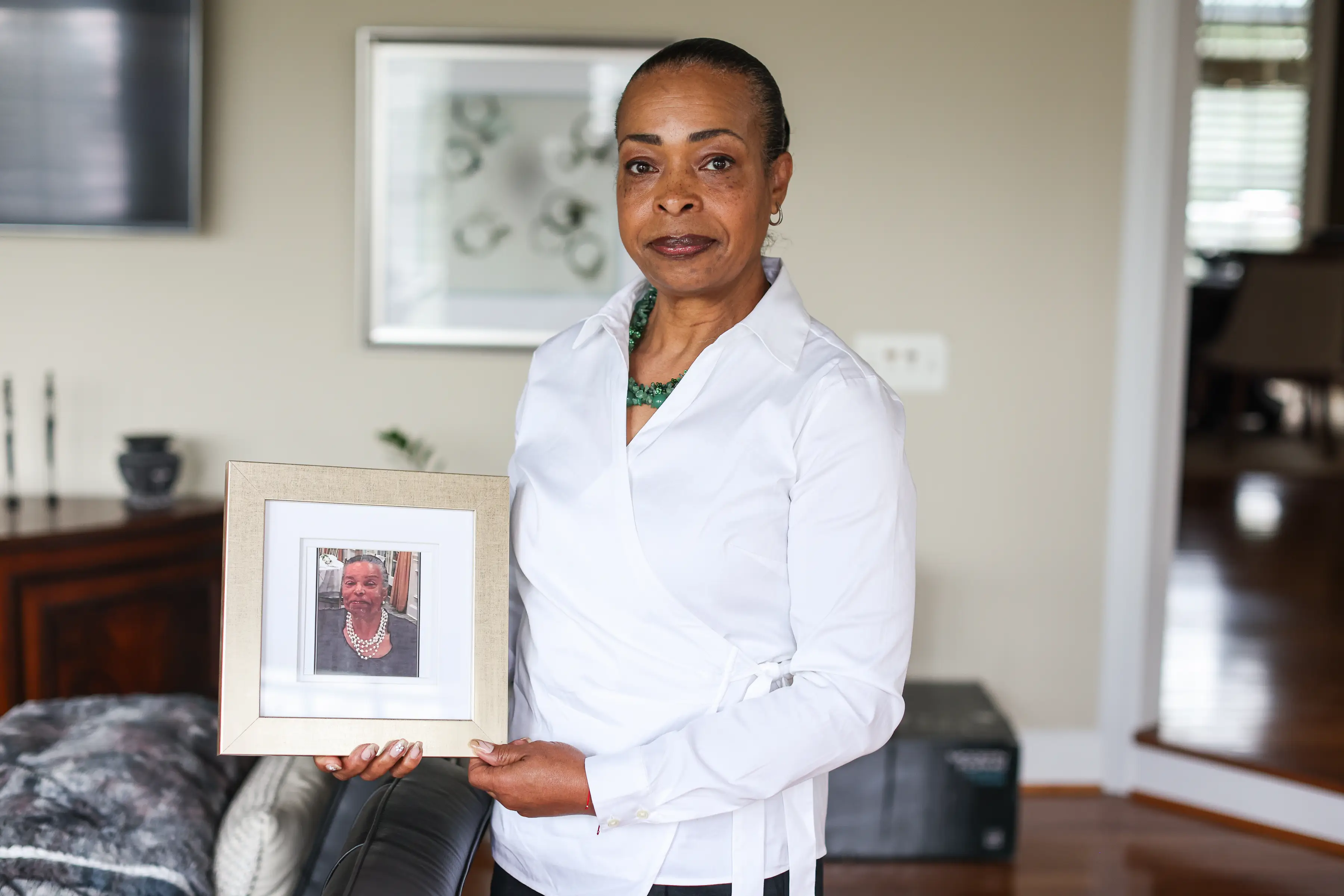
Some days, Tamara Johnson wonders how her life changed so rapidly.
Johnson, 58, made six figures in an executive leadership position, and when her mother was diagnosed with Parkinson’s disease and dementia in 2017, she moved from New Orleans to Virginia, where she continued to work while caring for her mother.
Three years after her mom’s death in 2020, Johnson’s husband suffered a series of catastrophic medical events. To care for him full-time, she took a temporary leave and then quit her job this year. She relied on income from her job’s deferred resignation program and her savings to pay for his long-term care. Johnson estimates her family spent over $700,000 in total between her mom’s and husband’s care. Coming up with that money has been harder, as her husband’s income from medical disability retirement was quartered.
“I was one of those people who was taught that you don’t quit, you suck it up, and you keep going,” Johnson said. “I felt like I didn’t have the luxury of falling apart, because if I fell apart, then who would pick up the slack?”
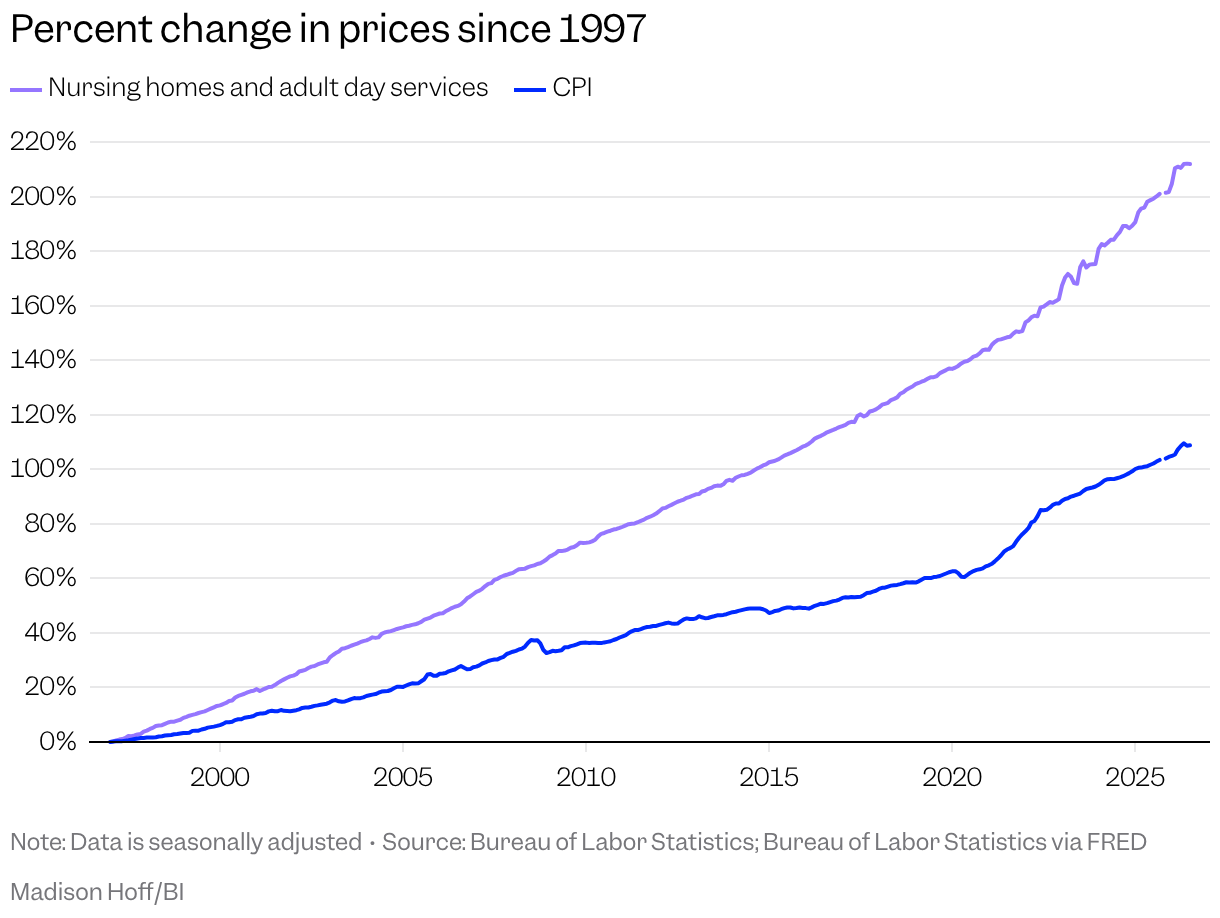
Eldercare costs have skyrocketed in recent years, and millions of Americans are unprepared. The price of nursing homes and adult day services has increased faster than overall consumer prices, as well as food, electricity, and shelter, over the last three decades. Price hikes in assisted living, at-home care, and nursing homes have left families scrambling to cover costs. It’s pushed some to opt for lower-quality care, such as sending loved ones to a lower-rated facility at half the price of a luxury community.
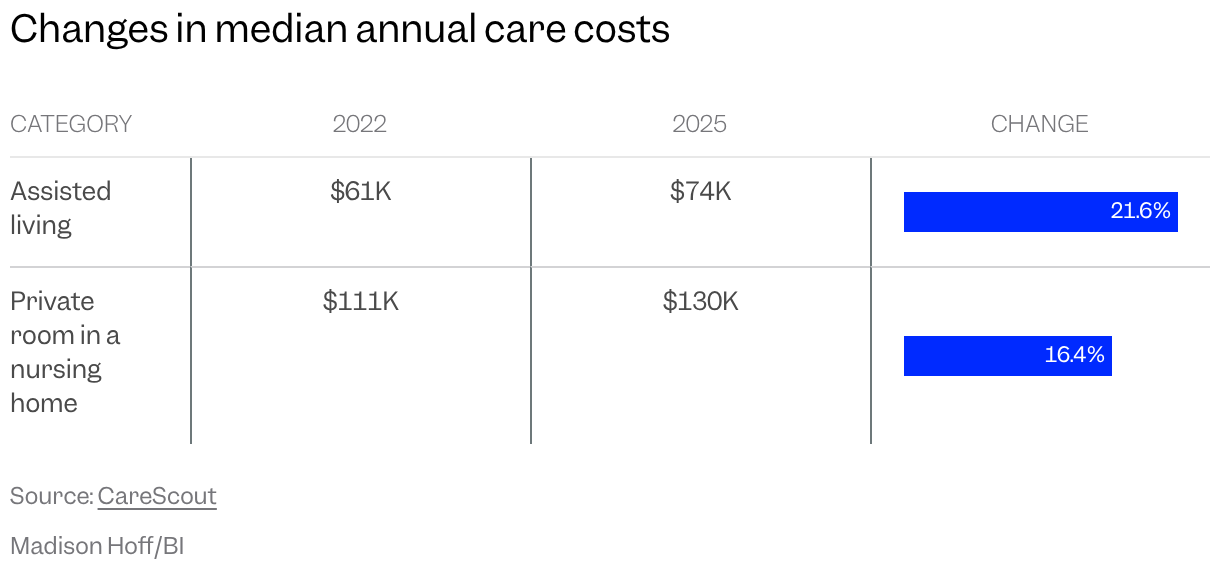
The growing eldercare cost crisis is taking a toll on families, upending lives, derailing careers, and depleting family members‘ finances so much that they may not be able to pay for their own future care needs. In interviews with Business Insider, dozens of families estimated the total price of eldercare for a loved one was six figures, with one woman paying $600,000 over five years for assisted living. Some had long-term care insurance or had saved throughout their lives. Many, however, said they weren’t prepared for care costs to be so high. These families said they have cobbled together money from home equity, family contributions, and loans, or, in some cases, have left their jobs to care for loved ones themselves.
These costs are ballooning because of a steep jump in caregiver wages combined with higher insurance premiums, transportation costs, and broader price increases for services. The mismatch between supply and demand for care workers is set to get much worse. An exodus of workers during the pandemic, followed by a federal crackdown on immigration and deportations of healthcare workers, has contributed to a caregiver shortage, experts say. And because of longer life expectancies and falling birth rates, the US in a few years will have more adults aged 65 or older than children under 18, according to US Census projections.
“Roughly 70% of adults over 65 will need some form of long-term care during their lifetime, yet relatively few have planned financially for that possibility,” said Samir Shah, CEO of care navigation platform CareScout.
Johnson, who has long-term care insurance for herself, said that despite the financial burden of caregiving, “every day is a new opportunity.”
“I tell people that if they make these decisions earlier, it saves a lot of headaches on the backend,” Johnson said.
Out-of-home care costs are through the roof
Long-term care costs for nursing homes and adult day services have outpaced overall inflation for decades, up 212% and 109% since 1997, respectively. The trend is getting worse — overall inflation has been tapering off since 2023, with overall prices rising about 11%, compared to about 17% for care services.
Alan Weil, senior vice president of public policy at AARP, said that caregivers are, on average, putting $7,000 of their own money into caregiving resources annually.
Rising caregiver wages are often passed on to families. Wages for nursing and residential care workers have risen from $17 an hour to nearly $27 over the last decade. While average hourly earnings in this sector fall short of overall private earnings, nursing and residential care wages grew 57% from 2016 to 2026, outpacing the 47% increase across all private wages in the same period.
In 2021, Lana Mountford, 75, moved into a one-bedroom apartment in an assisted living facility for $4,300 per month. After a major surgery, she moved into a two-bedroom unit for $5,500 a month, which rose to nearly $7,000 over two years. Many of the services she relied on, like laundry and frequent caregiver visits, went away with changes in management.
She moved into a development for people aged 55 and older, buying a home in cash for $580,000, which she calculated would save her money in the long term. A caregiver comes for six hours a week for $200 weekly.
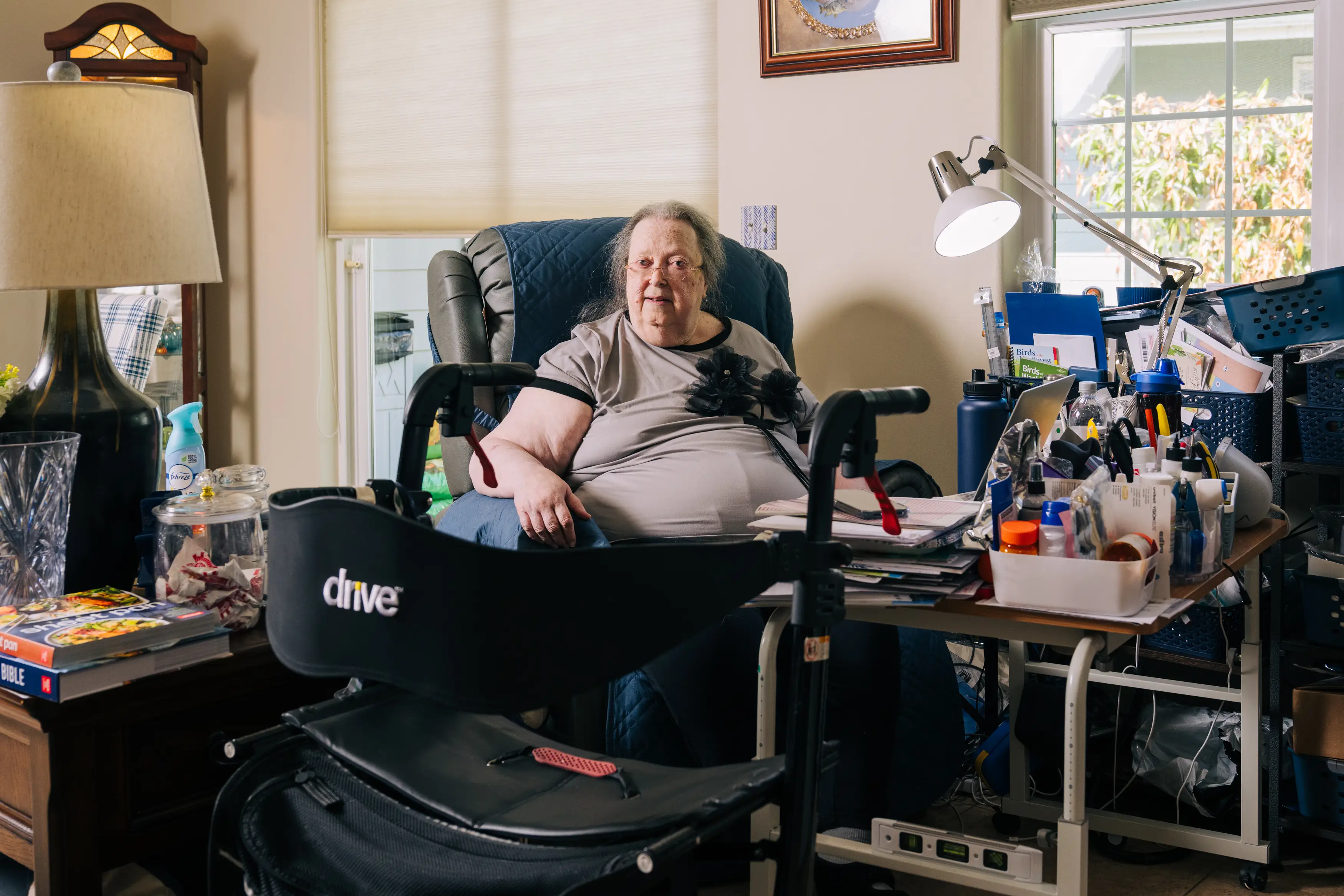
“I knew my savings would be drained if I had to keep paying that much, when I could live in my own place with a full kitchen,” Mountford said.
Home-care costs are also rising
Millions of families have opted for their loved ones to age at home, but that arrangement isn’t immune to skyrocketing costs.
Home care now costs a median of about $34 an hour, according to recent data from senior care company A Place for Mom. Some 59 million Americans care for loved ones, 48 million of whom are unpaid, an AARP and the National Alliance for Caregiving report showed.
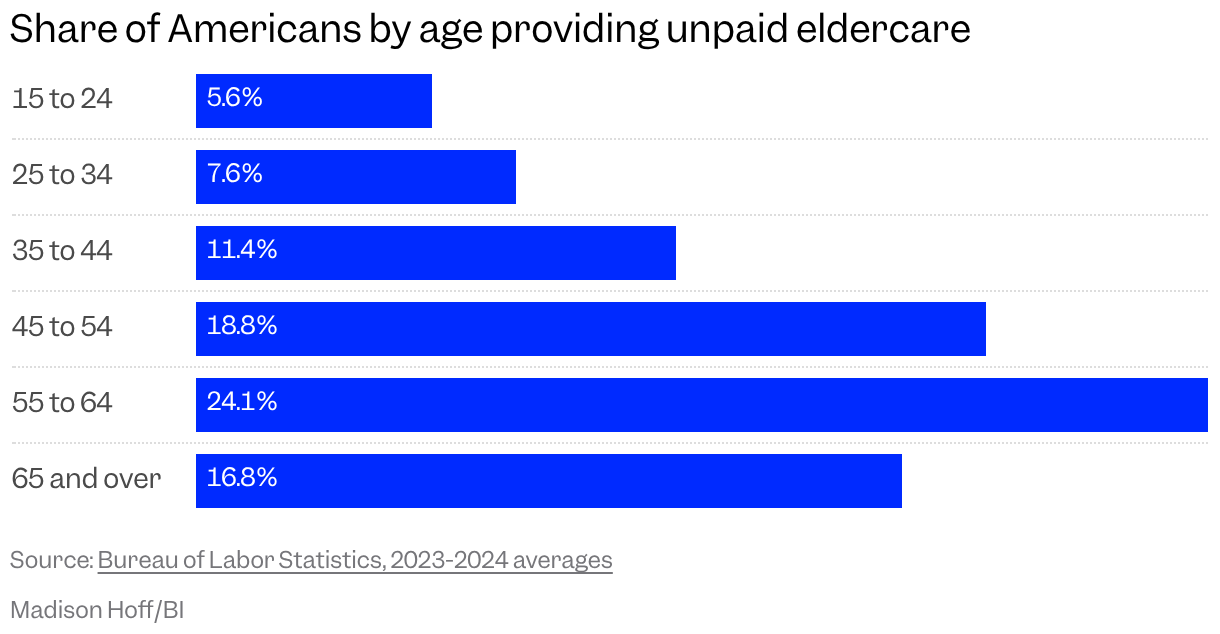
Private-pay costs for Long-Term Services and Supports — encompassing medical and personal care — increased 48% for home health aides and 47% for homemaker services between 2019 and 2024, about double the increase from 2010 to 2019, according to a March AARP report.
Home care agencies usually require a minimum number of hours per visit, often four to five, heightening cost burdens. Home health aides earn significantly less than nurses in nursing and residential care facilities, with a median hourly rate of nearly $18 and a median annual salary of $37,200, according to Bureau of Labor Statistics data. BLS projects that home health and personal care aide jobs may grow by 17% from 2024 to 2034, much faster than the average for all occupations, with roughly 765,800 openings annually.
Careb Bien-Aime worked as a personal care aide while studying information systems management at New York University. She found the job rewarding and the pay decent, but said she thinks the role should pay more because the work is taxing. She hasn’t done caregiving work in over a year, partly because she wants to pivot to finding work related to her major as she gets closer to the end of college.
“Emotionally, physically, you’re caring for a human being, and it does take a lot out of you to take care of someone, especially if the person needs more help,” she said.
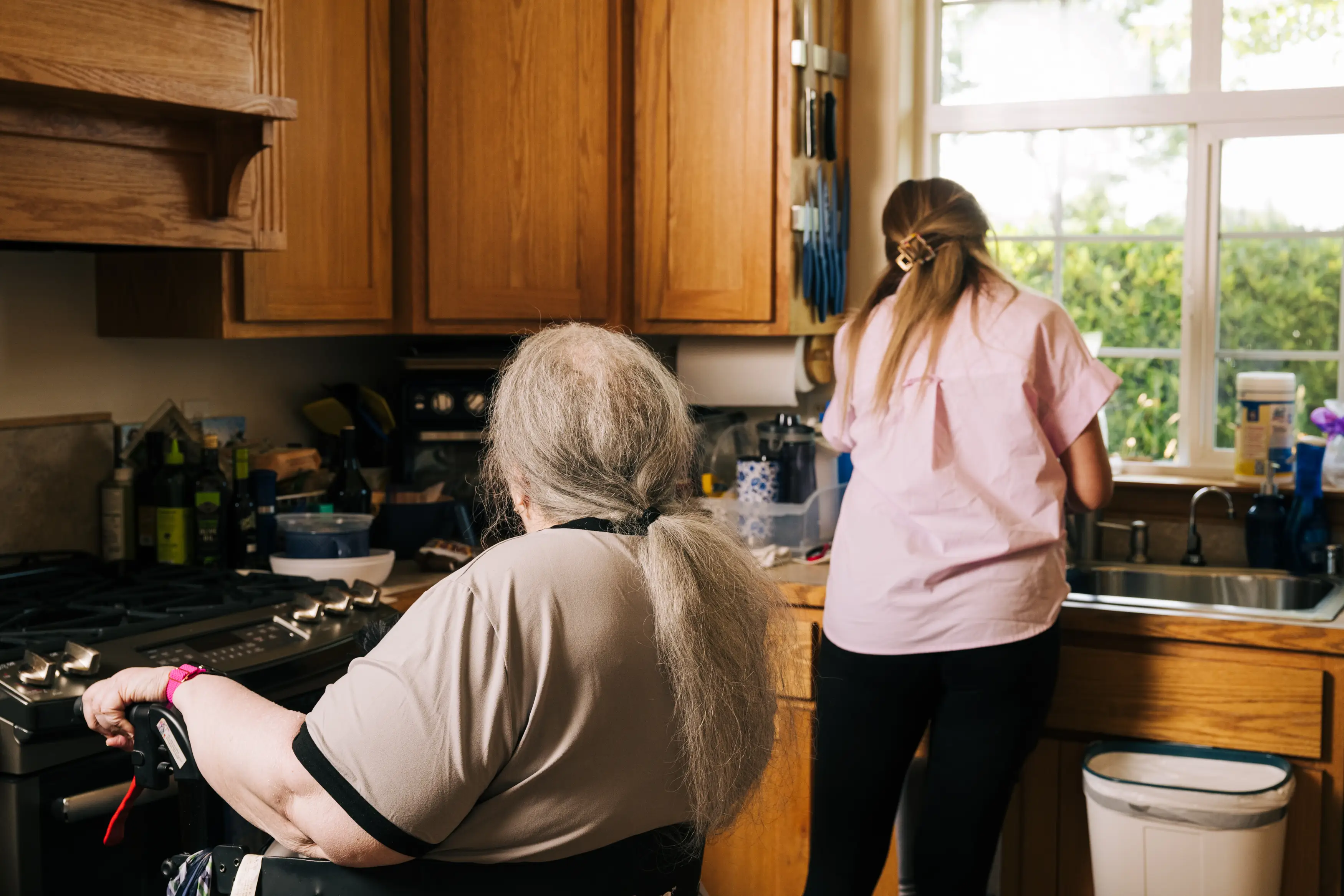
Caregiving costs are particularly burdensome for older Americans living alone. Pew Research Center found that 26% of adults 65 and older lived alone in 2023, down from 29% in 1990.
That’s the case for Kathy Mullen, 64, who exhausted much of her financial resources caring for her mother and now is struggling on her own. She earns $25,000 annually from her Social Security Disability Insurance and lives in a small two-bedroom apartment. Mullen said she can barely afford fresh produce and suspects she will never be able to afford her own care, even if she downsizes or gets on Medicaid.
“I know money will always be tight because my retirement savings won’t cut it,” Mullen said. “I do refuse to say that I’m old, though, and I make the best out of what I have. I’m hopeful I can turn some things around.”
Medicaid can help, but there’s much work to be done
For decades, politicians, advocates, researchers, and older Americans themselves have pushed for reform within long-term care systems. Most agree there is still much to be done.
Medicaid does pay for many kinds of care, including residential nursing and in-home support. Medicaid has been paying more for Long-Term Services and Supports, or LTSS, bettering access to care in some parts of the country.
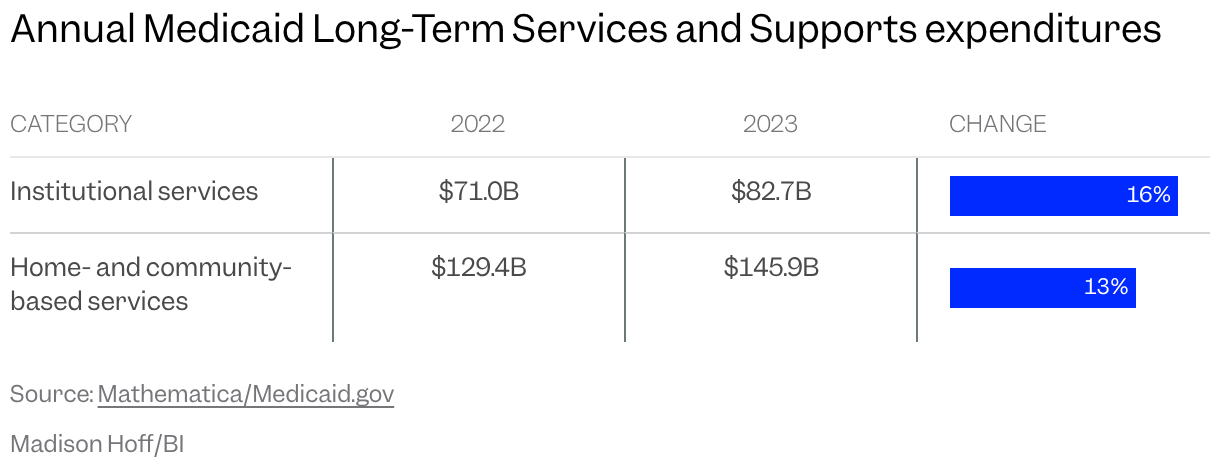
Still, Medicaid’s growing role in long-term care doesn’t always fill the gaps. John Nuar, 35, built a home for his father with dementia to live in, but after living with Nuar’s aunt and uncle, his father moved into a memory care facility.
Over a span of three years before his father’s death, Nuar and his wife, who worked full-time, paid about $120,000 in out-of-pocket expenses, covering what his father’s retirement income couldn’t. The cost rose from $4,200 to $6,600 monthly. Nuar said that his father would have qualified for Medicaid drug coverage in Virginia, where he lived before memory care, but not in Michigan.
“The month-over-month stress of the cost and not knowing how long it would last still affects me two years after his passing,” Nuar said. “Having to look at dollars and then make a care decision was and is still very hard.”

Marc Cohen, co-director of the older adult research institution LeadingAge LTSS Center at UMass Boston, said that the government should prioritize social insurance for long-term care, a Social Security-style program into which people pay throughout their lives to save for eldercare costs. He added that more politicians should fight back against Medicaid cuts, which, especially since last year, have reduced support for older Americans and people with disabilities.
“There has not been the political courage to just talk to the American public and say, to solve this problem, this is what we need to do,” Cohen said. “We need to prefund benefits so that if and when you have a long-term care need, you have some protection.”
Some federal lawmakers have called for bolstering long-term care support, although many of those efforts have yet to become law. Last year, the Caring for Seniors Act was introduced in the House to expand access to affordable assisted living for lower-income older Americans and direct funding to workforce development and training programs for eldercare workers. The bipartisan WISH Act would create a national long-term care insurance trust fund and give some Social Security beneficiaries benefits to pay for home care.
States have taken matters into their own hands. Washington introduced the WA Cares Fund, funded by a 0.58% tax on workers’ paychecks, with a lifetime inflation-adjusted cap of $36,500 in benefits to help pay for long-term care. California, Minnesota, New York, and Pennsylvania have also introduced legislative proposals for long-term care payroll tax legislation.
Some companies, including Microsoft, offer employees eldercare resources such as legal services, time-off options, and backup care. Meta, Google, Cisco, and other employers have partnered with the care support platform Wellthy for caregiving navigation services. Some smaller companies offer caregiving stipends or caregiver support groups.
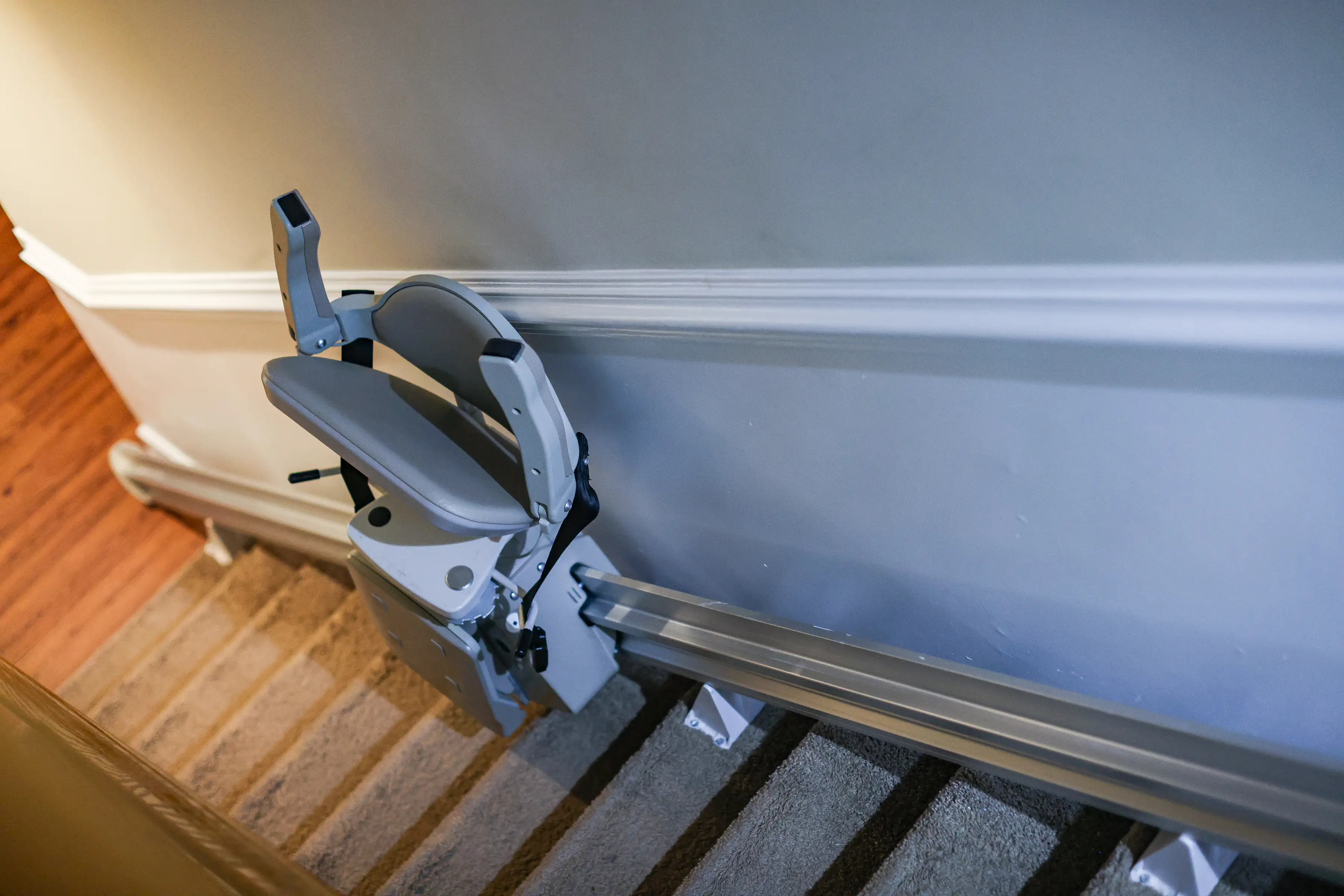
State and local governments can support innovative housing to reduce the need for institutional care by investing in alternative housing arrangements for older residents, like accessory dwelling units, affordable assisted living, co-housing for older Americans, and home modification grants. This is according to Kevin Prindiville, executive director of the nonprofit Justice in Aging, who has worked to provide and protect housing subsidies for older adults, as housing costs have risen faster than their incomes.
“There’s an old narrative of the older person having bought their house forever ago and having paid it off and now living easy — that’s gone,” said Prindiville. “The housing cost burden is actually highest in families that include people 65 and older.”
Margaret Burke, 62, who lives in Taiwan, said she found an affordable condo for her 91-year-old mother in Myrtle Beach, South Carolina. She bought it six years ago for $62,000. The building’s monthly fees, which range from $1,000 for a studio to $2,500 for a two-bedroom, cover meals, utilities, a pool, and group activities.
“She’s always on the go, often shopping, going for walks, or taking day trips to museums,” Burke said. She added, “I want other people to have the peace of mind that I’ve had for the last six years. There is this ‘third path’ between independent living and assisted living that is affordable for most middle-income seniors.”
Read the original article on Business Insider
The post The cost of long-term care keeps going up, and it’s a growing problem for Americans of all ages appeared first on Business Insider.